Embarking on a fishing adventure is a rewarding pastime, and it’s essential to approach it with respect for the aquatic life we seek. This guide delves into the art of How to Safely Catch Fish Without Stressing Them, offering a comprehensive look at ethical angling practices that prioritize the well-being of our finned friends.
From understanding the subtle signs of fish distress to meticulously preparing your gear and employing gentle techniques, we’ll explore every facet of responsible fishing. Our aim is to equip you with the knowledge and tools necessary to ensure a positive experience for both angler and fish, fostering a sustainable relationship with our natural resources.
Understanding the Importance of Fish Welfare
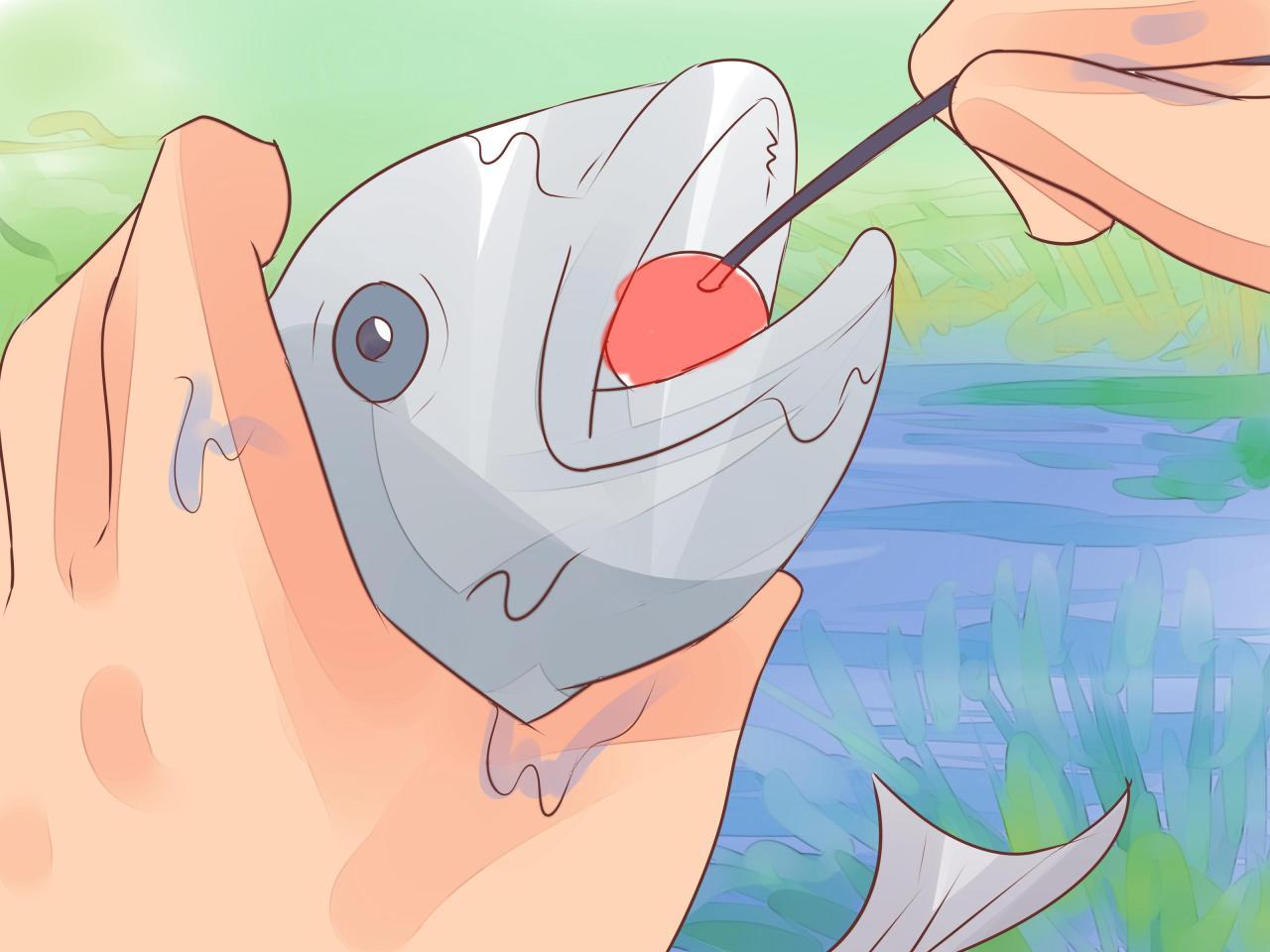
Responsible fishing practices extend beyond simply catching fish; they encompass a deep respect for the well-being of these aquatic creatures. Recognizing and prioritizing fish welfare is not only an ethical imperative but also crucial for maintaining healthy aquatic ecosystems and sustainable fisheries. By understanding how our actions impact fish, we can adopt methods that minimize harm and promote their survival, whether they are intended for harvest or release.The physiological responses of fish to stress are complex and can have significant consequences.
When a fish experiences stress, its body initiates a cascade of hormonal and physiological changes designed to cope with perceived threats. This stress response, while adaptive in natural predator-prey scenarios, can become detrimental when induced by fishing activities, leading to a range of negative health outcomes.
Ethical Considerations of Responsible Fishing Practices
The ethical dimension of fishing underscores our moral obligation to minimize suffering and harm to living beings. Responsible anglers understand that fish are sentient creatures capable of experiencing pain and distress. Therefore, ethical fishing involves employing techniques and handling practices that respect this sentience, aiming to reduce the physical and psychological impact on the fish throughout the entire fishing process, from hook-up to release or dispatch.
This commitment to ethical treatment is fundamental to a sustainable and conscientious approach to angling.
Physiological Responses of Fish to Stress
When a fish encounters a stressful situation, such as being hooked and reeled in, its endocrine system is activated. The primary stress hormones, cortisol and adrenaline, are released. Adrenaline prepares the fish for immediate action by increasing heart rate, respiration, and blood flow to muscles. Cortisol, on the other hand, mobilizes energy reserves and helps the fish cope with prolonged stress.
However, elevated levels of these hormones can disrupt normal bodily functions, including immune response, growth, and reproduction.A key indicator of physiological stress is the depletion of glycogen stores in the liver and muscles, which are essential for energy. This depletion can impair the fish’s ability to swim effectively, evade predators, and find food after release. Furthermore, the increased metabolic rate during a fight can lead to oxygen debt, especially in warmer waters where dissolved oxygen levels are lower, exacerbating the negative effects of stress.
Common Signs of Stress in Fish During Capture
Observing a fish’s behavior and physical condition during and after capture can reveal its level of stress. Recognizing these signs allows anglers to adjust their techniques to minimize further distress.
- Rapid Gill Movement (Hyperventilation): An increased rate of opercular movement, often accompanied by a wide-open mouth, indicates the fish is struggling to obtain oxygen due to elevated metabolic demands and potentially reduced oxygen levels in the water.
- Loss of Equilibrium and Erratic Swimming: After being released, a fish that exhibits difficulty swimming upright, spins uncontrollably, or swims in circles is experiencing significant physiological impairment.
- Clamping of Fins: When fish are severely stressed, they may clamp their pectoral and pelvic fins close to their bodies, a behavior often associated with exhaustion or a desire to conserve energy.
- Darkening of Coloration: While some color changes can be natural, a sudden and dramatic darkening of the body, especially when accompanied by other stress signs, can indicate a severe stress response.
- Lethargy and Reduced Responsiveness: A fish that remains still on the bottom or shows little reaction to stimuli after being released is likely suffering from severe exhaustion and physiological shock.
- Visible Injuries: While not a direct sign of physiological stress, injuries from the hook, landing net, or rough handling can exacerbate stress and impair recovery. This includes bleeding from the mouth or gills, or damaged fins.
Long-Term Impacts of Stress on Fish Populations
The cumulative effects of stress on individual fish can have significant repercussions for entire fish populations. Chronic stress, even if not immediately fatal, can lead to reduced fitness and reproductive success, impacting the long-term viability of a species.
- Reduced Reproductive Success: Fish that have experienced high levels of stress may have impaired gonadal development, reduced spawning drive, or lower egg/sperm viability. This can lead to fewer offspring being produced in subsequent generations. For instance, studies on salmonids have shown that fish subjected to stressful capture methods exhibit lower spawning success rates.
- Decreased Growth Rates: The energy diverted to stress response mechanisms means less energy is available for growth. Chronically stressed fish may grow more slowly, making them more vulnerable to predation and less likely to reach harvestable size.
- Increased Susceptibility to Disease: Stress compromises the immune system, making fish more vulnerable to parasites and diseases. A population weakened by stress is more prone to disease outbreaks, which can lead to significant mortality.
- Behavioral Changes: Prolonged stress can alter a fish’s natural behavior, affecting its foraging efficiency, predator avoidance, and social interactions. This can disrupt the ecological balance within their habitat.
- Population Decline: When multiple stressors combine, such as poor water quality, habitat degradation, and frequent stressful capture events, the overall health and abundance of a fish population can decline over time, impacting the sustainability of fishing.
In conclusion, understanding and actively managing fish welfare is a cornerstone of responsible angling and fisheries management. By minimizing stress during capture, we contribute to healthier individual fish, more robust populations, and the long-term sustainability of our aquatic resources.
Pre-Fishing Preparation for Minimal Stress
Thorough preparation before heading out to fish is paramount for ensuring a positive experience for both the angler and the fish. By meticulously organizing your gear and understanding the nuances of bait and hook selection, you can significantly reduce the potential stress and harm to aquatic life. This proactive approach not only demonstrates responsible angling but also enhances the likelihood of successful and ethical fishing.This section delves into the essential steps of pre-fishing preparation, focusing on minimizing stress through thoughtful gear choices and maintenance.
Essential Low-Impact Fishing Gear Checklist
Organizing your fishing tackle in advance ensures that you have everything you need for a smooth and stress-free outing. A well-prepared angler is less likely to fumble with equipment, which can inadvertently cause distress to fish. This checklist focuses on items that promote gentle handling and quick release.
A comprehensive checklist for low-impact fishing gear includes:
- Landing Net: Opt for a rubber or knotless mesh net to protect the fish’s slime coat and fins, preventing abrasions and tears. Ensure the net is adequately sized for the target species.
- Pliers/Hook Remover: Essential for safely and quickly removing hooks, minimizing the time the fish is out of water and reducing the risk of injury. Needle-nose pliers are often versatile.
- Measuring Device: A soft, flexible measuring tape or a catch-and-release mat with measurements allows for quick and accurate assessment of fish size without excessive handling.
- Water Bucket/Container: For temporary holding of fish if necessary, ensuring it contains clean, cool, and aerated water. This is crucial for species that may require a brief recovery period before release.
- Unhooking Mat/Wet Towel: To place the fish on when removing the hook, protecting its delicate underside from rough surfaces and maintaining moisture.
- Gloves (Optional): Some anglers prefer specialized fishing gloves that provide grip while protecting their hands and minimizing direct contact with the fish’s slime coat.
Selecting Appropriate Bait and Lures to Reduce Struggle
The choice of bait and lures plays a significant role in how quickly and effectively a fish is hooked and subsequently landed. Selecting options that are less likely to cause deep or multiple hook-ups will greatly reduce the struggle for the fish.
Consider the following guidelines for selecting bait and lures:
- Natural Baits: Live baits such as earthworms, minnows, or crickets can be very effective. When rigging live bait, aim for a single, well-placed hook to facilitate easy removal. Avoid excessively large baits that a fish might swallow deeply.
- Artificial Lures:
- Soft Plastics: These can be rigged weedless or on specific jig heads that allow for easier hook removal.
- Spoons and Spinners: These often result in fish being hooked in the mouth or lip, making for simpler unhooking.
- Topwater Lures: These can entice aggressive strikes and often result in hook-ups near the mouth.
- Hook Placement: When using artificial lures, observe how fish typically strike them. If a lure consistently leads to gut-hooking, consider switching to a different presentation or lure type.
Benefits of Using Barbless Hooks
Barbless hooks are a fundamental tool for responsible angling, offering substantial advantages in reducing stress and injury to fish, particularly when catch-and-release is practiced. Their design inherently facilitates easier and quicker hook removal.
The primary benefits of employing barbless hooks include:
- Easier and Faster Removal: The absence of a barb means the hook can slide out of the fish’s mouth or lip with significantly less resistance, reducing the time the fish is handled and the potential for tissue damage.
- Reduced Injury: Barbs can embed deeply into a fish’s flesh, causing tearing and bleeding upon removal. Barbless hooks minimize this risk, leading to cleaner wounds or no wounds at all.
- Improved Survival Rates: By reducing injury and handling time, barbless hooks directly contribute to higher survival rates for released fish, allowing them to return to their environment in better condition.
- Less Damage to Tackle: Barbless hooks are also less likely to snag on nets, clothing, or other gear, simplifying the unhooking process for the angler.
It is important to note that while barbless hooks may occasionally lead to a fish coming loose during the fight, this is often a trade-off for the significant welfare benefits they provide. Many experienced anglers find that with proper line tension and hook-setting techniques, the success rate with barbless hooks is still very high.
Ensuring Smooth Operation of Fishing Equipment
Well-maintained fishing equipment functions optimally, leading to fewer tangles, snags, and mechanical failures. This translates directly into less stress for the fish, as the angler can react smoothly and efficiently during the fight and the unhooking process.
Regular checks and maintenance of your fishing equipment are crucial:
- Rod Inspection: Before each outing, inspect the rod for any cracks, loose guides, or damaged ferrules. Ensure the reel seat is secure. A damaged rod can break unexpectedly, potentially harming the fish.
- Reel Lubrication and Cleaning: Clean and lubricate your fishing reels periodically according to the manufacturer’s instructions. This ensures smooth drag function and prevents sticking, which can cause line breakage or sudden jerks that stress the fish.
- Line Condition: Check your fishing line for abrasions, nicks, or weakened spots. Replace old or damaged line, as it is more prone to breaking under pressure, leading to lost fish and potential entanglement.
- Lure and Hook Condition: Ensure lures are free of rust and damage, and that hooks are sharp and free of bends. Dull hooks require more force to set and are more likely to pull free, while bent hooks can cause greater injury.
- Net and Pliers Check: Verify that your landing net is free of holes and that the handle is secure. Ensure your pliers are in good working order and can grip hooks effectively.
Techniques for Gentle Hooking and Landing
Successfully landing a fish while minimizing stress requires a thoughtful approach to both the hookset and the subsequent process of bringing the fish to hand or net. These techniques are designed to protect the fish’s delicate mouth and body, ensuring its well-being and increasing the likelihood of a healthy release.
Hookset Precision
Setting the hook quickly and precisely is paramount to avoid tearing the fish’s mouth and to ensure a secure connection. A swift, firm, yet controlled motion is key.The timing of the hookset is critical and often depends on the type of lure and the fish’s feeding behavior. For artificial lures, a quick lift of the rod tip or a short, sharp reel is generally effective.
For live bait, allowing the fish to take the bait for a moment before setting the hook can be more successful, preventing the hook from being swallowed too deeply. The goal is to feel the weight of the fish and react promptly.
Reeling Techniques for Minimal Strain
Once hooked, the manner in which you reel the fish in significantly impacts its stress levels. Avoid a constant, high-speed retrieve, which can exhaust the fish unnecessarily and increase the risk of it becoming snagged or fighting itself into exhaustion.Instead, employ a pumping or alternating retrieve. This involves reeling in a short distance, then pausing and lowering the rod tip slightly, allowing the fish to gain a bit of line.
This technique mimics natural fighting behavior and allows the fish to tire gradually, making the landing process smoother and less traumatic. Maintain steady pressure, but avoid locking down the drag, which can lead to broken lines or hooks tearing out.
Strategies for Landing Fish
The method used to bring a fish out of the water should be chosen to minimize physical trauma. Whether using a net or landing the fish by hand, gentle handling is essential.When using a net, approach the fish calmly and try to guide it into the net headfirst. Avoid chasing the fish aggressively with the net, as this can cause it to panic and injure itself.
Once the fish is in the net, lift it smoothly from the water. If landing by hand, wet your hands thoroughly before touching the fish to protect its slime coat. Grip the fish firmly but gently, supporting its body weight to avoid putting undue pressure on its internal organs. For larger fish, a lip-grip tool can be useful, but ensure it is used correctly to avoid damaging the jaw.
Landing Net Material Considerations
The material of a landing net plays a crucial role in fish welfare. Different materials offer varying levels of protection for the fish’s eyes, fins, and slime coat.
- Knotless Mesh: This is the preferred material for landing nets. Its smooth surface significantly reduces the risk of abrasions, torn fins, and eye injuries. It also helps to preserve the fish’s protective slime coat, which is vital for its health and defense against infections.
- Rubber or PVC Coated Mesh: While better than traditional knotted nylon, these materials can still cause some friction and potentially damage scales or fins if the fish struggles extensively within the net. They offer good durability and are less prone to snagging.
- Traditional Knotted Nylon: This is the least desirable option for fish welfare. The knots in the mesh can easily snag fins, gills, and eyes, leading to significant injury and stress. It also tends to strip away the fish’s slime coat more readily.
When selecting a landing net, prioritize knotless mesh for the gentlest handling of fish, especially if catch-and-release is your primary objective. The size of the net should also be appropriate for the species you are targeting, ensuring the fish fits comfortably without excessive struggling.
Handling Fish Safely and Effectively
Proper handling of fish after they are caught is paramount to their survival and a responsible angling practice. This section Artikels essential techniques to ensure the well-being of the fish while it is temporarily out of its aquatic environment. Adhering to these guidelines minimizes stress and physical harm, contributing to healthier fish populations.The process of handling a fish requires careful attention to detail to prevent injury and reduce the duration of stress.
By understanding the fish’s physiology and implementing gentle techniques, anglers can significantly improve the outcome for released fish.
Step-by-Step Guide for Handling Fish Out of Water
A structured approach to handling a fish once it is out of the water is crucial for minimizing harm. This guide breaks down the process into manageable steps, ensuring each action is performed with the fish’s welfare in mind.
- Prepare your landing area and equipment before you bring the fish to the bank or boat. This includes having a wet net, a soft, wet surface to place the fish on (if necessary), and your unhooking tools readily accessible.
- Gently guide the fish into the net. Avoid chasing or netting the fish aggressively, as this can cause exhaustion and injury.
- Once the fish is in the net, carefully lift it out of the water. If possible, keep the fish in the net submerged in shallow water while you prepare for unhooking.
- If you must remove the fish from the net, support its body with a wet hand or a wet cloth. Avoid squeezing the fish, as this can damage its internal organs and scales.
- Position the fish so its head is facing upwards or slightly towards you. This can help it breathe more easily and remain calmer.
- When unhooking, use appropriate tools like pliers or forceps. Work carefully and deliberately to free the hook without tearing the fish’s mouth or throat.
- Minimize the time the fish is out of the water. Aim to complete the unhooking and any necessary measurements or photographs swiftly.
- Gently return the fish to the water. If the fish appears weak, hold it upright in the water, facing into any current, and gently move it back and forth to help water flow over its gills.
- Observe the fish until it swims away strongly on its own.
Importance of Wet Hands or Gloves
The slime coating on a fish’s body is its primary defense against infections and parasites. This protective layer is easily damaged by dry hands, which can lead to abrasions, stress, and increased susceptibility to disease. Using wet hands or gloves preserves this vital coating.
“A fish’s slime coat is its natural armor; keep it intact.”
When handling a fish, always ensure your hands or gloves are thoroughly wet. This can be achieved by dipping them in the water where the fish was caught or by using a wet cloth. If using gloves, opt for smooth, non-abrasive materials that will not snag on scales or the slime coat. Avoid using dry, rough fabrics or touching the fish with dry skin.
Minimizing Time Out of Water
The less time a fish spends out of its natural environment, the less stress it experiences. Prolonged exposure to air can lead to suffocation, dehydration, and a significant drop in body temperature, all of which can be fatal.Anglers should strive for quick releases, especially when practicing catch-and-release. This means having all necessary tools and procedures in place before the fish is landed.
If taking photographs or measurements, do so efficiently. For larger fish that require more time, consider keeping them in a net in the water or in a dedicated fish-handling mat that remains wet.
Proper Techniques for Removing Hooks
Removing a hook without causing further injury requires patience and the right tools. The goal is to free the hook with minimal damage to the fish’s mouth, gills, or esophagus.
The most effective method involves using long-nosed pliers or forceps. Gently open the fish’s mouth, if necessary, and locate the hook. Try to reverse the direction of the hook to back it out the way it entered. If the hook is deeply embedded, especially in the throat or gills, it may be best to cut the line as close to the hook as possible and leave the hook in place.
Attempting to forcefully remove a deeply lodged hook can cause severe internal damage.
Dos and Don’ts for Handling Live Fish
A clear understanding of what to do and what not to do when handling live fish is essential for responsible angling. This list provides a concise summary of best practices.
Dos:
- Always wet your hands or gloves before touching a fish.
- Use a soft, wet landing net.
- Support the fish’s body with wet hands or a wet cloth.
- Minimize the time the fish is out of the water.
- Use pliers or forceps for hook removal.
- Keep the fish in the water whenever possible.
- Return the fish gently to the water.
- Hold the fish facing into the current if it is weak.
Don’ts:
- Never handle a fish with dry hands.
- Do not squeeze or put pressure on the fish’s body.
- Avoid dropping the fish on hard surfaces.
- Do not pull on the fishing line to remove a hook.
- Refrain from touching the fish’s eyes or gills.
- Never leave a fish exposed to direct sunlight or dry air for extended periods.
- Do not throw the fish back into the water.
Best Practices for Catch and Release
Implementing effective catch and release practices is paramount to ensuring the survival and well-being of fish populations. This section details the essential steps and considerations for a successful and humane release.
The goal of catch and release is to minimize stress and physical harm to the fish, allowing it to recover and thrive in its natural environment. This involves careful handling, appropriate revival techniques, and a mindful approach to the release process itself.
Fish Revival Techniques
A stressed fish requires specific attention to help it regain its strength before being released. The primary objective is to facilitate oxygen uptake and allow the fish to orient itself.
- Gently hold the fish upright in the water, facing into the current if present. This allows water to flow over the gills, providing essential oxygen.
- Avoid excessive movement or shaking the fish. Patience is key; allow the fish to remain in this position until it shows signs of voluntary movement.
- Observe the fish’s gills. They should be actively moving, indicating respiration. The fins should also begin to function normally.
- If the fish is disoriented or unable to swim on its own after several minutes, it may not be ready for release. In such cases, consider returning it to a calmer, sheltered area of the water body.
Safe Fish Release Methods
The manner in which a fish is returned to the water significantly impacts its chances of survival. These methods aim to reduce any further trauma.
- When releasing a fish, gently lower it back into the water. Avoid tossing or dropping the fish, as this can cause internal injuries.
- If possible, release the fish in the same area where it was caught to minimize environmental shock.
- For larger or more powerful fish, cradle them in the water and allow them to swim away under their own power. This ensures they are not forced back into the water unnaturally.
- If the fish was caught in shallow water, ensure it is released into deeper water where it has a better chance of avoiding predators and finding suitable habitat.
Assessing Fish Readiness for Release
Determining if a fish is sufficiently recovered for release is a critical step. Observational cues provide insight into the fish’s condition.
- A healthy, ready-to-be-released fish will exhibit strong, active swimming movements.
- Its fins should be held normally, not clamped to its body, and it should be able to right itself in the water.
- The fish should respond to being held in the current by attempting to swim forward.
- Signs of distress include lethargy, erratic swimming, or an inability to maintain an upright position. If these persist, further revival time may be necessary.
Environmental Factors Affecting Catch and Release Success
Several environmental conditions can influence the outcome of catch and release efforts, requiring anglers to adapt their strategies.
- Water temperature plays a significant role. Warmer water holds less dissolved oxygen, making fish more susceptible to stress and mortality. Releasing fish quickly in high temperatures is crucial.
- Dissolved oxygen levels are directly related to water temperature and water flow. Areas with stagnant, warm water and low oxygen are more challenging for fish recovery.
- The presence of predators in the release area can impact a weakened fish’s survival. Choosing a release location with some cover can offer protection.
- Turbidity or water clarity can affect a fish’s ability to orient itself and avoid threats after release.
Releasing Fish in Different Water Conditions
Adapting release techniques to specific water conditions ensures the best possible outcome for the fish.
- Calm Water: In calm, still water, gently place the fish in the water and allow it to recover at its own pace. You may need to gently move it to create water flow over its gills.
- Flowing Water (Rivers/Streams): Position the fish facing upstream into the current. The natural flow will provide oxygenation. Allow the fish to swim away when it is ready.
- Deep Water: If releasing into deep water, ensure the fish is able to swim down to its preferred depth. Avoid releasing it at the surface where it may be vulnerable.
- Cold Water: While cold water generally holds more oxygen, fish can still be stressed. Handle them quickly and ensure they are fully revived before release, as their metabolism is slower in cold conditions.
Gear and Equipment for Stress-Free Fishing
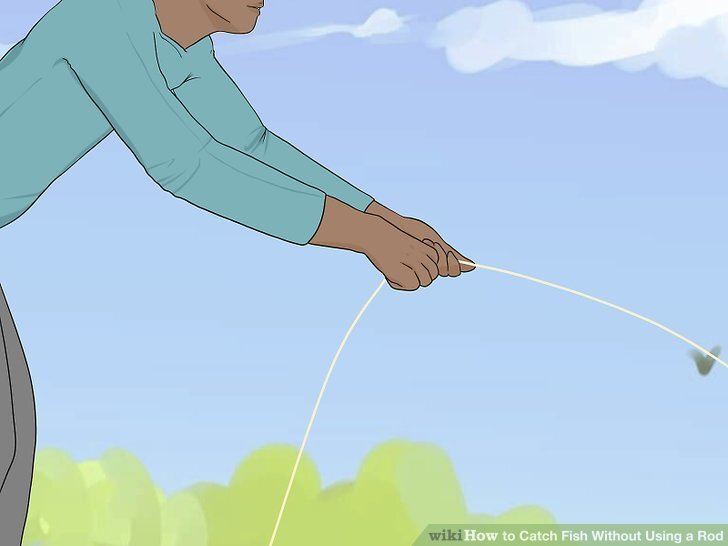
Selecting the right gear and equipment is paramount to minimizing stress on fish throughout the entire fishing process. Thoughtful choices in lines, hooks, rods, reels, and specialized tools can significantly contribute to a fish’s well-being, whether you intend to practice catch and release or keep your catch. This section will guide you through making informed decisions about your fishing arsenal to ensure a gentler experience for the aquatic life you encounter.
Fishing Line Properties for Gentle Handling
The type of fishing line used directly impacts how gently a fish can be handled. Different lines offer varying degrees of stretch, abrasion resistance, and visibility, all of which play a role in minimizing stress. Understanding these properties allows anglers to choose lines that are forgiving during a fight and less likely to cause harm.
| Type of Fishing Line | Properties for Gentle Handling | Considerations |
|---|---|---|
| Monofilament | Moderate stretch, good shock absorption, relatively inexpensive, floats well. | Its stretch can be beneficial in absorbing the sudden runs of fish, reducing the chance of hooks pulling free or line breakage. However, it can be more prone to abrasion and memory. |
| Fluorocarbon | Low stretch, nearly invisible underwater, excellent abrasion resistance, sinks. | Its low stretch provides better bite detection and hook-setting power, but can be less forgiving on a long fight, potentially leading to more stress if not managed carefully. Its invisibility is a benefit for wary fish. |
| Braided Line | Virtually no stretch, high strength-to-diameter ratio, sensitive, floats. | The lack of stretch means direct contact with the fish, allowing for quick hook sets. However, this also requires a very delicate touch and a more responsive drag system to prevent tearing hooks out or stressing the fish with constant tension. It is highly abrasion-resistant. |
Advantages of Using Circle Hooks
Circle hooks are a specialized hook design that significantly reduces the incidence of gut hooking, a practice that is detrimental to fish survival, especially in catch-and-release scenarios. Their unique shape ensures that when a fish takes the bait and swims away, the hook tends to slide towards the corner of the fish’s mouth, leading to a lip or jaw hook-up rather than being swallowed.This method of hooking is inherently gentler because it avoids vital internal organs.
The reduction in gut hooking means that fish are often easier to release, are less injured, and have a higher probability of surviving and thriving after being caught. This is particularly important for conservation efforts and for maintaining healthy fish populations.
Rod and Reel Selection for Different Fish Species and Sizes
The choice of rod and reel should be tailored to the species of fish being targeted and their typical size. A rod that is too stiff for a small fish can cause excessive strain, while a rod that is too light for a large, powerful fish may break or fail to provide adequate control.* For smaller fish (e.g., panfish, small trout): Lightweight or ultralight rods paired with small spinning reels are ideal.
These offer sensitivity to detect subtle bites and a light touch to avoid overpowering the fish.
For medium-sized fish (e.g., bass, walleye, medium trout)
Medium-action rods with medium spinning or baitcasting reels provide a good balance of power and flexibility. They can handle stronger runs without causing undue stress.
For larger, powerful fish (e.g., salmon, pike, larger saltwater species)
Heavy-action rods with larger, robust spinning or baitcasting reels are necessary. These are designed to withstand significant pressure and offer the leverage needed to control powerful runs and fatigue larger fish more efficiently, reducing the duration of the fight.The drag system on the reel is a critical component. A well-adjusted drag allows the line to peel off when a fish makes a strong run, preventing line breakage and absorbing shock, thereby reducing stress on both the fish and the equipment.
Specialized Tools for Quick Hook Removal
Having the right tools readily accessible can drastically speed up the process of hook removal, thereby minimizing the time a fish is out of its natural environment and under stress. Quick and efficient removal is key to successful catch and release.
- Needle-Nose Pliers: These are versatile and effective for gripping and extracting hooks from the mouth, lip, or gill area. Their long, slender design allows for precise manipulation.
- Hemostats (Forceps): Similar to needle-nose pliers but often with a locking mechanism, hemostats provide a very secure grip on hooks, especially those embedded deeply.
- Hook Removers/Disgorgers: These tools are specifically designed to slide down the fishing line and push or dislodge the hook, particularly useful for deeply swallowed hooks.
- Dehookers: Various designs exist, often featuring a slot or clamp that engages the hook shank, allowing the angler to twist or pull the hook free with minimal manipulation of the fish’s mouth.
A Well-Equipped, Stress-Reducing Fishing Kit
Imagine a well-organized tackle box or bag, meticulously arranged to ensure that every item contributes to a low-stress fishing experience. This kit would contain a variety of circle hooks in different sizes, alongside standard J-hooks for specific applications, all neatly stored in separate compartments. Spools of monofilament, fluorocarbon, and braided lines would be readily available, perhaps in a compact line dispenser.Inside, you would find a selection of rods and reels, each appropriate for different target species, perhaps a lightweight spinning setup and a sturdier baitcasting combo.
Essential tools like needle-nose pliers, hemostats, and a dedicated hook remover would be clipped to the bag or secured in a dedicated pocket, easily accessible.Also present would be a soft, knotless landing net designed to protect the fish’s slime coat and fins. A measuring device and a small scale, kept dry, would be ready for quick measurements if desired for documentation.
A bottle of fish-friendly de-stressing solution or a wet towel would be included for any necessary handling. The entire kit would exude an aura of preparedness and consideration, with each component chosen not just for effectiveness, but for its role in ensuring the welfare of the fish.
Environmental Considerations for Fish Well-being
Beyond our direct interactions with fish, the surrounding environment plays a crucial role in their overall well-being and stress levels. Understanding and respecting these ecological factors can significantly enhance our efforts to practice stress-free fishing. This section delves into how external conditions impact fish and how we can adapt our angling to be more considerate of their natural habitat and life cycles.Water temperature is a primary environmental factor influencing fish physiology and behavior.
Fish are ectothermic, meaning their body temperature is regulated by their environment. Fluctuations and extremes in water temperature can induce significant physiological stress.
Water Temperature Impact on Fish Stress
Water temperature directly affects a fish’s metabolic rate, oxygen consumption, immune function, and susceptibility to disease. When water temperatures are too high or too low for a particular species, their systems become compromised, making them more vulnerable to stress from handling and capture. Elevated temperatures, in particular, reduce the dissolved oxygen content in the water, creating an additional stressor for fish that are already struggling to cope with the heat.
Conversely, very cold water can slow their metabolism to a point where they are less able to fight off infection or recover from exertion.
Optimal water temperatures allow fish to thrive, supporting healthy immune systems and efficient metabolic processes. Deviations from these optimal ranges can significantly increase stress and reduce survival rates post-capture.
Choosing fishing locations wisely is paramount to minimizing disturbance to fish habitats. Our presence and activities can have a ripple effect, impacting not only the fish we aim to catch but also the broader aquatic ecosystem.
Minimizing Habitat Disturbance
Selecting fishing spots that are less sensitive or already accustomed to human presence can reduce stress on fish populations. This involves observing the environment and understanding the needs of the fish species you are targeting.
- Avoid Sensitive Areas: Steer clear of areas with delicate aquatic vegetation, submerged logs, or intricate rock structures that serve as critical habitat, nurseries, or shelter for fish. Trampling vegetation or dislodging habitat features can cause lasting damage.
- Consider Water Depth and Flow: Different species prefer different depths and flow rates. Fishing in areas that naturally suit their requirements, rather than forcing them out of their preferred zones, is less disruptive. For example, targeting deeper, cooler water during hot periods can reduce stress.
- Observe Fish Behavior: If you notice fish congregating in specific areas, especially during certain times, it might indicate a need for them to conserve energy or avoid predators. Fishing these areas intensely could be highly stressful.
The time of day can significantly influence fish activity and their susceptibility to stress. Fishing during periods of lower activity can lead to a less stressful experience for both the angler and the fish.
Optimal Fishing Times for Reduced Stress
Fish, like most living organisms, have daily activity cycles influenced by light, temperature, and food availability. Fishing during their less active periods minimizes the chances of encountering fish that are already stressed by feeding or avoiding predators.
- Dawn and Dusk: These crepuscular periods are often prime feeding times for many fish species. While this can mean more bites, it also means fish are more active and potentially more stressed by the chase. However, fishing just before or after peak activity can be effective and less stressful than during the midday heat or intense feeding frenzies.
- Overcast Days: Overcast conditions can provide a more diffused light, which can make fish feel more secure and less stressed, potentially leading to more relaxed feeding behavior throughout the day.
- Avoid Midday Heat: During hot, sunny days, fish often seek cooler, deeper water to avoid thermal stress. Angling in these sensitive zones during peak heat can be exceptionally stressful for them.
Local fishing regulations are not arbitrary rules; they are carefully designed frameworks intended to protect fish populations and their habitats for the long term. Adhering to these regulations is a fundamental aspect of responsible and stress-free fishing.
Understanding Local Regulations for Conservation
Regulations often reflect the specific needs of local fish populations and the ecological characteristics of the water body. Understanding and following them is a direct contribution to fish well-being and the sustainability of the fishery.
- Bag and Size Limits: These limits are set to prevent overharvesting, ensuring that enough fish remain to reproduce and maintain healthy populations. Respecting these limits protects fish from undue stress from repeated capture and potential mortality.
- Seasonal Closures: Certain periods, such as spawning seasons, are often protected by closures. These closures are vital for allowing fish to reproduce undisturbed, safeguarding future generations.
- Gear Restrictions: Regulations on hook types, line strength, or bait usage are often in place to minimize harm to fish. For example, barbless hooks are frequently recommended or required to reduce injury.
- Protected Species: Familiarize yourself with any species that are protected or endangered in the area. Catching and releasing these fish, even unintentionally, can have significant negative impacts.
Spawning and juvenile fish are particularly vulnerable and require special consideration to ensure their survival and the continuation of fish populations. Disturbing these critical life stages can have profound and lasting ecological consequences.
Protecting Spawning and Juvenile Fish
The reproductive cycle and early life stages of fish are periods of immense biological importance and heightened sensitivity. Anglers have a responsibility to actively avoid disrupting these crucial phases.
- Recognize Spawning Habitats: Be aware of areas where fish typically spawn, such as shallow gravel beds, weed beds, or specific types of substrate. Avoid fishing these areas during the known spawning seasons for the species in question.
- Identify Spawning Behavior: Observe for signs of spawning activity, such as fish building nests, aggressive territorial behavior, or the presence of eggs. If you witness these behaviors, it is best to move to a different fishing location.
- Protect Juvenile Fish: Young fish and fry often inhabit protected areas like shallow coves, weed beds, or areas with significant cover. These areas are vital for their survival and growth. Avoid casting into or disturbing these nursery grounds.
- Release Without Delay: If you accidentally catch a fish that appears to be guarding a nest or is a juvenile, release it immediately and gently in the same location. Do not attempt to handle it for extended periods.
Final Wrap-Up
In conclusion, the pursuit of How to Safely Catch Fish Without Stressing Them is not merely a set of guidelines but a philosophy that enriches the fishing experience. By embracing these practices, we contribute to healthier fish populations and a more vibrant aquatic ecosystem, ensuring that the joy of fishing can be sustained for generations to come.