Embarking on the journey of fishkeeping is a rewarding experience, and understanding the well-being of your aquatic companions is paramount. This guide, “How to Recognize the Signs of a Healthy Fish,” serves as your essential companion, illuminating the subtle yet significant indicators that signify a thriving underwater world.
We will delve into the visual cues, behavioral patterns, and environmental factors that collectively paint a picture of a healthy fish. By mastering these observations, you’ll be equipped to ensure your finned friends lead vibrant and fulfilling lives.
Introduction to Fish Health Indicators
Observing the well-being of your aquatic companions is paramount to providing them with a healthy and enriching environment. Recognizing the subtle, and sometimes not-so-subtle, signs of a healthy fish allows for timely intervention should any issues arise, ultimately contributing to a longer and more vibrant life for your pet. This foundational understanding empowers you to be a proactive and informed fish keeper.A thriving aquatic pet exhibits a range of general characteristics that are indicative of optimal health.
These observable traits, when present, suggest that the fish is well-nourished, free from disease, and comfortably situated within its environment. By familiarizing yourself with these universal indicators, you can quickly assess the general condition of your fish population.
Initial Observations for Fish Health
When first observing your fish, several key aspects should be noted to establish a baseline of health. These initial checks provide a quick yet comprehensive overview of their current state. Paying attention to these details can help you spot deviations from normal behavior or appearance that might signal an underlying problem.
- Activity Level: Healthy fish are typically active and engaged with their surroundings. They move with purpose and respond to stimuli.
- Swimming Pattern: Observe how the fish swims. Is it gliding smoothly, or is it struggling, listing, or darting erratically? A normal swimming pattern is fluid and balanced.
- Coloration: Vibrant and consistent coloration is a strong indicator of good health. Dull, faded, or patchy colors can suggest stress or illness.
- Appetite: A healthy fish will eagerly accept food when offered. A lack of interest in food, or a significantly reduced appetite, is a common sign of distress.
- Breathing: Observe the gill movements. They should be regular and not excessively rapid or labored.
Visual Cues of a Healthy Fish
Observing your aquatic companions is a fundamental aspect of ensuring their well-being. By paying close attention to their physical appearance, you can often detect early signs of health or distress. This section will guide you through the distinct physical attributes that signify a well-maintained and thriving fish.A healthy fish is a vibrant and active creature, reflecting its internal state through its external presentation.
Understanding these visual cues allows for prompt intervention if any deviations from the norm occur, contributing significantly to a stable and flourishing aquarium environment.
Distinct Physical Attributes of a Well-Maintained Fish
The overall appearance of a fish provides immediate insights into its health. A robust and well-nourished fish will exhibit a certain vitality that is readily apparent. This includes its coloration, body condition, and responsiveness to its surroundings.
Key indicators of a well-maintained fish include:
- Vibrant and Consistent Coloration: Healthy fish typically display bright, clear, and consistent colors that are characteristic of their species. Fading, dullness, or unusual patches of color can signal an issue.
- Smooth and Unblemished Body Surface: The skin and scales should appear smooth, intact, and free from any signs of injury, parasites, or lesions.
- Normal Body Shape: A healthy fish will have a streamlined and proportionate body shape. Any swelling, emaciation, or deformities can indicate underlying health problems.
- Active and Responsive Behavior: While individual species have varying activity levels, a healthy fish will generally be alert, swim with purpose, and react appropriately to stimuli in its environment.
Appearance of Healthy Fins, Scales, and Body Shape
The fins, scales, and overall body contour are critical indicators of a fish’s health. These structures are often the first to show signs of illness or poor environmental conditions.
A closer look at these features reveals:
- Healthy Fins: Fins should be fully extended, clear, and free from tears, fraying, or ragged edges. They should move smoothly and gracefully as the fish swims. Clamped fins, where they are held close to the body, often suggest stress or illness.
- Intact and Shiny Scales: Scales on a healthy fish are typically smooth, tightly adpressed to the body, and possess a natural sheen. They should not be raised, missing, or have a dull, fuzzy appearance.
- Proportionate Body Shape: The body should be neither excessively thin nor bloated. A healthy fish has a well-muscled appearance without any visible skeletal structure protruding or significant distension of the abdomen.
Clarity and Brightness of a Healthy Fish’s Eyes
The eyes of a fish are often referred to as windows to its health. Clear, bright, and fully functional eyes are a strong indicator of a well-conditioned individual.
The characteristics of healthy fish eyes include:
- Clarity: Eyes should be crystal clear, without any cloudiness, film, or discoloration.
- Brightness: They should appear bright and alert, reflecting light naturally. Sunken or bulging eyes can be a sign of disease or dehydration.
- Position: Eyes should be set normally within their sockets and not appear to be protruding excessively or sunken inwards.
Descriptive Details for Common Visual Indicators of Good Health
Beyond the specific attributes, a holistic view of a fish’s appearance can provide further confirmation of its health. These general visual cues contribute to a comprehensive assessment.
When assessing a fish for good health, consider the following descriptive details:
- Energetic Swimming Pattern: A healthy fish moves with confidence and purpose, exhibiting smooth, coordinated movements. It should navigate its environment with ease and respond to currents or other fish.
- Healthy Gill Movement: Gills should move rhythmically and without excessive effort. Rapid or labored gill movement can indicate respiratory distress or poor water quality. The gills themselves should appear a healthy red color, not pale or dark.
- Absence of External Parasites or Growths: A thorough visual inspection should reveal no visible parasites, such as white spots (Ich), flukes, or visible worms. Similarly, the absence of unusual lumps, sores, or fuzzy patches on the skin is crucial.
- Normal Eating Habits: While not strictly a visual cue in the static sense, a healthy fish will typically show interest in food and consume it readily. A lack of appetite can be an early sign of illness.
- Bright, Undisturbed Mucus Coating: Fish have a protective mucus layer that should appear smooth and slightly iridescent. A damaged or excessive mucus coating can indicate stress or an immune response to irritation or infection.
Behavioral Patterns of Thriving Fish
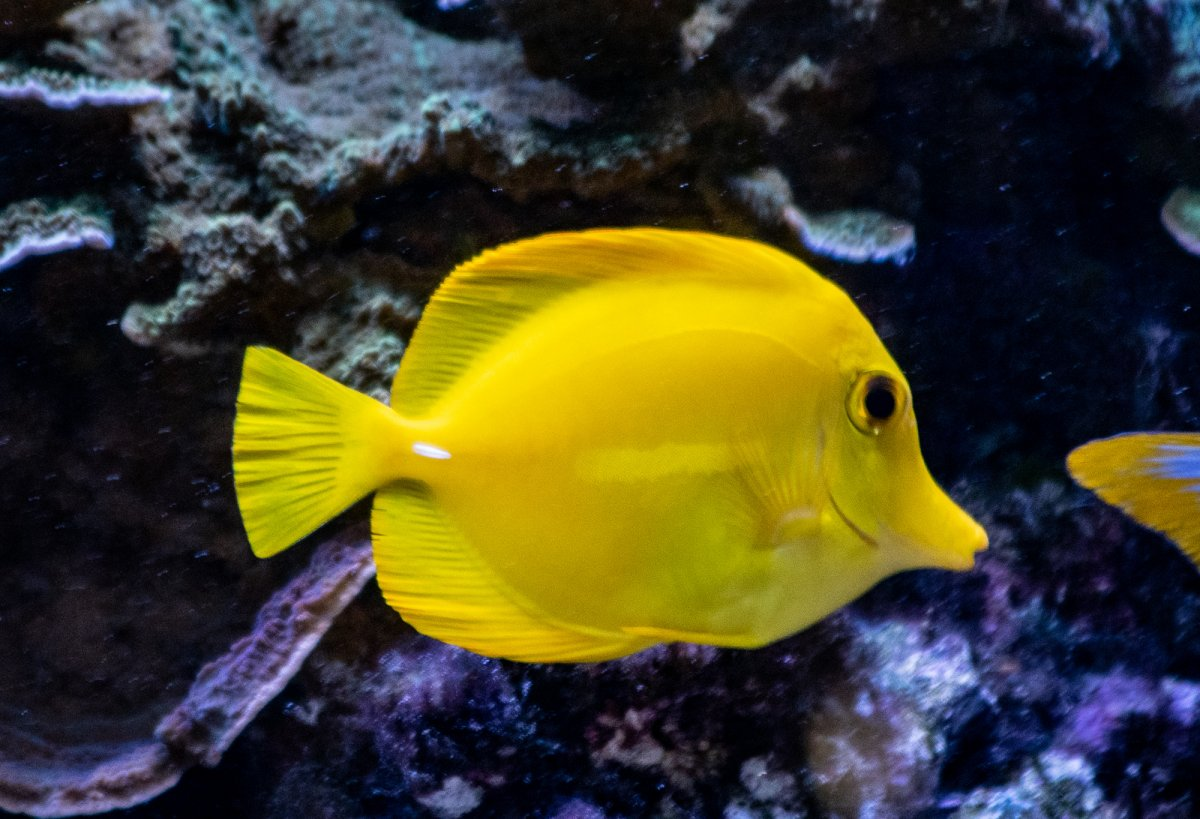
Beyond their physical appearance, the way a fish behaves is a powerful indicator of its health and well-being. Observing a fish’s activity levels, social interactions, and feeding habits can provide valuable insights into whether it is thriving or experiencing stress. A healthy fish will exhibit natural behaviors that are consistent with its species, while deviations from these norms can signal underlying issues.
Normal Activity Levels and Swimming Styles
A healthy fish typically displays consistent energy and movement appropriate for its species. This can range from active, darting movements in schooling fish to more leisurely glides in larger or solitary species. Their swimming should appear effortless and controlled, with no signs of struggling or erratic motions.A thriving fish will generally exhibit the following:
- Consistent and purposeful swimming patterns, without listing or sinking.
- Smooth, coordinated fin movements that propel the fish effectively through the water.
- Appropriate exploration of its environment, showing curiosity and engagement.
- Normal resting behaviors, such as hovering in place or resting on the substrate, without appearing lethargic or distressed.
Social Interactions Among Fish
For fish that live in groups, their social dynamics are a critical barometer of their health. Positive social interactions, such as schooling, courtship rituals, and peaceful coexistence, indicate a stable and healthy environment. Conversely, aggression, isolation, or avoidance can signal stress, illness, or an imbalanced social structure.Observing social behaviors can reveal:
- Schooling Fish: Healthy schooling fish will maintain tight, coordinated groups, moving as a single unit. This indicates a sense of security and well-being within the group.
- Dominance Hierarchies: In species with established hierarchies, peaceful acknowledgment of these structures is a sign of stability. Aggressive disputes or constant bullying can suggest overcrowding or stress.
- Courtship and Mating: Natural courtship displays and successful mating attempts are strong indicators of healthy individuals and a conducive environment.
- Interactions with Tank Mates: Generally peaceful coexistence with other compatible species is expected. Persistent chasing, nipping, or hiding by specific individuals can point to problems.
Typical Feeding Behaviors and Appetite
A robust appetite and enthusiastic feeding are hallmarks of a healthy fish. They should readily accept food, consume it efficiently, and show interest in meal times. A healthy fish will actively seek out food and compete for it appropriately within its social group.Key aspects of healthy feeding behavior include:
- Prompt response to food introduction, with active pursuit and consumption.
- Efficient mouth movements, indicating proper chewing and swallowing.
- No signs of regurgitation or difficulty swallowing food.
- Consistent interest in food, even if they are not constantly eating.
Abnormal Behaviors Suggesting Distress
Any significant deviation from a fish’s typical behavior warrants attention. These abnormal actions often serve as early warnings that something is amiss, whether it’s an environmental issue, illness, or stress.Examples of abnormal behaviors that may suggest distress include:
- Lethargy or extreme inactivity: A fish that is constantly hiding, resting on the bottom, or barely moving when it normally would be active.
- Erratic swimming: This can manifest as darting uncontrollably, swimming upside down, spiraling, or bumping into objects.
- Gasping at the surface: This is a critical sign of low oxygen levels or respiratory distress.
- Clamped fins: Fins held tightly against the body, often indicating stress, illness, or poor water quality.
- Loss of appetite or refusal to eat: A sudden or prolonged disinterest in food is a common sign of illness.
- Isolation or hiding: A normally social fish that constantly hides or avoids interaction with others.
- Rubbing or flashing: Fish repeatedly rubbing themselves against objects in the tank, which can be a sign of parasites or irritation.
- Rapid breathing or gill movement: Increased gill fluttering can indicate respiratory problems or stress.
Respiration and Gill Function
Observing how a fish breathes and the condition of its gills provides crucial insights into its overall health. The respiratory system is vital for oxygen uptake and waste removal, and any impairment here will quickly manifest in the fish’s appearance and behavior.The gills are the primary organs responsible for a fish’s respiration, facilitating the exchange of oxygen and carbon dioxide.
A healthy gill system is indicative of a fish that is efficiently processing its environment and meeting its metabolic needs.
Normal Breathing Rate and Pattern
A healthy fish typically exhibits a consistent and rhythmic gill movement. This pattern reflects the smooth, efficient pumping of water over the gill filaments to extract oxygen. The rate can vary depending on the species, water temperature, and activity level, but it should remain relatively stable under normal conditions. For instance, a goldfish in a cool, well-oxygenated tank might have a slower, more deliberate gill beat compared to a more active tropical fish in warmer water.
Observing Gill Movement for Signs of Health or Distress
Careful observation of gill covers, known as opercula, is essential. When a fish is healthy, the opercula will open and close in a regular, synchronized motion, usually with each gill arch on both sides moving in unison. This coordinated action ensures a steady flow of water across the gills. Signs of distress include erratic or rapid gill movements, which can indicate a lack of oxygen or irritation.
Conversely, slow or labored breathing, where the opercula are open wide and move sluggishly, suggests the fish is struggling to respire.
Healthy Gill Appearance
Healthy gills are typically a vibrant red or pink color, a hue derived from the rich blood supply within the gill filaments. The filaments themselves should appear feathery and well-defined, spread out to maximize surface area for gas exchange. There should be no signs of discoloration, such as pale or white patches, nor any abnormal growths, lesions, or excessive mucus.
The delicate structure of healthy gills is a clear indicator of their functional capacity.
Identifying Rapid or Labored Breathing
Rapid breathing is characterized by a significantly increased rate of opercular movement, often appearing as a frantic or jerky motion. This can be a response to low dissolved oxygen levels, high ammonia or nitrite concentrations, or even the presence of parasites or irritants on the gills. Labored breathing, on the other hand, involves a noticeable effort in opening and closing the opercula.
The fish may appear to be gasping at the surface, its mouth may be held open wider than usual, and the gill covers may move slowly and with visible strain. This often points to a more severe problem, such as gill disease, infection, or significant water quality issues.
Coloration and Skin Condition
The visual appeal of a fish, particularly its coloration and the integrity of its skin, offers a direct window into its overall health. Vibrant and consistent colors, along with smooth, unblemished skin, are strong indicators of a well-functioning aquatic organism. Conversely, any deviations from these norms can signal underlying stress or illness that warrants attention.The skin and scales of a fish are its first line of defense against pathogens and environmental stressors.
Observing these external features closely allows aquarists to proactively identify potential health issues before they become severe.
Vibrant and Consistent Coloration
Healthy fish typically exhibit bright, vivid colors that are consistent across their body. These colors are a result of pigments in specialized cells called chromatophores, which are influenced by genetics, diet, and environmental factors. A fish whose colors are consistently bright and true to its species’ natural appearance is generally a good sign.
Consistent and vibrant coloration is a key indicator of a fish’s well-being and proper physiological function.
Factors contributing to healthy coloration include:
- Adequate and balanced nutrition, providing essential pigments and nutrients.
- Optimal water quality, free from toxins that can dull colors or cause stress.
- Absence of disease or parasites that can impair pigment production or absorption.
- Appropriate lighting conditions that allow for natural color expression.
Color Changes Indicating Illness
Sudden or significant changes in a fish’s coloration can be an early warning sign of illness. These changes are often a response to stress, disease, or environmental imbalances.Common color changes that may signify illness include:
- Fading or dulling of colors: This can indicate stress, poor water quality, or nutritional deficiencies. For example, a normally brightly colored tetra might become pale if its tank is overcrowded or if ammonia levels are high.
- Darkening of colors: While some fish naturally darken in certain conditions, a sudden, uniform darkening across the body, especially in species that are typically brightly colored, can indicate stress or sickness. Some species, like certain cichlids, may darken significantly when stressed or ill.
- Development of discolored patches: White, black, red, or yellow spots or patches that are not part of the fish’s natural pattern can indicate parasitic infections, bacterial infections, or fungal growth. For instance, white spots might suggest Ichthyophthirius multifiliis (Ich), a common parasite.
- Loss of iridescence: The shimmering, metallic sheen on some fish can be lost when they are unwell, indicating a compromised immune system or physiological distress.
Healthy Skin and Absence of Lesions or Parasites
The skin of a healthy fish should appear smooth, intact, and free from any abnormalities. The scales should lie flat and be uniformly distributed, providing a protective barrier.A healthy fish’s skin is characterized by:
- Smooth texture: The skin should feel smooth to the touch, without any roughness, bumps, or raised areas.
- Intact scales: Scales should be present, evenly spaced, and not missing, chipped, or protruding. Missing scales can be a sign of injury or a weakened immune system.
- Clear mucus layer: A thin, uniform layer of mucus covers the skin, providing lubrication and protection. This layer should not be excessively thick, patchy, or cloudy.
- Absence of external parasites: There should be no visible signs of parasites such as flukes, worms, or protozoa clinging to the skin or fins.
- No lesions or wounds: The skin should be free from any cuts, abrasions, sores, ulcers, or inflamed areas.
Healthy Skin Texture
The texture of healthy fish skin is generally smooth and supple. It should not appear dry, flaky, or overly slimy. The scales should adhere firmly to the body.Descriptive insights into healthy skin texture include:
- Uniformity: The skin surface should be consistent in texture, without any irregularities.
- Slight slipperiness: A healthy layer of mucus can give the skin a slightly slippery feel, which is normal and protective.
- Firmness: The skin should not be loose or saggy, indicating good muscle tone and overall condition.
- Reflective quality: In many species, healthy skin will have a subtle sheen or reflectivity due to the mucus layer and the structure of the scales.
Environmental Factors and Their Impact on Fish Health
The well-being of our aquatic companions is intrinsically linked to their surrounding environment. Just as we thrive in clean and comfortable living spaces, fish require specific conditions to flourish. Understanding and maintaining these environmental factors is a cornerstone of responsible fishkeeping and a direct indicator of a healthy fish population.Water quality parameters are not merely abstract numbers; they are the fundamental building blocks of a fish’s life support system.
Deviations from optimal ranges can stress fish, compromise their immune systems, and make them susceptible to diseases. A clean environment, therefore, is not just aesthetically pleasing; it is a prerequisite for a healthy fish. This includes regular maintenance, appropriate filtration, and a balanced ecosystem within the aquarium.
Water Quality Parameters and Fish Well-being
Water quality encompasses a range of chemical and physical properties that directly affect a fish’s ability to survive and thrive. These parameters dictate oxygen availability, waste processing, and the overall stability of the aquatic environment.Key water quality parameters to monitor include:
- Temperature: Each fish species has a specific temperature range in which it is most comfortable and healthy. Fluctuations outside this range can lead to stress, reduced immune function, and increased susceptibility to diseases.
- pH: This measures the acidity or alkalinity of the water. Maintaining a stable pH within the species’ preferred range is crucial for biological processes and overall health.
- Ammonia and Nitrite: These are toxic byproducts of fish waste and decaying organic matter. A properly cycled aquarium will have beneficial bacteria that convert ammonia to nitrite, and then nitrite to less toxic nitrate. High levels of ammonia and nitrite are poisonous to fish.
- Nitrate: While less toxic than ammonia and nitrite, high nitrate levels can still be detrimental to fish health over time and can promote algae growth. Regular water changes help to keep nitrate levels in check.
- Dissolved Oxygen: Fish breathe dissolved oxygen from the water. Adequate surface agitation, proper aeration, and a healthy plant population contribute to sufficient oxygen levels. Low oxygen can cause fish to gasp at the surface.
The Link Between a Clean Environment and a Healthy Fish
A clean aquarium or pond is synonymous with a healthy aquatic environment. The absence of excessive waste, algae blooms, and debris directly contributes to the well-being of its inhabitants. This cleanliness is achieved through a combination of effective filtration, regular maintenance, and appropriate stocking.
“A clean tank is a happy tank.”
This adage holds true as it reflects the direct correlation between environmental hygiene and fish health. When waste products are efficiently removed and the water is clear, fish are less exposed to harmful toxins and pathogens, allowing their immune systems to function optimally.
Appropriate Tank Size and Stocking Density
The physical space provided for fish and the number of individuals housed within that space are critical determinants of their health. Overcrowding leads to increased waste production, rapid depletion of oxygen, and heightened stress levels.The importance of appropriate tank size and stocking density can be understood through the following points:
- Space for Movement: Fish need adequate space to swim, explore, and exhibit natural behaviors. Confined spaces can lead to stunted growth and aggression.
- Waste Dilution: Larger water volumes dilute waste products more effectively, making it easier for filtration systems to manage.
- Oxygen Availability: More water means a larger reservoir of dissolved oxygen, which is vital for respiration, especially in densely populated tanks.
- Stress Reduction: Overcrowding is a significant source of stress, which weakens a fish’s immune system and makes it prone to illness.
A general guideline for stocking density is to research the adult size and activity level of each species. For example, a single betta might require a minimum of 5 gallons, while a school of small tetras might need a 20-gallon tank to thrive.
Examples of Environmental Imbalances Leading to Illness
Environmental imbalances are often the silent culprits behind fish ailments. When conditions deviate significantly from the ideal, fish are put under stress, making them vulnerable.Common environmental imbalances and their consequences include:
- Sudden Temperature Fluctuations: A rapid drop or rise in temperature, perhaps due to a faulty heater or a power outage, can shock fish, leading to symptoms like clamped fins, lethargy, and increased susceptibility to fungal or bacterial infections. For instance, a tropical fish suddenly exposed to cold water might develop white spot disease (Ich).
- Accumulation of Ammonia: This can occur in a new aquarium that hasn’t completed its nitrogen cycle, or if overfeeding leads to more waste than the biological filter can process. Ammonia burns the fish’s gills and skin, causing respiratory distress and visible lesions.
- Algae Blooms: While some algae are beneficial, excessive blooms, often caused by too much light and excess nutrients (like nitrates and phosphates), can deplete oxygen levels at night, leading to fish gasping for air. They can also indicate underlying water quality issues.
- Lack of Aeration: In heavily stocked tanks or during warm weather, insufficient surface movement or aeration can lead to dangerously low dissolved oxygen levels. Fish will congregate at the surface, breathing heavily, a clear sign of distress.
Common Signs of Unhealthy Fish
While observing your fish’s vibrant health is rewarding, recognizing the early indicators of illness is crucial for timely intervention. Just as we can feel unwell, fish exhibit specific changes in their appearance and behavior that signal distress. Understanding these signs allows you to act proactively, potentially saving your aquatic companions from serious health issues.This section will delve into the common physical and behavioral manifestations of sickness in fish.
By familiarizing yourself with these symptoms, you can become a more observant and effective caretaker for your aquarium inhabitants.
External Physical Signs of Illness
Visible changes on a fish’s body are often the first clues that something is amiss. These can range from subtle alterations to dramatic lesions, each pointing towards a potential health problem.
Key external indicators to monitor include:
- Lethargy and Hiding: A normally active fish that suddenly becomes listless, stays at the bottom of the tank, or hides excessively is a significant concern.
- Loss of Appetite: Refusal to eat, even preferred foods, is a common symptom across many fish diseases.
- Clamped Fins: Healthy fish typically hold their fins outstretched. Clamped fins, held close to the body, suggest discomfort, stress, or illness.
- Rapid Breathing or Gasping at the Surface: This often indicates poor water quality, specifically low oxygen levels, or respiratory distress due to gill problems.
- Rubbing or “Flashing”: Fish may rub themselves against tank decorations or substrate, a behavior known as flashing, which can be an attempt to dislodge parasites or irritants.
- Swollen Abdomen: A distended belly can be a sign of internal issues such as dropsy, constipation, or tumors.
- Abnormal Swim Patterns: Swimming erratically, spiraling, listing to one side, or having difficulty maintaining buoyancy are all concerning signs.
- Eye Appearance: Bulging eyes (exophthalmia), cloudy or milky eyes, or sunken eyes can indicate infection or internal problems.
- Skin Lesions and Ulcers: Red spots, white patches, fuzzy growths, sores, or open wounds on the skin are clear signs of infection or injury.
- White Spots or “Salt” Grains: Small, distinct white spots, resembling grains of salt, are a classic symptom of Ichthyophthirius multifiliis, commonly known as Ich or white spot disease.
- Fuzzy or Cottony Growths: These can indicate fungal infections, often appearing on the fins, mouth, or body.
Behavioral Changes in Sick Fish
Beyond physical appearances, a fish’s behavior can provide invaluable insights into its well-being. A departure from its usual routine is a strong signal that warrants further investigation.
Observe for these common behavioral deviations:
- Reduced Activity Levels: A noticeable decrease in swimming and exploration compared to its normal behavior.
- Isolation: Sick fish often separate themselves from the school or other tank mates.
- Aggression or Unusual Social Interactions: While less common, some illnesses can lead to uncharacteristic aggression or unusual interactions with other fish.
- Loss of Schooling Instinct: In social species, a fish that no longer schools with its companions may be unwell.
- Erratic Swimming: This can manifest as darting, shaking, or a general lack of coordination.
- Constant Resting: Spending an excessive amount of time resting on the substrate or tank decorations.
Symptoms Related to Common Ailments
Certain diseases present with very specific and recognizable symptoms, allowing for quicker diagnosis and treatment. Understanding these common ailments is key to effective fish healthcare.
Fin Rot
Fin rot is a bacterial infection that causes the fins to deteriorate, appearing frayed, ragged, or even completely eroded.
- Appearance: The edges of the fins become white, opaque, or develop dark spots. Over time, the fin rays may become visible as the membrane between them breaks down.
- Behavior: Fish may clamp their fins and exhibit lethargy.
Ich (White Spot Disease)
Caused by a parasite, Ich is characterized by the appearance of small white spots on the fish’s body and fins.
- Appearance: Tiny white dots resembling grains of salt scattered across the fish. These are actually the parasitic cysts.
- Behavior: Fish will often rub against surfaces to try and dislodge the parasites, appear distressed, and may gasp for air if gill involvement occurs.
Fungal Infections
Fungal infections often manifest as fuzzy or cottony growths on the fish.
- Appearance: White, grey, or greenish fuzzy patches, often on the fins, mouth, or body.
- Behavior: Fish may appear lethargic and may try to rub against objects.
Bacterial Infections (e.g., Septicemia, Columnaris)
These can present with a variety of symptoms, often involving lesions, redness, and a general decline in health.
- Appearance: Red streaks or patches on the body and fins, open sores, ulcers, and a slimy coating. Columnaris can appear as a white or yellowish film, particularly around the mouth and gills, resembling cotton.
- Behavior: Lethargy, loss of appetite, rapid breathing, and sometimes erratic swimming.
Parasitic Infestations (e.g., Velvet, Flukes)
Velvet (Oodinium) appears as a fine, dusty gold or rust-colored coating, while flukes can cause irritation and mucus production.
- Appearance: Velvet gives the fish a dull, dusty appearance. Flukes may not be visible to the naked eye but can cause irritation, leading to redness and excessive mucus.
- Behavior: Fish with velvet often gasp at the surface. Both can cause flashing and lethargy.
Descriptive Characteristics of Common Fish Diseases
Understanding the specific visual and behavioral cues associated with prevalent fish diseases can significantly aid in accurate diagnosis.
| Disease | Primary Symptoms | Typical Appearance | Behavioral Indicators |
|---|---|---|---|
| Ichthyophthirius multifiliis (Ich) | White spots on body and fins, itching/flashing, rapid breathing | Small, discrete white spots (1mm) that look like salt grains. | Rubbing against objects, gasping at the surface, lethargy. |
| Fungal Infections (e.g., Saprolegnia) | Fuzzy or cotton-like growths | White, grey, or greenish fuzzy patches on fins, mouth, or body. | Lethargy, clamped fins, sometimes flashing. |
| Bacterial Fin Rot | Deterioration of fins | Frayed, ragged edges of fins; white or dark tips; fins may recede to the body. | Clamped fins, lethargy, reduced appetite. |
| Bacterial Infections (e.g., Aeromonas, Pseudomonas) | Lesions, redness, ulcers, dropsy | Red streaks, sores, open wounds, swollen abdomen with scales protruding (dropsy). | Lethargy, loss of appetite, erratic swimming, buoyancy issues. |
| Oodinium (Velvet Disease) | Fine, dusty coating on skin | A fine, powdery, yellowish or rust-colored coating that dulls the fish’s natural color. | Gasping at the surface, flashing, lethargy, clamped fins. |
| Ammonia/Nitrite Poisoning | Gill damage, rapid breathing, lethargy | Reddened or inflamed gills, sometimes mucus build-up on gills. | Gasping at the surface, erratic swimming, lethargy, clamped fins. |
| Bloat/Dropsy | Swollen abdomen, protruding scales | Abdomen becomes significantly distended, scales may lift and stick out like a pinecone. | Severe lethargy, buoyancy problems, loss of appetite. |
Differentiating Between Normal and Abnormal Fish Behavior
Observing your fish’s actions is a critical component of assessing their health. While some behaviors are innate and indicative of a thriving environment, others can signal distress or illness. Understanding these nuances allows for timely intervention and the maintenance of a healthy aquatic ecosystem.
Fish exhibit a wide range of behaviors, many of which are species-specific and influenced by their natural environment. Recognizing what is typical for your particular fish is the first step in identifying deviations that may warrant concern.
Schooling and Solitary Behaviors Versus Stress Responses
Many fish species are naturally inclined to school or remain solitary. These inherent behaviors are often indicators of their comfort and security within their environment. When these patterns change drastically, it can be a sign of stress.
For schooling fish, maintaining tight groups is a sign of security. If individuals start to break away, swim erratically within the school, or appear isolated, it could indicate they feel threatened or are unwell. Solitary fish, on the other hand, may become unusually reclusive or, conversely, overly aggressive when stressed. A healthy solitary fish typically maintains its territory without excessive agitation.
Changes in Swimming Depth as Health Indicators
A fish’s preferred swimming depth is often dictated by its natural habitat and its current physiological state. Abrupt or persistent changes in where a fish spends its time in the water column can be significant.
Fish that normally inhabit the mid-water column but suddenly start staying at the surface may be experiencing issues with respiration, such as a lack of oxygen or gill problems. Conversely, fish that remain near the substrate or bottom, especially if they were previously active swimmers, might be experiencing lethargy, weakness, or internal discomfort. Some fish may also swim unnaturally high in the water, gasping for air, which is a clear sign of distress related to water quality or gill function.
Distinguishing Normal Resting from Lethargic Behavior
Most fish require periods of rest, but the nature of this rest can be easily mistaken for a sign of illness. It is important to differentiate between a natural resting state and true lethargy.
Normal resting often involves the fish finding a preferred spot, perhaps near a plant or decoration, and remaining still with occasional fin movements to maintain balance. They may appear somewhat subdued but are still responsive to their surroundings. Lethargy, however, is characterized by a marked lack of energy. A lethargic fish will appear weak, may struggle to swim, and often drifts listlessly.
They may also sink to the bottom and show little to no reaction to external stimuli, such as approaching food or movement outside the tank.
Structured Comparison of Healthy vs. Unhealthy Activity Patterns
A clear comparison of typical behaviors can help in quickly identifying potential problems. The following table Artikels key differences in activity patterns that can signal a fish’s health status.
| Healthy Behavior | Potential Unhealthy Behavior | Description |
|---|---|---|
| Active swimming, exploring, interacting with tank mates | Hiding excessively, constant darting, erratic swimming, or complete stillness | General activity levels and movement patterns |
| Enthusiastic feeding, readily accepting food | Loss of appetite, spitting food out, or ignoring food entirely | Feeding response and interest in food |
| Natural resting, often in preferred locations, responsive to stimuli | Lethargy, sinking to the bottom, inability to maintain buoyancy, or constant gasping at the surface | Resting and energy levels |
| Normal social interactions (schooling, territorial displays) | Aggression beyond normal territoriality, extreme shyness, or isolation from the group | Social and territorial behavior |
Observing Fish in Different Tank Environments
Understanding the health of your aquatic companions requires adapting your observation techniques to the specific environment they inhabit. Each tank setup, from bustling community aquariums to specialized enclosures, presents unique challenges and indicators of well-being. This section will guide you through recognizing healthy fish across these diverse settings.When observing fish, it is crucial to consider the social dynamics and species-specific needs of the tank.
A solitary fish will exhibit different signs of health than one living in a large group, and young fish require a different approach to assessment than mature specimens.
Community Tank Health Assessment
Assessing fish health in a community tank involves observing a broader range of behaviors and interactions. The presence of multiple species, each with its own temperament and needs, adds layers of complexity to health monitoring. A healthy community tank will showcase a harmonious coexistence where fish of different species interact without undue stress or aggression, indicating that environmental conditions are suitable for all inhabitants.Key indicators in a community tank include:
- Social Integration: Observe how fish interact with each other. Healthy fish will generally coexist peacefully, with minimal aggression or nipping. Dominant fish may display territorial behavior, but this should not result in persistent harassment of weaker individuals.
- Group Dynamics: For schooling or shoaling species, a healthy sign is their tendency to stay together in cohesive groups. A lone member separated from its school for extended periods might indicate illness or stress.
- Feeding Frenzy: In a community setting, a healthy sign is the enthusiastic participation of most fish in feeding. While some species may be naturally more reserved, a complete lack of interest from a fish that normally feeds readily is a cause for concern.
- Shared Space Utilization: Healthy fish will utilize all available swimming spaces within the tank, from the substrate to the water surface. Fish congregating excessively in one area, especially near the surface or bottom, could signal poor water quality or respiratory distress.
Solitary Fish Species Indicators
Solitary fish, by their nature, do not have the social cues of group-dwelling species to rely on for health assessment. Therefore, observation must focus more intensely on individual physical condition and behavior. Their well-being is often more directly tied to the stability of their immediate environment and their personal physical state.For solitary species, pay close attention to:
- Individual Activity Levels: A healthy solitary fish will display consistent and appropriate activity for its species. This could range from active patrolling of its territory to periods of rest, but should not involve lethargy or frantic, aimless swimming.
- Territorial Defense: Many solitary fish are territorial. A healthy specimen will exhibit normal territorial displays, such as posturing or chasing intruders, without becoming overly aggressive or showing signs of fear and hiding.
- Independent Feeding: Solitary fish should readily accept food and consume it with vigor. A refusal to eat or a significant decrease in appetite is a primary indicator of potential health issues.
- Physical Appearance: Given the lack of social interaction to observe, the physical condition of solitary fish becomes paramount. Any unusual spots, fin rot, bloating, or paleness should be investigated promptly.
Fry and Juvenile Fish Health
Observing fry and juvenile fish requires a keen eye for subtle changes, as their systems are still developing and they are more vulnerable to environmental shifts and diseases. Their health is often a sensitive barometer of the overall tank environment.When monitoring young fish, consider the following:
- Growth Rate: A consistent and healthy growth rate is a primary indicator of well-being. Stunted growth or a lack of development compared to siblings can suggest nutritional deficiencies or underlying health problems.
- Schooling/Social Behavior (if applicable): For species that will eventually school, observe if fry are beginning to exhibit these behaviors. Lack of cohesion in shoaling species can indicate stress or illness.
- Respiration: Young fish can be particularly susceptible to poor water quality. Observe their breathing rate; rapid or labored breathing is a significant warning sign.
- Coloration and Fin Development: While young fish may not have the full adult coloration, their colors should be vibrant for their age. Healthy fry will also have clear, undamaged fins that are developing properly.
- Reaction to Food: Fry and juveniles have specific dietary needs. Their eagerness to feed on appropriately sized food is a strong indicator of their health and the suitability of their diet.
Recognizing Health in Fish of Varying Ages
Fish health indicators can change as fish mature through different life stages. What might be considered normal behavior or appearance in a juvenile may be a sign of illness in an adult, and vice versa. Understanding these age-related nuances is essential for accurate health assessments.Here are key considerations for different age groups:
- Juveniles: As discussed, focus on growth, activity, and the development of species-specific social or solitary behaviors. Their coloration may be less intense than adults, but should be consistent and free from lesions.
- Adults: Adult fish should exhibit stable behaviors, maintain good coloration, and have healthy finnage. Signs of aging in healthy adults might include slightly slower metabolism or a more settled demeanor, but not lethargy or illness.
- Seniors: Older fish may show signs of age, such as a duller coloration, slightly reduced activity, or a slower response time. However, these changes should be gradual and not indicative of disease. Look for the absence of common illness signs like fin rot, unusual growths, or labored breathing. A decline in appetite or sudden weight loss in older fish is a more serious concern.
- Reproductive Stages: During breeding periods, fish may exhibit altered behaviors, such as increased territoriality, courtship displays, or changes in feeding habits. It is important to differentiate these natural, temporary changes from signs of illness. For example, a female fish may appear slightly fuller-bodied before laying eggs, which is normal, but significant bloating without other context could be problematic.
Proactive Measures for Maintaining Fish Health
Maintaining a thriving aquatic environment goes beyond simply reacting to problems. Proactive measures are crucial for preventing illness and ensuring your fish live long, healthy lives. This involves consistent observation, diligent maintenance, and careful introduction of new inhabitants. By implementing these strategies, you create a stable and supportive ecosystem for your aquatic pets.The foundation of proactive fish health management lies in consistent and observant monitoring.
Your fish are constantly communicating their well-being through their actions and appearance. Developing a routine of observing them allows for the early detection of subtle changes that might indicate the onset of health issues, often before they become serious. This keen observation is your first line of defense.
Regular Observation for Early Detection
Regular observation is the cornerstone of proactive fish health. By making it a habit to spend a few moments each day observing your fish, you can identify deviations from their normal behavior or appearance. These subtle cues, when noticed early, can prevent minor issues from escalating into significant health problems. It’s about understanding what “normal” looks like for your specific fish and tank inhabitants.
Water Changes and Maintenance Best Practices
Consistent and proper water changes are vital for removing accumulated waste products and replenishing essential minerals. Neglecting this can lead to elevated levels of ammonia, nitrite, and nitrate, all of which are detrimental to fish health. Adhering to a schedule and performing these tasks correctly will significantly contribute to a stable and healthy aquatic environment.
“Regular water changes are not just about cleaning; they are about maintaining the delicate chemical balance of your aquarium.”
The frequency and percentage of water to be changed depend on several factors, including tank size, stocking density, and filtration capacity. A general guideline for most freshwater aquariums is a 20-25% water change weekly. Always use dechlorinated water that is temperature-matched to the aquarium to avoid shocking your fish. Siphoning the substrate during water changes helps remove detritus and uneaten food, further contributing to water quality.
Quarantine of New Fish
Introducing new fish into an established aquarium without proper precautions can be a recipe for disaster. New arrivals may carry diseases or parasites that can quickly spread to your existing fish population. A quarantine period allows you to observe and treat any potential issues in a separate, controlled environment before introducing them to the main tank. This practice is one of the most effective ways to prevent disease outbreaks.The quarantine period typically lasts for 4 to 6 weeks.
During this time, the new fish are housed in a separate, fully cycled aquarium with appropriate water parameters and filtration. Observe them closely for any signs of illness, such as lethargy, loss of appetite, spots, fin rot, or abnormal swimming. If any issues arise, they can be treated in the quarantine tank without risking the health of your established community.
Daily and Weekly Health Check Checklist
Establishing a routine checklist for health checks ensures that no critical aspects of your fish’s well-being are overlooked. These checks are designed to be efficient yet thorough, covering the most important indicators of health. By dedicating specific times for these observations and tasks, you can maintain a consistently healthy environment.To facilitate consistent monitoring, a structured checklist is highly beneficial. This helps ensure that all essential aspects of fish health and aquarium maintenance are addressed regularly, promoting a stable and disease-free environment.
- Daily Checks: These quick observations are your first line of defense against developing problems.
- Observe Swimming: Look for normal, active swimming patterns. Are they darting, exploring, or resting appropriately? Any unusual buoyancy, listing to one side, or frantic swimming warrants attention.
- Observe Feeding: Ensure all fish are actively seeking and consuming food. A sudden loss of appetite or reluctance to feed can be an early sign of illness.
- Observe General Appearance: Check for any visible changes such as spots, lesions, torn fins, cloudy eyes, or abnormal growths. Ensure their coloration is vibrant and consistent with their species.
- Weekly Checks: These more in-depth checks address the environmental factors that directly impact fish health.
- Test Water Parameters: Regularly test for ammonia, nitrite, nitrate, and pH. Consistent readings within the appropriate ranges are crucial for a healthy aquarium. Use reliable test kits and record the results.
- Check Equipment: Ensure all filters, heaters, and air pumps are functioning correctly. Verify that the heater is maintaining the correct temperature and that the filter is providing adequate water flow and aeration.
- Clean Substrate: Siphon detritus and uneaten food from the gravel or sand substrate. This removes organic waste that can decompose and negatively impact water quality.
Ending Remarks
In conclusion, by diligently observing your fish’s appearance, behavior, and environment, you are empowered to become a proactive and informed guardian of their health. This comprehensive understanding allows for early detection of issues and ensures your aquatic pets continue to bring joy and tranquility to your home.