Embarking on the journey of raising fish fry can be an incredibly rewarding experience, transforming tiny eggs into vibrant, healthy fish. This comprehensive guide is designed to equip you with the essential knowledge and practical steps needed to ensure the successful survival and development of your young aquatic charges.
We will delve into the critical environmental factors that dictate fry survival, explore the nuances of selecting the perfect food at each developmental stage, and Artikel the setup of an optimal nursery tank. Furthermore, we will address common challenges and their effective solutions, guide you through the transition to adult diets, and emphasize the importance of diligent water changes and maintenance.
Finally, we will touch upon species-specific considerations to tailor your approach for the best possible outcomes.
Understanding Fry Needs
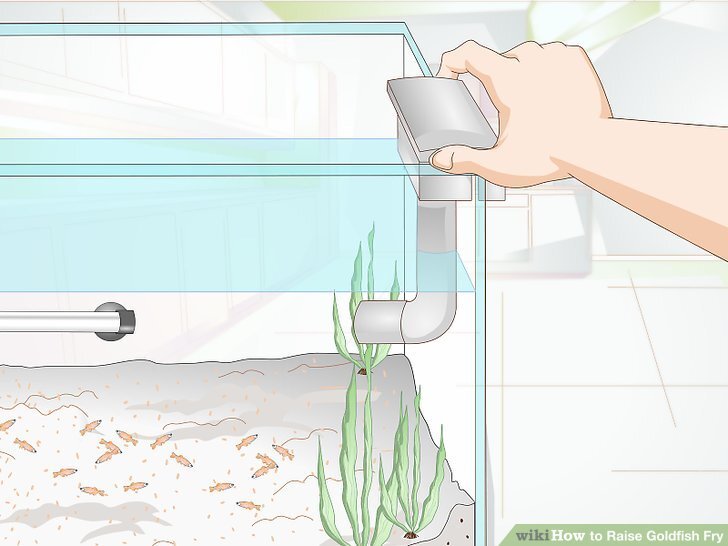
Successfully raising fish fry is a delicate yet rewarding process that hinges on meticulously meeting their specific environmental requirements. Newly hatched fish are incredibly vulnerable and possess different needs than adult fish, making their survival dependent on precise care. Understanding these fundamental needs is the cornerstone of successful fry rearing.The initial stages of a fish’s life are characterized by rapid growth and development, demanding a stable and nurturing environment.
Factors such as water chemistry, temperature, and oxygen levels play a crucial role in their survival rates and overall health. Neglecting any of these elements can quickly lead to stress, disease, and ultimately, mortality.
Critical Environmental Factors for Fry Survival
Newly hatched fish fry require a highly controlled environment to thrive. Their small size and undeveloped physiological systems make them susceptible to even minor fluctuations in their surroundings. Ensuring the right conditions from the moment they hatch is paramount.The most critical environmental factors include:
- Water Quality: Pristine water free from harmful contaminants is non-negotiable. Fry are highly sensitive to ammonia and nitrite, which can build up rapidly in their tanks.
- Temperature Stability: Maintaining a consistent and appropriate temperature range is vital for their metabolism and immune system development. Sudden temperature shifts can be fatal.
- Oxygen Levels: Adequate dissolved oxygen is essential for respiration. Fry have high metabolic rates and require a well-oxygenated environment.
- Appropriate Food Sources: Newly hatched fry have tiny mouths and specific dietary needs that must be met with appropriately sized and nutritious food.
- Reduced Stress: A calm environment with minimal disturbances and protection from predators is crucial for their well-being.
Ideal Water Parameters for Common Fry Species
Different fish species have evolved to thrive in specific aquatic environments, and their fry inherit these preferences. While general guidelines exist, understanding the nuances for common species can significantly improve success rates. It is always advisable to research the exact requirements for the specific species you are raising.Here are some general ideal water parameters for common freshwater fry species:
| Parameter | General Range for Many Freshwater Fry | Notes |
|---|---|---|
| Temperature (°C / °F) | 24-28°C / 75-82°F | This range is suitable for many tropical species like guppies, bettas, and tetras. Coldwater species will have different requirements. |
| pH | 6.5 – 7.5 | A slightly acidic to neutral pH is generally well-tolerated by most fry. Extreme pH levels can be toxic. |
| Ammonia (NH₃/NH₄⁺) | 0 ppm | Ammonia is highly toxic to fry and must be strictly maintained at zero. |
| Nitrite (NO₂⁻) | 0 ppm | Nitrite is also extremely toxic and must be kept at zero. |
| Nitrate (NO₃⁻) | Below 20 ppm, ideally below 10 ppm | While less toxic than ammonia and nitrite, high nitrate levels can still stress fry and inhibit growth. |
For example, the fry of many popular aquarium fish, such as Neon Tetras, benefit from slightly softer and more acidic water, typically in the pH range of 6.0-6.8 and temperatures around 24-26°C (75-79°F). Conversely, Goldfish fry, which are coldwater species, prefer cooler temperatures, often between 18-22°C (64-72°F), and can tolerate a slightly wider pH range.
Importance of Water Flow and Aeration for Young Fish
Adequate water flow and aeration are fundamental to providing a healthy environment for fish fry. These elements are not merely about making the water look “active”; they serve critical biological functions that directly impact fry survival and development.The primary functions of water flow and aeration include:
- Oxygen Supply: Aeration, typically achieved through air stones or sponge filters, increases the surface area of the water, facilitating the exchange of oxygen from the atmosphere into the water. Fry have high metabolic demands and require a constant supply of dissolved oxygen.
- Waste Removal: Gentle water flow helps to prevent the stagnation of water and aids in the removal of waste products, uneaten food, and decaying organic matter. This is crucial as fry tanks can quickly become fouled due to their frequent feeding and waste production.
- Nutrient Distribution: A moderate flow ensures that dissolved nutrients and oxygen are evenly distributed throughout the tank, preventing oxygen-depleted zones.
- Mimicking Natural Conditions: In their natural habitats, many fish fry experience gentle currents, which can stimulate activity and development. Replicating this with a controlled flow can be beneficial.
It is important to note that while flow is necessary, it should be gentle. Overly strong currents can exhaust and stress young fry, preventing them from feeding or resting effectively. Sponge filters are often ideal for fry tanks as they provide both gentle filtration and aeration.
Potential Risks Associated with Poor Water Quality for Fry
The consequences of poor water quality for fish fry are severe and often irreversible. Their undeveloped organs and small body size make them exceptionally vulnerable to even slight deviations from ideal conditions.The most significant risks include:
- Ammonia and Nitrite Poisoning: These compounds are byproducts of fish waste and uneaten food. Even at low concentrations, they can damage the gill tissues, impair oxygen uptake, and lead to organ failure. The symptoms can range from rapid gill movement and lethargy to sudden death. A common indicator of high ammonia is when fish gasp at the surface for air.
- Disease Outbreaks: Stressed fry with compromised immune systems are highly susceptible to bacterial, fungal, and parasitic infections. Poor water quality weakens their defenses, making them easy targets for pathogens that may already be present in the aquarium or introduced from new sources.
- Growth Stunting and Deformities: Chronic exposure to suboptimal water conditions can lead to stunted growth, developmental abnormalities, and reduced overall fitness, even if the fry survive. These issues can manifest as poor coloration, abnormal fin development, or skeletal deformities.
- Reduced Hatching Rates and Larval Survival: If water quality is poor during the egg or larval stage, hatching rates can be significantly reduced, and the survival of the newly hatched fry can be drastically compromised.
- Increased Mortality: Ultimately, the most direct and devastating risk of poor water quality is increased mortality. Fry can die rapidly and in large numbers when exposed to toxic levels of ammonia or nitrite, or when suffering from oxygen deprivation.
For instance, a common scenario in a newly set-up tank where a full water change was performed without proper cycling is the rapid accumulation of ammonia from uneaten food, leading to the death of the entire batch of fry within 24-48 hours. This highlights the critical need for a fully established nitrogen cycle and diligent water management when raising fry.
Choosing the Right Food
Providing the correct nutrition is paramount for the survival and healthy development of fish fry. Their tiny mouths and underdeveloped digestive systems necessitate specific food types that are easily digestible and rich in essential nutrients. The journey from newly hatched larvae to robust juveniles is significantly influenced by the quality and type of food offered.Understanding the dietary needs of fry at different stages is crucial.
While some fry can consume infusoria immediately after hatching, others require progressively larger and more nutritious food items as they grow. This section will guide you through the best food options to ensure your fry thrive.
Live Food Options for Fry
Live foods are often considered the gold standard for feeding fish fry due to their high nutritional value, natural movement which stimulates feeding instincts, and their inherent digestibility. The selection of live food should be tailored to the size of the fry and their developmental stage.Here is a comprehensive list of live food options suitable for different fry stages:
- Infusoria: A mixture of microscopic organisms like protozoa, rotifers, and small crustaceans. Ideal for newly hatched fry with extremely small mouths.
- Rotifers: Tiny aquatic invertebrates, excellent for very small fry. They are easily cultured and provide essential fatty acids.
- Artemia (Brine Shrimp): Nauplii (newly hatched brine shrimp) are a staple for most fry. As they grow, enriched adult brine shrimp can be offered.
- Daphnia (Water Fleas): Small crustaceans that are nutritious and readily accepted by slightly larger fry. They are a good source of protein and minerals.
- Microworms: Small nematode worms that are easy to culture and provide a good protein source for fry that have outgrown infusoria but are not yet ready for brine shrimp.
- Copepods: Tiny crustaceans that are highly nutritious and mimic natural food sources for many fry species.
- Scuds (Amphipods): Small crustaceans that are a good source of protein and can be fed to larger fry.
- Bloodworms/Mosquito Larvae (for larger fry): Once fry are large enough to handle these, they offer excellent nutrition. It is crucial to ensure they are free from parasites or pesticides.
Nutritional Content and Benefits of Specific Live Foods
Certain live foods stand out for their exceptional nutritional profiles and benefits for growing fry. Brine Shrimp (Artemia):Brine shrimp nauplii are a fantastic food source. They are rich in protein (around 50-60% dry weight) and contain essential amino acids. Crucially, they are a good source of lipids, including omega-3 and omega-6 fatty acids, which are vital for growth and development. Feeding newly hatched brine shrimp provides a readily available and highly digestible food source for most fry.
Enriched brine shrimp, which are fed a diet of phytoplankton or other nutritious substances before being fed to fry, offer even greater nutritional benefits. Daphnia:Daphnia, often referred to as “water fleas,” are also highly beneficial. They are packed with protein and contain important vitamins and minerals, including iron, calcium, and vitamin A. Their natural filtering action means they can also help clean the water column.
Daphnia are particularly good for fry that are transitioning from smaller foods to larger items, as their size and nutritional content support rapid growth.
Commercially Available Fry Foods vs. Live Food Alternatives
Commercially produced fry foods have advanced significantly, offering convenience and a balanced nutritional profile. However, they often do not replicate the full benefits of live foods.
- Commercial Foods: These include powdered foods, micro-pellets, and flake foods specifically formulated for fry. They are convenient, readily available, and often fortified with vitamins and minerals. Their consistency can be controlled, and they are generally sterile. However, they may lack the natural movement that stimulates feeding, and some fry can be finicky eaters. The nutritional integrity can also degrade over time if not stored properly.
- Live Foods: Offer superior palatability and a more natural feeding response. They provide essential enzymes, beneficial bacteria, and a dynamic nutrient profile that is difficult to replicate in dry foods. However, they require more effort to culture and maintain, and there’s a risk of introducing diseases or parasites if not sourced and handled properly.
The optimal approach often involves a combination of both live and commercial foods, especially as fry grow. Introducing high-quality commercial foods early can ease the transition to non-live diets later on.
Optimal Feeding Frequency and Quantities for Newly Hatched Fry
Newly hatched fry have high metabolic rates and very small stomachs, meaning they need to eat frequently and in small amounts.
For the first few days after hatching, fry should be fed small meals every 2-3 hours, from sunrise to sunset.
The quantity is critical; overfeeding can lead to water quality issues, while underfeeding will starve the fry. A general guideline is to feed only what the fry can consume within 5-10 minutes. Observe the fry closely; if food remains after this period, you are feeding too much. If they appear to be actively searching for food and their bellies are not rounded, you may need to increase the frequency or quantity slightly.
Feeding Schedule for the First Week of Fry Development
This schedule provides a general guideline and may need to be adjusted based on the specific species and the fry’s response.
Day 1-2 (Post-hatching):
- Food Type: Infusoria or newly hatched Rotifers.
- Frequency: Every 2-3 hours during daylight.
- Quantity: A light dusting that is consumed within 5 minutes.
Day 3-4:
- Food Type: Continue with infusoria/rotifers, gradually introduce newly hatched Brine Shrimp nauplii.
- Frequency: Every 2-3 hours during daylight.
- Quantity: Ensure fry are actively feeding on the offered food.
Day 5-7:
- Food Type: Primarily Brine Shrimp nauplii. If available and fry are large enough, introduce microworms or finely powdered commercial fry food.
- Frequency: Every 3-4 hours during daylight.
- Quantity: Adjust based on consumption within 5-10 minutes.
It is essential to remove any uneaten food after each feeding to maintain water quality. Water changes should be performed regularly, especially when feeding live foods, to prevent a buildup of waste products.
Setting Up a Nursery Tank
Establishing a dedicated nursery tank is a critical step in successfully raising fish fry. This specialized environment provides a controlled and safe space for vulnerable young fish to grow and develop, minimizing the risks they face in larger or more complex aquarium setups. A well-prepared nursery tank addresses the unique needs of fry, from water parameters to protection from potential hazards.The success of your fry-raising endeavor hinges significantly on the proper setup of their nursery tank.
This involves carefully selecting the right components, considering the specific requirements of your chosen fish species, and implementing preventative measures to ensure their safety. A thoughtful approach to nursery tank setup will greatly increase the survival rates of your young fish.
Essential Nursery Tank Components
A successful fry nursery tank requires a specific set of components designed to provide a stable, safe, and nurturing environment. Each element plays a vital role in supporting the delicate life stages of young fish.The following components are considered essential for an effective fry nursery tank:
- Tank: A suitably sized tank, as discussed in the next section, is the primary enclosure. Glass or acrylic tanks are both suitable.
- Heater: A submersible aquarium heater is crucial for maintaining a stable and appropriate water temperature, which is vital for fry metabolism and growth. The wattage should be appropriate for the tank volume.
- Thermometer: To accurately monitor the water temperature and ensure the heater is functioning correctly.
- Filtration: A gentle filtration system is necessary to maintain water quality by removing waste. This is discussed in more detail later, focusing on methods to protect fry. Sponge filters are often a preferred choice due to their low flow rate and biological filtration capabilities.
- Airstone and Air Pump: Provides essential oxygenation and gentle water movement, which helps distribute food particles and waste.
- Water Conditioner: Used to neutralize chlorine and chloramines in tap water, making it safe for aquatic life.
- Substrate (Optional): Depending on the fry species, a substrate might be necessary or beneficial.
- Hides and Cover: Small decorations or plants (live or artificial) can provide hiding places for shy fry and help reduce stress.
Tank Size and Substrate Considerations
The ideal size of a nursery tank and the choice of substrate are highly dependent on the species of fish you are raising and the number of fry. These factors directly influence water quality, feeding efficiency, and the overall well-being of the young fish.For tank size:
- Small fry species, such as guppies or endlers, may thrive in smaller tanks ranging from 5 to 10 gallons initially. This allows for easier monitoring and maintenance of water quality.
- Larger fry, or a greater number of fry, will require larger tanks, potentially 20 gallons or more, to prevent overcrowding and maintain stable water parameters as they grow.
- It is often beneficial to have a slightly larger tank than initially seems necessary to allow for growth and to reduce the frequency of water changes.
Regarding substrate:
- For many fry species, particularly those that are free-swimming from birth, a bare-bottom tank is often recommended. This makes cleaning easier and prevents food and waste from accumulating, which can quickly foul the water and pose a hazard to the fry.
- If a substrate is desired, a fine sand substrate is generally the safest option. Avoid gravel substrates, as small fry can accidentally ingest the pieces, leading to impaction.
- For species that require a specific substrate for spawning or early development, such as some livebearers that might eat their fry if there are no places to hide, a thin layer of fine sand or even artificial plant matting can be utilized.
Preventing Fry from Being Sucked into Filters
One of the most significant challenges in nursery tank setups is protecting delicate fry from being drawn into filtration systems. Standard aquarium filters, especially power filters or hang-on-back filters, can create strong currents and have openings large enough to ingest tiny fish.Several effective methods can be employed to safeguard your fry from filtration hazards:
- Sponge Pre-filters: This is a highly recommended and effective method. A coarse sponge is placed over the intake tube of a power filter or hang-on-back filter. The sponge acts as a barrier, allowing water to pass through while preventing fry from being drawn into the filter mechanism. Regular cleaning of the sponge is essential to maintain filter efficiency.
- Covering Filter Intakes: For internal filters or powerheads, consider covering the intake with a fine mesh or a piece of clean nylon stocking secured with a rubber band. This creates a physical barrier.
- Using Sponge Filters: As mentioned earlier, sponge filters are ideal for fry tanks. They provide biological and mechanical filtration with a very gentle water flow, and the sponge material itself acts as a natural barrier against fry ingestion. They are powered by an air pump, creating bubbles that draw water through the sponge.
- Lowering Water Level: In some cases, especially with hang-on-back filters, lowering the water level in the tank can reduce the suction at the intake, making it less likely for fry to be drawn in. However, this must be done carefully to ensure adequate water circulation and oxygenation.
- DIY Filter Boxes: For more advanced setups, small plastic containers with holes drilled in them can be used to house filter media, creating a contained filtration unit within the tank that prevents fry access.
It is crucial to regularly inspect your filtration setup to ensure that no gaps or openings exist that could pose a risk to the fry.
Step-by-Step Guide for Preparing and Cycling a Nursery Tank
Proper preparation and cycling of a nursery tank are paramount to ensuring a healthy environment for your fry from the moment they are introduced. Cycling establishes a beneficial bacteria colony that processes harmful ammonia and nitrite produced by fish waste.Follow these steps to prepare and cycle your nursery tank:
- Clean the Tank: Thoroughly clean the tank with hot water. Avoid using any soaps or chemical cleaners, as residues can be toxic to fish. If a stubborn spot needs cleaning, use a new aquarium sponge or cloth.
- Install Equipment: Place the heater, thermometer, and filter (e.g., sponge filter with airstone) in the tank. Ensure all electrical components are safely positioned and cords are managed.
- Add Water: Fill the tank with dechlorinated water. Use a reliable water conditioner to remove chlorine and chloramines. The water temperature should be set to the appropriate level for the intended fry species.
- Start Filtration and Heating: Turn on the filter and heater. Ensure the filter is running and producing gentle water flow, and the heater is maintaining the desired temperature.
- Begin the Cycling Process: This is the most critical step. There are two primary methods for cycling:
- Fishless Cycling (Recommended): Add a source of ammonia to the tank. This can be pure ammonia solution (available at hardware stores, ensure it’s free of surfactants and perfumes) or a small piece of fish food that will decompose. Aim for an initial ammonia reading of 2-4 ppm.
- Fish-In Cycling (Less Recommended for Fry Tanks): This involves adding a few hardy adult fish to the tank to produce ammonia. However, this method is generally not recommended for a fry nursery tank due to the stress it can place on the fry and the risk of ammonia spikes.
Monitor the water parameters daily using an aquarium test kit. You will observe ammonia levels rise, then nitrite levels will begin to rise as ammonia starts to decrease. Finally, nitrate levels will increase as nitrite is converted.
- Complete the Cycle: The tank is considered cycled when it can process 2-4 ppm of ammonia into nitrates within 24 hours, meaning both ammonia and nitrite levels consistently read 0 ppm. This process typically takes 4-8 weeks.
- Perform Water Changes: During cycling, perform small, frequent water changes (10-20%) if ammonia or nitrite levels become excessively high (above 4 ppm), to protect the developing bacteria colony while keeping toxic levels down.
- Final Preparations: Once cycled, perform a final water change to bring nitrate levels down to acceptable levels (below 20 ppm). Ensure the water temperature is stable and the filter is running gently.
Safely Introducing Fry into Their New Environment
Introducing fry into their newly prepared and cycled nursery tank requires a gentle and gradual approach to minimize stress and shock. Acclimation is key to ensuring their successful transition.Follow these steps for safe fry introduction:
- Prepare the Acclimation Container: Use a clean container, such as a bucket or a large bowl, to float the bag or container holding the fry.
- Float the Bag/Container: Place the bag or container in which the fry were transported into the acclimation container. Allow it to float for 15-20 minutes. This equalizes the temperature between the transport water and the nursery tank water.
- Gradual Water Exchange: After temperature acclimation, begin gradually introducing water from the nursery tank into the fry’s transport container. This can be done by:
- Dripping Method: Use an airline tube with a control valve or tie a knot in the tube to create a slow drip. Place one end in the nursery tank and the other in the fry’s container. Allow water to drip in slowly over 30-60 minutes, doubling the volume of water in the fry’s container.
- Small Ladle Method: Alternatively, use a small ladle to add small amounts of nursery tank water to the fry’s container every 5-10 minutes over the same time period.
This process gradually adjusts the fry to the water parameters (pH, hardness) of their new home.
- Careful Transfer: Once acclimation is complete, gently net the fry from their original container and release them into the nursery tank. Avoid pouring the transport water into the nursery tank, as it may contain unwanted organisms or medications.
- Observe: After introduction, observe the fry for the first few hours. Look for signs of stress, such as lethargy, erratic swimming, or clamped fins. Ensure they are actively swimming and exploring their new environment.
- Initial Feeding: Wait a few hours after introduction before offering the first feeding to allow the fry to settle in.
The goal is to make the transition as seamless as possible, ensuring the fry are not subjected to sudden changes in temperature or water chemistry.
Common Challenges and Solutions
Raising fish fry is a rewarding experience, but it can also present unique challenges. Understanding these potential issues and knowing how to address them proactively will significantly increase your chances of success. This section will guide you through common problems encountered when raising young fish and provide practical solutions to overcome them.The health and survival of fish fry are delicate and susceptible to various environmental and biological factors.
By being vigilant and prepared, you can mitigate risks and ensure a thriving population.
Identifying Common Diseases and Health Issues in Fish Fry
Fish fry are particularly vulnerable to diseases due to their underdeveloped immune systems and small size. Early detection is crucial for effective treatment. Common ailments manifest in various ways, affecting appearance, behavior, and overall vitality.Some of the most frequently observed diseases and health issues include:
- Ich (White Spot Disease): Characterized by tiny white spots resembling grains of salt on the body and fins. It is caused by a parasitic protozoan.
- Fin Rot: Appears as frayed, ragged, or receding fins. Bacterial infections are the primary cause.
- Fungal Infections: Often seen as cottony or fuzzy patches on the body, fins, or eyes. These thrive in poor water quality and stressful conditions.
- Ammonia and Nitrite Poisoning: These toxic compounds, byproducts of fish waste and uneaten food, can cause gill damage, lethargy, and gasping at the surface.
- Nutritional Deficiencies: Improper or insufficient feeding can lead to stunted growth, deformities, and weakened immune systems.
- Swim Bladder Disorder: Fry may appear to float uncontrollably, sink to the bottom, or swim erratically due to issues with their swim bladder, often linked to diet or genetics.
Preventative Measures for Maintaining Fry Health and Reducing Stress
The best approach to managing fish fry health is through robust preventative care. By maintaining optimal environmental conditions and minimizing stressors, you create an environment where fry can thrive and resist disease.Key preventative strategies include:
- Water Quality Management: Regular water changes are essential to remove waste products and maintain stable parameters like temperature, pH, and ammonia/nitrite levels. Aim for consistent water parameters that match the specific needs of the species being raised.
- Appropriate Stocking Density: Overcrowding leads to increased stress, faster depletion of water quality, and easier transmission of diseases. Ensure your nursery tank is not overstocked.
- Proper Nutrition: Feed high-quality, appropriately sized food at regular intervals. Overfeeding can lead to water pollution, while underfeeding can cause malnutrition.
- Quarantine New Additions: If introducing any new fish or equipment, quarantine them separately to prevent the introduction of pathogens into your established fry tank.
- Gentle Handling: Minimize any direct handling of fry. When necessary, use soft nets or containers designed for delicate aquatic life.
- Controlled Environment: Protect the nursery tank from sudden temperature fluctuations, drafts, and direct sunlight, which can stress fry.
Troubleshooting Strategies for Poor Growth or High Mortality Rates
Encountering slow growth or high mortality rates in your fish fry can be disheartening, but these issues often have identifiable causes. A systematic approach to troubleshooting can help pinpoint the problem and implement effective solutions.When faced with poor growth or high mortality, consider the following:
- Review Water Parameters: Consistently check ammonia, nitrite, nitrate, pH, and temperature. Elevated levels of ammonia and nitrite are common culprits for high mortality.
- Assess Feeding Regimen: Are the fry receiving enough food? Is the food appropriate in size and nutritional content? Are you feeding frequently enough? Observe if food is being consumed or if it’s fouling the water.
- Examine Fry Behavior: Observe the fry for any unusual swimming patterns, lethargy, erratic movements, or lack of interest in food.
- Inspect for External Parasites or Infections: Look closely for any signs of spots, lesions, fin damage, or fungal growth.
- Consider Tank Environment: Are there any new additions to the tank? Has there been a sudden change in temperature or lighting? Is the filtration adequate and functioning properly?
Comparing Methods for Treating Common Fry Ailments
Once a specific ailment is identified, choosing the correct treatment is vital. Different diseases require different approaches, and some treatments are more suitable for delicate fry than others.Here’s a comparison of common treatment methods:
| Ailment | Treatment Methods | Considerations for Fry |
|---|---|---|
| Ich (White Spot Disease) | Medicated foods, water treatments (e.g., Malachite Green, Formalin – use with extreme caution and at reduced dosages for fry). Gradual temperature increase can also aid treatment by speeding up the parasite’s life cycle. | Fry are highly sensitive to chemicals. Always use the lowest effective dose, perform small water changes after treatment, and monitor fry closely. Consider alternative treatments like specialized Ich medications designed for sensitive species. |
| Bacterial Infections (e.g., Fin Rot) | Antibiotic medications (often in food or water), improved water quality, and reduced stress. | Ensure the antibiotic is safe for fry. Maintaining pristine water conditions is paramount as it reduces stress and supports the fry’s immune system. |
| Fungal Infections | Antifungal medications (e.g., Methylene Blue, specialized aquarium antifungals). Removing affected individuals if possible. | Methylene Blue is often used as a dip or in low concentrations in the tank. It can also stain the tank and equipment. Ensure good aeration as antifungals can sometimes affect oxygen levels. |
| Ammonia/Nitrite Poisoning | Immediate and significant water changes. Use of water conditioners that neutralize ammonia and nitrite (e.g., Prime). Ensure proper filtration and avoid overfeeding. | This is an environmental issue, not a disease. Prevention through diligent water management is key. High mortality can occur rapidly. |
Observing Fry Behavior for Early Detection of Problems
The most effective way to combat problems is to catch them early. Fish fry, despite their small size, exhibit distinct behaviors that can signal distress or illness. Developing a keen observational habit is one of your most valuable tools.Pay close attention to the following behavioral cues:
- Feeding Response: Healthy fry actively chase and consume food. Lethargy or a lack of interest in food can indicate illness, stress, or poor water quality.
- Swimming Patterns: Observe how the fry swim. Are they swimming upright and actively? Erratic swimming, darting, staying at the surface gasping, or sinking to the bottom can all be signs of trouble.
- Coloration: A change in color, such as fading or darkening beyond normal, can sometimes indicate stress or illness.
- Interaction with Tank Mates: While some species are naturally more solitary, sudden aggression or complete withdrawal can be a sign of stress or disease.
- Physical Appearance: Look for any visible changes such as clamped fins, redness, swelling, or the presence of spots or lesions.
By regularly observing your fry and understanding their normal behavior, you can quickly identify deviations that may require intervention.
Gradual Transition to Adult Food
Successfully raising fish fry involves a carefully managed transition from their specialized starter foods to juvenile and eventually adult diets. This process is crucial for their continued growth, health, and development, ensuring they can efficiently digest and benefit from larger, less nutrient-dense foods. A thoughtful weaning strategy prevents stress and dietary deficiencies, paving the way for robust adult fish.The transition from highly palatable, nutrient-rich fry foods to less specialized juvenile or adult diets requires a systematic approach.
This involves gradually increasing the size of food particles and introducing new food types, allowing the fry’s digestive systems to adapt. Careful observation is key to ensuring they are accepting the new food and not experiencing any adverse effects.
Introducing Larger Food Particles
As fry grow, their mouths and digestive systems become capable of handling larger food items. This progression in particle size is a fundamental step in their dietary development. Introducing larger particles too early can lead to starvation or digestive issues, while delaying it can stunt growth.The process of introducing larger food particles should be incremental. Start by offering a mix of their current small food and slightly larger particles.
Observe if the fry are actively consuming the larger items. Over several days, gradually increase the proportion of larger particles and decrease the smaller ones. This allows the fry to adapt to the physical size of the food and practice their feeding behaviors.
Monitoring Fry Acceptance of New Food Types
Observing how the fry interact with new food is paramount to a successful transition. Their feeding behavior provides direct insight into whether the new diet is suitable and palatable. Signs of acceptance include active pursuit and consumption of the food, while disinterest or rejection indicates a need for adjustment.Key indicators to monitor include:
- Active foraging and consumption of the new food particles.
- Good buoyancy and energetic swimming behavior after feeding.
- Absence of uneaten food remaining in the tank for extended periods.
- Clear waste, indicating proper digestion.
Conversely, signs of rejection may include:
- Fry ignoring the new food.
- Food particles remaining uneaten and decaying.
- Lethargy or signs of distress in the fry.
- Cloudy waste or signs of digestive upset.
Progression Plan for Introducing Different Food Sizes and Types
A structured progression plan ensures a smooth dietary shift, accommodating the changing needs of the growing fry. This plan typically involves a series of steps, moving from the smallest, most digestible foods to larger, more complex ones. The exact timeline and food types will vary significantly by species.Here is a general progression plan, which should be adapted based on specific species requirements:
- Initial Fry Stage (Days 1-7): Live or micro-encapsulated foods like newly hatched brine shrimp (Artemia), daphnia, or specialized fry powders with particle sizes typically ranging from 50-150 microns.
- Early Juvenile Stage (Weeks 1-3): Introduce slightly larger live foods such as enriched brine shrimp, microworms, or small daphnia. Supplement with finely crushed flake foods or small pelleted foods with particle sizes around 150-300 microns. Begin mixing a small percentage of the new food with the old.
- Mid-Juvenile Stage (Weeks 3-6): Increase the proportion of pelleted or flake foods. Gradually increase particle size to 300-600 microns. Offer more varied foods like bloodworms (frozen or live) or appropriately sized commercial juvenile pellets. Ensure a good balance between live and prepared foods.
- Late Juvenile/Pre-Adult Stage (Weeks 6+): Transition to foods with particle sizes of 600-1000 microns or larger, depending on the species’ adult food size. This stage focuses on staple juvenile or pre-adult formulations that mimic the adult diet in composition but may still be smaller in particle size.
Timeline for Transitioning to a Standard Diet
The timeline for transitioning fry to a standard adult diet is highly species-dependent and influenced by growth rates and feeding behaviors. While some small species may be ready for a juvenile diet within a few weeks, larger species or those with slower growth will require a longer transition period.For many common aquarium species like guppies or platies, the transition to a juvenile diet might begin as early as 2-3 weeks post-hatching, with a full shift to a standard flake or pellet food achievable within 6-8 weeks.
For larger species, such as cichlids or goldfish, the process can extend to several months. For example, discus fry might be on specialized diets for up to 3-4 months before fully adapting to juvenile or adult pellet formulations. It is always advisable to consult species-specific guides for precise timelines.
Water Changes and Maintenance
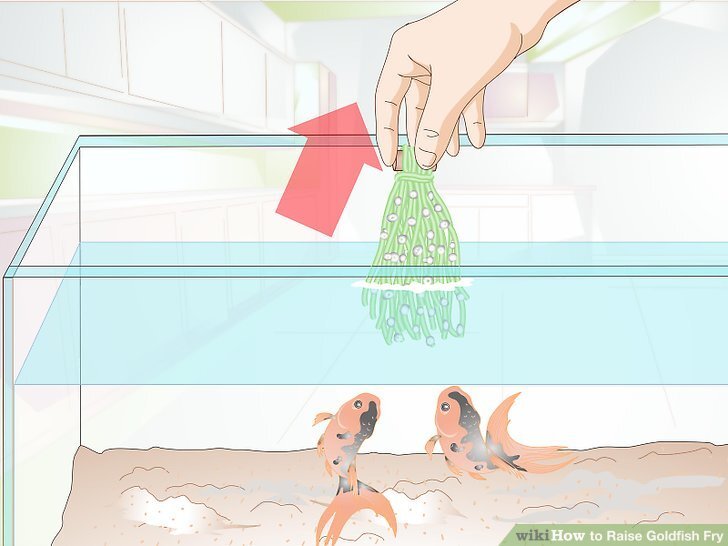
Maintaining pristine water quality is paramount for the survival and healthy development of fish fry. Their delicate systems are highly susceptible to the buildup of waste products, which can lead to stress, disease, and even mortality. Regular water changes are not just a chore; they are a critical component of a successful fry-rearing strategy, ensuring a clean and stable environment for these vulnerable young fish.
The process of performing partial water changes in a fry tank requires a gentle and methodical approach to avoid stressing or harming the tiny inhabitants. The goal is to remove accumulated waste and replenish essential parameters without causing drastic shifts in water conditions.
Partial Water Change Procedure
A successful partial water change involves careful removal of old water and the addition of fresh, conditioned water. This routine helps to dilute toxins such as ammonia and nitrites, which are byproducts of fish waste and uneaten food, and to replenish dissolved oxygen and essential minerals.
- Preparation: Prepare new water in advance. It should be dechlorinated using a reputable water conditioner and ideally matched in temperature to the tank water. A difference of more than 2-3 degrees Fahrenheit can shock the fry.
- Siphoning: Use a clean, appropriately sized siphon or airline tubing. Gently place one end into the tank, ensuring it’s not too close to the substrate where fry might be resting.
- Waste Removal: Slowly start the siphon. Carefully guide the tube over the substrate, particularly areas where uneaten food and waste tend to accumulate. Aim to remove 10-25% of the tank volume. The exact percentage will depend on stocking density and the overall health of the tank.
- Adding New Water: Once the desired amount of old water has been removed, slowly add the prepared, conditioned water back into the tank. A good method is to pour it gently against the tank glass or a decoration to minimize disturbance to the water column and the fry.
Siphoning Waste Without Disturbing Fry
Minimizing disturbance during siphoning is crucial for fry well-being. Fry are easily swept away by currents or sucked into siphons. Employing specific techniques can mitigate these risks.
- Use a very small diameter siphon tube, such as one designed for airline tubing, or a turkey baster for very small tanks.
- For larger tanks, consider using a siphon with a wider intake that has a fine mesh screen or a sponge pre-filter attached to the end. This acts as a barrier, preventing fry from being drawn in while still allowing waste to be siphoned out.
- Gently hover the siphon intake just above the substrate. Observe the water flow and adjust the siphon’s position to draw in debris without creating a strong current that could dislodge or injure fry.
- Work in small sections of the tank, moving the siphon slowly and deliberately.
Water Change Frequency
The frequency of water changes is a dynamic aspect of fry rearing, directly influenced by the size of the tank and how densely it is populated. Smaller tanks and higher stocking densities necessitate more frequent interventions to maintain water quality.
| Tank Size | Stocking Density | Recommended Water Change Frequency |
|---|---|---|
| Small (e.g., 5-10 gallons) | High | Daily or every other day (10-20%) |
| Small (e.g., 5-10 gallons) | Low | Every 2-3 days (10-20%) |
| Medium (e.g., 15-20 gallons) | High | Every other day (15-25%) |
| Medium (e.g., 15-20 gallons) | Low | Every 3-4 days (15-25%) |
| Large (e.g., 30+ gallons) | High | Every 2-3 days (20-30%) |
| Large (e.g., 30+ gallons) | Low | Every 4-5 days (20-30%) |
It is important to monitor water parameters regularly using a reliable test kit. If ammonia or nitrite levels begin to rise, increase the frequency and/or percentage of water changes immediately.
Fry Rearing System Maintenance Checklist
A consistent maintenance routine is key to preventing problems before they arise. This checklist can serve as a guide for daily and weekly tasks to ensure optimal conditions for your fish fry.
- Daily Checks:
- Observe fry for any signs of stress, disease, or unusual behavior.
- Check water temperature to ensure it is within the optimal range.
- Visually inspect for uneaten food and remove any excess promptly.
- Check that all equipment (heater, filter, air pump) is functioning correctly.
- Every Other Day (or as needed based on stocking density):
- Perform partial water changes (10-25%).
- Gently siphon visible waste from the substrate.
- Weekly Checks:
- Test water parameters (ammonia, nitrite, nitrate, pH).
- Clean the inside of the tank glass if algae buildup is significant.
- Inspect and gently clean filter media if necessary (rinse in removed tank water to preserve beneficial bacteria).
- Top off evaporated water with conditioned, temperature-matched water.
- Monthly Checks:
- Thoroughly clean the filter housing and intake tubes.
- Check and clean air stones if used.
Remember to adapt this checklist to the specific needs of your fish species and the setup of your fry rearing system.
Species-Specific Considerations
Successfully raising fish fry extends beyond general care; understanding the unique needs of different species is paramount. Each fish family and even individual species have evolved distinct breeding behaviors, dietary preferences, and environmental requirements for their young. Tailoring your approach to these specific needs significantly increases survival rates and promotes healthy development. This section delves into the particular considerations for several popular aquarium fish, highlighting their distinct fry-rearing challenges and successful techniques.
While many fry share fundamental needs like clean water and appropriate food, the nuances can make a substantial difference. For instance, some fry are free-swimming from birth, while others require extensive parental care. Their dietary needs can range from microscopic live foods to specialized powdered formulas, and their sensitivity to water parameters can vary dramatically. Recognizing and adapting to these differences is key to becoming a proficient fish breeder.
Betta Fry Specifics
Betta fry, also known as “waist-highs,” present a unique set of challenges and rewards for aquarists. Unlike many other aquarium fish, betta fry are mouthbrooders or nest builders, with the male typically taking on the primary responsibility for guarding the eggs and fry. This parental care, while beneficial, also means the fry are born in a specific environment, often a bubble nest created by the male.
Once the fry become free-swimming, usually after 24-48 hours, they require immediate feeding. Their tiny mouths necessitate very small, nutrient-rich foods. The most common and effective first foods for betta fry include:
- Infusoria: Microscopic organisms found in established, healthy aquarium water. These can be cultured separately or naturally present in a dedicated fry tank.
- Vinegar eels: Small nematode worms that are an excellent live food source for newly free-swimming fry.
- Baby brine shrimp (Artemia salina): Once the fry are a few days old and slightly larger, newly hatched brine shrimp become an ideal food. It’s crucial to feed them very frequently, as they grow rapidly and have high metabolisms.
Environmental needs for betta fry are equally critical. They thrive in warm, still water, ideally between 78-82°F (25.5-28°C). A dedicated breeding tank or a sectioned-off area of a larger tank is recommended to protect the fry from other fish and to maintain stable water parameters. Gentle filtration, such as an air-driven sponge filter, is essential to prevent fry from being sucked into the filter while still providing water circulation and oxygenation.
Water changes should be small and frequent to maintain pristine conditions without causing drastic temperature or parameter shifts.
Livebearer Fry Care: Guppies and Mollies
Livebearing fish, such as guppies, mollies, platies, and swordtails, are popular among beginner breeders due to their relatively straightforward reproduction. The female gives birth to fully formed fry, which are immediately capable of independent survival, provided they are not preyed upon by adult fish. The primary challenge with livebearers is protecting the fry from cannibalism by the adults.
To successfully raise livebearer fry, several techniques are employed:
- Separate Breeding Tank: The most effective method is to move the pregnant female to a dedicated breeding tank or a protected nursery area just before she gives birth. This prevents the fry from being eaten immediately after birth.
- Fry Savers/Nursery Boxes: These are floating plastic containers that can be placed inside the main aquarium. They often have slits that allow water to circulate but prevent adult fish from accessing the fry.
- Dense Plant Cover: If breeding occurs in a larger tank, providing ample live plants, especially floating varieties like hornwort or anacharis, can offer hiding places for the fry.
Once the fry are born, their diet should consist of finely powdered flake food, baby brine shrimp, or specialized livebearer fry foods. Like betta fry, they benefit from frequent, small feedings. Water quality is paramount, and regular small water changes are necessary. Livebearer fry generally grow at a moderate pace, with noticeable size differences appearing within a few weeks. Guppies tend to mature and become ready to breed faster than mollies, which can take a few months longer.
Specialized Care for Cichlid Fry
Cichlid fry exhibit a wide spectrum of parental care behaviors, from substrate spawners to mouthbrooders. This diversity significantly impacts their rearing requirements. For substrate-spawning cichlids, where parents guard the eggs and fry, the initial stages are often well-managed by the parents themselves. However, for successful breeding and optimal growth, supplemental feeding and controlled environments are often beneficial.
For cichlid fry, especially those that are not mouthbrooded:
- First Foods: Newly hatched brine shrimp are an excellent initial food. As they grow, they can transition to daphnia, micro worms, and finely crushed high-quality flake or pellet foods.
- Water Parameters: Many cichlid species have specific water parameter preferences, such as pH and hardness, which should be maintained consistently for fry development. Research the specific needs of your cichlid species.
- Parental Care vs. Hand-Rearing: In some cases, removing the fry from the parents and hand-rearing them can lead to higher survival rates, especially in community tanks or if the parents are inexperienced. This requires meticulous attention to feeding and water quality.
Mouthbrooding cichlids, where the female (or sometimes male) holds the eggs and then fry in her mouth, require a different approach. The parent will release the fry when they are capable of foraging. In these cases, ensuring the parent has a stress-free environment and is well-fed with nutritious food is crucial for the survival of the fry released. Specialized cichlid fry foods are often formulated to meet their specific dietary needs, which can include a higher protein content for rapid growth.
Comparative Growth Rates and Developmental Stages
The pace at which fish fry develop and grow varies considerably across different fish families. This variation is influenced by their natural habitat, evolutionary adaptations, and parental care strategies. Understanding these differences helps in setting realistic expectations and adjusting feeding and environmental conditions accordingly.
Here’s a comparison of growth rates and developmental stages for fry from different fish families:
| Fish Family | Typical First Food | Growth Rate | Developmental Stage Notes |
|---|---|---|---|
| Livebearers (e.g., Guppies, Mollies) | Powdered flake, baby brine shrimp | Moderate to Fast | Born fully developed, reach sexual maturity in 2-6 months. Rapid growth if well-fed. |
| Anabantoids (e.g., Bettas, Gouramis) | Infusoria, vinegar eels, baby brine shrimp | Moderate | Start as free-swimming larvae, require very small food. Growth can be slower initially, picking up with appropriate diet. |
| Characins (e.g., Tetras, Danios) | Infusoria, baby brine shrimp, micro worms | Moderate | Hatch as tiny fry, often with a yolk sac. Require meticulous water quality and small live foods. Development is steady. |
| Cichlids (various species) | Baby brine shrimp, daphnia, specialized fry food | Variable (Slow to Fast) | Depends heavily on species and parental care. Some grow quickly, others have prolonged larval stages. Mouthbrooders release fry when developed. |
| Catfish (e.g., Corydoras) | Baby brine shrimp, micro worms, specialized sinking foods | Slow to Moderate | Often have a yolk sac, develop slowly. Need access to food near the substrate. Water quality is critical. |
It is important to note that these are general observations. Factors such as water temperature, food quality and quantity, tank size, and genetics can all significantly impact individual growth rates. For instance, a betta fry fed a consistent diet of high-quality live foods in optimal water conditions will likely grow faster than one on a less ideal diet. Similarly, cichlid fry from species known for rapid growth, such as some African cichlids, can outpace many other fry if provided with the correct environment and nutrition.
The developmental stages can also differ; some fry might be free-swimming within a day of hatching, while others may remain attached to a surface or exhibit more complex larval behaviors for several days.
Concluding Remarks
Successfully raising fish fry is a process that combines careful observation, precise environmental control, and appropriate nutrition. By understanding the unique needs of these delicate young fish, from their initial hatching to their transition to adult diets, you can significantly increase their chances of survival and witness the remarkable development of a new generation. This guide has provided a roadmap to navigate these crucial stages, empowering you to cultivate a thriving aquatic population with confidence and success.