How to Properly Wash and Prepare Aquarium Substrate is a foundational step for any successful aquarium, often overlooked but critically important for the health and clarity of your aquatic environment. This guide will delve into the essential processes, ensuring your tank starts on the right foot, free from contaminants that could otherwise lead to cloudy water and stressed inhabitants. We will explore the nuances of different substrate types and the meticulous preparation each requires.
Understanding the variety of aquarium substrates, from basic gravel to specialized planted tank soils, is the first step in creating a thriving ecosystem. Each type possesses unique characteristics that influence plant growth, fish well-being, and overall maintenance. This preparation is not merely about aesthetics; it’s about establishing a stable and healthy foundation by removing dust, debris, and potential toxins that can negatively impact your aquarium’s delicate balance, leading to issues like ammonia spikes and pH fluctuations.
Understanding Aquarium Substrate Types
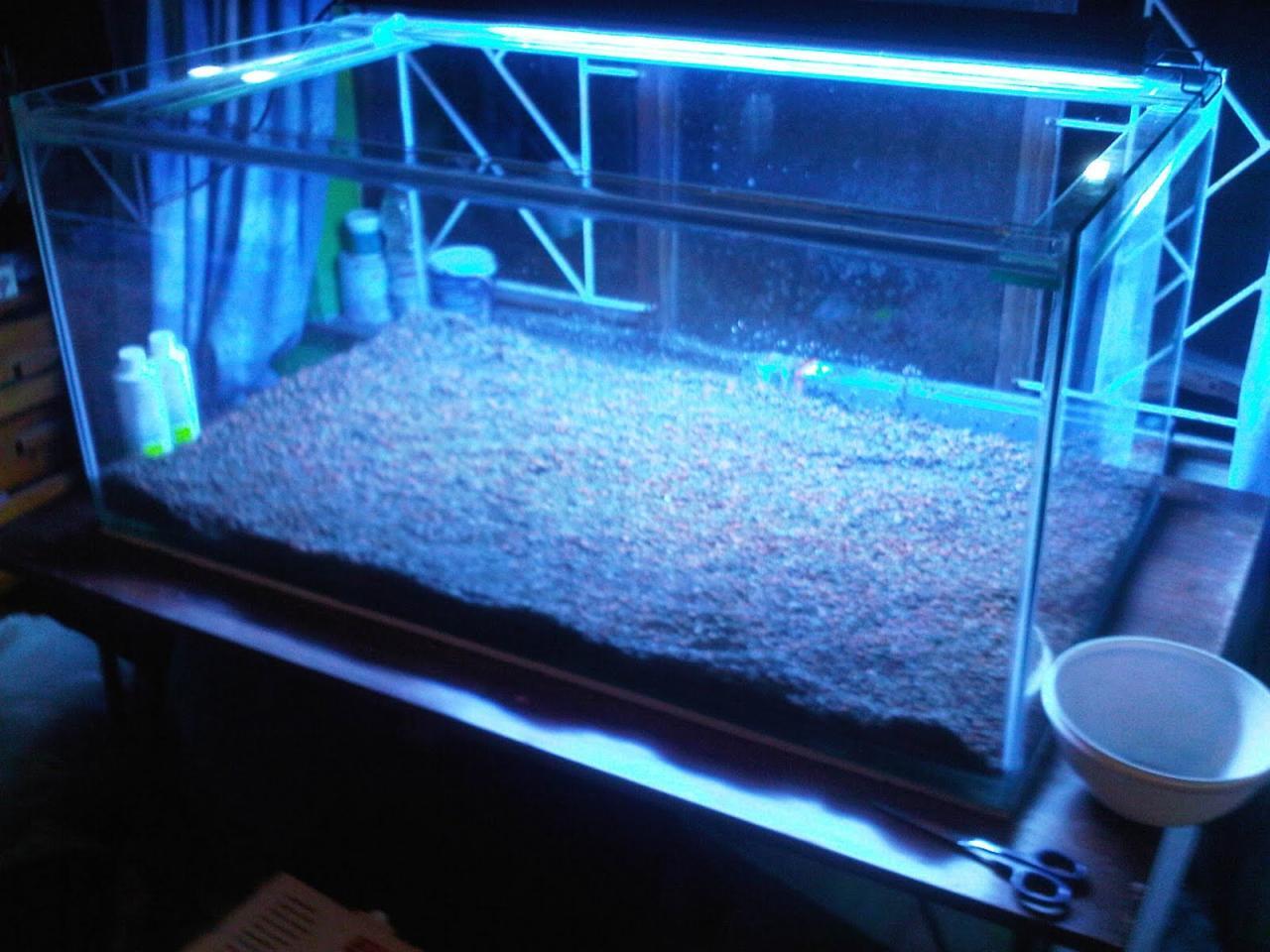
The foundation of any thriving aquarium is its substrate, the material that covers the bottom of the tank. Choosing the right substrate is crucial as it impacts water quality, plant health, and the overall aesthetic of your aquatic environment. This section will delve into the common types of aquarium substrates, their properties, and their suitability for various aquarium setups.The world of aquarium substrates is diverse, offering options to suit almost any need, from supporting lush plant growth to providing a naturalistic habitat for marine life.
Each type possesses unique characteristics that influence its functionality and the overall success of your aquarium.
Gravel
Gravel is a popular and widely available substrate, typically composed of small, rounded stones. It comes in various natural colors and sizes, from fine to coarse.
Properties and Suitability
Gravel offers good water flow and is easy to clean, making it a versatile choice. Its porous nature can also harbor beneficial bacteria, contributing to the nitrogen cycle.
- Freshwater Planted Tanks: While some plants can root in gravel, it’s generally less ideal for dense planted aquariums compared to specialized substrates that offer more nutrients and better root aeration. Coarser gravel can be used, but finer substrates are often preferred for optimal plant growth.
- Fish-Only Freshwater Tanks: Gravel is an excellent choice for fish-only tanks. It’s easy to siphon clean, preventing waste buildup, and its varied textures can provide a more natural feel for bottom-dwelling fish.
- Saltwater Reef Tanks: Aragonite-based gravel (often referred to as live sand or crushed coral) is commonly used in saltwater reef tanks. It plays a vital role in buffering pH and providing a habitat for beneficial microfauna.
Benefits and Drawbacks
- Benefits: Cost-effective, widely available, easy to clean, good for mechanical filtration (trapping debris).
- Drawbacks: Can trap detritus if not cleaned regularly, may not provide sufficient nutrients for heavily planted tanks, can be abrasive to some fish.
Sand
Sand substrates are finer than gravel and offer a more naturalistic appearance. They come in a wide array of colors and grain sizes, from fine silica sand to coarser pool filter sand.
Properties and Suitability
Sand can compact over time, potentially hindering root growth and water flow. However, certain types are specifically designed for aquarium use to mitigate these issues.
- Freshwater Planted Tanks: Fine aquarium sand, especially those formulated with nutrients or mixed with soil, can be excellent for planted tanks. It allows for easy root penetration and good aeration when maintained properly.
- Fish-Only Freshwater Tanks: Sand is a good option for many freshwater fish, particularly those that sift through substrate like Corydoras catfish. It provides a softer substrate for their barbels.
- Saltwater Reef Tanks: Live sand, rich in beneficial bacteria and microfauna, is a cornerstone of many reef aquariums. It plays a critical role in nutrient cycling and maintaining a healthy ecosystem.
Benefits and Drawbacks
- Benefits: Natural appearance, suitable for bottom-dwelling fish, can support beneficial bacteria, aesthetic appeal.
- Drawbacks: Can compact, potentially leading to anaerobic pockets if not disturbed, can be difficult to clean with a standard gravel vacuum if too fine, can cloud the water if disturbed excessively.
Specialized Planted Tank Substrates
These substrates are specifically engineered to provide optimal conditions for aquatic plants. They often contain a blend of organic materials, minerals, and nutrients essential for robust plant growth.
Properties and Suitability
These substrates are typically nutrient-rich and porous, promoting healthy root development and providing essential elements for plant nutrition.
- Freshwater Planted Tanks: These are the premier choice for heavily planted aquariums. They offer superior nutrient availability and root support compared to inert substrates.
- Fish-Only Freshwater Tanks: Generally not recommended for fish-only tanks as they can be overly rich and lead to algae blooms if not properly managed.
- Saltwater Reef Tanks: Not applicable, as these are designed for freshwater plant growth.
Benefits and Drawbacks
- Benefits: Excellent for plant growth, provides essential nutrients, promotes healthy root systems, can improve water clarity by absorbing excess nutrients.
- Drawbacks: Can be more expensive than gravel or sand, may require specific maintenance practices, can be messy to handle during setup.
Comparative Overview: Natural vs. Inert Substrates
The choice between natural and inert substrates significantly impacts the aquarium’s ecosystem.
Natural Substrates
Natural substrates include materials like gravel, sand, and specialized planted tank substrates derived from natural sources.
- Benefits: Can contribute to the aquarium’s ecosystem by providing hiding places for beneficial organisms, buffering water parameters (like aragonite in saltwater), and offering nutrients for plants.
- Drawbacks: Can leach minerals or nutrients, potentially altering water chemistry. Some natural substrates may require rinsing or pre-treatment.
Inert Substrates
Inert substrates, such as glass beads or certain types of plastic, do not react with the aquarium water and do not provide nutrients.
- Benefits: Do not alter water parameters, easy to clean, provide a stable environment.
- Drawbacks: Offer no nutritional value for plants, can be less aesthetically pleasing or naturalistic, do not support beneficial bacteria in the same way as porous substrates.
The substrate is not merely a decorative element; it is an active participant in your aquarium’s biological and chemical processes.
The Importance of Proper Substrate Preparation
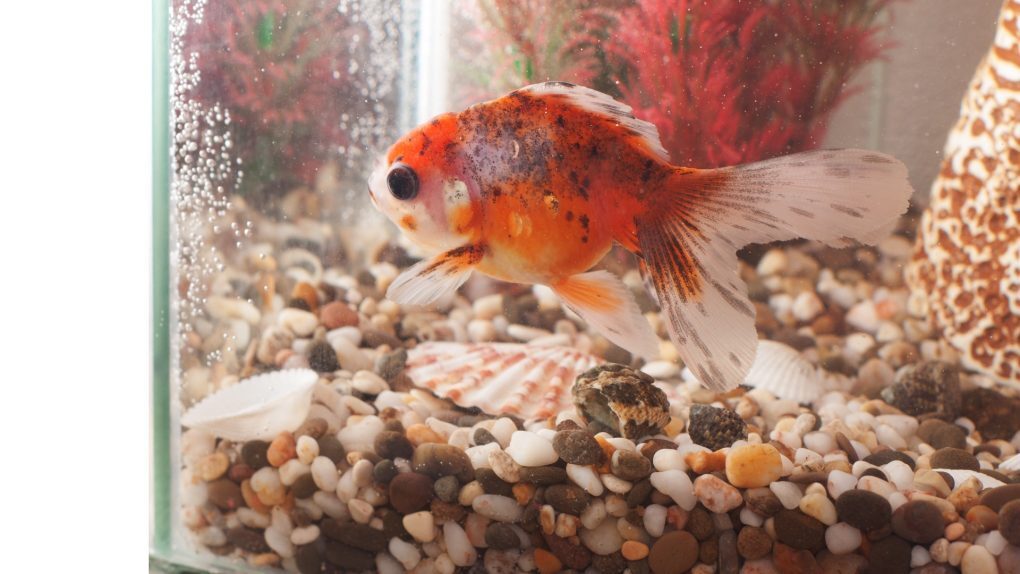
Starting your aquarium journey with clean and properly prepared substrate is foundational for a thriving aquatic ecosystem. While it might seem like an extra step, neglecting this crucial phase can lead to a cascade of issues that are far more difficult and time-consuming to resolve down the line. This section will delve into why this preparation is not just recommended, but essential for the health and stability of your aquarium.The aquarium substrate, whether gravel, sand, or specialized plant substrate, is the foundation of your tank.
It houses beneficial bacteria, provides anchorage for plants, and contributes to the overall aesthetic. However, new substrates often come with residual dust, fine particles, and sometimes even trace amounts of manufacturing chemicals. Without proper preparation, these elements can significantly disrupt the delicate balance of your aquarium environment.
Potential Contaminants in New Aquarium Substrates
New aquarium substrates, especially those purchased in bulk or from certain manufacturers, can harbor a variety of unwanted materials. These contaminants, if introduced directly into the aquarium, can have detrimental effects on water quality and the health of your aquatic inhabitants.New substrates can contain:
- Dust and Fine Particles: These are microscopic particles that are a byproduct of the manufacturing and packaging process. They are not inherently harmful but will cloud your water significantly if not removed.
- Minerals and Salts: Some substrates, particularly natural sands or crushed corals, may contain soluble minerals or salts that can alter water parameters.
- Organic Debris: Occasionally, small pieces of organic matter can become mixed in during handling and packaging.
- Chemical Residues: Though less common with reputable brands, some substrates might have trace amounts of processing chemicals or coatings that could be toxic to aquatic life.
Risks of Skipping Substrate Preparation
Failing to properly rinse and prepare your aquarium substrate before adding it to your tank can lead to several immediate and long-term problems. These issues can quickly turn your exciting new aquarium setup into a frustrating battle for stability.Skipping preparation can result in:
- Cloudy Water: The most immediate and visible consequence is severe cloudiness caused by suspended dust and fine particles. This not only obstructs visibility but also puts stress on your filter system.
- pH Swings: Soluble minerals or salts leaching from unprepared substrate can cause unpredictable fluctuations in your aquarium’s pH level. This is particularly dangerous for fish and invertebrates sensitive to pH changes. For instance, a rapid drop in pH can stress fish, making them susceptible to diseases.
- Ammonia Spikes: While less common, some organic debris or residual chemicals could decompose, leading to an increase in ammonia levels. Ammonia is highly toxic to fish and can cause gill damage and even death. A typical safe level for ammonia is 0 ppm, and even a small spike can be problematic.
- Clogged Filters: The fine particles can quickly overwhelm and clog your aquarium filter media, reducing its efficiency and requiring frequent cleaning.
- Plant Growth Inhibition: For planted aquariums, fine dust can coat plant leaves and roots, hindering their ability to photosynthesize and absorb nutrients, thus stunting growth.
Long-Term Benefits of Thoroughly Prepared Substrate
Investing the time to properly prepare your substrate from the outset offers significant advantages that contribute to a stable, healthy, and beautiful aquarium for years to come. It sets the stage for a more enjoyable and less problematic aquatic experience.The long-term benefits include:
- Crystal Clear Water: A thoroughly rinsed substrate ensures immediate clarity, providing an unobstructed view of your aquarium inhabitants and their environment. This creates a more aesthetically pleasing display from day one.
- Stable Water Parameters: By removing soluble contaminants, you prevent unexpected shifts in pH, hardness, and other water chemistry, creating a consistent and safe environment for your fish and plants. This stability is crucial for the long-term health and breeding success of many species.
- Healthy Bacterial Colonization: A clean substrate provides an ideal surface for beneficial nitrifying bacteria to colonize. These bacteria are essential for breaking down toxic ammonia and nitrite, forming the backbone of the aquarium’s nitrogen cycle.
- Optimal Plant Growth: For planted tanks, clean substrate allows plant roots to establish themselves effectively, promoting vigorous growth and vibrant coloration without the interference of dust or unwanted minerals.
- Reduced Maintenance Stress: Starting with a clean substrate means less immediate troubleshooting, fewer water changes due to cloudiness or parameter swings, and a generally more relaxed aquarium keeping experience.
Methods for Washing Aquarium Gravel
Washing aquarium gravel is a crucial step in preparing it for your aquarium. This process removes fine dust, debris, and any manufacturing residues that could cloud your water and potentially harm your fish. Proper washing ensures a clean start for your aquatic environment.This section will guide you through effective methods for cleaning your aquarium gravel, ensuring it’s safe and visually appealing for your aquarium inhabitants.
Essential Tools and Materials for Washing Gravel
To effectively wash aquarium gravel, having the right tools readily available will make the process significantly smoother and more efficient. These items are generally inexpensive and commonly found around the house or at pet stores.The following list Artikels the necessary equipment:
- A clean bucket (or multiple buckets for larger quantities)
- A fine-mesh sieve or colander
- A running water source (hose, faucet)
- A gravel vacuum (optional, for initial debris removal)
- Gloves (optional, for comfort)
Step-by-Step Procedure for Washing Aquarium Gravel
Following a systematic approach ensures that all unwanted particles are removed from your gravel. This method is straightforward and can be adapted for various quantities of substrate.Here is a detailed procedure for washing aquarium gravel using a bucket and running water:
- Place a portion of the gravel into the clean bucket. Avoid overfilling the bucket, as this will make rinsing difficult.
- Add water to the bucket, submerging the gravel.
- Swirl the gravel around vigorously in the water. You will notice the water becoming cloudy as dust and debris are released.
- Carefully pour out the cloudy water. You can use a sieve or colander to catch any gravel that might escape.
- Repeat steps 2 through 4 until the water runs clear. This may take several rinses, especially for new gravel.
- For particularly stubborn dust, you can gently agitate the gravel with your hands while rinsing.
Efficiently Removing Dust, Debris, and Manufacturing Residue
The goal of washing gravel is to achieve crystal-clear water when rinsed. This involves thorough agitation and repeated rinsing cycles to dislodge all fine particles.Manufacturing residue, often a fine powder, is particularly important to remove. This residue can create a white film on the water surface and hinder the establishment of beneficial bacteria. Agitating the gravel while it’s submerged in water helps to break up these particles and suspend them in the water for easy removal.A key indicator of proper cleaning is when the water poured from the bucket remains clear, even after vigorous swirling of the gravel.
Tips for Efficiently Rinsing Large Quantities of Gravel
Washing a substantial amount of gravel can seem daunting, but with a few strategic approaches, the task becomes much more manageable. These tips focus on maximizing efficiency and minimizing effort.When dealing with large volumes of gravel, consider the following:
- Divide the gravel into smaller, manageable batches. Washing gravel in sections is far more effective than trying to rinse a huge amount at once.
- Utilize a large utility sink if available, allowing for easier draining and rinsing.
- If using a hose, a gentle stream of water directed into the bucket can help agitate the gravel while rinsing, speeding up the process.
- Have a designated area for rinsing where water can drain freely without causing mess.
Comparison of Manual Rinsing Versus Using a Gravel Vacuum for Initial Cleaning
While manual rinsing in a bucket is the standard for thorough cleaning, a gravel vacuum can be a useful tool for an initial sweep of loose debris, particularly if the gravel is already in a container or if you are performing maintenance.
| Method | Pros | Cons | Best For |
|---|---|---|---|
| Manual Rinsing (Bucket Method) | Highly effective at removing fine dust and residue. Allows for complete control over the cleaning process. Essential for new gravel. | Can be time-consuming and physically demanding for large quantities. Requires multiple rinses. | Thorough cleaning of new gravel. Removing all fine particles. |
| Gravel Vacuum (Initial Debris Removal) | Quickly removes larger debris and uneaten food. Can be used in established tanks for spot cleaning. | Less effective at removing fine dust and manufacturing residue. May not reach all particles in densely packed gravel. | Removing loose debris before a full bucket wash. Maintenance cleaning in established tanks. |
Techniques for Preparing Aquarium Sand
Preparing aquarium sand presents a distinct set of challenges and considerations compared to its gravel counterpart. The finer particle size of sand means it can easily become airborne and is more prone to clouding the water if not handled with care. However, with the right approach, you can ensure your sand substrate is clean, safe, and ready for your aquatic inhabitants.The primary goal when preparing sand is to remove dust, debris, and any potential contaminants while preserving the integrity of the sand particles themselves.
Unlike gravel, which typically requires thorough rinsing to remove surface dirt, sand often contains very fine particulate matter that can take numerous rinses to fully dissipate. Patience and a systematic approach are key to achieving crystal-clear water in your aquarium.
Rinsing Aquarium Sand for Clarity
Achieving a clear substrate is paramount for both aesthetics and the health of your aquarium. The process of rinsing sand to achieve clarity requires diligence, as the fine particles can remain suspended in water for extended periods. Multiple rinses are not just recommended; they are essential for removing the fine dust that can otherwise lead to cloudy water and potential respiratory issues for fish.The rinsing process should be performed in a well-ventilated area, ideally outdoors or in a utility sink.
Begin by placing a manageable amount of sand into a clean bucket or container. Add water to the bucket, swish the sand vigorously with your hands, and then carefully pour off the cloudy water. It is crucial to avoid pouring too quickly, as this can cause the finest sand particles to be washed away with the water. Repeat this process until the water poured off is almost completely clear.
This might take anywhere from five to twenty rinses, depending on the type and initial cleanliness of the sand.
Preventing Loss of Fine Sand Particles
A common concern when washing aquarium sand is the potential loss of the very fine particles that contribute to its texture and appearance. These delicate grains can easily be swept away with the rinse water if not handled carefully. Implementing specific techniques can significantly minimize this loss, ensuring you retain the desired volume and consistency of your substrate.One effective method is to use a fine-mesh sieve or colander over a larger bucket when pouring off the rinse water.
This allows the water to drain through while catching any larger debris and, importantly, helps to retain the finer sand particles that might otherwise escape. Another technique involves gently agitating the sand at the bottom of the bucket with your hand or a small tool, rather than aggressively stirring it, before pouring off the water. This allows the settled fine particles to remain at the bottom, minimizing their suspension in the water column during the rinse.
De-gassing Aquarium Sand
Some aquarium sands, particularly those that have been stored for extended periods or have undergone certain manufacturing processes, may contain trapped air pockets. These pockets can be released into the aquarium water after the sand is added, creating unsightly bubbles and potentially disrupting the substrate bed. De-gassing the sand before it is introduced into the aquarium is a crucial step to prevent these issues.To de-gas sand, after the initial rinsing is complete and the sand is still wet, submerge the entire bucket of sand in a larger container of water.
Ensure the sand is fully covered. You will likely observe small bubbles rising from the sand as the trapped air is released. Allowing the sand to sit submerged in water for several hours, or even overnight, can effectively remove most of these air pockets. Gently stirring the sand occasionally while it is submerged can also help to dislodge stubborn bubbles.
Common Issues and Solutions When Preparing Sand
Preparing aquarium sand can sometimes present challenges. Understanding these common issues and their corresponding solutions will help ensure a smooth and successful substrate preparation process.
- Persistent Cloudiness: If the water remains cloudy after numerous rinses, it may indicate the presence of very fine silt or organic matter.
- Solution: Allow the sand to settle completely in the bucket. Carefully decant the water, leaving the settled sand. Repeat the rinsing process, focusing on gentle agitation and slow decanting. In some cases, adding a small amount of aquarium-safe flocculant to the rinse water can help clump fine particles together for easier removal, though this should be used sparingly.
- Loss of Fine Particles: Despite efforts, some fine sand is lost during rinsing.
- Solution: Utilize a fine-mesh sieve or colander when pouring off rinse water. Consider purchasing slightly more sand than initially calculated to account for minor losses.
- Sand Clumping: Wet sand can sometimes clump together, making it difficult to spread evenly.
- Solution: Ensure all excess water is drained from the sand before adding it to the aquarium. A gentle shake of the bucket can help break up clumps. Once in the aquarium, it can be carefully spread and leveled.
- Trapped Air Bubbles After Adding to Tank: Despite de-gassing, some bubbles may still appear.
- Solution: Gently stir the affected areas of the substrate with a clean tool after the tank has been filled with water. The bubbles will typically dissipate over time. Ensure thorough de-gassing prior to adding the sand to the aquarium.
Preparing Specialized Substrates
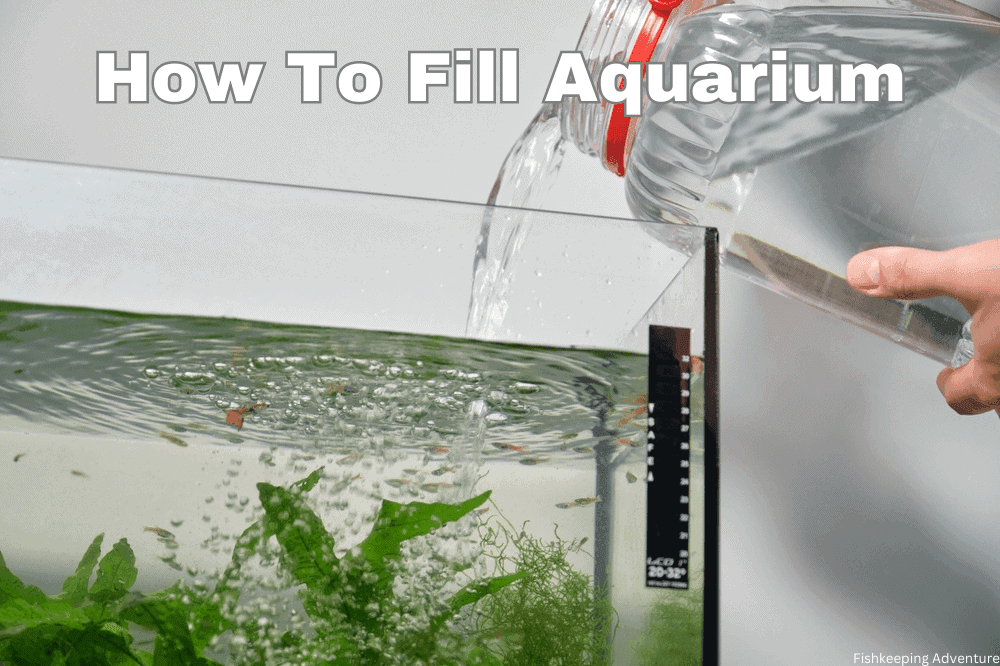
As aquarists delve deeper into creating thriving aquatic environments, specialized substrates have emerged as key components, particularly for planted aquariums. These substrates are engineered to provide essential nutrients, optimize water parameters, and create an ideal environment for plant roots. Proper preparation is crucial to unlock their full potential and avoid common pitfalls.Unlike inert gravel or sand, many specialized substrates are designed to actively influence the aquarium’s ecosystem.
This means their preparation might differ significantly from traditional washing methods. Understanding these unique requirements ensures you are setting up your planted tank for success from the very beginning.
Aqua Soil and Nutrient-Rich Planted Tank Substrates
Aqua soils and other nutrient-rich substrates are specifically formulated to support vigorous plant growth. They often contain porous materials that hold beneficial bacteria and release essential nutrients over time. The preparation for these substrates generally focuses on preserving their beneficial properties rather than removing impurities.Manufacturers typically provide specific instructions for their products, and it is always advisable to consult these guidelines.
However, a common approach involves a gentle rinsing process to remove fine dust that can cloud the water. This dust is usually inert but can detract from the aesthetic appeal and initially impact water clarity.The decision to rinse nutrient-rich substrates or use them directly often depends on the specific product and the aquarist’s preference. Some manufacturers recommend a brief rinse, while others advise against it to retain all available nutrients.
If a rinse is performed, it should be done cautiously.
“A gentle rinse to remove dust is generally acceptable, but excessive washing can strip vital nutrients from specialized planted tank substrates.”
For preparing these advanced substrates, a few tools and techniques can be particularly helpful:
- Bucket or Container: A clean bucket or container is essential for holding the substrate during rinsing.
- Gentle Water Flow: Use a low-pressure hose or tap to rinse the substrate. Avoid strong jets of water that could break down the porous structure of some aqua soils.
- Sieve or Colander: A fine-mesh sieve can be useful for rinsing, especially with finer-grained aqua soils, to catch any particles that might otherwise be lost.
- Patience: Rinsing specialized substrates often takes more time than inert gravel. Allow water to drain thoroughly before adding the substrate to the aquarium.
Some nutrient-rich substrates may benefit from an initial “soaking” period as per manufacturer instructions, which can help activate their nutrient-releasing properties. This is a departure from the aggressive washing of inert media and is designed to enhance the substrate’s functionality for plant life.
Post-Washing and Substrate Placement
Once your aquarium substrate has been thoroughly washed and prepared, the next crucial step is its careful placement into the aquarium. This stage significantly impacts both the aesthetic appeal and the health of your aquatic environment. Proper handling and strategic arrangement can prevent common issues like cloudy water and ensure optimal conditions for your inhabitants and plants.Careful handling and strategic placement of your washed substrate are paramount to a successful aquarium setup.
The goal is to introduce the substrate cleanly and to arrange it in a way that enhances the visual appeal and supports the needs of your chosen inhabitants and aquatic plants.
Handling and Transferring Washed Substrate
The transition of washed substrate from its cleaning container to the aquarium requires a gentle approach to maintain its cleanliness and prevent excessive clouding.
To minimize water clouding during the transfer process, several effective techniques can be employed:
- Use a scoop or cup: Gently scoop the substrate into a clean cup or small container and carefully lower it into the aquarium, allowing it to slide out slowly onto the bottom.
- Place a barrier: Lay a clean plate, plastic bag, or even a piece of plastic wrap on the bottom of the empty aquarium. Pour the substrate onto this barrier, and once it’s all in place, carefully remove the barrier. This significantly diffuses the impact of the falling substrate.
- Pour into a running filter stream: If you are setting up a new tank with the filter already running, you can gently pour the substrate into the outflow stream of the filter. This will help distribute the substrate evenly and minimize disturbance.
- Add water gradually: If you are adding substrate to an already partially filled tank, pour the substrate into the water slowly, allowing it to settle without disturbing the existing water column.
Creating Slopes and Contours
Substrate placement is not merely about covering the bottom of the tank; it offers an opportunity to create dynamic landscapes that benefit both aesthetics and plant growth.
Strategic contouring of your substrate can significantly enhance the visual appeal of your aquarium and provide optimal conditions for plant rooting and fish behavior. Consider these methods:
- Front-to-back slope: A common and effective technique is to create a gentle slope from the front of the aquarium to the back. This makes the tank appear deeper and provides a better viewing angle for taller plants in the rear.
- Hill and valley formations: For more naturalistic aquascapes, create small hills and valleys. These can provide hiding places for fish and varied rooting depths for different plant species.
- Terracing: In larger tanks, you can create tiered levels using substrate dams or specialized aquascaping materials to create distinct planting zones.
- Using substrate supports: For advanced aquascaping, consider using specialized substrate supports or inert materials to build up taller areas, which are then covered with your main substrate.
Substrate Depth Considerations
The ideal depth of your aquarium substrate is a critical factor that depends heavily on the types of inhabitants and plants you intend to keep. Each has specific requirements for rooting, burrowing, and nutrient uptake.
Determining the appropriate substrate depth is essential for the well-being of your aquarium’s inhabitants and the success of your planted aquascape. Different species have varying needs:
- Rooted plants: Most rooted aquatic plants require a substrate depth of at least 2-3 inches (5-7.5 cm) to establish a strong root system. This allows for adequate nutrient uptake and prevents plants from uprooting.
- Burrowing fish: Species like Corydoras catfish or certain loaches benefit from a softer substrate with a moderate depth (around 1.5-2 inches or 4-5 cm) that allows them to sift and burrow comfortably.
- Livebearers and schooling fish: For most livebearers and schooling fish, a shallower substrate depth of 1-1.5 inches (2.5-4 cm) is generally sufficient. This also makes maintenance easier.
- Cichlids: Some cichlids, especially those that dig or rearrange the substrate, may prefer a deeper substrate layer, potentially 3-4 inches (7.5-10 cm), to accommodate their natural behaviors.
- Sand sifters: Fish that actively sift sand, such as certain gobies, require a substrate depth that allows them to perform their natural behaviors without becoming exposed or trapped.
The following table provides general recommendations for substrate depths across various aquarium types. These are starting points, and specific needs of your chosen inhabitants should always be researched.
| Aquarium Type | Recommended Substrate Depth (Front to Back) | Notes |
|---|---|---|
| Planted Nano Tank (under 10 gallons) | 1.5 – 2.5 inches (4 – 6.5 cm) | Focus on adequate depth for small plants, consider a slight slope. |
| Community Tank (20-55 gallons) | 2 – 3 inches (5 – 7.5 cm) | Accommodates a variety of plants and fish, allows for sloping. |
| Goldfish Tank (55+ gallons) | 1 – 2 inches (2.5 – 5 cm) | Goldfish can be messy; shallower substrate aids cleaning. Avoid sharp gravel. |
| Discus Tank | 2 – 3 inches (5 – 7.5 cm) | Provides rooting for plants and allows for natural behaviors without being too deep for cleaning. |
| African Cichlid Tank (Malawi/Tanganyika) | 3 – 4 inches (7.5 – 10 cm) | Often sand-based, allowing for digging and territorial behaviors. |
| Walstad Method / Heavily Planted Tank | 3 – 5 inches (7.5 – 12.5 cm) | Deeper substrate is crucial for nutrient cycling and robust plant growth. |
Initial Aquarium Setup and Substrate Considerations
The substrate is more than just a decorative element in your aquarium; it plays a crucial role in establishing a healthy and stable aquatic environment. Its composition, preparation, and placement directly impact the biological filtration, water chemistry, and overall well-being of your inhabitants. Understanding these considerations before adding water and inhabitants is paramount for long-term success.The substrate is a foundational component for establishing a thriving aquarium ecosystem.
Its physical and chemical properties significantly influence the biological processes that keep your aquarium water clean and your fish healthy. Proper attention to substrate during the initial setup phase lays the groundwork for a balanced and enjoyable aquascaping experience.
Role of Substrate in the Nitrogen Cycle
The substrate provides a vast surface area, second only to the filter media, for beneficial bacteria to colonize. These microorganisms are essential for breaking down toxic ammonia, produced from fish waste and decaying organic matter, into less harmful nitrates. A well-established substrate, rich in these bacteria, is critical for preventing ammonia spikes and maintaining water quality.The nitrogen cycle is a fundamental biological process in aquariums, and the substrate is a primary habitat for the bacteria responsible for its efficient operation.
Without adequate surface area for colonization, the cycle can become imbalanced, leading to dangerous fluctuations in water parameters.
The substrate acts as a living filter, housing billions of beneficial bacteria that convert toxic ammonia into nitrates.
The colonization process begins once the substrate is introduced and water is added. Over time, these bacteria establish colonies within the porous structure of the substrate, actively participating in the conversion of ammonia and nitrite. The deeper and more extensive the substrate, the greater the potential for bacterial growth and a more robust biological filtration system.
Substrate Influence on Water Parameters
The type of substrate you choose can significantly alter your aquarium’s water chemistry, affecting parameters like pH and hardness. Inert substrates, such as gravel and most sands, generally have a neutral effect. However, some substrates, like crushed coral or certain types of aragonite sand, are alkaline and will buffer the water, raising both pH and hardness. Conversely, some substrates, like certain volcanic rocks or peat, can release tannins or acids, potentially lowering pH.Understanding how your substrate interacts with your water is vital for maintaining the specific water conditions required by your chosen fish and plants.
For instance, many freshwater fish, such as tetras and discus, thrive in soft, acidic water, which would be negatively impacted by an alkaline substrate.Here are some common substrate types and their potential effects:
- Inert Gravel/Sand: Typically has a neutral effect on pH and hardness.
- Crushed Coral/Aragonite: Buffers water, increasing pH and hardness. Ideal for marine or some African cichlid tanks.
- Laterite/Aquatic Soil: Often used as a nutrient-rich base layer for planted tanks, can sometimes slightly lower pH over time.
- Peat/Driftwood: Can release tannins, coloring the water and potentially lowering pH.
It is important to test your water parameters regularly, especially after introducing a new substrate, to ensure they remain within the ideal range for your aquatic inhabitants.
Layering Substrate Types for Specific Benefits
For planted aquariums, a layered substrate approach is often employed to provide both essential nutrients for plant growth and a stable, aesthetically pleasing top layer. This method combines the benefits of different substrate materials, creating an optimized environment for both plants and beneficial bacteria.Layering allows for targeted nutrient delivery to plant roots while maintaining clear water and providing a suitable habitat for fish.
This technique is particularly beneficial for aquascaping and for hobbyists aiming for lush plant growth.A common and effective layering strategy involves:
- Nutrient-Rich Base Layer: This is typically placed at the bottom, directly on the aquarium glass. Materials like aquatic plant soils, laterite, or specialized aquarium plant substrates are rich in essential minerals and nutrients that promote robust plant root development and growth. This layer should be several inches deep in areas where plants will be densely rooted.
- Inert Cap Layer: This layer is placed on top of the nutrient-rich base. It can consist of sand, fine gravel, or a mixture of both. The primary purpose of the cap layer is to prevent the nutrient-rich substrate from clouding the water and to provide a stable substrate for fish to sift through. It also helps to keep the nutrient layer contained and prevents excessive nutrient leaching into the water column.
The thickness of the cap layer should be sufficient to completely cover the nutrient layer, typically 1-2 inches.
When layering, ensure a smooth transition between the layers, especially if you are creating slopes for visual interest. Avoid mixing the layers vigorously, as this defeats the purpose of stratification and can lead to cloudy water.
Substrate Importance for Burrowing Fish
Certain fish species, such as Corydoras catfish, loaches, and some cichlids, are natural burrowers. They rely on a suitable substrate to exhibit their natural behaviors, such as foraging for food, sifting through the substrate for invertebrates, and creating nesting sites. Providing an appropriate substrate is crucial for their enrichment and overall well-being.A substrate that is too coarse or sharp can cause injury to the barbels and mouths of these fish as they forage.
Conversely, a substrate that is too fine and easily becomes compacted can restrict water flow and create anaerobic pockets, which are detrimental to beneficial bacteria and can harbor harmful pathogens.For burrowing species, the ideal substrate is generally a fine, soft sand or a very smooth, rounded small-grain gravel.
- Sand: Natural sand, particularly silica sand or aquarium-specific sand, is an excellent choice. It allows fish to sift through it easily without causing injury and provides a comfortable surface for resting. Ensure the sand is thoroughly washed to remove dust and debris.
- Smooth Gravel: If using gravel, opt for small, rounded grains that are free of sharp edges. This type of gravel is less likely to irritate delicate barbels and mouths. Avoid gravel with irregular shapes or sharp projections.
When setting up an aquarium for burrowing fish, consider creating areas with deeper sand or specific textures to encourage natural behaviors. This not only enriches their environment but also provides valuable insights into their natural habits.
Last Word
In conclusion, the seemingly simple act of washing and preparing your aquarium substrate is a vital undertaking that directly contributes to the long-term success and beauty of your aquatic world. By diligently following the Artikeld methods for gravel, sand, and specialized substrates, you ensure a clean, stable environment for your fish and plants, minimizing common setup problems and fostering a thriving ecosystem.
A well-prepared substrate is the bedrock of a healthy aquarium, leading to clearer water, more robust plant growth, and happier inhabitants.