Embarking on the journey of creating a vibrant planted aquarium begins with a fundamental understanding of how to properly plant aquarium plants in substrate. This essential skill forms the bedrock for lush, healthy aquatic flora, transforming a simple tank into a captivating underwater landscape. By mastering these techniques, you unlock the potential for stunning aquascapes that not only impress visually but also thrive biologically.
This comprehensive guide will walk you through every crucial step, from selecting the perfect substrate to employing advanced planting methods for various plant types. We will delve into the science behind substrate composition, explore efficient preparation techniques, and discuss essential maintenance practices to ensure your aquatic plants flourish. Prepare to elevate your aquarium hobby with clear, actionable advice designed for both beginners and experienced aquarists.
Understanding Substrate for Aquarium Plants
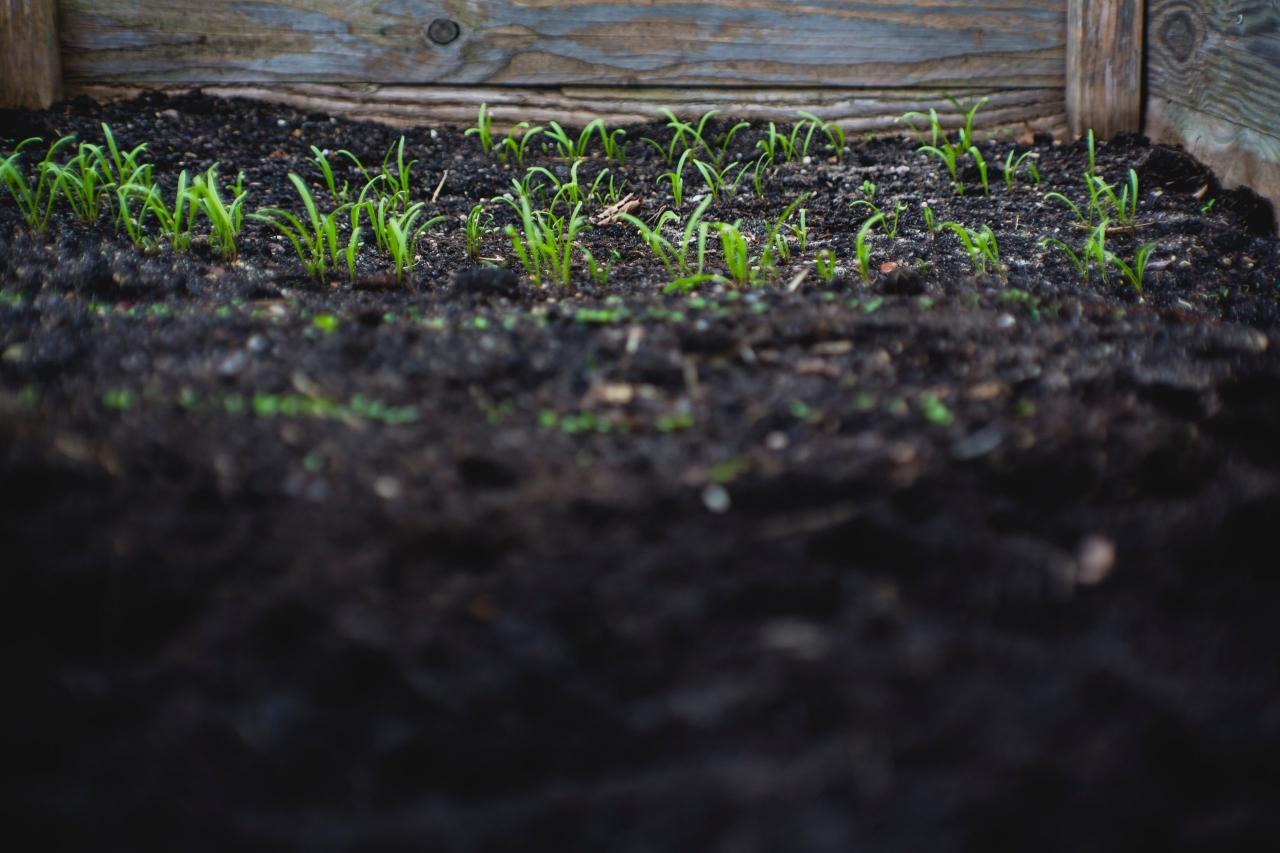
The substrate forms the foundation of your planted aquarium, playing a crucial role far beyond mere aesthetics. It is the primary anchor for plant roots, providing them with stability and access to essential nutrients and oxygen. A well-chosen substrate can significantly impact the health, growth, and overall success of your aquatic plant collection, creating a thriving underwater ecosystem.The substrate is essentially the “soil” of your aquarium, and its composition directly influences the environment surrounding plant roots.
It affects water chemistry, nutrient availability, and gas exchange, all of which are vital for plant life. Therefore, understanding the different types of substrates and their properties is a fundamental step in properly planting and maintaining a beautiful, healthy planted aquarium.
Importance of Substrate in Supporting Aquatic Plant Life
Substrate provides the essential physical and chemical support that aquatic plants require to flourish. Without adequate substrate, plants struggle to anchor themselves, leading to uprooting and poor nutrient uptake. The substrate also harbors beneficial bacteria crucial for the nitrogen cycle, which helps to keep the aquarium water clean and healthy for both plants and fish. Furthermore, the porosity of the substrate influences water flow and oxygenation to the root zone, preventing anaerobic conditions that can harm plant roots.
Types of Substrates for Planted Aquariums
A variety of substrates are available for planted aquariums, each offering different benefits and catering to specific needs. The choice of substrate often depends on the types of plants being kept, the desired aesthetic, and the level of maintenance desired.
- Gravel: This is a common and affordable option, often used in traditional aquariums. While it can provide some anchoring, standard aquarium gravel typically lacks nutrients and can compact over time, hindering root growth. Larger grain sizes can allow for better water flow.
- Sand: Sand offers a finer texture that can be beneficial for plants with delicate root systems. It can also create a visually appealing, naturalistic look. However, very fine sand can compact easily, leading to anaerobic pockets, and some types may leach minerals that affect water parameters.
- Aquarium Soil/Planting Substrates: These are specifically engineered substrates designed for planted aquariums. They are typically nutrient-rich, porous, and formulated to provide optimal conditions for plant roots. They often contain a mix of organic matter, minerals, and binders to create a stable yet aerated environment.
- Inert Substrates with Nutrient Additives: This approach involves using an inert substrate like sand or gravel and supplementing it with root tabs or a nutrient-rich layer beneath it. This allows for customization of nutrient levels and can be a cost-effective solution.
Ideal Particle Size and Composition for Various Plant Needs
The ideal particle size and composition of your substrate will vary depending on the specific needs of your aquatic plants. Generally, a balance between anchoring ability, nutrient retention, and adequate water flow is desired.
- For Root-feeding Plants (e.g., Cryptocoryne, Swords, Vallisneria): These plants have robust root systems and require a substrate that can hold nutrients and provide good anchorage. A medium to coarse grain size (2-5 mm) is often suitable, with a composition that allows for root penetration and nutrient absorption. Nutrient-rich substrates or a layer of organic material beneath an inert substrate are highly beneficial.
- For Carpet Plants (e.g., Dwarf Hairgrass, Eleocharis parvula): These low-growing plants often have fine, delicate roots. A finer substrate, such as aquarium sand or a finely granulated planting substrate, is generally preferred. It allows for easy spreading and establishment of runners. However, care must be taken to avoid compaction, which can suffocate roots.
- For Plants with Minimal Root Needs (e.g., Anubias, Java Fern): While these plants are often attached to driftwood or rocks, if planted in substrate, they benefit from good water flow around their rhizomes. A coarser substrate that doesn’t compact easily is ideal.
The composition of the substrate is equally important. Substrates with good porosity promote aeration, preventing the buildup of harmful gases and allowing oxygen to reach the plant roots. A substrate that can retain nutrients is crucial for plants that absorb nutrients primarily through their roots.
Benefits of Nutrient-Rich Substrates Versus Inert Substrates
The distinction between nutrient-rich and inert substrates is fundamental to understanding plant nutrition in an aquarium. Each type offers distinct advantages and considerations for aquascaping.
Nutrient-Rich Substrates
Nutrient-rich substrates, often referred to as “aquarium soil” or “planting substrates,” are specifically formulated to provide a continuous supply of essential nutrients directly to plant roots. These substrates typically contain a blend of organic matter, minerals, and trace elements that are gradually released into the water column and are readily available for plant uptake.The benefits of using nutrient-rich substrates include:
- Enhanced Plant Growth: The readily available nutrients promote vigorous growth, leading to lusher foliage, stronger stems, and brighter colors.
- Reduced Need for Fertilizers: Initially, nutrient-rich substrates can significantly reduce or even eliminate the need for regular liquid or root tab fertilization, simplifying maintenance.
- Improved Root Development: The porous structure and nutrient content encourage extensive root systems, which further stabilize the plants and improve nutrient absorption.
- Healthier Plants: Well-nourished plants are more resilient to algae outbreaks and diseases, contributing to a more stable and balanced aquarium ecosystem.
Examples of ingredients found in nutrient-rich substrates include processed volcanic soil, peat, humic acids, and various mineral compounds.
Inert Substrates
Inert substrates, such as standard aquarium gravel or sand, do not inherently contain significant amounts of nutrients. They primarily serve as a physical anchor for plant roots. While they can support plant life, their effectiveness is often limited by the lack of readily available nutrients.The benefits of using inert substrates, often in conjunction with other fertilization methods, include:
- Cost-Effectiveness: Inert substrates are generally less expensive than specialized planting substrates.
- Ease of Maintenance: They are typically easier to clean and maintain, as they do not break down or leach excessive nutrients into the water.
- Control over Fertilization: When using inert substrates, aquarists have complete control over the type and amount of nutrients introduced through liquid fertilizers and root tabs. This allows for precise tailoring of nutrient levels to specific plant requirements.
- pH Stability: Most inert substrates do not significantly alter the pH of the aquarium water, which can be beneficial for certain species of fish and plants.
To successfully grow plants in inert substrates, it is essential to supplement them with root tabs placed near the plant roots and/or a nutrient-rich layer beneath the inert substrate. This ensures that the plants receive the necessary elements for healthy growth.
“The substrate is the unsung hero of a thriving planted aquarium, providing both physical support and a vital nutrient reservoir for aquatic flora.”
Preparing Your Substrate
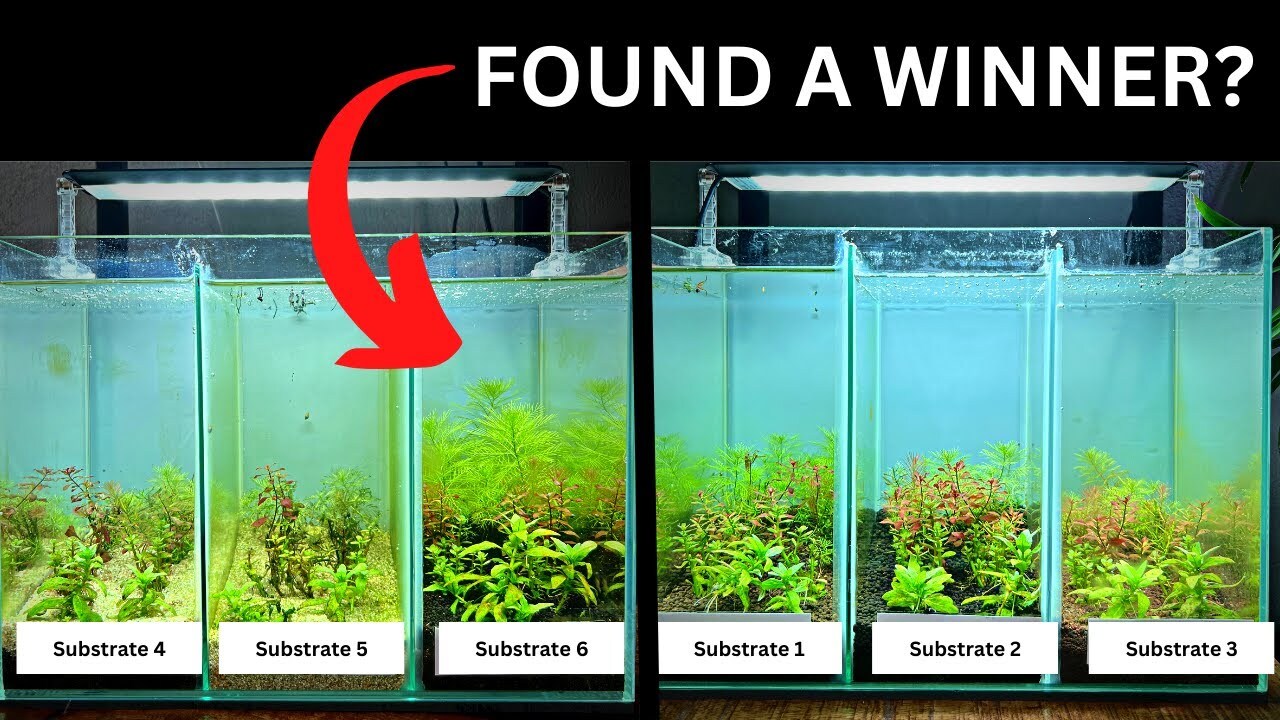
Before introducing your aquatic plants to their new home, the substrate requires careful preparation to ensure a healthy environment for root development and overall aquarium aesthetics. This stage is crucial for preventing cloudiness in your aquarium and setting the foundation for a thriving planted tank. Thorough preparation will save you time and potential headaches down the line.This section will guide you through the essential steps of preparing your chosen substrate, from initial cleaning to creating an aesthetically pleasing and functionally beneficial landscape for your plants.
Substrate Rinsing and Preparation
Rinsing your substrate is a vital step to remove dust, fine particles, and potential contaminants that can cloud your aquarium water. This process is particularly important for sand and fine gravel substrates. A clean substrate contributes significantly to water clarity and prevents potential issues for fish and plant health.Follow this step-by-step procedure for effectively rinsing and preparing your substrate:
- Gather Your Materials: You will need a bucket or large container, a sieve or colander (if the substrate is fine enough), and a hose or faucet with running water.
- Initial Rinse: Place a portion of the substrate into the bucket. Do not fill the bucket completely, as you will need space for water.
- Add Water: Fill the bucket with water, ensuring the substrate is fully submerged.
- Agitate: Gently agitate the substrate with your hands or a clean tool. You will notice the water becoming cloudy as dust and fine particles are released.
- Drain: Carefully pour out the cloudy water. You can use a sieve or colander to hold back the substrate while draining if using a very fine material.
- Repeat: Continue adding fresh water, agitating, and draining until the water runs clear. This may take several repetitions, depending on the substrate type.
- Final Rinse: For a final touch, fill the bucket with water one last time, give it a gentle swirl, and drain. This ensures any remaining loose particles are removed.
- Allow to Drain: Let the substrate drain thoroughly in the bucket or colander for a few minutes before adding it to your aquarium.
Layering Different Substrate Types
Layering substrates can offer significant benefits for plant growth by providing different nutrient levels and aeration zones for roots. This technique is especially useful in aquariums where you want to encourage robust root development and provide essential nutrients. A common and effective layering method involves using a nutrient-rich substrate at the bottom, topped with an inert material.Here are methods for layering different substrate types for optimal root development:
- Nutrient Layer: Begin with a layer of specialized aquatic plant substrate or a nutrient-rich soil designed for planted tanks. This layer should be approximately 1-2 inches deep, depending on the plant species and tank size. This provides essential nutrients directly to the plant roots.
- Barrier Layer (Optional but Recommended): For some soil-based substrates, a thin layer of porous material like filter floss or a fine mesh screen can be placed over the nutrient layer. This prevents the finer soil particles from migrating into the upper layer and clouding the water.
- Cap Layer: Cover the nutrient layer with a layer of inert substrate, such as aquarium sand or fine gravel. This cap layer serves multiple purposes: it holds down the nutrient substrate, prevents it from leaching into the water column, and provides a clean aesthetic for the aquarium. The cap layer should be at least 1-1.5 inches deep to effectively contain the lower layer.
- Consider Particle Size: Ensure the particle size of your cap layer is suitable for your plants. Smaller particle sizes can be beneficial for fine-rooted plants, while slightly larger sizes can offer better flow for some species.
Creating Slopes and Contours
Creating slopes and contours in your substrate is not only aesthetically pleasing but also offers practical advantages for plant placement and water flow. Sloping the substrate from back to front creates depth and visual interest, making your aquarium appear larger and more dynamic. It also allows taller plants to be placed at the back and shorter plants towards the front, optimizing light exposure.Demonstrate how to create slopes and contours within the substrate for aesthetic appeal and plant placement:
- Plan Your Design: Before adding any substrate, visualize the desired landscape. Consider where you want taller plants, focal points, and open swimming areas for fish.
- Build the Foundation: Start by placing a thicker layer of substrate at the back of the aquarium and gradually reduce the depth towards the front. You can use a dam or a barrier made of larger rocks or driftwood to hold the substrate in place if creating significant slopes.
- Use Tools for Shaping: A trowel, a small shovel, or even a stiff plastic card can be used to gently shape and sculpt the substrate. For more intricate contours, consider using a sculpting tool designed for aquariums.
- Incorporate Hardscape: Integrate rocks, driftwood, or other hardscape elements as you build your slopes. These elements can help define the contours and provide anchor points for certain plants.
- Test Water Flow: After creating slopes, consider how water will flow through the substrate. Ensure there are no dead spots where detritus can accumulate. Gentle slopes usually promote good flow.
- Smooth the Surface: Once the desired contours are achieved, gently smooth the surface of the substrate to create a clean and uniform appearance.
Substrate Preparation Checklist
Having the right tools and materials readily available will streamline the substrate preparation process. This checklist ensures you have everything you need before you begin, minimizing interruptions and ensuring a smooth setup.Here is a checklist of essential tools and materials for substrate preparation:
| Tool/Material | Purpose |
|---|---|
| Bucket or Large Container | For rinsing substrate. |
| Sieve or Colander | To assist in draining fine substrates. |
| Hose or Faucet | Source of running water for rinsing. |
| Aquarium Substrate (chosen type) | The primary material for planting. |
| Nutrient-rich substrate (optional) | For planted tanks, placed as a bottom layer. |
| Cap substrate (sand/gravel) | To cover nutrient layer and provide aesthetic. |
| Trowel, Small Shovel, or Card | For shaping and contouring the substrate. |
| Sculpting Tool (optional) | For creating detailed contours. |
| Rocks, Driftwood, or Hardscape | To aid in creating slopes and visual interest. |
| Filter Floss or Fine Mesh (optional) | As a barrier between substrate layers. |
Planting Techniques for Different Plant Types
Now that we understand the importance of substrate and have prepared it correctly, it’s time to focus on the art of planting itself. Different types of aquarium plants have unique needs and planting methods to ensure their successful establishment and long-term health. Mastering these techniques will significantly contribute to a vibrant and thriving planted aquarium.
Stem Plants
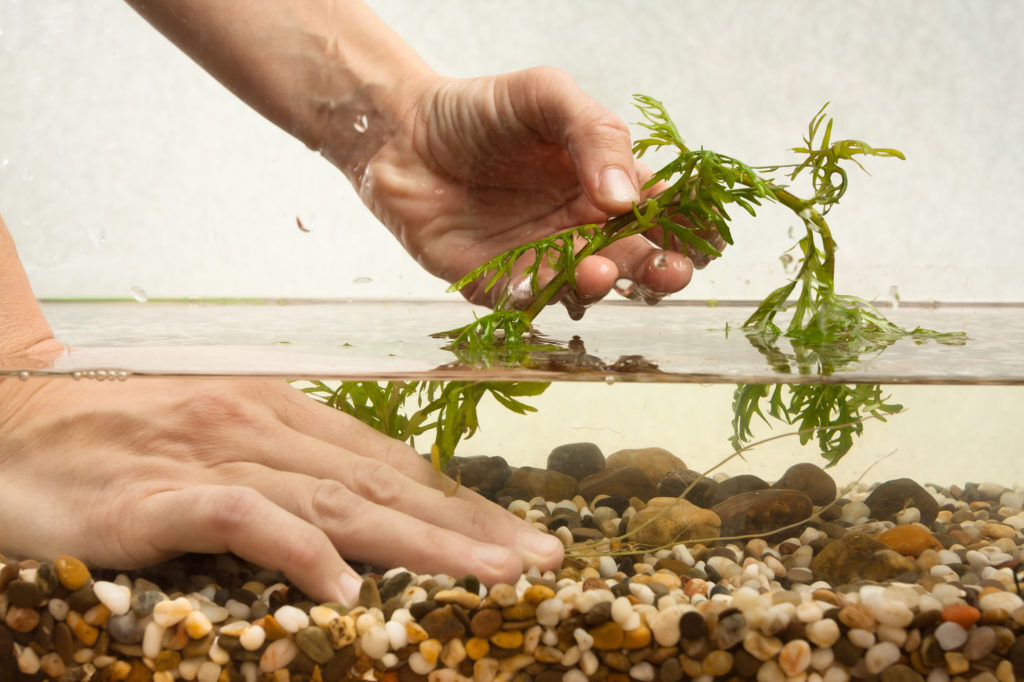
Stem plants are a popular choice for creating lush backgrounds and midground areas in aquariums. Their planting method is straightforward but requires a gentle touch to avoid damaging the delicate stems and roots.To properly plant stem plants, hold the stem firmly but gently near the base. Using tweezers or your fingers, create a small opening in the substrate. Insert the stem plant deep enough so that the leaves are above the substrate surface, and at least two-thirds of the stem is buried.
Ensure that no leaves are buried, as this can lead to rot. For densely planted areas, you can plant multiple stems close together, leaving a small gap between each to allow for growth and water circulation.
Rhizome Plants
Rhizome plants, such as Anubias, Java Fern, and Bucephalandra, are distinct because they grow from a thick, horizontal stem called a rhizome. This rhizome is crucial for their survival and should never be buried in the substrate. Burying the rhizome will cause it to rot, leading to the plant’s demise.The most effective way to plant rhizome plants is by attaching them to hardscape elements like driftwood or rocks.
This can be achieved using cotton thread, fishing line, or specialized aquarium-safe glues. Carefully tie or glue the rhizome to the hardscape, ensuring the roots are exposed and can anchor themselves to the surface. Alternatively, if you prefer to plant them directly in the substrate, place the rhizome on top of the substrate and gently weigh it down with a small stone or by carefully positioning other substrate materials around it, ensuring the rhizome itself remains exposed.
Carpeting Plants
Carpeting plants are essential for creating a natural, lawn-like effect at the bottom of the aquarium. Their small size and dense growth habit require specific planting techniques to ensure they establish well and don’t uproot easily.For successful carpeting, it is best to plant small portions or individual leaves of carpeting plants. Using fine-tipped tweezers, carefully place each portion into the substrate, ensuring the base of the plant is securely anchored.
Plant in small clusters, leaving a slight gap between each cluster. This encourages the plants to spread and connect, forming a dense carpet over time. For plants that spread via runners, such as Dwarf Hairgrass or Monte Carlo, planting them in small groups will help them establish faster and cover the substrate more uniformly. It is crucial to plant them close enough together to minimize the time it takes for them to fill in, preventing algae from colonizing the exposed substrate.
Bulb Plants
Aquarium bulb plants, like the Amazon Bulb or various species of Cryptocoryne that grow from bulbs, offer unique textures and forms to an aquarium. Their planting requirements are relatively simple but specific to ensure proper growth.When planting bulb plants, ensure you identify the top and bottom of the bulb. The pointed end is typically the top, from which shoots will emerge, and the flatter end is the bottom, where roots will grow.
Plant the bulb about halfway to two-thirds into the substrate, with the top of the bulb just visible or slightly below the surface. Avoid planting the bulb too deep, as this can hinder sprouting. Ensure adequate space around the bulb for root development and water circulation.
Planting Technique Comparison Table
This table summarizes the key differences in planting techniques for various aquarium plant types.
| Plant Type | Planting Method | Key Considerations | Example Plants |
|---|---|---|---|
| Stem Plants | Insert stem deep into substrate, leaving leaves exposed. | Ensure no leaves are buried; plant in groups for density. | Rotala, Ludwigia, Bacopa |
| Rhizome Plants | Attach rhizome to hardscape (wood/rock) or place on substrate, keeping rhizome exposed. | Never bury the rhizome; roots should be free. | Anubias, Java Fern, Bucephalandra |
| Carpeting Plants | Plant small portions/leaves individually or in small clusters, anchored securely. | Plant densely to encourage spread and prevent algae; use fine tweezers. | Dwarf Hairgrass, Monte Carlo, Glossostigma |
| Bulb Plants | Plant bulb halfway to two-thirds into substrate, with the top exposed or just below the surface. | Identify top (pointed) and bottom (flat) of bulb; do not plant too deep. | Amazon Bulb, certain Cryptocoryne species |
Substrate Maintenance and Nutrient Management
The substrate in a planted aquarium is far more than just a decorative base; it’s a dynamic ecosystem crucial for plant health and overall water quality. It plays a vital role in nutrient cycling, acting as a reservoir and a medium for beneficial bacteria that break down waste products, making essential nutrients available for plant uptake. Proper maintenance ensures this system functions optimally, supporting lush plant growth and a stable aquatic environment.Substrate’s contribution to nutrient management is multifaceted.
It houses beneficial microorganisms that decompose organic matter, releasing nutrients like nitrogen, phosphorus, and potassium. These nutrients are then absorbed by plant roots, preventing their accumulation in the water column, which can lead to algae blooms. The physical structure of the substrate also influences water flow and gas exchange, further impacting nutrient availability and root health.
Nutrient Cycling and Plant Uptake in Substrate
The substrate acts as a living filter and a nutrient bank for aquatic plants. Microorganisms residing within the substrate break down decaying organic matter, such as fallen leaves and uneaten food, through processes like ammonification and nitrification. This decomposition releases essential mineral nutrients in forms that plant roots can readily absorb. For example, nitrogen is converted from ammonia to nitrite and then to nitrate, a primary nutrient for plant growth.
Phosphorus and potassium are also released and made available. The root systems of plants then absorb these dissolved nutrients directly from the substrate, which is often a more efficient pathway than uptake from the water column for many species. This process helps to keep nutrient levels in the water column balanced, preventing excessive growth of nuisance algae.
Replenishing Nutrients in Planted Aquarium Substrates
Over time, the nutrients naturally present or initially added to the substrate can become depleted, necessitating replenishment to sustain vigorous plant growth. Several effective methods exist for reintroducing essential elements to the substrate, ensuring a continuous supply for plant roots.Methods for replenishing substrate nutrients include:
- Root Tabs: These are specially formulated fertilizer sticks or capsules that are inserted directly into the substrate near the roots of plants. They typically contain a slow-release blend of macro- and micronutrients, providing a concentrated source of food directly to the root zone. This method is particularly effective for heavy root feeders and prevents nutrients from leaching into the water column.
- Liquid Fertilizers (Targeted Application): While primarily designed for water column fertilization, some liquid fertilizers can be carefully applied directly to the substrate surface, especially in areas with limited root growth or for plants that benefit from surface nutrient availability. However, this method requires caution to avoid excessive nutrient buildup or stirring up the substrate unnecessarily.
- Dosing with Iron and Micronutrients: Iron is a critical micronutrient for plant health and is often depleted from the substrate. Liquid iron supplements can be dosed directly into the water, and some will eventually settle into the substrate, or they can be carefully applied to the substrate surface. Other essential micronutrients like manganese, zinc, and copper can also be replenished through targeted liquid dosing or specialized substrate additives.
- Adding New Substrate Layers: For established tanks experiencing significant nutrient depletion, a thin layer of nutrient-rich substrate or aqua soil can be carefully added on top of the existing substrate. This should be done gently to avoid disturbing the root systems of established plants.
- Using Organic Additives: Certain organic materials, such as worm castings or specialized organic substrate boosters, can be mixed into the substrate or applied as a top layer. These materials decompose over time, releasing nutrients and improving the substrate’s structure and microbial activity.
Cleaning and Maintaining Substrate Without Disturbing Plant Roots
Maintaining a clean substrate is essential for preventing the buildup of anaerobic pockets and detritus, which can harm plant roots and water quality. However, disturbing the delicate root systems of established aquarium plants must be avoided. Gentle and strategic cleaning methods are key to a healthy planted tank.Techniques for cleaning and maintaining substrate include:
- Gravel Vacuuming (Careful Application): When performing routine water changes with a gravel vacuum, approach the substrate with care. Hover the vacuum just above the substrate surface to siphon out debris without aggressively digging into the substrate or uprooting plants. For areas densely planted, it may be better to skip vacuuming that specific section or to gently hover the vacuum over the detritus without making contact with the substrate itself.
- Detritus Removal with Tweezers or Syringe: Small accumulations of detritus around plant bases or in open areas can be carefully removed using long aquarium tweezers or a turkey baster/syringe. This allows for targeted removal of debris without disturbing the surrounding substrate.
- Pruning and Debris Removal: Regularly trim dead or decaying leaves from plants. These should be removed from the tank immediately to prevent them from breaking down in the substrate and contributing to detritus buildup.
- Promoting Water Flow: Ensure adequate water flow throughout the tank, particularly near the substrate. This helps to prevent dead spots where detritus can accumulate and encourages oxygenation of the substrate. Wavemakers or strategically placed powerheads can be beneficial.
- Allowing Natural Decomposition: In a well-balanced planted aquarium, a small amount of natural decomposition is beneficial. Beneficial bacteria will break down organic matter, making nutrients available. The goal is to manage excessive buildup, not to eliminate all organic material.
Common Substrate-Related Issues and Their Solutions
Several common problems can arise from substrate issues in planted aquariums, impacting plant health and water quality. Identifying these issues early and implementing appropriate solutions is crucial for maintaining a thriving aquatic environment.Common substrate-related issues and their solutions include:
| Issue | Description | Solution |
|---|---|---|
| Anaerobic Pockets (Dead Spots) | Areas within the substrate where oxygen levels are extremely low, leading to the production of toxic gases like hydrogen sulfide. This can cause root rot and stunt plant growth. Often indicated by a foul smell when disturbed. | Improve water circulation to the substrate. Gentle stirring of the substrate surface in affected areas can help, but be cautious not to disturb plant roots. Consider adding a thin layer of porous substrate like lava rock or adding specialized substrate aerators if the problem is persistent. Ensure regular, gentle gravel vacuuming in open areas. |
| Nutrient Depletion | Plants show signs of deficiency (e.g., yellowing leaves, stunted growth) because the substrate has run out of essential nutrients. | Regularly use root tabs, especially for heavy root feeders. Supplement with liquid fertilizers if necessary, but prioritize substrate-based fertilization for root uptake. Consider a substrate additive or top-off with nutrient-rich aqua soil. |
| Algae Blooms | Excessive algae growth in the water column, often a sign of nutrient imbalance. While not solely substrate-related, substrate can contribute if it releases too many nutrients or if there’s excessive detritus. | Balance nutrient levels by adjusting fertilization. Ensure adequate plant mass to outcompete algae for nutrients. Clean accumulated detritus from the substrate surface. Reduce feeding and perform regular water changes. |
| Cloudy Water (Suspended Particles) | Fine substrate particles are constantly stirred up, making the water appear hazy. This can occur with very fine substrates or if the substrate is disturbed too much during maintenance. | Use a finer mesh filter bag or floss in your filter to catch small particles. Avoid aggressive gravel vacuuming. If using fine sand, consider a pre-filter sponge on the intake to prevent excessive particle circulation. Allow time for settling; some substrates will settle on their own. |
| Compacted Substrate | The substrate becomes too dense, restricting water flow and oxygen penetration to plant roots. This hinders root development and nutrient uptake. | Gently loosen the substrate surface in open areas with a substrate rake or fork. Avoid deep digging. For heavily planted areas, this is less of an issue as roots naturally aerate the substrate to some extent. Ensure adequate water flow to prevent compaction over time. |
Essential Tools and Materials
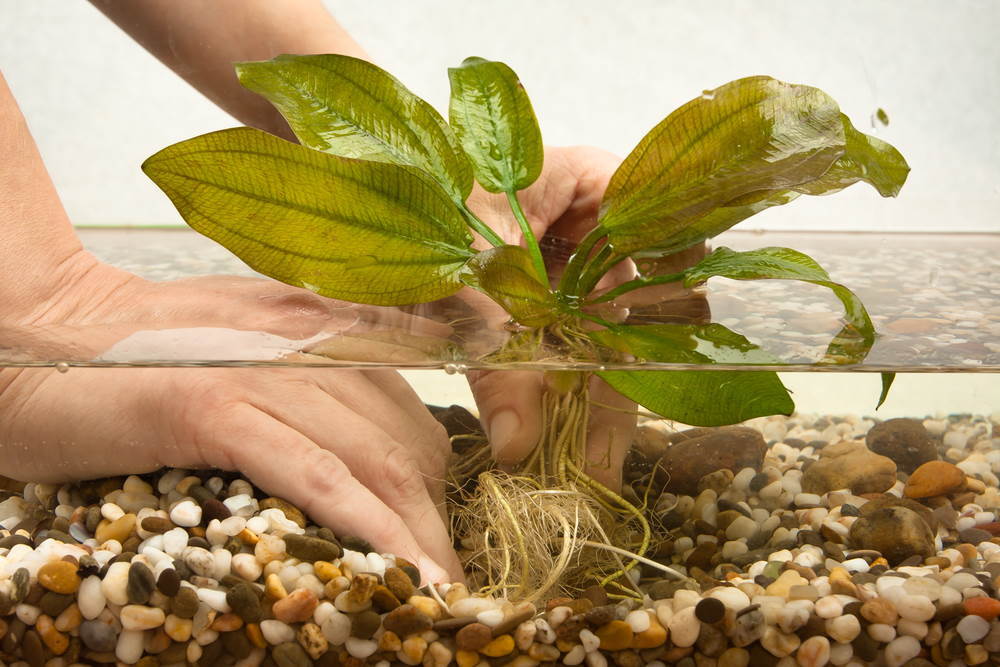
Successfully planting aquarium plants in substrate requires a thoughtful selection of tools and materials. Having the right equipment not only makes the process smoother but also significantly contributes to the health and vitality of your aquatic flora. This section will guide you through the essential items you’ll need, including specialized tools, beneficial substrate additives, and considerations for substrate depth.Understanding the role of each component is key to creating a thriving planted aquarium.
From the tools that help you precisely place delicate roots to the additives that nourish them, every element plays a crucial part in the overall success of your planted tank.
Essential Tools for Planting Aquarium Plants
A well-equipped aquarium hobbyist will find that specific tools greatly simplify the process of planting and maintaining aquatic plants in substrate. These tools are designed to handle delicate plant parts, reach into tight spaces, and ensure proper placement for optimal growth.Here is a list of essential tools for planting aquarium plants:
- Aquarium Tweezers: These long, slender tools are indispensable for picking up small plants, positioning them accurately in the substrate, and removing debris. They come in various lengths and tip styles (straight, curved, pointed, flat) to suit different planting needs and tank depths.
- Aquascaping Tools: A set of specialized aquascaping tools often includes tweezers, spatulas, and rakes. Spatulas are useful for leveling substrate, creating slopes, and pressing down plants, while rakes can help to create patterns or aerate the substrate.
- Planting Sticks/Probes: These simple tools, often made of plastic or metal, are ideal for making small holes in the substrate to insert plant roots and for gently pushing down substrate around the base of the plant to secure it.
- Substrate Spoon/Scoop: A scoop or spoon designed for aquarium substrate is helpful for adding, removing, or leveling substrate, especially when setting up a new tank or performing maintenance.
- Small Scissors/Trimmers: For trimming roots before planting or pruning overgrown plant leaves, small, sharp aquarium scissors are essential to prevent tearing and ensure clean cuts.
- Gloves: While not strictly for planting, wearing gloves can protect your hands from substrate dust and chemicals, and also prevent oils from your skin from contaminating the aquarium water.
Substrate Additives for Enhanced Plant Growth
Beyond the basic substrate material, several additives can significantly boost the nutrient availability and overall health of your aquarium plants. These additives work by releasing essential minerals, improving substrate structure, or fostering beneficial microbial activity.When considering substrate additives, it’s important to choose products that are specifically designed for aquarium use to avoid introducing harmful substances into your aquatic environment.Here are some recommended substrate additives:
- Nutrient-Rich Substrate Bases: Many planted aquarium substrates are formulated with a base layer of organic material or mineral compounds that slowly release nutrients. These can be used as a standalone substrate or as a layer beneath inert gravel.
- Laterite: A naturally occurring clay-rich soil, laterite is a popular additive that provides essential trace elements like iron, which is crucial for plant photosynthesis and color development. It’s typically mixed into the substrate or used as a bottom layer.
- Root Tabs/Fertilizer Pellets: These are concentrated fertilizer sticks or pellets that are inserted directly into the substrate near the roots of plants. They provide a slow-release source of macronutrients (like nitrogen, phosphorus, and potassium) and micronutrients.
- Humic and Fulvic Acids: These organic compounds, often derived from peat or decomposed plant matter, can improve nutrient uptake by plants, chelate (bind) essential minerals, and help to buffer water pH. They are often found in liquid fertilizers or as substrate additives.
- Mineral Supplements (e.g., Iron, Trace Elements): In addition to general fertilizers, specific mineral supplements can be added to address deficiencies. Iron is particularly important for preventing chlorosis (yellowing leaves) in many plant species.
Selecting Appropriate Substrate Depth
The depth of your aquarium substrate is a critical factor that influences plant root development, nutrient availability, and the overall stability of your planted tank. The ideal depth varies depending on the types of plants you intend to grow and the size of your aquarium.A well-chosen substrate depth ensures that plant roots have ample space to anchor and explore, facilitating efficient nutrient absorption and gas exchange.Here’s a guide to selecting appropriate substrate depth:
- For small plants, mosses, and carpeting plants: A depth of 1.5 to 2 inches (approximately 4 to 5 cm) is generally sufficient. This allows their delicate root systems to establish without being buried too deeply, which could impede oxygen flow.
- For medium-sized plants and stem plants: A depth of 2 to 3 inches (approximately 5 to 7.5 cm) is recommended. This provides enough space for their more developed root systems to anchor securely and access nutrients.
- For large plants, root-feeders, and dense plantings: A depth of 3 to 4 inches (approximately 7.5 to 10 cm) or even more can be beneficial. This depth supports robust root growth and provides a substantial reservoir for slow-release fertilizers, especially in larger tanks.
- Tank Size Considerations: In smaller tanks, excessive substrate depth can lead to anaerobic pockets and water quality issues. In larger tanks, a deeper substrate is more stable and can support a greater biomass of plants.
- Sloping the Substrate: It is often advantageous to slope the substrate from back to front, with the deepest substrate at the back. This enhances the visual depth of the aquarium and ensures that larger plants at the back have adequate root space.
Advantages of Using Substrate Activators or Boosters
Substrate activators and boosters are specialized products designed to enhance the biological and chemical properties of your aquarium substrate, leading to improved plant growth and a healthier aquatic ecosystem. These additives work by promoting beneficial microbial colonization and improving nutrient cycling within the substrate.The use of these products can transform a basic substrate into a more dynamic and supportive environment for your aquatic plants.The advantages of using substrate activators or boosters include:
- Enhanced Beneficial Bacteria Colonization: Activators introduce or encourage the growth of beneficial aerobic bacteria. These bacteria are crucial for breaking down organic waste, converting ammonia to nitrite and then to nitrate, and preventing the buildup of toxic compounds. This process is vital for maintaining water quality and plant health.
- Improved Nutrient Availability and Cycling: By fostering a healthy microbial population, boosters help in the efficient decomposition of organic matter, releasing essential nutrients in a form that plants can readily absorb. This creates a more dynamic nutrient cycle within the substrate.
- Prevention of Anaerobic Zones: A well-aerated substrate, supported by beneficial bacteria, is less likely to develop anaerobic (oxygen-depleted) zones. Anaerobic conditions can lead to the production of harmful gases like hydrogen sulfide and can inhibit root growth.
- Increased Substrate Porosity and Aeration: Some activators contain materials that can improve the physical structure of the substrate, increasing its porosity and allowing for better water flow and oxygen penetration to the plant roots.
- Faster Plant Establishment: By creating a more robust and nutrient-rich substrate environment from the outset, activators can help aquarium plants establish their root systems more quickly and healthily, reducing transplant shock and promoting faster growth.
- Long-Term Substrate Health: Regular use of substrate boosters can help maintain the long-term health and fertility of the substrate, reducing the need for frequent replanting or drastic substrate changes.
Troubleshooting Common Planting Problems
Even with the best preparation, aquascaping can sometimes present challenges. This section addresses common issues encountered when planting aquarium plants in substrate, offering practical solutions to ensure a thriving aquatic environment. By understanding these problems and their remedies, you can proactively maintain the health and beauty of your planted aquarium.
Floating or Uprooted Plants
Plants that float or easily uproot often indicate insufficient anchoring within the substrate. This can be due to the substrate being too coarse, not deep enough, or the plant’s root system not being adequately established.
- Ensure Adequate Substrate Depth: For most rooted plants, a substrate depth of at least 2-3 inches is recommended to allow for robust root development.
- Use Appropriate Substrate Particle Size: Finer substrates generally offer better grip for plant roots compared to very coarse gravel. If using a coarser substrate, consider adding a layer of finer material or nutrient-rich substrate underneath.
- Gently Secure Roots: When planting, ensure the plant’s roots are spread out and buried firmly. For plants with delicate roots, gently push them into the substrate until they are held in place.
- Use Planting Tools: Long tweezers or planting sticks can help push the plant’s base into the substrate without disturbing surrounding areas or the plant itself.
- Consider Plant Anchors: For very light or floating plants that you wish to anchor, a small piece of aquarium-safe mesh or a specialized plant anchor can be used, carefully buried in the substrate to hold the plant’s base.
- Allow Time for Establishment: Newly planted aquarium plants may take some time to establish their root systems. Avoid excessive disturbance in the initial days and weeks after planting.
Algae Growth on Substrate Surface
Algae appearing directly on the substrate surface can detract from the aesthetic appeal and may indicate an imbalance in nutrient levels or light.
- Nutrient Control: Excessive nutrients in the water column, which can leach from the substrate, can fuel algae growth. Ensure proper fertilization practices and avoid overfeeding. Regular water changes help dilute excess nutrients.
- Light Management: High light intensity or long photoperiods can contribute to algae blooms. Adjust your lighting duration and intensity to suit the needs of your plants without over-lighting the tank.
- Plant Density: A well-planted tank with a good density of healthy aquatic plants will outcompete algae for nutrients. Ensure your plants are growing vigorously.
- Substrate Cleaning: Gently vacuuming the substrate surface during water changes can remove excess detritus and algae. Be careful not to disturb plant roots excessively.
- Introduce Algae Eaters: Certain fish and invertebrates, such as otocinclus catfish, Siamese algae eaters, and Amano shrimp, are excellent at consuming algae from surfaces.
Anaerobic Pockets in Substrate
Anaerobic pockets are areas within the substrate where oxygen is depleted, leading to the buildup of harmful gases like hydrogen sulfide. These pockets can damage plant roots and harm fish.
- Substrate Aeration: Regularly disturbing the substrate can help prevent the formation of anaerobic pockets. This can be done by gently stirring the top layer during maintenance or by using a substrate rake.
- Adequate Water Flow: Good water circulation throughout the aquarium helps oxygenate the substrate. Ensure your filter provides sufficient flow, and consider adding a powerhead if necessary.
- Substrate Depth and Compaction: Very deep or overly compacted substrates are more prone to becoming anaerobic. If you notice this issue, consider reducing the depth of the substrate or aerating it more frequently.
- Plant Root Health: Healthy plant roots help to aerate the substrate around them. Ensuring your plants are thriving will naturally reduce the risk of anaerobic pockets.
- Recognizing the Signs: Signs of anaerobic pockets include a foul, rotten egg smell emanating from the substrate when disturbed, and plants that appear unhealthy or are dying off despite good lighting and fertilization.
Signs of Nutrient Deficiencies or Toxicities Related to Substrate
Substrate plays a crucial role in nutrient availability for aquatic plants. Imbalances can manifest as deficiencies or toxicities, affecting plant health.
- Nutrient Deficiencies:
- Iron Deficiency: Characterized by yellowing leaves (chlorosis) with green veins, particularly on newer growth. This is common in tanks with insufficient iron supplementation or substrates that bind iron.
- Nitrogen Deficiency: Leads to stunted growth and general yellowing of older leaves as the plant translocates nitrogen to new growth.
- Phosphorus Deficiency: Results in slow growth and dark green or purplish discoloration of leaves, especially older ones.
- Potassium Deficiency: Often presents as yellowing or browning of leaf edges and tips, starting with older leaves.
- Nutrient Toxicities:
- Excessive Nitrogen/Ammonia: Can be toxic to fish and invertebrates, and while less common for plants, extreme levels can inhibit growth. This can occur from over-fertilization or decomposition of organic matter in the substrate.
- Excessive Phosphate: While plants need phosphate, excessive amounts can lead to algae blooms and can interfere with the uptake of other essential nutrients.
- Heavy Metal Toxicity: Some substrates, especially those not specifically designed for planted aquariums, may contain heavy metals that can be toxic to plants and aquatic life. Signs include stunted growth, browning leaves, and tissue damage.
- Addressing Imbalances:
- Test Water Parameters: Regularly test your water for key nutrients like nitrates, phosphates, and iron.
- Adjust Fertilization: Use a comprehensive liquid fertilizer tailored for planted aquariums, and consider root tabs for slow-release nutrients directly in the substrate. Follow recommended dosing guidelines.
- Substrate Choice: Ensure you are using a substrate designed for planted aquariums, which is typically inert or enriched with nutrients and has appropriate particle size.
- Water Changes: Regular water changes help to replenish depleted nutrients and remove excess accumulated substances.
- Observe Plant Health: Pay close attention to the appearance of your plants. Their color, growth rate, and leaf condition are strong indicators of nutrient status.
Closing Summary
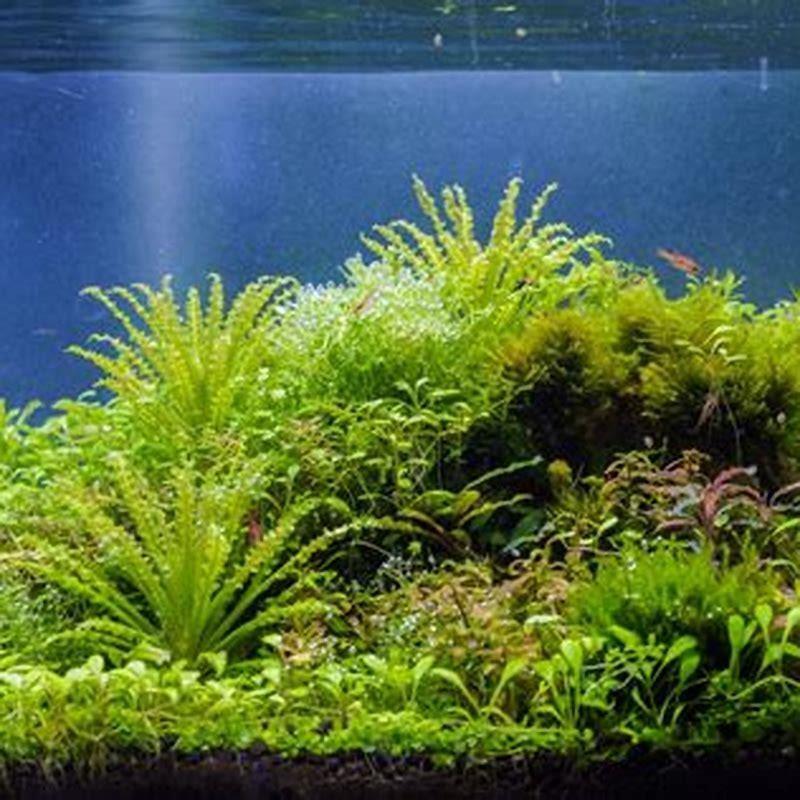
In conclusion, successfully planting aquarium plants in substrate is a cornerstone of a beautiful and thriving aquatic environment. By understanding substrate types, mastering preparation and planting techniques, and diligently managing nutrients, you pave the way for a flourishing underwater garden. This guide has equipped you with the knowledge to overcome common challenges and ensure your plants establish strong roots, contributing to a balanced and visually stunning aquarium for all to enjoy.