Embarking on the journey of fishkeeping is a rewarding experience, and ensuring the health and vitality of your aquatic companions is paramount. This guide delves into the essential knowledge and proactive strategies needed to safeguard your fish from prevalent ailments.
We will explore the foundational understanding of common fish diseases, covering their various categories, specific infectious agents, parasitic threats, and the tell-tale signs of bacterial and fungal infections. By equipping yourself with this knowledge, you’ll be better prepared to identify potential issues before they escalate.
Understanding Common Fish Ailments
Maintaining a healthy aquarium requires a proactive approach to preventing and identifying diseases. By understanding the common ailments that affect our aquatic companions, we can better equip ourselves to provide them with a thriving environment. This section will delve into the primary categories of fish diseases, focusing on the most prevalent issues encountered in freshwater aquariums.Fish diseases can broadly be categorized based on their cause, which helps in diagnosis and treatment.
Understanding these categories is the first step in effectively managing the health of your aquarium inhabitants.
Primary Categories of Fish Diseases
Fish diseases are typically classified into several main groups, each with distinct causes and treatment approaches. Recognizing these categories is crucial for accurate diagnosis.
- Infectious Diseases: Caused by pathogens such as bacteria, viruses, fungi, and parasites that can spread from one fish to another.
- Non-Infectious Diseases: Result from environmental factors, nutritional deficiencies, genetic defects, or injuries. These are not contagious.
- Parasitic Infections: A subset of infectious diseases, specifically caused by external or internal parasites that live on or within the fish.
- Bacterial Infections: Caused by various species of bacteria that can infect fish, often exacerbated by poor water quality or stress.
- Fungal Infections: Caused by opportunistic fungi that typically attack fish with weakened immune systems or existing injuries.
Prevalent Infectious Diseases in Freshwater Aquarium Fish
Freshwater aquariums, while beautiful, can be susceptible to a range of infectious diseases that can quickly spread and impact the health of the entire community. Early detection and intervention are key to successful treatment.
Several infectious diseases are particularly common among freshwater aquarium fish. These often arise due to stress from improper water conditions, overcrowding, or the introduction of new, infected fish.
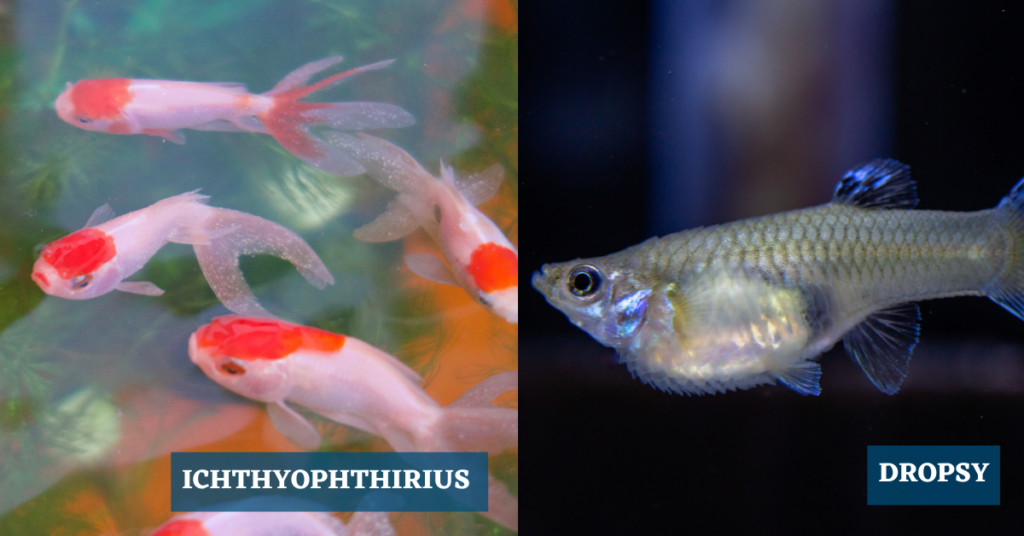
- Ich (Ichthyophthirius multifiliis): Commonly known as white spot disease, this is a highly contagious parasitic infection. It presents as small white spots resembling grains of salt on the fish’s body and fins. Affected fish may also appear lethargic, rub against objects, and exhibit rapid breathing.
- Fin Rot: A bacterial infection that causes the fins to appear ragged, frayed, or even dissolve. In severe cases, the infection can spread to the body of the fish. It is often linked to poor water quality and stress.
- Velvet Disease (Oodinium): A parasitic disease that appears as a fine, powdery, gold or rust-colored dusting on the fish’s body and fins. Affected fish often gasp at the surface and may lose their appetite.
- Dropsy: While not a disease itself, dropsy is a symptom of an underlying issue, often a bacterial infection, leading to fluid buildup within the fish’s body. This causes the fish to appear swollen, with scales protruding outwards, giving a pinecone-like appearance.
Common Parasitic Infections in Ornamental Fish
Parasites are microscopic or macroscopic organisms that live on or inside fish, feeding off their host and often causing significant harm. In ornamental fish, a variety of external and internal parasites can pose serious health risks.
Parasitic infections are a significant concern for ornamental fish keepers. These organisms can be introduced through new fish, contaminated food, or even brought in on plants. Prompt identification and treatment are vital to prevent widespread outbreaks.
- Ichthyophthirius multifiliis (Ich): As mentioned, this is a protozoan parasite that burrows into the fish’s skin and gills, causing the characteristic white spots. It has a complex life cycle that involves free-swimming stages, making it challenging to eradicate.
- Gyrodactylus and Dactylogyrus: These are monogenean flatworms that attach to the fish’s skin and gills, respectively. They feed on mucus and tissue, causing irritation, inflammation, and secondary infections. Affected fish may show clamped fins, flashing (rubbing against objects), and difficulty breathing.
- Costia (Ichthyobodo): A small, flagellated protozoan that attaches to the skin and gills, causing a slimy film and irritation. Fish may appear lethargic and develop a bluish-gray haze on their bodies.
- Hexamita: This protozoan parasite can affect the intestines and sometimes the skin and lateral line of fish, particularly cichlids. Symptoms can include a sunken belly, white stringy feces, and holes in the head or lateral line.
Signs and Symptoms Associated with Bacterial Infections in Aquatic Environments
Bacterial infections are a common cause of illness in aquarium fish. They often arise when fish are stressed, injured, or exposed to poor water conditions, which compromise their immune systems.
Recognizing the signs of bacterial infections is critical for timely intervention. These infections can manifest in various ways, affecting different parts of the fish’s body.
- External Lesions: Reddening, sores, ulcers, or fuzzy patches on the skin, fins, or around the mouth are common indicators. These can progress rapidly if left untreated.
- Fin and Tail Damage: Fins may appear ragged, frayed, or split. In severe cases, the fin tissue can be completely eaten away.
- Swollen Abdomen: This can be a sign of internal bacterial infections, leading to fluid accumulation (dropsy).
- Cloudy Eyes: Bacterial infections can affect the eyes, causing them to appear milky or opaque.
- Lethargy and Loss of Appetite: Infected fish often become listless, hide more, and refuse to eat.
- Rapid Breathing: Fish may be seen gulping at the surface, indicating gill distress, which can be caused by bacterial gill infections.
Typical Fungal Infections Observed in Fish Populations
Fungal infections in fish are often opportunistic, meaning they tend to affect fish that are already weakened by other diseases, injuries, or poor environmental conditions. While less common as primary infections, they can cause significant damage if not addressed.
Fungal infections in fish are characterized by the growth of cottony or fuzzy patches on the body, fins, or gills. These infections are typically caused by water molds or true fungi.
- Saprolegnia: This is a common water mold that appears as white, gray, or greenish cotton-like growths on the skin and fins. It thrives on dead tissue and can spread to healthy tissue if not treated.
- Branchiomycosis (Gill Rot): A fungal infection that affects the gills, leading to their destruction and impaired respiration. Symptoms include rapid breathing, lethargy, and sometimes a grayish or discolored appearance of the gills.
- Columnaris Disease (Fungal-like bacterial, but often treated with antifungals): While primarily a bacterial disease, its appearance can sometimes be mistaken for fungal infections. It often presents as white or yellowish patches, particularly around the mouth and fins, which can resemble fungal growth.
Proactive Prevention Strategies: Water Quality
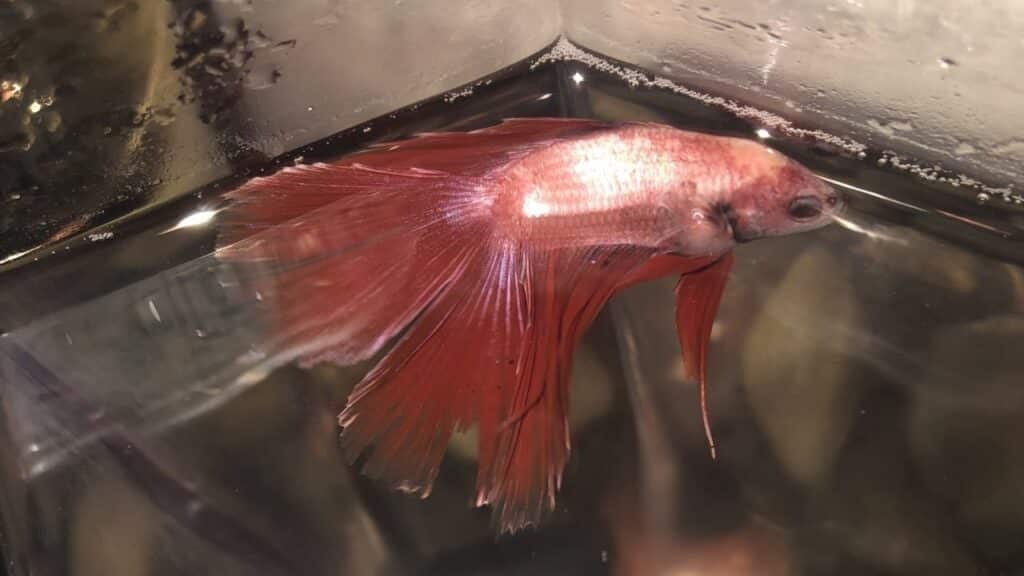
Maintaining pristine water quality is the cornerstone of preventing common fish diseases. Fish, like all living organisms, are highly susceptible to their environment. When water parameters deviate from their optimal ranges, fish become stressed, their immune systems weaken, and they become vulnerable to pathogens that are often naturally present in the aquarium. By proactively managing water quality, you create a robust defense against illness, ensuring your aquatic inhabitants thrive.This section will delve into the essential aspects of water quality management, providing you with the knowledge and tools to keep your aquarium water in a healthy state.
We will cover the importance of regular testing, ideal parameter ranges, effective water change practices, the role of filtration, and a practical checklist to guide your weekly monitoring.
Maintaining Optimal Water Parameters
Optimal water parameters are crucial for the well-being of your fish. These parameters directly influence their physiological processes, stress levels, and immune responses. Consistently keeping these values within the recommended ranges significantly reduces the likelihood of disease outbreaks.The key water parameters to monitor and maintain include:
- Ammonia (NH3/NH4+): This is a highly toxic byproduct of fish waste and decaying organic matter. It should always be at 0 ppm.
- Nitrite (NO2-): Another toxic compound in the nitrogen cycle, nitrite is also harmful and should be at 0 ppm.
- Nitrate (NO3-): While less toxic than ammonia and nitrite, high levels of nitrate can still stress fish and promote algae growth. Ideal levels are typically below 20 ppm, though some species tolerate slightly higher.
- pH: This measures the acidity or alkalinity of the water. The ideal pH range varies by species, but most freshwater tropical fish prefer a pH between 6.5 and 7.5.
- Temperature: Stable temperatures within the appropriate range for your specific fish species are vital. Fluctuations can cause stress and disease. For most tropical freshwater fish, this is between 75-80°F (24-27°C).
- General Hardness (GH) and Carbonate Hardness (KH): These measure the mineral content of the water and are important for buffering pH changes. GH and KH requirements vary greatly depending on the fish’s natural habitat.
Importance of Regular Water Testing and Parameter Ranges
Regularly testing your aquarium water is not merely a suggestion; it is a critical diagnostic tool. It allows you to identify potential problems before they become severe and to confirm that your preventative measures are effective. Understanding the acceptable parameter ranges for your specific fish species is paramount, as a ‘one-size-fits-all’ approach is not suitable for diverse aquariums.Different fish species originate from vastly different aquatic environments, each with its unique water chemistry.
For example, South American tetras often thrive in soft, acidic water, while African cichlids from the Rift Valley lakes prefer hard, alkaline water. Providing water conditions that mimic their natural habitat significantly reduces stress and enhances their overall health.Here is a general overview of common parameter ranges for popular freshwater aquarium fish. It is essential to research the specific needs of the species you keep.
| Parameter | Ideal Range (General Freshwater Tropical) | Notes |
|---|---|---|
| Ammonia | 0 ppm | Highly toxic; always aim for 0. |
| Nitrite | 0 ppm | Highly toxic; always aim for 0. |
| Nitrate | < 20 ppm | Lower is better; can contribute to stress and algae. |
| pH | 6.5 – 7.5 | Varies by species; stable pH is key. |
| Temperature | 75 – 80°F (24 – 27°C) | Stable and species-appropriate. |
| GH (dH) | 4 – 12 | General hardness; species-specific. |
| KH (dH) | 3 – 8 | Carbonate hardness; important for pH stability. |
It is highly recommended to use a liquid test kit for the most accurate results. Test strips can be convenient but are often less precise.
Performing Partial Water Changes
Partial water changes are a fundamental practice for maintaining water quality by diluting accumulated nitrates, phosphates, and other dissolved organic compounds that cannot be fully removed by filtration alone. They also replenish essential trace elements that fish require for optimal health.The frequency and volume of partial water changes depend on several factors, including the aquarium’s stocking density, feeding habits, and the efficiency of the filtration system.
A general guideline for a well-maintained, moderately stocked freshwater aquarium is to perform a 20-30% water change weekly. Heavily stocked or planted aquariums may require more frequent or larger changes.Here is a step-by-step guide to performing a partial water change:
- Prepare New Water: Use a high-quality water conditioner to dechlorinate and detoxify tap water. If your tap water has significantly different parameters (pH, GH, KH) than your aquarium water, you may need to adjust it using remineralization products or by mixing with RODI (Reverse Osmosis De-Ionized) water.
- Temperature Match: Ensure the new water is close to the temperature of your aquarium water to avoid shocking your fish.
- Siphon Out Old Water: Use a gravel vacuum to siphon out the desired percentage of aquarium water. This also serves to remove detritus from the substrate.
- Add New Water: Slowly add the prepared new water back into the aquarium. Avoid pouring it directly onto fish or decorations.
- Clean Equipment: While performing the water change, you can also use this opportunity to clean the aquarium glass or any algae buildup.
“Regular partial water changes are the most effective way to combat the buildup of harmful compounds and maintain a stable, healthy aquatic environment.”
Best Practices for Proper Aquarium Filtration
A robust and well-maintained filtration system is indispensable for disease prevention. Filtration serves multiple critical functions: mechanical, chemical, and biological. Each plays a vital role in removing waste, toxins, and keeping the water clear and healthy for your fish.
- Mechanical Filtration: This involves physically removing solid particles from the water, such as uneaten food, fish waste, and plant debris. Filter sponges, floss, and pads are common mechanical media. Regular rinsing or replacement of these materials is essential to prevent them from becoming clogged and reducing water flow, which can lead to anaerobic pockets and inefficient filtration.
- Chemical Filtration: This uses media like activated carbon or specialized resins to remove dissolved impurities, odors, and discoloration from the water. Activated carbon should be replaced regularly (typically every 3-4 weeks) as its adsorptive capacity is finite.
- Biological Filtration: This is the most crucial aspect for disease prevention. It relies on beneficial bacteria (primarily Nitrosomonas and Nitrobacter) to break down toxic ammonia into less harmful nitrite, and then nitrite into relatively harmless nitrate. These bacteria colonize porous media like ceramic rings, bio-balls, or sponges. It is imperative to never clean biological media with tap water, as the chlorine will kill these essential bacteria.
Rinse them gently in siphoned aquarium water during a water change.
The size and type of filter should be appropriate for the volume of your aquarium and its stocking level. Over-filtration is generally better than under-filtration. Regularly inspect your filter for proper function and ensure adequate water flow.
Weekly Water Quality Monitoring Checklist
To ensure consistent water quality, establish a routine of weekly testing and observation. This checklist will help you systematically monitor the key parameters and identify any deviations promptly.
- Test for Ammonia: Record the reading. Should be 0 ppm.
- Test for Nitrite: Record the reading. Should be 0 ppm.
- Test for Nitrate: Record the reading. Aim to keep below 20 ppm.
- Test for pH: Record the reading. Ensure it is within the acceptable range for your fish.
- Check Water Temperature: Ensure it is stable and appropriate for your fish.
- Observe Fish Behavior: Look for any signs of stress, lethargy, unusual swimming patterns, or physical abnormalities.
- Inspect Filtration System: Ensure good water flow and check if mechanical media needs cleaning or replacement.
- Visually Inspect Water Clarity: Note any cloudiness or unusual coloration.
Proactive Prevention Strategies: Diet and Nutrition
Just as a balanced diet is crucial for human health, providing the right nutrition is fundamental to maintaining the well-being and robust immune systems of aquarium fish. A well-nourished fish is less susceptible to diseases and exhibits vibrant colors and active behavior. This section delves into the essential aspects of fish nutrition, from understanding their dietary needs to selecting appropriate foods and establishing healthy feeding practices.
Nutritional Requirements for Various Aquarium Fish
Different species of fish have evolved with distinct dietary requirements, reflecting their natural habitats and feeding behaviors. Understanding these needs is the first step in formulating a diet that supports optimal health. Generally, fish can be categorized as herbivores, carnivores, or omnivores, with further nuances within these groups.
- Herbivores: These fish primarily consume plant matter. In an aquarium setting, this translates to a diet rich in algae, aquatic plants, and commercially prepared vegetable-based foods. Examples include many species of Plecostomus, Otocinclus, and some tetras. Their digestive systems are adapted to break down cellulose, and a diet lacking sufficient plant material can lead to digestive issues and nutrient deficiencies.
- Carnivores: Carnivorous fish feed on other animals. Their natural diet may consist of insects, crustaceans, smaller fish, or other invertebrates. In aquariums, high-quality protein sources are essential. Examples include many Cichlids, Bettas, and Arowanas. Their diets should be rich in animal protein, fats, and essential amino acids.
- Omnivores: Omnivorous fish consume a mixed diet of both plant and animal matter. This is the most common feeding type in aquariums. Their dietary needs are broader, and they can thrive on a combination of protein-rich foods and vegetable matter. Many popular aquarium fish, such as Guppies, Goldfish, and Danios, fall into this category. A varied diet is particularly important for omnivores to ensure they receive a full spectrum of nutrients.
- Specialized Needs: Some fish have highly specialized dietary needs. For instance, filter feeders require finely ground foods that can be suspended in the water column, while bottom feeders need sinking foods. Marine fish often have different requirements than freshwater fish, with some species needing specific types of marine-based proteins or algae.
Selecting High-Quality Fish Food and Assessing Ingredients
The quality of fish food directly impacts a fish’s health and disease resistance. Opting for reputable brands and understanding the ingredient list is paramount.
- Ingredient Order: Fish food ingredients are listed in descending order by weight. The first few ingredients should ideally be high-quality protein sources (e.g., fish meal, shrimp meal, insect meal) for carnivorous and omnivorous fish, or vegetable matter for herbivores. Avoid foods where fillers like wheat, corn, or soy are listed as primary ingredients, especially for species with high protein requirements.
- Protein Content: The protein content should be appropriate for the fish species. Carnivores and omnivores generally require higher protein levels (30-50%) than herbivores (10-25%). Look for specific protein percentages on the packaging.
- Fat Content: Essential fatty acids are crucial for energy, growth, and immune function. A moderate fat content (5-15%) is usually suitable for most fish.
- Vitamins and Minerals: High-quality foods will be fortified with essential vitamins and minerals. Check for added vitamins like A, D, E, K, and B complex, as well as minerals such as calcium and phosphorus.
- Digestibility: The source of protein and carbohydrates influences digestibility. Animal-based proteins and readily digestible carbohydrates are generally preferred.
- Avoid Artificial Additives: While some color enhancers might be acceptable in moderation, avoid foods with excessive artificial colors, preservatives, and artificial flavors, as these can sometimes be detrimental to fish health.
Methods for Preventing Overfeeding and Its Consequences
Overfeeding is a common mistake that can lead to a host of health problems for fish and degradation of water quality. Establishing proper feeding practices is crucial for prevention.
- The “Two to Three Minute Rule”: Feed only the amount of food that your fish can consume within two to three minutes. This ensures that uneaten food does not accumulate in the aquarium.
- Observe Your Fish: Pay attention to your fish’s behavior. If they are not actively eating the food, you are likely feeding too much.
- Portion Control: If you are unsure, start with a smaller amount and add more if needed. It is always easier to add food than to remove excess.
- Fasting Days: Consider implementing one fasting day per week. This allows fish to fully digest their food and can improve their overall digestive health.
The consequences of overfeeding are significant and can manifest in several ways:
- Water Pollution: Uneaten food decomposes, releasing ammonia and nitrite into the water, which are highly toxic to fish. This also fuels the growth of harmful bacteria and algae blooms.
- Obesity and Health Issues: Overfed fish can become obese, leading to swim bladder disorders, liver problems, and a weakened immune system, making them more susceptible to diseases.
- Reduced Water Quality: The increased waste from overfeeding leads to cloudy water, unpleasant odors, and a general decline in water quality, stressing the fish.
Benefits of Dietary Variety and Supplement Use for Fish Immunity
A diverse diet is not just about providing sustenance; it’s about ensuring a comprehensive intake of nutrients that bolster a fish’s natural defenses.
- Broad Spectrum of Nutrients: Different food types provide varying profiles of vitamins, minerals, amino acids, and fatty acids. A varied diet ensures that fish receive a wider array of these essential compounds, which are vital for cellular function, growth, and immune response.
- Enhanced Immune Function: Key nutrients like Vitamin C, Vitamin E, omega-3 fatty acids, and certain trace minerals play a direct role in supporting and enhancing the immune system. A varied diet rich in these components can help fish fight off infections and recover more quickly.
- Improved Gut Health: Some foods, particularly those containing probiotics or prebiotics, can promote a healthy gut flora. A balanced gut microbiome is increasingly recognized as a critical component of a strong immune system in all animals, including fish.
- Stimulation of Feeding Behavior: Offering different textures and flavors can also stimulate a fish’s natural foraging instincts, leading to more enthusiastic eating and better nutrient absorption.
Regarding supplements, their use should be approached with knowledge and moderation:
- Vitamin Supplements: In cases where a fish diet might be lacking, or for fish under stress, a reputable liquid vitamin supplement designed for aquarium fish can be beneficial. These are typically added to the food before feeding.
- Garlic Extract: Some aquarists use garlic extract as a food additive. While scientific evidence is limited, it is believed to have some immune-stimulating properties and can make food more palatable.
- Spirulina and Other Algae-Based Supplements: For herbivorous and omnivorous fish, supplements rich in spirulina or other algae can provide additional vitamins, minerals, and antioxidants.
- Caution with Supplements: It is crucial to avoid over-supplementation, as this can lead to nutrient imbalances or toxicity. Always follow product instructions and consult with experienced aquarists or fish health professionals if unsure.
Sample Feeding Schedule for a Mixed Community Aquarium
Creating a feeding schedule for a mixed community aquarium requires balancing the needs of different species. This is a general guideline and should be adapted based on the specific fish in your tank.
| Day | Morning Feeding (e.g., 7-8 AM) | Evening Feeding (e.g., 6-7 PM) |
|---|---|---|
| Monday | High-quality flake food (for small to medium-sized omnivores and some herbivores) | Sinking pellets or wafers (for bottom dwellers like Corydoras or Plecos) |
| Tuesday | Frozen food (e.g., brine shrimp, mysis shrimp – good for carnivorous/omnivorous fish) | Vegetable-based flake or pellet (for herbivores and omnivores) |
| Wednesday | High-quality flake food | Live food (e.g., daphnia, micro-worms – if available and appropriate for your fish) |
| Thursday | Frozen food (e.g., bloodworms, daphnia) | Sinking pellets or wafers |
| Friday | High-quality flake food with added spirulina | Variety of frozen foods or high-quality pellets |
| Saturday | Fasting Day
|
Fasting Day
|
| Sunday | Small portion of a varied diet (e.g., a mix of flake and pellet) | Small portion of a varied diet (e.g., a mix of flake and pellet) |
“A well-fed fish is a healthy fish.”
This schedule emphasizes variety, provides different food types suitable for various feeding zones (surface, mid-water, bottom), and includes a fasting day. Always adjust the quantity based on the “two to three minute rule” and the specific needs of your fish population.
Proactive Prevention Strategies: Tank Environment and Husbandry
A well-maintained aquarium environment is fundamental to preventing fish diseases. This involves carefully considering the physical space, the inhabitants, and the daily routines that support a thriving aquatic ecosystem. By focusing on these aspects, you create a robust defense against potential health issues for your fish.The physical setup and management of an aquarium directly influence the stress levels and overall health of its inhabitants.
Overcrowding, incompatible species, and inadequate maintenance can all lead to weakened immune systems, making fish more susceptible to pathogens. Therefore, diligent attention to these details is a cornerstone of disease prevention.
Tank Size and Stocking Density
The size of an aquarium and the number of fish it contains are critical factors in maintaining water quality and reducing stress. An appropriately sized tank provides adequate swimming space, dilution for waste products, and sufficient oxygenation. Overstocking, conversely, leads to rapid deterioration of water parameters, increased aggression, and a higher risk of disease transmission.
A general guideline for stocking density is to allow 1 inch of adult fish per gallon of water, though this can vary significantly based on the fish species and filtration capacity. Always research the specific needs of your fish.
For instance, a 20-gallon tank might comfortably house a school of 10-12 small tetras, but attempting to keep a single goldfish, which grows large and produces significant waste, would be highly detrimental. Similarly, active swimmers like danios require more horizontal swimming space than sedentary fish like plecos.
Appropriate Tank Mates and Compatibility
Introducing incompatible fish into the same aquarium can lead to stress, injury, and disease. Compatibility considers a variety of factors, including temperament, size, dietary needs, and water parameter requirements. Aggressive fish may bully or injure more timid species, while fish with vastly different water parameter needs can suffer from chronic stress.It is essential to research the compatibility of any potential tank mates before purchase.
This involves understanding:
- Temperament: Is the fish peaceful, semi-aggressive, or aggressive?
- Size: Will the fish outgrow the tank or prey on smaller tank mates?
- Dietary Needs: Can the fish share feeding times and food types?
- Water Parameters: Do the fish thrive in similar temperature, pH, and hardness levels?
For example, combining fin-nipping species like Tiger Barbs with long-finned fish such as Bettas or Guppies is a recipe for disaster. Conversely, a community tank with peaceful schooling fish like Neon Tetras, Corydoras Catfish, and a few peaceful Dwarf Gouramis can be a harmonious and healthy environment.
Proper Substrate and Decor
The substrate and decor in an aquarium play a vital role in creating a healthy and enriching environment for fish. The substrate, such as gravel or sand, can harbor beneficial bacteria that aid in the nitrogen cycle, but it also needs to be maintained to prevent the buildup of harmful detritus. Certain fish species also have specific substrate requirements for digging or foraging.Decor, including plants (live or artificial), rocks, and driftwood, provides hiding places, reduces stress by breaking up sightlines, and can offer surfaces for beneficial bacteria to colonize.
However, decor must be aquarium-safe and regularly cleaned to prevent algae blooms or the harboring of parasites.Considerations for substrate and decor include:
- Substrate type: Sand is ideal for bottom dwellers that sift through it, while gravel is easier to clean.
- Planting: Live plants help with water quality by consuming nitrates and providing oxygen.
- Hiding places: Adequate cover reduces stress and aggression.
- Surface area: More surfaces mean more places for beneficial bacteria to grow.
For instance, a sandy substrate is beneficial for Corydoras catfish, allowing them to sift for food without damaging their barbels. Live plants like Amazon Swords or Anubias Nana can thrive in a gravel substrate and contribute to a more naturalistic and healthy aquarium.
Quarantining New Fish
Introducing new fish directly into a main aquarium without a quarantine period is one of the most common ways diseases are introduced. Quarantine tanks allow new arrivals to be observed and treated for any potential illnesses or parasites before they can infect the established fish population. This practice is a crucial preventative measure.The quarantine process typically involves:
- Setting up a separate, smaller aquarium with a heater and filter.
- Acclimating the new fish to the quarantine tank’s water parameters.
- Observing the fish for a minimum of 4-6 weeks for any signs of illness, such as spots, lethargy, fin rot, or abnormal behavior.
- Treating any detected diseases promptly in the quarantine tank.
This period ensures that any pathogens the new fish may be carrying are contained and dealt with, safeguarding the health of your existing aquarium inhabitants. For example, a fish showing subtle white spots (Ich) in a quarantine tank can be treated with medication without risking the health of your prized angelfish or community schooling fish.
Routine Cleaning and Disinfection of Aquarium Equipment
Regular cleaning and proper disinfection of aquarium equipment are essential to prevent the spread of pathogens and maintain a healthy environment. Equipment like nets, gravel vacuums, siphons, and filter media can harbor and transfer diseases between tanks or even within the same tank if not properly maintained.A routine cleaning schedule should include:
- Daily: Check water temperature, visually inspect fish for signs of stress or disease, and feed appropriately.
- Weekly: Perform partial water changes (10-25%), clean algae from the glass, and vacuum the substrate.
- Monthly: Clean filter media (rinse in used tank water to preserve beneficial bacteria), clean decor, and check equipment for wear and tear.
When disinfecting equipment, especially after treating a disease, it is vital to use aquarium-safe disinfectants and rinse thoroughly. A common practice is to use a diluted bleach solution (1 part bleach to 9 parts water), soak the equipment for 15-30 minutes, and then rinse extensively with clean water until no bleach odor remains. Some hobbyists also use boiling water or specialized aquarium disinfectants.
Never use household cleaning products on aquarium equipment that will come into contact with the water. Always ensure thorough rinsing to remove any residue.
Recognizing and Addressing Early Signs
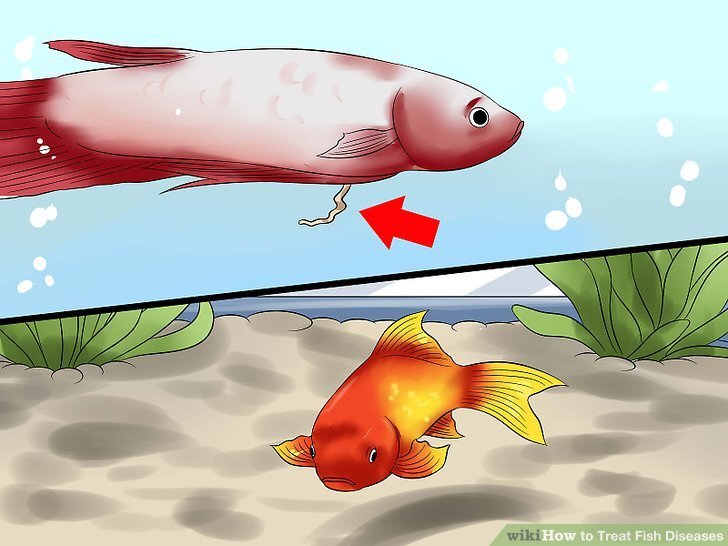
Observing your fish regularly is a cornerstone of disease prevention. Just as we monitor our own health for subtle changes, paying close attention to your aquatic companions can reveal early indicators of illness, allowing for timely intervention and a higher chance of successful treatment. Proactive observation can significantly impact the well-being of your entire aquarium.### Behavioral Changes Indicating IllnessFish, like all living creatures, exhibit behavioral patterns that are normal for them.
Deviations from these patterns are often the first signals that something is amiss. Understanding these subtle shifts can be crucial in identifying a problem before it escalates.It is important to note that some behavioral changes can be subtle and may easily be overlooked. Consistent observation over time will help you establish a baseline for your fish’s typical behavior, making deviations more apparent.
- Lethargy or Reduced Activity: A normally active fish that is now spending most of its time at the bottom of the tank, hiding more than usual, or not actively seeking food may be unwell.
- Loss of Appetite: Refusal to eat or significantly decreased interest in food, especially when offered preferred foods, is a common sign of illness.
- Clamped Fins: Healthy fish typically hold their fins open and extended. Clamped fins, where the fins are held close to the body, can indicate stress, pain, or infection.
- Rapid or Labored Breathing: Fish may gasp at the surface of the water, or their gill covers may move more rapidly than usual, suggesting respiratory distress.
- Erratic Swimming: Swimming into tank decorations, darting uncontrollably, or appearing disoriented can be signs of neurological issues or internal problems.
- Rubbing or Scratching: Fish that repeatedly rub themselves against tank surfaces or decorations may be experiencing irritation from parasites or skin conditions.
- Isolation: A normally social fish that separates itself from the group, often hiding, can be a sign that it feels vulnerable or unwell.
### Physical Changes in FishBeyond behavioral shifts, visible physical changes on a fish’s body can provide direct evidence of disease. Regular visual inspection of your fish, both individually and as a group, is a vital part of early detection.When examining your fish, try to observe them from different angles and under good lighting conditions. This will help you notice even minor abnormalities.
- Spots or Discoloration: The appearance of white spots (e.g., Ich), fuzzy patches, or unusual discoloration on the body or fins can indicate parasitic or fungal infections.
- Fin Rot: This condition manifests as fraying, ragged, or decaying fins. The edges of the fins may appear white or black and can recede towards the base.
- Swollen Vent: A swollen, red, or protruding vent can be a sign of internal infection or constipation.
- Bloating: A distended belly can indicate internal issues, such as fluid buildup or organ enlargement.
- Eye Problems: Cloudy, bulging, or sunken eyes can be symptoms of bacterial infections or other systemic diseases.
- Ulcers or Lesions: Open sores, wounds, or red patches on the skin or fins require immediate attention.
- Pale Gills: Healthy gills are typically bright red. Pale or discolored gills can indicate poor water quality or anemia.
### Isolating Sick FishThe isolation of a sick fish is a critical step in preventing the potential spread of disease to other healthy inhabitants of the aquarium. This practice not only protects the rest of your fish but also allows for focused treatment of the affected individual.A dedicated quarantine tank is an invaluable tool for this purpose. It minimizes stress on the sick fish by providing a controlled environment and prevents the introduction of pathogens into your main display tank.To effectively isolate a sick fish, follow these guidelines:
- Prepare a Quarantine Tank: Set up a separate aquarium, ideally with a filter and heater, that has been cycled or is established. This tank should be equipped with basic decorations to provide hiding places.
- Carefully Net the Fish: Gently net the suspected sick fish from the main tank. Avoid causing unnecessary stress or injury during this process.
- Transfer to Quarantine: Immediately move the netted fish to the prepared quarantine tank.
- Observe and Treat: Monitor the fish closely in the quarantine tank for further symptoms and begin any necessary treatments as recommended by a veterinarian or reliable aquatic resource.
- Maintain Water Quality: Perform regular water changes in the quarantine tank to ensure optimal water parameters.
- Disinfect Equipment: Thoroughly disinfect any nets or equipment used for the sick fish before returning them to the main tank or using them for other fish.
### Initial Steps for Suspected Disease OutbreaksWhen you suspect a disease outbreak in your aquarium, prompt and decisive action is essential to mitigate the impact on your fish population. A systematic approach will help you manage the situation effectively.The immediate aftermath of noticing concerning signs in your fish requires careful assessment and swift implementation of containment and treatment strategies.The initial steps to take when suspecting a disease outbreak include:
- Isolate Suspected Fish: As soon as you identify a fish exhibiting clear signs of illness, move it to a quarantine tank to prevent further transmission.
- Test Water Parameters: Immediately test your main aquarium’s water for ammonia, nitrite, nitrate, pH, and temperature. Incorrect water parameters are a common trigger for disease.
- Perform a Water Change: If water parameters are suboptimal, conduct a partial water change (15-25%) in the main tank to improve conditions.
- Observe Other Fish: Closely monitor all other fish in the main tank for any signs of illness or unusual behavior.
- Research Symptoms: Based on the observed symptoms, research potential diseases using reliable sources to identify possible diagnoses.
- Consult Experts: If unsure about the diagnosis or treatment, consult with an experienced aquarist, a local fish store specialist, or an aquatic veterinarian.
- Prepare for Treatment: Based on your research and expert advice, prepare any necessary medications or treatments.
### Importance of a Dedicated Quarantine TankA dedicated quarantine tank, often referred to as a QT or hospital tank, is an indispensable piece of equipment for any serious aquarist. Its role extends beyond simply housing sick fish; it is a proactive tool for disease prevention and management.The benefits of having a readily available quarantine tank cannot be overstated. It provides a controlled environment that minimizes stress on new fish, allows for the observation and treatment of sick individuals, and acts as a buffer against introducing pathogens into your established aquarium ecosystem.The key reasons for the importance of a dedicated quarantine tank include:
- Disease Prevention: New fish, plants, or even invertebrates can carry parasites, bacteria, or viruses. Quarantining them for 30-60 days allows any latent diseases to manifest and be treated before they infect your main display tank.
- Observation Period: It provides a stress-free environment for new additions to acclimate and be observed for any signs of illness or stress that might not be apparent immediately after purchase.
- Treatment Facility: Sick fish can be moved to the quarantine tank for targeted treatment without affecting the health of the fish in the main aquarium or contaminating medications with the established biological filter.
- Medication Effectiveness: In a quarantine tank, you can administer medications without worrying about them being absorbed by live plants, invertebrates, or the biological filter, thus ensuring the medication is available to the sick fish.
- Stress Reduction: The quarantine tank can be set up to be less visually stimulating and to offer more hiding places, which can reduce stress for sick or newly introduced fish.
- Controlled Environment: You have complete control over the water parameters, temperature, and stocking density in the quarantine tank, making it easier to manage and treat fish.
Common Disease Treatments and Management
Successfully treating fish diseases requires a thoughtful and informed approach. Once common ailments have been identified and their early signs recognized, the next crucial step is to implement appropriate treatments. This section will guide you through common medications, the vital role of accurate diagnosis, and specific management techniques for prevalent conditions. Remember, prompt and correct intervention can significantly improve the health and survival rates of your aquatic companions.
Medications for Fish Diseases
A variety of medications are available to combat common fish diseases, each targeting specific pathogens or symptoms. Understanding the purpose and application of these treatments is essential for effective disease management. It is important to note that the availability and legality of certain medications may vary by region, and always follow the manufacturer’s instructions and dosage recommendations precisely.
- Antibiotics: These are used to treat bacterial infections, which can manifest as fin rot, ulcers, or internal infections. Common examples include Maracyn, Kanacyn, and Furan-2. Antibiotics are often administered directly into the water or, in some cases, mixed with food.
- Antiparasitics: These medications are designed to eliminate external and internal parasites such as Ich, Velvet, and flukes. Examples include Ich-X, PraziPro, and Praziquantel. They are typically added to the aquarium water.
- Antifungals: Used to treat fungal infections, which often appear as cottony white or gray growths on the fish’s body, fins, or gills. Common antifungals include Methylene Blue and Melafix.
- General Disease Treatments: Some broad-spectrum medications are available that can address a range of common ailments. These are often used as a first line of defense when the exact cause is uncertain, but accurate diagnosis is always preferred.
Importance of Accurate Diagnosis
Administering treatment without a proper diagnosis can be ineffective, potentially harmful, and lead to the development of resistant pathogens. It is paramount to correctly identify the disease or parasite affecting your fish before selecting a medication. This often involves observing the fish’s symptoms, examining them closely (if possible and safe), and considering recent changes in the aquarium environment. Consulting with experienced aquarists or a veterinarian specializing in aquatic animals can be invaluable in confirming a diagnosis.
Salt Baths for Specific Ailments
Salt baths, using non-iodized aquarium salt or pure aquarium salt (sodium chloride), can be a beneficial treatment for several common fish ailments, particularly those affecting the slime coat and gill function. Salt helps to draw out excess fluid from infected cells and can reduce osmotic stress on the fish.There are two primary methods for administering salt baths:
- Short Bath: This involves placing the affected fish in a separate container with a higher concentration of salt for a limited duration. This is typically used for more acute conditions or when treating individual fish. A common concentration for a short bath is 1-3 tablespoons of aquarium salt per gallon of water, with a duration of 15-30 minutes. The fish should be closely monitored for signs of distress.
- Long Bath/Quarantine Tank Treatment: For a more sustained treatment, a lower concentration of salt is added to a quarantine tank or the main aquarium. This is useful for chronic issues or for general stress reduction. A common concentration is 1 tablespoon of aquarium salt per 5 gallons of water, maintained for several days to weeks.
It is crucial to use aquarium salt specifically formulated for fish, as table salt contains additives that can be toxic. Always dissolve the salt completely before introducing fish.
Treating Common External Parasites
External parasites are a frequent cause of distress and disease in aquarium fish. These microscopic organisms attach to the fish’s skin, fins, or gills, causing irritation, damage, and secondary infections. Effective treatment involves both medication and environmental management.
The process for treating common external parasites typically includes:
- Identification: Observe the fish for symptoms such as flashing (rubbing against objects), clamped fins, rapid breathing, visible spots, or a fuzzy coating on the body. Microscopic examination of a mucus scrape can confirm the presence of specific parasites.
- Quarantine: It is highly recommended to move affected fish to a separate quarantine tank for treatment. This prevents the spread of parasites to healthy fish and allows for more controlled medication dosages without affecting the biological filter in the main tank.
- Medication: Use an appropriate antiparasitic medication as directed by the product instructions. Medications containing Praziquantel are effective against many common external parasites like flukes and Ich.
- Water Changes: Regular partial water changes in the quarantine tank help remove free-swimming parasite stages and improve water quality, supporting the fish’s immune system.
- Environmental Management: Ensure optimal water parameters (temperature, pH, ammonia, nitrite, nitrate) in both the quarantine and main tanks to reduce stress on the fish.
Managing Ich (White Spot Disease) and Its Life Cycle
Ichthyophthirius multifiliis, commonly known as Ich or White Spot Disease, is one of the most prevalent and treatable parasitic infections in freshwater aquariums. Understanding its life cycle is key to eradicating it completely.Ich has a multi-stage life cycle:
- Trophont Stage: The parasite burrows into the fish’s skin or gills, forming visible white spots. This is the stage where the fish is most visibly affected.
- Tomont Stage: The mature trophont detaches from the fish and falls to the substrate, where it encysts and divides into hundreds of new parasites. This stage is not affected by medications in the water.
- Theront Stage: The free-swimming theronts emerge from the cyst and actively seek a new host fish to infect, starting the cycle anew. This is the only stage vulnerable to water-based medications.
Effective Ich treatment strategies target the vulnerable theront stage while managing the environmental conditions to disrupt the parasite’s life cycle:
- Increase Temperature: Gradually increasing the aquarium temperature to 82-86°F (28-30°C) can significantly speed up the parasite’s life cycle, causing the tomonts to mature and release theronts more quickly. This makes them more susceptible to medication. Ensure your fish can tolerate these temperatures.
- Medication: Use a reputable Ich medication, often containing malachite green or copper. Follow the dosage instructions carefully and administer for the full recommended duration, even after visible spots disappear. This is crucial to kill all theronts.
- Water Changes: Perform daily 25-50% water changes in the main tank or quarantine tank. This helps to physically remove free-swimming theronts and reduce the parasite load.
- Salt: Adding aquarium salt at a rate of 1 tablespoon per 5 gallons can aid in the treatment of Ich by stressing the parasite and supporting the fish’s slime coat.
- Filtration: Ensure adequate aeration and filtration. Some treatments may affect beneficial bacteria, so monitor water parameters closely. Consider temporarily removing carbon from filters, as it can adsorb medications.
- Duration: Treatment typically needs to continue for at least 7-10 days, and sometimes longer, to ensure all life cycle stages are addressed.
It is important to treat the entire aquarium, even if only one fish shows symptoms, as the parasite is likely present throughout the system.
Preventing the Spread of Pathogens
Maintaining a disease-free aquarium is a continuous effort that extends beyond the immediate care of your fish. A critical, yet often overlooked, aspect of fish health management is preventing the introduction and spread of disease-causing pathogens. This involves a disciplined approach to hygiene and careful management of your aquarium environment and equipment. By implementing robust preventative measures, you significantly reduce the risk of outbreaks and ensure a thriving aquatic ecosystem for your fish.The aquarium hobbyist’s commitment to hygiene is paramount in safeguarding fish health.
Pathogens, including bacteria, viruses, and parasites, can be easily transferred between tanks or introduced from external sources. Practicing meticulous hygiene acts as a crucial barrier, preventing these microscopic threats from compromising the health of your fish. This diligence is especially important for hobbyists with multiple aquariums, as a single contaminated item can quickly spread disease across an entire collection.
Hygiene Practices for Aquarium Hobbyists
The cornerstone of preventing pathogen spread lies in adopting consistent and thorough hygiene practices. These practices are not merely suggestions but essential protocols for responsible fish keeping. They involve a multi-faceted approach, encompassing personal cleanliness, equipment sanitation, and careful handling of all aquarium-related items.A structured approach to hygiene can be easily integrated into your daily aquarium routine. This includes dedicating specific times and methods for cleaning your hands and any equipment that comes into contact with aquarium water or fish.
Disinfecting Hands and Equipment
Before and after interacting with any aquarium, it is vital to thoroughly wash your hands. This simple act removes potential contaminants that could be transferred from one tank to another, or from your environment to your fish.Methods for disinfecting hands and equipment are straightforward yet highly effective:
- Hand Washing: Use soap and water, ensuring you scrub for at least 20 seconds, paying attention to the areas between fingers and under fingernails. Rinse thoroughly.
- Alcohol-Based Hand Sanitizers: While not a substitute for soap and water, hand sanitizers can be used when soap and water are not readily available, provided they contain at least 60% alcohol.
- Equipment Sanitization: After use, all equipment such as nets, siphons, filter media, and decorations should be thoroughly cleaned and disinfected. A dilute bleach solution (1 part bleach to 10 parts water) is effective for soaking nets and plastic decorations for about 10-15 minutes, followed by a thorough rinsing with dechlorinated water and air drying. For items that cannot be bleached, such as filter media that needs to be preserved, rinsing thoroughly in old tank water and allowing them to air dry completely can also help reduce pathogen load.
Managing Shared Equipment
When equipment is shared between multiple tanks, the risk of cross-contamination escalates significantly. To mitigate this, a strict protocol for cleaning and disinfection between uses is essential.Best practices for managing shared equipment include:
- Dedicated Equipment: Ideally, each aquarium should have its own set of equipment to completely eliminate the risk of transfer.
- Thorough Cleaning and Disinfection: If shared equipment is unavoidable, it must be meticulously cleaned and disinfected after each use. This involves rinsing away visible debris and then soaking in a disinfectant solution as described above.
- Drying and Storage: After disinfection, allow equipment to air dry completely before storing it. This dryness further inhibits the survival of many pathogens. Store equipment in a clean, dry place, ideally separated by tank or type of use.
- Quarantine Protocols: For new equipment or items that have been used in a diseased tank, a rigorous quarantine and disinfection process should be followed before introducing them to a healthy system.
The Role of a Healthy Immune System in Fish Resistance
A robust immune system is the fish’s first line of defense against disease. Just as in humans, a healthy fish with a strong immune system is far more capable of fighting off infections, even when exposed to pathogens. Factors that contribute to a strong immune system include optimal water quality, a balanced diet, low stress levels, and appropriate stocking densities.When fish are stressed due to poor water conditions, inadequate nutrition, or overcrowding, their immune systems are compromised, making them more susceptible to illness.
Conversely, fish living in ideal conditions are better equipped to resist pathogens, often showing no symptoms even when exposed to disease agents.
Guidelines for Preventing Cross-Contamination in a Multi-Tank Setup
For hobbyists managing multiple aquariums, preventing cross-contamination is a critical objective. A systematic approach can significantly reduce the risk of disease spreading through your collection.Here are key guidelines for preventing cross-contamination in a multi-tank setup:
- Establish a Workflow: Always work with your healthiest tanks first and progress to tanks with known or suspected health issues. This minimizes the chance of transferring pathogens from a sick tank to a healthy one.
- Dedicated Equipment per Tank: As mentioned, using separate nets, siphons, and cleaning tools for each aquarium is the most effective way to prevent cross-contamination.
- Rigorous Hand Hygiene: Wash or sanitize your hands thoroughly between working on each tank. This is non-negotiable, especially when moving between tanks with different inhabitants or health statuses.
- Quarantine New Additions: Always quarantine new fish, plants, or invertebrates in a separate tank for a minimum of 4-6 weeks before introducing them to your main display tanks. This allows you to observe for any signs of illness and treat them if necessary, preventing the introduction of new diseases.
- Disinfect Water Change Equipment: If using the same buckets or hoses for water changes across multiple tanks, ensure they are thoroughly disinfected between uses.
- Avoid Sharing Substrate or Decorations: Never move substrate or decorations from one established tank to another, as these can harbor pathogens and beneficial bacteria that may be incompatible.
- Regular Tank Maintenance: Consistent and proper maintenance of each individual tank helps keep fish healthy and less susceptible to disease, reducing the overall risk of outbreaks that could spread.
- Monitor and Isolate: If you notice any signs of illness in one tank, immediately isolate affected fish if possible and refrain from working on other tanks until the situation is resolved and all equipment has been thoroughly disinfected.
Visual Indicators of Fish Health
Observing your fish regularly is a cornerstone of preventative fish healthcare. By understanding what a healthy fish looks like, you can quickly identify deviations that might signal an underlying health issue. This section will guide you through the key visual cues to monitor.Paying close attention to these visual indicators allows for early detection of potential problems, often before they become serious.
This proactive approach is far more effective and less stressful than reacting to advanced disease symptoms.
Appearance of Healthy Fins and Scales
Healthy fins are typically clear, vibrant, and fully extended, without any signs of fraying, tearing, or cloudiness. Scales should lie flat against the body, appearing smooth, iridescent, and uniformly colored. The absence of redness, lesions, or unusual growths on fins and scales is a strong indicator of good health across various fish species.For instance, in a healthy Betta fish, the flowing fins will be unbroken and show their characteristic vibrant colors.
In contrast, a sick Betta might exhibit clamped, torn, or ragged fins, often with a duller hue. Similarly, a healthy goldfish will have smooth, shiny scales that reflect light, while an ailing one might show raised scales (pineconing) or a dull, listless appearance.
Identification of Abnormal Coloration or Cloudiness in Fish Eyes
Healthy fish eyes are usually clear, bright, and protrude slightly, with a distinct pupil. Abnormalities can manifest as cloudiness, a milky appearance, bulging (exophthalmia), or sunken eyes. Changes in color, such as a red rim around the eye or a loss of its natural sheen, also warrant attention.A common sign of infection or poor water quality is cloudy eyes. For example, in a Neon Tetra, the eye should be a sharp, clear black and blue, without any haze.
If the eye becomes opaque or develops a white film, it could indicate Ich (white spot disease) or bacterial infections. Similarly, a cichlid with clear, alert eyes is generally healthy, whereas sunken or milky eyes suggest illness or dehydration.
Observations on Normal Breathing Patterns and Gill Movement
Healthy fish breathe at a steady, rhythmic pace, with their gills opening and closing smoothly and evenly. The gill covers (opercula) should move in unison without any signs of distress. Rapid, gasping, or erratic gill movements, or visible irritation or redness of the gills, are indicators of a problem.A well-oxygenated tank will allow most fish to breathe comfortably. For example, a peaceful community fish like a Guppy will exhibit gentle, consistent gill movements.
If a Guppy is seen gasping at the surface or its gills are flared and red, it suggests a lack of oxygen or gill irritation, possibly from ammonia poisoning or parasites.
Visual Cues of Healthy Appetite and Feeding Behavior
A healthy fish typically displays an eager appetite, actively seeking out and consuming food. They should be responsive to feeding times and show interest in the food offered. Lethargy, refusal to eat, or a sudden loss of appetite are significant signs that something is amiss.Consider a school of Tetras; they will usually dart towards food flakes or pellets with enthusiasm.
If they ignore food or swim away from it, it’s a cause for concern. Likewise, a healthy Plecostomus will actively graze on algae wafers or sinking pellets, whereas a sick one might remain hidden and unresponsive to food.
Expected Body Shape and Condition of a Well-Nourished Fish
A well-nourished fish will have a robust, streamlined body shape that is proportionate to its species. There should be no visible signs of emaciation, bloating, or unusual lumps or growths. The body should appear smooth and firm to the touch, with a healthy sheen.For example, a healthy Corydoras catfish will have a rounded belly and a firm body. If it appears thin and sunken in the belly area, it may be suffering from internal parasites or malnutrition.
Conversely, a bloated appearance, especially if accompanied by raised scales, could indicate dropsy, a serious condition often linked to internal organ failure.
Epilogue
In conclusion, maintaining a thriving aquarium environment hinges on a multifaceted approach to prevention. By diligently managing water quality, providing optimal nutrition, cultivating a suitable tank habitat, and remaining vigilant for early warning signs, you significantly enhance your fish’s well-being and resilience. This comprehensive strategy not only mitigates the risk of disease but also fosters a vibrant and enjoyable aquatic ecosystem for both you and your finned friends.