Embarking on a vacation is a time for relaxation and rejuvenation, but for aquarium enthusiasts, it can also bring a touch of anxiety regarding the well-being of their aquatic charges. Ensuring your underwater world thrives in your absence requires thoughtful planning and diligent preparation. This guide will equip you with the knowledge to leave your aquarium with peace of mind.
Understanding the fundamental needs of your fish and plants, from stable water parameters and temperature to appropriate feeding, is paramount. We will navigate through a comprehensive pre-vacation maintenance checklist, explore effective feeding strategies, and ensure your filtration and lighting systems are set for success. Furthermore, we will address emergency preparedness and Artikel a smooth post-vacation recovery plan.
Understanding the Core Needs of Your Aquarium While Away
When planning a vacation, ensuring the well-being of your aquarium inhabitants is paramount. An unattended aquarium faces unique challenges, and understanding these fundamental needs is the first step toward a stress-free departure. This section will Artikel the essential requirements for your fish and plants, the critical environmental factors to maintain, common risks, and the foundational preparations necessary for a successful absence.The health of your aquatic ecosystem relies on a delicate balance of several key factors.
Neglecting any of these can lead to significant distress or loss for your aquarium’s residents. Therefore, a thorough understanding of these core needs will guide your preparation process.
Essential Requirements for Fish and Aquatic Plants
Fish require a consistent supply of food and clean water, while aquatic plants need light and nutrients to thrive. During your absence, these basic necessities must be met without direct intervention.
- Oxygenation: All aquatic life requires dissolved oxygen in the water. While filtration systems typically provide surface agitation for gas exchange, extended power outages or malfunctioning equipment can deplete oxygen levels.
- Nutrient Balance: Fish waste produces ammonia, which is converted to nitrite and then nitrate by beneficial bacteria. Overfeeding can lead to a rapid increase in ammonia and nitrite, which are highly toxic.
- Plant Photosynthesis: Aquatic plants utilize light for photosynthesis, a process crucial for their survival and for consuming nitrates, which helps maintain water quality.
Critical Environmental Factors to Maintain
Maintaining stable environmental conditions is crucial for the health and survival of your aquarium’s inhabitants. Fluctuations in temperature or water parameters can quickly lead to stress and disease.
Temperature Stability
The ideal temperature range varies depending on the species of fish and plants in your aquarium. Consistent temperature prevents metabolic stress and supports the immune system.
For tropical freshwater fish, a common stable temperature range is between 75-80°F (24-27°C). For many cold-water species, a range of 68-72°F (20-22°C) is suitable.
It is vital to ensure your aquarium heater is functioning correctly and set to the appropriate temperature. Consider using a reliable aquarium thermometer to monitor the water temperature regularly before your departure.
Water Parameters
Key water parameters include pH, ammonia, nitrite, and nitrate levels. These should be within the optimal range for your specific aquarium inhabitants.
- pH: The acidity or alkalinity of the water. Most freshwater tropical fish thrive in a pH range of 6.5 to 7.5.
- Ammonia and Nitrite: These compounds are highly toxic to fish and should always be at 0 ppm (parts per million). The nitrogen cycle, driven by beneficial bacteria, converts these harmful substances.
- Nitrate: While less toxic than ammonia and nitrite, high nitrate levels can stress fish and inhibit plant growth. Regular water changes are the primary method for controlling nitrates.
Ensuring your aquarium is properly cycled before you leave is fundamental. A well-established nitrogen cycle means a healthy population of beneficial bacteria capable of processing waste efficiently.
Common Risks and Potential Problems in an Unattended Aquarium
Several issues can arise in an aquarium left without supervision, often stemming from equipment failure, imbalances, or external factors. Being aware of these risks allows for proactive preparation.
- Equipment Malfunction: Heaters can malfunction and overheat or fail, leading to drastic temperature swings. Filters can clog or stop working, reducing water flow and oxygenation. Power outages are also a significant concern.
- Overfeeding or Underfeeding: Automated feeders can sometimes dispense too much or too little food. Manual feeding, if arranged, carries the risk of human error.
- Algae Blooms: Excessive light or nutrient imbalances can lead to rapid algae growth, which can consume oxygen and block light for plants.
- Disease Outbreaks: Stressed fish are more susceptible to diseases. If an issue arises, there may be no one present to administer medication or take corrective action.
- Water Parameter Swings: Without regular monitoring and water changes, parameters like pH, ammonia, and nitrate can drift outside safe ranges.
Essential Preparations for a Successful Absence
The groundwork for a worry-free vacation begins well before you pack your bags. These preparations ensure your aquarium’s ecosystem remains stable and healthy in your absence.
- Test Water Parameters: Conduct a comprehensive water test a week or two before your trip to ensure all parameters are within the ideal range. Address any imbalances immediately.
- Perform a Water Change: Complete a partial water change (typically 20-30%) a few days before your departure. This helps to remove accumulated nitrates and replenish essential minerals.
- Clean Equipment: Ensure your filter is clean and functioning optimally. Check that your heater is set correctly and that all connections are secure.
- Check Livestock Health: Observe your fish for any signs of stress or illness. Treat any issues before you leave, as they can escalate quickly in an unattended tank.
- Plan for Feeding: Decide on a feeding strategy, whether it’s an automatic feeder, vacation feeding blocks, or a trusted friend or neighbor.
Pre-Vacation Aquarium Maintenance Checklist
Preparing your aquarium before you leave for vacation is crucial for maintaining a healthy environment for your aquatic inhabitants. A well-executed maintenance routine in the days leading up to your departure will significantly reduce stress on your fish and invertebrates, ensuring they thrive in your absence. This checklist provides a structured approach to ensure all essential tasks are completed.This section focuses on the practical steps you should take in the 1-3 days prior to leaving.
By systematically addressing each item, you can gain peace of mind knowing your aquarium is well-prepared.
Step-by-Step Pre-Trip Maintenance Routine
A structured maintenance routine ensures that no critical task is overlooked. The following steps, to be performed in the 1-3 days before you depart, will create a stable and healthy environment for your aquarium inhabitants.
- Water Change: Perform a partial water change.
- Glass Cleaning: Clean the interior and exterior aquarium glass.
- Substrate Vacuuming: Gently vacuum the substrate to remove debris.
- Equipment Check: Verify all equipment is functioning correctly and securely.
- Feeding Adjustment: Plan for reduced feeding or the use of automatic feeders.
- Lighting Schedule: Adjust lighting timers if necessary.
- Water Testing: Conduct essential water parameter tests.
Optimal Timing and Importance of Water Changes
Water changes are fundamental to aquarium health, removing accumulated nitrates and replenishing essential minerals. Performing a partial water change 1-3 days before your vacation is ideal. This allows the water parameters to stabilize before you leave, minimizing stress on your fish.
A 10-25% water change is generally sufficient for most aquariums in the pre-vacation period.
This percentage helps maintain water quality without drastically altering the established biological balance. Avoid performing a large water change immediately before leaving, as this can sometimes shock the system. The goal is to ensure stable, clean water that will last through your absence.
Aquarium Glass and Substrate Cleaning Methods
Maintaining clear viewing panes and a clean substrate contributes to both the aesthetic appeal and the health of your aquarium.
Aquarium Glass Cleaning
The interior glass should be cleaned using an aquarium-safe scraper or magnetic cleaner. For stubborn algae, a dedicated algae pad can be used. Ensure all debris is removed from the water column after cleaning. The exterior glass can be cleaned with a standard glass cleaner, taking care not to spray directly onto the aquarium or allow any residue to enter the water.
Substrate Cleaning
A gravel vacuum or siphon is the best tool for cleaning the substrate. Gently push the vacuum into the substrate, allowing it to lift debris. Move it across the surface, taking care not to disturb the substrate too deeply, which could release trapped waste. For sand substrates, a lighter touch is recommended to avoid excessive sifting.
System for Checking and Securing All Equipment
Ensuring all your aquarium equipment is functioning properly and securely is paramount to preventing emergencies while you are away. A thorough check of each component can prevent potential disasters.
- Heater: Verify the heater is set to the correct temperature and the thermostat is functioning. Ensure it is submerged according to the manufacturer’s instructions and that the power cord is not frayed.
- Filter: Check that the filter is running smoothly, with adequate water flow. Ensure the intake and outflow are clear of debris. Clean or replace filter media if it is clogged, but avoid replacing all media at once to preserve beneficial bacteria.
- Air Pump and Airstones: If using an air pump, confirm it is operational and that airstones are producing bubbles. Check that check valves are in place to prevent back-siphoning.
- Lighting: Test your aquarium lights to ensure they are working correctly. If using timers, program them for your desired duration and verify they are set to turn on and off as intended.
- Power Strips and Outlets: Ensure all equipment is plugged into a reliable power strip with surge protection. Secure power cords to prevent them from falling into the water, which can cause short circuits. Drip loops should be established for all power cords.
- Automatic Feeders: If using an automatic feeder, test its dispensing mechanism and ensure it is loaded with enough food for your trip.
Feeding Strategies for an Empty Aquarium
:max_bytes(150000):strip_icc()/aquarium-checklist-1380711_final-3866c1ebd8f4422eaa8de495bac39817.png "Aquarium Checklist for Beginners")
Ensuring your aquatic inhabitants are adequately fed while you are away is paramount to their health and well-being. This section will explore various automated feeding solutions and best practices to prevent the common pitfalls of overfeeding and underfeeding.
Automated Feeding Solutions for Fish
Several automated feeding devices are available to dispense food at set intervals, providing a reliable solution for vacation feeding. These devices range in complexity and functionality, catering to different aquarium setups and inhabitant needs.
The primary types of automatic feeders are:
- Gravity Feeders: These are typically the simplest and most budget-friendly option. They utilize a rotating drum or a similar mechanism that dispenses a pre-measured amount of dry food into the tank at scheduled times. The amount dispensed is often determined by the size of the opening and the duration of rotation.
- Digital/Programmable Feeders: More advanced feeders offer precise control over feeding times and portions. They often feature digital displays and programmable settings, allowing for multiple feedings per day and adjustable portion sizes. Some models can even dispense flake, pellet, or live food.
- Vacuum-Sealed Feeders: These feeders are designed to keep dry food fresh and prevent clumping, which is particularly useful for longer vacations. They often use a vacuum seal to maintain the quality of the food.
Comparison of Automatic Feeder Types
The choice between different automatic feeders depends on factors such as the duration of your vacation, the type of food you use, and the number and species of fish in your aquarium.
| Feature | Gravity Feeders | Digital/Programmable Feeders |
|---|---|---|
| Complexity | Simple, easy to set up and use. | More complex, requiring programming for optimal use. |
| Precision | Less precise, dispensing a fixed amount based on rotation. | High precision, allowing for adjustable portion sizes and multiple feedings. |
| Food Types | Primarily dry foods (flakes, pellets). | Can dispense various dry foods, and some models can handle moist or live foods. |
| Cost | Generally more affordable. | Typically more expensive due to advanced features. |
| Reliability | Reliable for short trips, but potential for jamming or inconsistent dispensing. | Highly reliable with proper setup and maintenance. |
Risks Associated with Vacation Feeding
Improper feeding while you are away can lead to detrimental effects on your aquarium’s ecosystem. Understanding these risks is crucial for implementing an effective feeding strategy.
The primary risks include:
- Overfeeding: This is a common mistake and can lead to a rapid deterioration of water quality. Excess food decomposes, producing ammonia and nitrite, which are highly toxic to fish. This can result in fish stress, disease, and even death. Overfeeding also contributes to algae blooms, making the aquarium unsightly.
- Underfeeding: While less immediately dangerous than overfeeding, prolonged underfeeding can lead to malnutrition, weakened immune systems, and stress in fish. This makes them more susceptible to diseases and can result in stunted growth or even starvation for some species.
Best Practices for Portioning Food Before Leaving
Accurate portioning is key to successful vacation feeding. This involves careful preparation and a clear understanding of your fish’s dietary needs.
To ensure accurate portioning, consider the following:
- Pre-portioning into daily servings: For shorter trips (e.g., a weekend), you can pre-portion dry food into small, sealed containers or bags for each day. This eliminates the guesswork when using manual feeders or relying on others.
- Calibrating your automatic feeder: Before your trip, run the automatic feeder for a few days to observe how much food it dispenses. Adjust the settings until you are confident it is releasing an appropriate amount.
- Consulting food packaging: Most fish food manufacturers provide guidelines on how much to feed per day based on the number and size of fish. While these are general guidelines, they offer a good starting point.
Calculating Appropriate Food Amounts
Determining the correct amount of food requires considering several factors related to your aquarium’s environment and inhabitants.
To calculate appropriate food amounts, take the following into account:
- Tank Size: Larger tanks require more food to sustain their inhabitants. A general rule of thumb is to feed only what your fish can consume within 2-3 minutes. This is a good starting point for estimating daily needs.
- Number and Size of Inhabitants: More fish, or larger fish, will naturally consume more food. Small fish require very small portions, while larger, more active species will need more.
- Metabolic Rate: Fish species have different metabolic rates. For example, active swimmers tend to have higher metabolisms and require more frequent or larger feedings than sedentary species.
- Water Temperature: Fish metabolism is directly influenced by water temperature. In warmer water, their metabolism increases, and they require more food. In cooler water, their metabolism slows down, and they need less.
The general principle for feeding fish is to provide only what they can consume in a short period, typically 2-3 minutes, to avoid excess waste and maintain water quality.
For example, in a 50-gallon aquarium with 10 small tetras and 2 small angelfish, you would start by estimating the daily food requirement. If a single tetra consumes approximately 1/8 teaspoon of flake food per day, then 10 tetras would need about 1.25 teaspoons. If an angelfish consumes about 1/4 teaspoon, then two would need 0.5 teaspoons. This totals approximately 1.75 teaspoons of flake food per day.
This calculation should then be used to calibrate your automatic feeder or to portion out daily servings.
Ensuring Proper Water Parameters and Filtration
Maintaining optimal water parameters and ensuring your filtration system runs smoothly are paramount for the health of your aquarium inhabitants while you are away. A stable aquatic environment minimizes stress on fish and invertebrates, preventing potential health issues that could arise from fluctuating conditions. Your filter is the life support system of your aquarium, and its continuous operation is crucial.The filter’s primary role is to remove waste products, toxins, and uneaten food from the water, thereby preventing the buildup of harmful ammonia and nitrites.
It also houses beneficial bacteria that are essential for the nitrogen cycle, which naturally detoxifies the aquarium. A well-functioning filter ensures clear water and a healthy ecosystem for your fish.
Filter Media Maintenance
Before embarking on your vacation, it is vital to ensure your filter media is clean and functioning efficiently. Clogged filter media can reduce water flow, leading to poor filtration and potentially stressing your aquatic life. Performing a light cleaning will allow the filter to operate at its best during your absence.To check and clean your filter media, follow these steps:
- Gently rinse mechanical filter media (sponges, filter floss) in used aquarium water that you have siphoned out during a partial water change. Avoid using tap water, as the chlorine can kill beneficial bacteria.
- Inspect biological filter media (ceramic rings, bio-balls) for excessive debris. If it appears heavily clogged, rinse it very lightly in used aquarium water. The goal is to remove debris without significantly disturbing the established bacterial colony.
- Ensure all filter components are properly reassembled and that the filter is running at full capacity.
Maintaining Consistent Water Temperature
Stable water temperature is critical for the health and well-being of most aquarium fish and invertebrates. Fluctuations can cause stress, weaken immune systems, and even lead to death. Your aquarium heater, if applicable, should be functioning correctly and set to the appropriate temperature for your species.Several methods can help ensure consistent water temperature:
- Aquarium Heater: Ensure your submersible aquarium heater is properly sized for your tank volume and set to the desired temperature. Test its functionality a few days before leaving to confirm it maintains the set temperature.
- Temperature Controller: For added security, consider using an external aquarium temperature controller. These devices connect to your heater and a thermometer, shutting off the heater if the water gets too warm or activating it if it gets too cold, preventing overheating or underheating.
- Location of the Aquarium: Position your aquarium away from direct sunlight, drafts, or heat sources (like radiators). These external factors can cause significant temperature swings.
Water Conditioners and Their Application
Water conditioners are essential for neutralizing harmful substances in tap water and for maintaining a healthy aquatic environment. They play a crucial role in preparing water for your aquarium, especially before and during your absence.The primary applications of water conditioners include:
- Dechlorination: Tap water contains chlorine and chloramines, which are toxic to fish and beneficial bacteria. Water conditioners immediately neutralize these chemicals, making tap water safe for aquarium use.
- Detoxification of Heavy Metals: Some conditioners also bind to heavy metals present in tap water, preventing them from accumulating in the aquarium and harming its inhabitants.
- Replenishment of Essential Minerals: Certain conditioners can also add essential minerals and electrolytes back into the water, which are often stripped out during the purification process.
It is advisable to perform a partial water change a few days before your vacation and treat the new water with a high-quality water conditioner according to the product’s instructions. This helps to stabilize the water chemistry before you leave.
Managing pH Levels and Other Key Water Parameters
pH, along with ammonia, nitrite, and nitrate levels, are critical indicators of water quality. Maintaining these parameters within the appropriate ranges for your specific inhabitants is vital for their health.Strategies for managing key water parameters include:
- pH Stability: Most tropical freshwater fish thrive in a pH range between 6.5 and 7.5. Marine aquariums often require a higher pH, typically between 8.1 and 8.4. Fluctuations in pH can be as stressful as extreme values. Ensure your pH is stable before leaving by performing regular water changes and avoiding overfeeding.
- Ammonia and Nitrite Control: These are highly toxic compounds produced from fish waste and decaying organic matter. A mature, well-functioning filter with a robust colony of nitrifying bacteria is the primary defense. Ensure your filter is operating optimally.
- Nitrate Management: While less toxic than ammonia and nitrite, high nitrate levels can still be detrimental over time. Regular partial water changes are the most effective way to control nitrates. If you are going away for an extended period, consider setting up an automatic water change system or having a trusted friend perform a partial water change.
- Water Testing: Before you leave, test all key water parameters (pH, ammonia, nitrite, nitrate) using a reliable aquarium test kit. This provides a baseline and allows you to address any issues proactively.
For example, a sudden spike in ammonia from uneaten food can be fatal to fish. A stable, cycled aquarium with a functioning filter is the best defense against such occurrences.
Lighting and Plant Care Considerations
Proper lighting is a cornerstone of a healthy aquarium ecosystem, playing a vital role in both the well-being of your fish and the thriving of your aquatic plants. When you’re away, maintaining consistent light cycles is crucial to prevent stress on your inhabitants and to ensure your plants continue their essential photosynthetic processes.The impact of lighting schedules on fish and plant health is significant.
Fish, like many organisms, have natural circadian rhythms that are influenced by light. Disruptions can lead to stress, decreased immune function, and behavioral changes. For aquatic plants, light is their primary energy source for photosynthesis. Without adequate and consistent light, they can become weak, suffer from nutrient deficiencies, and even die, potentially leading to water quality issues.
Automated Lighting Setup
Designing an automated lighting setup is the most effective way to ensure consistent light cycles for your aquarium while you are on vacation. This not only benefits your fish by mimicking their natural day-night cycle but also provides your plants with the predictable light they need to grow and remain healthy.A reliable automated lighting system typically involves a timer that controls your aquarium lights.
These timers can be mechanical or digital, with digital timers offering more precise control over on/off times and duration. For more advanced setups, smart plugs or dedicated aquarium controllers can be programmed via smartphone apps, allowing for remote monitoring and adjustments if needed.The ideal lighting schedule will vary depending on the specific needs of your fish and plants. However, a common recommendation is to aim for a light cycle of 8 to 10 hours per day.
This duration provides sufficient light for photosynthesis without encouraging excessive algae growth.
Adjusting Lighting Duration or Intensity
While consistency is key, there may be situations where adjusting lighting duration or intensity is necessary before your vacation. If you have particularly light-sensitive fish or plants that are prone to algae issues, you might consider slightly reducing the daily photoperiod. Conversely, if you have fast-growing plants that require intense light, you might ensure your timer is set to provide their full requirement.For those with dimmable lights, reducing the intensity can be an effective way to manage plant growth and prevent algae during shorter absences, especially if combined with a slightly shorter photoperiod.
However, drastic changes should be avoided, as these can shock your aquatic life.
For optimal plant growth and to minimize algae, aim for a consistent photoperiod of 8-10 hours per day, with a light intensity appropriate for your plant species.
Ensuring Aquatic Plants Receive Adequate Light and Nutrients
Beyond the light cycle, ensuring your aquatic plants receive adequate light and nutrients while you’re away involves a few key considerations. For plants that rely on substrate nutrients, ensure the substrate is well-fertilized before you leave. If you use liquid fertilizers, a pre-vacation dose might be beneficial, but be cautious not to over-fertilize, as this can lead to algae blooms.For plants that absorb nutrients primarily through their leaves, consider using slow-release fertilizer tabs placed near their roots, or ensure your water column is adequately supplied with liquid nutrients.
The consistent lighting provided by your automated setup will then allow them to effectively utilize these resources.If you have particularly demanding plants, consider using supplemental lighting like LED grow lights, which can be programmed with specific spectrums and intensities to mimic natural sunlight more closely.
Risks of Algae Blooms Due to Improper Lighting
Improper lighting is a significant contributor to algae blooms in aquariums. Too much light, or light that is on for too long, can provide an excessive energy source for algae, allowing it to outcompete your desirable aquatic plants for nutrients and space. This can result in unsightly green or brown mats covering surfaces, hindering plant growth and potentially suffocating fish.Conversely, insufficient or inconsistent lighting can weaken aquatic plants, making them more susceptible to algae.
When plants are not photosynthesizing effectively, they cannot absorb nutrients from the water column, leaving those nutrients available for algae. Therefore, maintaining a balanced and consistent lighting schedule is paramount to preventing these unwelcome algal outbreaks and ensuring a healthy, beautiful aquarium environment.
Emergency Preparedness and Backup Plans
Even with the most diligent preparation, unforeseen circumstances can arise during your vacation. Having robust emergency preparedness and backup plans in place is crucial to safeguard your aquarium’s inhabitants and equipment from potential failures. This section will guide you through identifying common risks, preparing essential spares, and establishing effective contingency measures.
Potential Equipment Failures and Their Consequences
Aquarium equipment, while generally reliable, can fail unexpectedly. Understanding these potential failures and their impact allows for proactive mitigation. Common equipment malfunctions include heater failure (leading to temperature fluctuations, either too high or too low), filter failure (resulting in poor water circulation and waste buildup), and air pump failure (compromising oxygen levels, especially in heavily stocked tanks). Lighting failures, while less immediately critical for most fish, can stress inhabitants and negatively impact plant growth.
Spare Aquarium Equipment Checklist
Maintaining a readily accessible inventory of spare equipment can be a lifesaver when a component fails. Having these items on hand ensures you can quickly replace a malfunctioning part or provide a temporary solution.
- Replacement heater (with thermostat)
- Spare filter media (appropriate for your filter type)
- Backup air pump and airline tubing
- Replacement filter impeller or pump head
- Extra power strips and surge protectors
- Water testing kits (for ammonia, nitrite, nitrate, pH)
- Siphon/gravel vacuum for water changes
- Emergency food supply (freeze-dried or pellets)
Contingency Plans for Power Outages
Power outages are a significant concern for aquariums, as they can disrupt filtration, heating, and aeration. Developing a plan to address these disruptions can prevent catastrophic events.
For tanks with a moderate to high bioload, a power outage lasting more than a few hours can become critical due to reduced oxygenation and filtration.
For short-term outages (a few hours), the primary concern is oxygenation. You can manually agitate the water surface or use battery-operated air pumps if available. For longer outages, consider battery-powered backup systems for filters and air pumps. Insulating the tank can help maintain temperature stability for a limited time. If the outage is prolonged and you have a trusted individual nearby, they can assist with manual water agitation or temporary aeration.
Strategies for Enlisting a Trusted Friend or Neighbor
A reliable temporary caretaker can provide essential oversight and intervention during your absence. Choosing the right person and providing them with clear instructions is paramount to their success.When selecting a caretaker, prioritize individuals who are responsible, have some familiarity with pets or household tasks, and are comfortable with the idea of caring for your aquarium. It’s beneficial if they have some understanding of basic aquarium principles, but comprehensive instructions can compensate for a lack of prior experience.
Clearly communicate the responsibilities involved and ensure they are willing and able to fulfill them.
Essential Information for a Temporary Caretaker
Providing your temporary caretaker with all the necessary information in a clear, concise, and organized manner will empower them to manage your aquarium effectively. This information should be readily accessible and easy to understand.
| Information Category | Details to Provide |
|---|---|
| Contact Information | Your contact number(s), emergency contact person, and veterinarian’s number. |
| Aquarium Overview | Type of aquarium (freshwater/saltwater), tank size, and a brief description of inhabitants (fish, invertebrates, plants). |
| Feeding Instructions | Type of food, quantity, and frequency. Clearly label feeding areas or containers. |
| Equipment Operation | How to check filters, heaters, and lights. Instructions on what to do if equipment seems unusual. |
| Water Parameters | Location of water test kits and a brief explanation of normal ranges for key parameters (e.g., ammonia, nitrite, nitrate). |
| Emergency Procedures | What to do in case of a power outage, equipment failure, or if fish appear unwell. Include instructions for manual water changes if necessary. |
| Location of Supplies | Where to find extra food, filter media, cleaning supplies, and any spare equipment. |
Post-Vacation Aquarium Recovery
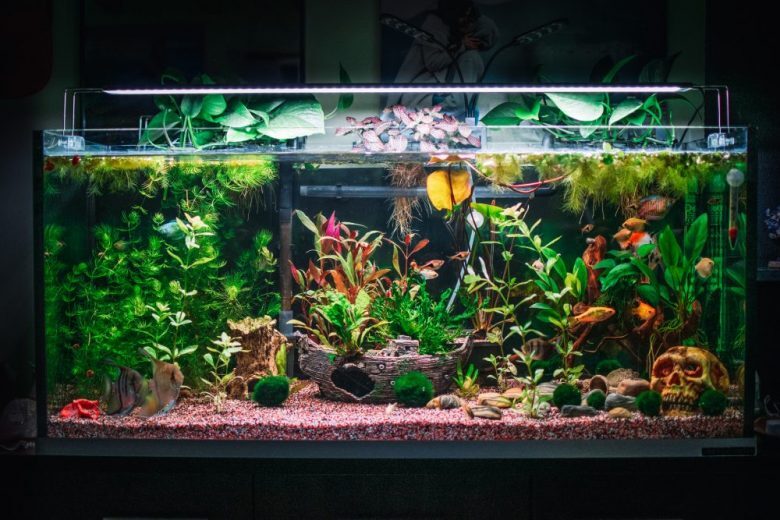
Returning home after a vacation is a welcome relief, and for aquarium enthusiasts, the immediate priority is ensuring their aquatic inhabitants and ecosystem are thriving. This section Artikels the essential steps to transition your aquarium back to its optimal state, addressing any potential impacts of your absence. A systematic approach will help you quickly identify and resolve any issues, ensuring a smooth recovery for your underwater world.The initial assessment upon your return is crucial for understanding the immediate health of your aquarium.
This involves a visual inspection and a check of key parameters. By observing your fish, invertebrates, and plants, you can gain valuable insights into their well-being and the overall stability of the environment.
Aquarium Condition Assessment
Upon re-entering your home, your first action should be a thorough visual inspection of your aquarium. Observe your fish for any signs of stress, unusual behavior, or physical ailments. Look for lethargy, erratic swimming, clamped fins, or spots on their bodies. Check on your invertebrates, such as shrimp and snails, to ensure they are active and not showing any signs of distress.
Inspect your plants for wilting, algae growth, or decay. Also, note the clarity of the water; cloudiness can indicate a buildup of waste or a bacterial bloom. Examine all equipment, including filters, heaters, and air pumps, to confirm they are functioning correctly and without any unusual noises or vibrations.
Resuming Normal Feeding Routines
Gradually reintroducing your regular feeding schedule is vital to prevent overfeeding and water quality issues. Your fish may have experienced a period of reduced feeding or fasting, and their digestive systems need time to readjust. Start with smaller portions than usual and observe how your fish consume the food.
When resuming feeding, consider the following approach:
- Day 1: Offer a small portion, about half of what you would normally feed. Observe if all the food is consumed within a few minutes.
- Day 2: If the fish consumed the smaller portion readily and there are no signs of digestive upset (like bloating or excessive waste), increase the portion slightly, but still aim for less than your pre-vacation amount.
- Day 3 onwards: Continue to gradually increase the feeding amount over the next few days until you reach your standard feeding regimen. Monitor your fish closely for any signs of overfeeding, such as uneaten food lingering in the tank or increased waste production.
It is better to err on the side of caution and feed slightly less for the first few days than to risk overwhelming your filtration system.
Monitoring Water Parameters
Consistent monitoring of water parameters is essential to ensure the aquarium’s stability and the health of its inhabitants. During your absence, even with automated systems, slight fluctuations can occur. Regular testing will help you identify any deviations from the ideal ranges.
Key water parameters to test include:
- Ammonia: This is a highly toxic compound produced by fish waste and decaying organic matter. Even small amounts can be harmful.
- Nitrite: Another toxic compound that follows ammonia in the nitrogen cycle. High levels indicate an issue with the biological filter.
- Nitrate: The end product of the nitrogen cycle, less toxic than ammonia and nitrite, but high levels can still stress fish and promote algae growth.
- pH: The measure of acidity or alkalinity, which is crucial for the health of most aquatic life.
- Temperature: Ensure the heater has maintained a stable and appropriate temperature for your specific species.
It is recommended to test these parameters daily for the first few days after your return, then reduce to every other day, and eventually back to your regular testing schedule as stability is confirmed.
Addressing Minor Aquarium Issues
During your assessment, you may notice minor issues that require prompt attention. Addressing these promptly can prevent them from escalating into larger problems.
Common minor issues and their solutions include:
- Slight cloudiness: This can often be resolved with increased mechanical filtration or a small water change. If it persists, it may indicate a bacterial bloom that will typically resolve on its own over a few days, provided ammonia and nitrite are at zero.
- Minor algae bloom: A small increase in algae is not uncommon. Ensure your lighting schedule is correct and consider a partial water change. Avoid drastic chemical treatments unless absolutely necessary.
- Fish showing mild stress: Ensure water parameters are optimal and the feeding is adjusted. Sometimes, simply seeing you return can reduce stress.
Post-Vacation Aquarium Cleaning Plan
If your initial assessment reveals a need for a more thorough cleaning, it’s best to approach it systematically to avoid shocking your system. A comprehensive cleaning plan should prioritize water quality and the health of your biological filter.
A post-vacation cleaning might involve:
- Water Change: Begin with a partial water change, typically 20-30% of the tank volume. Use dechlorinated and temperature-matched water.
- Substrate Vacuuming: If detritus has accumulated, gently vacuum a portion of the substrate during the water change. Avoid disturbing the entire substrate bed at once, as this can release harmful compounds and disrupt beneficial bacteria.
- Algae Removal: Use an algae scraper or pad to clean the aquarium glass. Remove any excessively overgrown algae from decorations.
- Filter Maintenance: Check your filter media. If it is heavily clogged, rinse it gently in old tank water (never tap water, as chlorine can kill beneficial bacteria). Avoid replacing all filter media at once.
- Plant Trimming: Trim any dead or decaying leaves from your aquatic plants. This helps maintain water quality and encourages new growth.
If significant detritus or algae is present, you may need to perform a series of smaller water changes over a week to gradually restore water quality rather than a single large one.
Final Review
By diligently following these steps, you can transform potential vacation worries into a worry-free escape. From meticulous maintenance and automated feeding to robust emergency plans, this guide empowers you to enjoy your time away, confident that your aquatic ecosystem is in capable hands—or rather, systems. Returning to a vibrant and healthy aquarium will be the perfect welcome home, allowing you to fully savor the memories of your travels.