Embark on a journey into the fascinating world of aquarium keeping, where the well-being of your aquatic companions hinges on a fundamental yet often overlooked aspect: proper feeding. This guide will illuminate the path to ensuring your fish thrive, moving beyond guesswork to a science-backed approach. Prepare to discover the secrets to a vibrant and healthy aquatic ecosystem, all through the lens of optimal nutrition.
Understanding the precise dietary needs of your aquarium inhabitants, the array of food options available, and the crucial link between feeding and water quality are the cornerstones of successful fish keeping. We will delve into identifying the subtle yet significant signs of both overfeeding and underfeeding, empowering you to make informed decisions that directly impact your fish’s health and longevity.
Understanding the Basics of Fish Feeding
Proper feeding is a cornerstone of aquarium health, directly impacting your fish’s vitality, growth, and even their susceptibility to diseases. Understanding the fundamental needs of your aquatic inhabitants and the various food options available is crucial for maintaining a thriving ecosystem within your aquarium. This section will delve into these essential aspects, providing you with the knowledge to make informed decisions about what and how much to feed your fish.The dietary requirements of aquarium fish vary significantly depending on their species, origin, and natural feeding behaviors.
Generally, fish can be categorized into herbivores, carnivores, and omnivores, each with specific nutritional needs. For instance, herbivorous fish, like many plecostomus varieties, require a diet rich in plant matter, while carnivorous fish, such as bettas or oscars, thrive on protein-based foods. Omnivorous species, a large group including many popular aquarium fish like tetras and guppies, benefit from a balanced diet encompassing both plant and animal matter.
Providing a varied diet that mimics their natural feeding habits is key to ensuring optimal health and preventing nutritional deficiencies.
Fish Food Types and Suitability
The market offers a wide array of fish foods, each designed to meet different nutritional profiles and feeding preferences. Selecting the appropriate food type is essential for ensuring your fish consume and digest their meals effectively.Here are the common types of fish food and their general suitability:
- Flake Foods: These are lightweight, easily digestible, and suitable for most surface-feeding and mid-water dwelling fish. They are often formulated as a balanced diet but can lose nutritional value if left to float for extended periods.
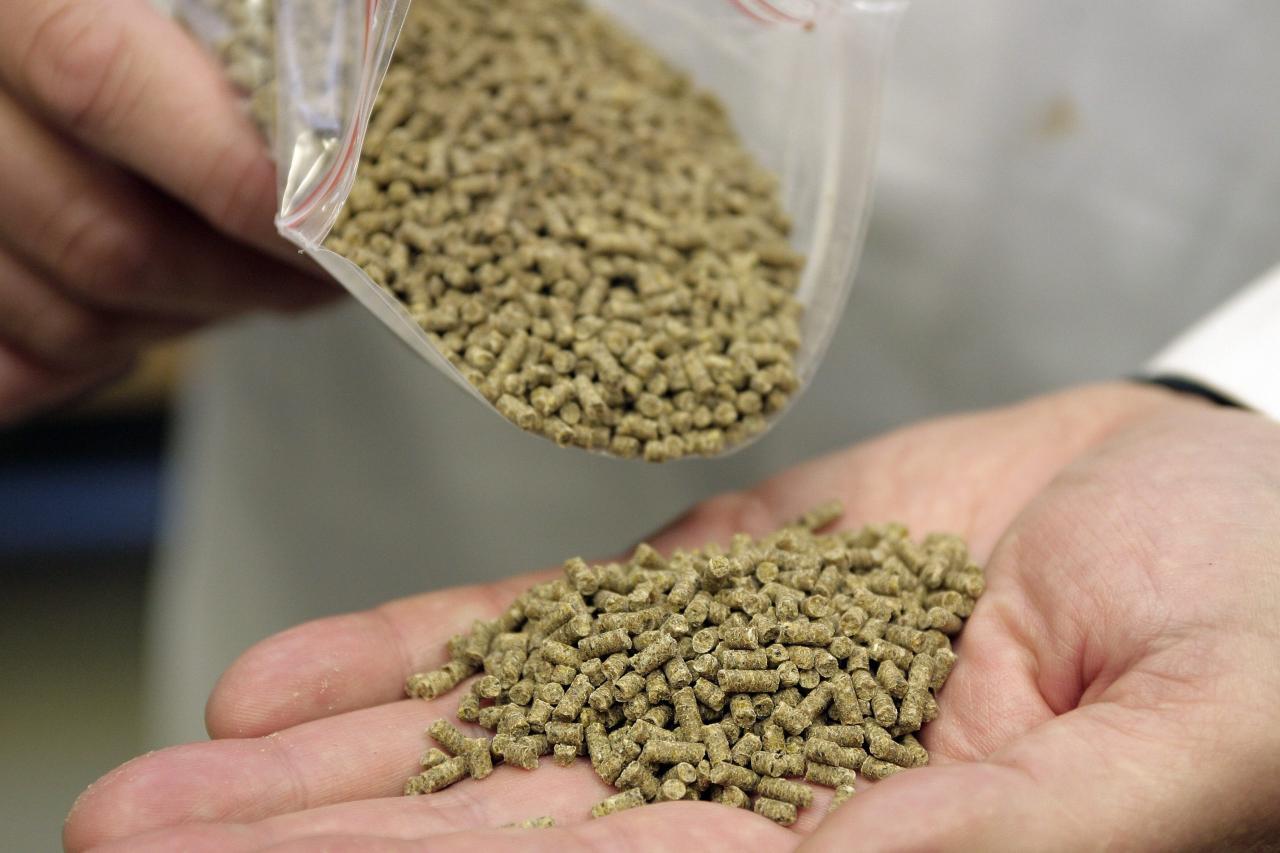
- Pellet Foods: Pellets come in various sizes and densities, sinking or floating depending on the formulation. They are excellent for bottom-feeding fish (sinking pellets) and for larger fish that prefer a more substantial meal. Pellets generally retain their nutrients better than flakes.
- Frozen Foods: These include items like brine shrimp, bloodworms, daphnia, and mysis shrimp. Frozen foods are highly palatable and offer excellent nutritional value, particularly for carnivorous and insectivorous fish. They should be thawed before feeding and are best used as a supplement to a staple diet.
- Live Foods: Such as brine shrimp, daphnia, and mosquito larvae. Live foods are the most natural and can stimulate feeding instincts in picky eaters. However, they carry a risk of introducing parasites or diseases if not sourced from reputable suppliers.
Water Quality and Feeding Habits
A direct correlation exists between feeding habits, the amount of food offered, and the resulting water quality in an aquarium. Uneaten food decomposes, releasing ammonia, which is toxic to fish and can lead to a decline in water quality. This decomposition process consumes oxygen, further stressing the aquatic environment. Therefore, mindful feeding practices are paramount for maintaining a healthy and stable aquarium.The decomposition of uneaten food is a primary contributor to ammonia spikes in aquariums.
Ammonia is highly toxic to fish, damaging their gills and internal organs, and can be fatal in sufficient concentrations.
Regular water testing for ammonia, nitrite, and nitrate is a crucial practice for all aquarists to monitor the impact of feeding and other biological processes.
Signs of Overfeeding and Underfeeding
Recognizing the signs of both overfeeding and underfeeding is vital for adjusting feeding routines and ensuring the well-being of your aquarium inhabitants. Each condition can lead to distinct health issues and behaviors in fish.Overfeeding can manifest in several observable ways:
- Bloated Appearance: Fish may appear visibly swollen, particularly around the abdomen.
- Lethargy: Overfed fish often become sluggish and less active than usual.
- Cloudy Water: Excessive uneaten food contributes to bacterial blooms, making the water cloudy.
- Increased Waste: A noticeable increase in fish waste and debris at the bottom of the tank indicates undigested food.
- Algae Blooms: Excess nutrients from uneaten food can fuel rapid algae growth.
Conversely, underfeeding can lead to:
- Loss of Body Condition: Fish may appear thin, with visible skeletal structure or sunken eyes.
- Reduced Growth Rate: Young fish will not grow as expected, and adult fish may lose weight.
- Aggression: In some species, hunger can lead to increased aggression towards tank mates.
- Color Fading: Nutritional deficiencies can result in dull or faded coloration.
- Weakened Immune System: Underfed fish are more susceptible to diseases and infections.
Determining the Correct Amount of Food
Understanding how much to feed your aquarium fish is as crucial as knowing what to feed them. Overfeeding can lead to water quality issues and health problems for your fish, while underfeeding can result in malnutrition and stunted growth. This section will guide you through the process of accurately determining the right portion sizes and feeding schedules for your aquatic inhabitants.The amount of food your fish require is not a one-size-fits-all answer.
It depends on a variety of factors, and by carefully considering these, you can ensure your fish receive optimal nutrition without negatively impacting their environment.
Calculating Appropriate Portion Size
The most common and effective method for determining the correct amount of food is the “three-minute rule.” This rule suggests feeding your fish only as much as they can consume within a three-minute period. This approach helps prevent uneaten food from decaying in the aquarium, which can pollute the water.To implement the three-minute rule, follow these steps:
- Start by offering a small amount of food.
- Observe your fish as they eat.
- Continue to add small amounts of food until most of the fish have stopped actively eating or the food is no longer being consumed rapidly.
- Remove any uneaten food immediately after the three minutes have passed.
- For subsequent feedings, adjust the initial amount based on how much was consumed. If they ate everything very quickly, you might slightly increase the amount next time. If there was a significant amount left, reduce it.
It is always better to err on the side of caution and slightly underfeed than to overfeed. You can always add a little more food if you notice your fish are still actively searching for it after a few minutes, but removing excess food is more challenging.
Daily Feeding Frequency Guidelines
The frequency with which you feed your fish can vary significantly based on their species, age, and metabolic rate. While many common aquarium fish thrive on one or two feedings per day, some have different requirements.Here are general guidelines for feeding frequency:
- Adult Omnivorous and Herbivorous Fish: Typically do well with one feeding per day. This allows their digestive systems adequate time to process the food.
- Adult Carnivorous Fish: May benefit from being fed every other day, or even less frequently, depending on the size of their meal and their specific needs. This mimics their natural feeding patterns.
- Fry and Juvenile Fish: Require more frequent feedings, often three to six times a day, as they are growing rapidly and have high metabolic rates. Small, easily digestible portions are key.
- Species with Specialized Diets: Some fish, like filter feeders or those with very specific dietary needs, may require unique feeding schedules and methods. Researching the specific requirements of each species is essential.
It is important to note that these are general guidelines. Always consult specific care sheets for the species you are keeping to ensure you are meeting their individual dietary needs.
Factors Influencing Feeding Quantity and Frequency
Several factors play a role in determining how much and how often to feed your aquarium fish. Understanding these variables will help you fine-tune your feeding strategy for optimal fish health.Key influencing factors include:
- Fish Size: Larger fish generally require larger or more frequent meals than smaller fish. However, a very large fish might have a slower metabolism than a small, active one.
- Age: Juvenile fish are in a growth phase and need more frequent, nutrient-rich feedings. Adult fish, once their growth has plateaued, require less.
- Activity Level: Highly active fish, such as schooling tetras or active swimmers, burn more energy and may require slightly more food or more frequent feedings than sedentary fish like plecos or bettas.
- Water Temperature: Fish metabolism is directly influenced by water temperature. In warmer water, their metabolism increases, and they may require more food. In cooler water, their metabolism slows, and they may need less.
- Reproductive State: Fish preparing to breed or those that have recently spawned may have altered nutritional needs.
- Health Status: Sick or recovering fish may have reduced appetites or specific dietary needs.
The three-minute rule is a good starting point, but observing your fish’s condition, energy levels, and waste production will provide further clues as to whether your feeding regimen is appropriate.
Sample Feeding Schedule for a Mixed Community Aquarium
Creating a feeding schedule for a mixed community aquarium requires balancing the needs of various species. The goal is to provide adequate nutrition for all fish without overfeeding any single group. This sample schedule is for a typical community tank with adult fish.Here is a sample feeding schedule:
| Time of Day | Type of Food | Fish Targeted | Amount (approximate) | Notes |
|---|---|---|---|---|
| Morning (e.g., 8:00 AM) | High-quality flake food or micro-pellets | Small schooling fish (tetras, danios, rasboras), guppies, mollies | Enough for all to consume within 2-3 minutes | Ensure food is distributed to reach all areas of the tank. |
| Evening (e.g., 6:00 PM) | Sinking pellets or wafers | Bottom dwellers (corydoras, loaches), otocinclus, shrimp | Enough for all to consume within 2-3 minutes | Drop food near the bottom where these fish feed. |
| Once or Twice Weekly (Optional) | Frozen or live food (e.g., bloodworms, brine shrimp, daphnia) | All fish (as a treat and supplement) | Small portions, offered during one of the regular feeding times | Provides variety and essential nutrients. Do not overdo it. |
This schedule assumes adult fish with moderate activity levels. Adjustments may be necessary based on the specific species present, their age, and their observed consumption. It is always recommended to feed a varied diet to ensure a broad spectrum of nutrients.
Feeding Techniques and Best Practices
Ensuring your aquarium fish receive the correct amount of food involves more than just portion control; it also requires effective feeding techniques and adherence to best practices. These methods help guarantee that all inhabitants of your aquarium, regardless of their position in the tank or feeding habits, have access to nutrition. Implementing these strategies will contribute to a healthier and more vibrant aquarium ecosystem.The way you introduce food into the aquarium plays a significant role in its consumption.
Different types of fish have varying feeding behaviors, and employing the right techniques ensures that food reaches them without being wasted or inaccessible. Observing your fish during feeding times is also a critical component of successful aquarium management, providing valuable insights into their health and dietary needs.
Effective Food Introduction Methods
Distributing food evenly throughout the aquarium is crucial to prevent overfeeding in one area and underfeeding in another. This is particularly important in tanks with diverse fish populations, where some species may be more aggressive feeders than others. The goal is to create an environment where every fish has a fair opportunity to eat.For flake foods, a gentle pinch sprinkled across the surface is often sufficient.
Avoid dumping large quantities in one spot. For pellet or granular foods, a similar approach of scattering can be used. If you have fish that inhabit different levels of the tank, consider techniques that encourage food to reach those areas. For instance, sinking pellets can be dropped near the substrate for bottom-dwelling fish, while floating foods are ideal for surface feeders.
Feeding Finicky Eaters and Specialized Diets
Some aquarium fish can be notoriously picky eaters or have very specific dietary requirements, making feeding a challenge. These fish may refuse standard flake or pellet foods and require specialized diets to thrive. Identifying these needs is the first step, followed by finding appropriate food sources.For finicky eaters, variety can be key. Offering a rotation of high-quality foods, including live or frozen options, can entice them to eat.
For example, brine shrimp, bloodworms, or daphnia can be highly appealing to many fish. If a fish has a specific dietary need, such as being a herbivore, it’s essential to provide foods rich in plant matter, like spirulina-based flakes or algae wafers. For carnivorous fish, a diet of high-protein foods, such as specialized carnivorous pellets or frozen seafood, is necessary.
Always research the specific dietary needs of your fish species to ensure you are providing a balanced and appropriate diet.
Observing Fish During Feeding
Observing your fish’s behavior during feeding is an invaluable practice for assessing their health, appetite, and the effectiveness of your feeding strategy. This direct observation allows you to gauge how much food is being consumed and identify any potential problems early on.During feeding, pay attention to how eagerly your fish approach the food. Do they seem enthusiastic, or are they hesitant?
Note if all fish are actively participating in feeding, or if certain individuals are being excluded. Observe the speed at which the food is consumed; if it disappears rapidly, you may be underfeeding. Conversely, if a significant amount of food remains uneaten after a few minutes, you are likely overfeeding. This observation also helps in identifying signs of illness, such as lethargy or a lack of interest in food, which can be early indicators of health issues.
“Consistent observation during feeding is a cornerstone of proactive aquarium health management.”
Essential Feeding Equipment and Supplies Checklist
Having the right equipment can significantly streamline the feeding process and ensure accuracy. While not extensive, a few key items can make a substantial difference in maintaining a healthy aquarium environment.
- Food Storage Containers: Airtight containers are essential to keep dry foods fresh and prevent spoilage.
- Feeding Rings or Cups: These can help contain floating foods in a specific area, preventing them from spreading throughout the tank and making it easier to monitor consumption.
- Siphon or Gravel Vacuum: Crucial for removing uneaten food promptly, which helps maintain water quality and prevent ammonia spikes.
- Tweezers or Feeding Sticks: Useful for hand-feeding specific fish or for introducing live foods precisely.
- High-Quality Fish Food: A variety of appropriate foods tailored to your fish species’ dietary needs.
- Water Testing Kit: Essential for monitoring water parameters, especially if overfeeding is suspected, as uneaten food can impact ammonia and nitrite levels.
Common Feeding Mistakes to Avoid
Even with the best intentions, aquarium keepers can inadvertently make feeding mistakes that negatively impact their fish and the overall health of their aquatic environment. Understanding these common pitfalls is crucial for ensuring your fish thrive and your aquarium remains a balanced ecosystem. This section will highlight the most frequent errors and their consequences, empowering you to provide optimal care.Overfeeding is arguably the most prevalent and detrimental feeding mistake.
When fish are given more food than they can consume in a few minutes, the uneaten portions begin to decompose. This decomposition process consumes dissolved oxygen in the water, which is vital for fish respiration. As oxygen levels drop, fish can experience stress, reduced immunity, and even suffocation. Furthermore, decaying food contributes to elevated levels of ammonia and nitrite, highly toxic compounds that can poison your fish and lead to a complete aquarium crash.
Detrimental Effects of Overfeeding
Overfeeding leads to a cascade of negative consequences for both fish and their habitat. The most immediate impact is on the fish’s digestive system, which can become overloaded, leading to bloating and constipation. More critically, the excess nutrients from uneaten food fuel the growth of undesirable algae, clouding the water and detracting from the aesthetic appeal of the aquarium. The long-term effects include chronic stress on the fish, making them more susceptible to diseases and parasites, and ultimately shortening their lifespan.
The nitrogen cycle, the cornerstone of a healthy aquarium, becomes severely compromised as the biological filter struggles to process the overwhelming ammonia load.
Harmful Consequences of Underfeeding
While overfeeding is more commonly discussed, underfeeding can be equally detrimental to fish health. Fish that are consistently deprived of adequate nutrition will suffer from malnutrition, leading to stunted growth, weakened immune systems, and a general lack of vitality. In severe cases, underfeeding can lead to starvation, particularly in young or rapidly growing fish. Fish that are underfed may also become more aggressive towards tank mates as they compete for scarce resources.
It is essential to strike a balance, providing enough food for healthy growth and activity without leaving significant amounts uneaten.
Risks Associated with Inappropriate Food Types
Feeding fish foods that are not suited to their dietary needs or species can have serious health implications. For instance, feeding a carnivorous fish a diet primarily composed of plant matter will lead to nutritional deficiencies. Conversely, feeding an herbivorous fish a diet too rich in protein can cause digestive issues and contribute to swim bladder problems. Different fish have evolved to consume specific types of food, and their digestive systems are adapted accordingly.
Using flakes for bottom-dwelling fish that prefer sinking pellets, or vice versa, can also lead to uneaten food accumulating and decomposing, contributing to water quality issues.
Problems Arising from Inconsistent Feeding Routines
Establishing and maintaining a consistent feeding schedule is vital for the well-being of aquarium fish. Irregular feeding patterns can disrupt a fish’s natural metabolism and digestive rhythms. When fish are fed sporadically, they may experience periods of stress due to hunger followed by overconsumption when food is finally provided. This inconsistency can also lead to behavioral changes, such as increased anxiety or aggression.
A stable feeding routine helps to regulate their internal systems, promoting better digestion, nutrient absorption, and overall health.
Adapting Feeding for Different Life Stages and Conditions
Just as human nutritional needs change throughout our lives, so too do those of our aquarium inhabitants. Understanding these variations is crucial for promoting optimal health, growth, and reproductive success. This section delves into how to tailor feeding strategies to meet the specific requirements of fish at different life stages and under various environmental conditions.
Fry and Juvenile Fish Nutrition
Young fish, or fry and juveniles, have vastly different dietary needs compared to their adult counterparts. Their primary focus is on rapid growth, which requires a diet rich in protein and essential nutrients that support development.
Fry require food that is small enough to be ingested and highly digestible. Initially, many fry species thrive on live foods such as newly hatched brine shrimp (Artemia), microworms, or infusoria. As they grow, they can be transitioned to finely powdered flake foods or specialized juvenile growth formulas. The frequency of feeding for fry is also higher, often requiring multiple small meals throughout the day to sustain their continuous growth and high metabolism.
Juvenile fish, while no longer requiring the microscopic food of fry, still benefit from a diet that emphasizes protein for muscle development and rapid growth. Foods like high-quality flake or pellet foods formulated for juveniles, supplemented with protein-rich frozen or live foods, are ideal. It is important to monitor their growth and adjust food portions accordingly, ensuring they are not overfed, which can lead to health issues.
Feeding During Breeding and Illness
The physiological demands on fish change significantly during breeding and when they are unwell. Adjusting their diet during these critical periods can greatly impact their recovery and reproductive success.
Breeding Fish: For fish preparing to breed, a nutrient-dense and varied diet is essential to provide the energy reserves needed for spawning and egg production. Increased protein and vitamin levels are particularly beneficial. For egg-layers, a diet rich in lipids and vitamins can improve egg quality and fertility. For livebearers, ensuring adequate calcium and essential fatty acids can support healthy fry development within the mother.
Live foods, such as bloodworms or brine shrimp, are often excellent choices to stimulate appetite and provide vital nutrients.
Sick Fish: When fish are ill, their digestive systems may be compromised, and their appetite can decrease. The primary goal is to provide easily digestible nutrition without overstressing their system. Some common strategies include offering highly palatable, protein-rich foods that are also easy to digest, such as gel foods or specially formulated therapeutic diets if prescribed by a veterinarian. Forcing food is generally not recommended, as it can cause more stress.
Instead, focus on offering small, frequent meals of appealing food. In some cases, a short period of fasting may be beneficial to allow the digestive system to rest, especially if constipation or digestive upset is suspected.
Seasonal and Temperature Fluctuations in Diet
Fish are ectothermic, meaning their body temperature is regulated by their environment. Consequently, changes in water temperature directly influence their metabolism and, therefore, their feeding requirements.
During warmer months or when aquarium heaters maintain a higher temperature, fish metabolism is typically elevated. This means they require more frequent feedings and a slightly higher quantity of food to meet their increased energy demands. Conversely, during cooler periods, or in unheated tanks experiencing seasonal drops in temperature, a fish’s metabolism slows down. In these instances, feeding frequency and quantity should be reduced to prevent overfeeding and potential digestive issues, as their bodies process food more slowly.
“Fish metabolism is directly correlated with water temperature; higher temperatures necessitate increased food intake, while lower temperatures require reduced feeding to avoid metabolic overload.”
Transitioning Fish to New Foods
Introducing new foods is a common practice to ensure a varied and balanced diet, but it must be done gradually to avoid digestive upset and to encourage acceptance.
The process of transitioning fish to a new type of food should be approached with patience. A common and effective method is gradual introduction. Start by mixing a small percentage of the new food with their current staple diet. For instance, begin with a 10-20% ratio of the new food to 80-90% of their usual food. Over several days, slowly increase the proportion of the new food while decreasing the old food.
Observe the fish closely for any signs of digestive distress, such as bloating, lethargy, or changes in waste, and adjust the transition rate accordingly.
For finicky eaters, or when introducing very different food types (e.g., from flakes to pellets), soaking the new food in fish-attracting liquids like garlic extract or vitamin supplements can make it more appealing. If the fish show no interest after several attempts, it may be necessary to revert to their preferred food and try a different new food later, or to experiment with different brands or forms of the new food.
Visualizing Feeding Amounts
Understanding the right quantity of food for your aquarium fish is crucial for their health and the well-being of your aquatic environment. Visual cues are your most reliable guides, helping you to accurately gauge how much to feed and recognize when your fish are thriving. This section will delve into how to interpret these visual signals to ensure optimal feeding practices.The key to successful feeding lies in observation.
By paying close attention to your fish’s behavior and their physical condition immediately after feeding, you can fine-tune portion sizes and prevent common issues like overfeeding or underfeeding. This observational approach is more effective than relying solely on rigid measurements, as it accounts for individual fish needs and environmental factors.
Ideal Visual Cue for Determining Food Amount
The ideal visual cue for determining the correct amount of food to offer is the speed at which your fish consume the food. When you introduce a small amount of food, observe how quickly your fish notice and begin to eat it. If they eagerly and rapidly consume the entire portion within a minute or two, it suggests that this quantity is appropriate.
The food should disappear without significant remnants sinking to the bottom of the tank.
Properly Fed Fish Immediately After a Meal
A properly fed fish immediately after a meal will appear active and healthy, with a slightly rounded belly. Their swimming will be energetic and purposeful, and they will show no signs of distress or lethargy. Their coloration should remain vibrant. It’s important to note that their bellies should be gently rounded, not distended or bloated, which could indicate overfeeding. The fish should have consumed all the food offered, leaving the water clear.
Visual Indicators of Appetite and Interest
Observing your fish’s behavior before and during feeding provides clear indicators of their appetite and interest in food.
- Healthy Appetite: Fish with a healthy appetite will actively swim to the surface or the feeding area as soon as they see you approaching or recognize the feeding routine. They will exhibit rapid, enthusiastic eating, quickly consuming all offered food. Their movements will be quick and decisive, and they may even nip at each other playfully in their eagerness.
- Lack of Interest: A lack of interest in food can manifest in several ways. Fish may remain at the bottom of the tank, appear sluggish, or show little to no reaction when food is introduced. If they do nibble at the food, they may spit it out or ignore it altogether. This could signal illness, stress, poor water quality, or simply that they have been overfed previously and are not hungry.
Using the “Time to Eat” Rule for Portion Management
The “time to eat” rule is a practical method for managing portion sizes by observing how long it takes your fish to consume the food. This rule suggests offering only as much food as your fish can completely consume within a specific timeframe, typically 1-3 minutes.
The “time to eat” rule: Offer only the amount of food that your aquarium fish can completely consume within 1 to 3 minutes.
This method encourages you to start with a small pinch of food and observe your fish. If they finish it quickly and are still looking for more, you can offer another small pinch. If they are still eating after 3 minutes, or if food is left uneaten, you have offered too much. This approach helps prevent overfeeding, which can lead to poor water quality and health issues for your fish.
It’s a dynamic process that requires you to adjust based on your fish’s activity levels and the specific food being offered.
Final Review
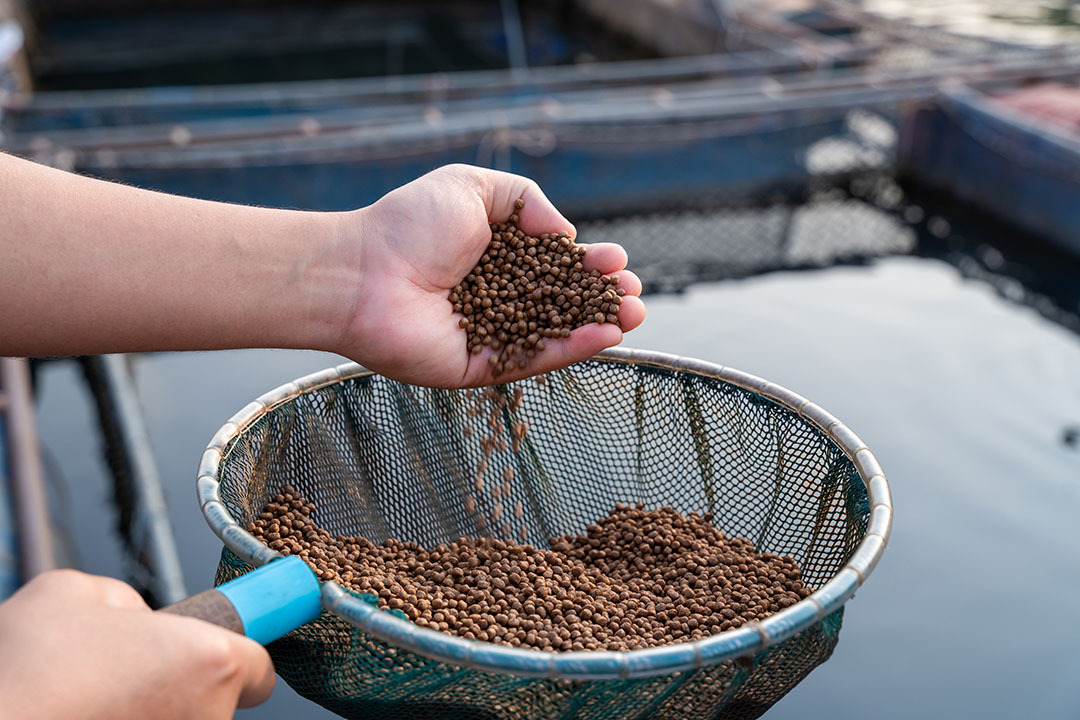
Mastering the art of feeding your aquarium fish the correct amount is a rewarding endeavor that fosters a thriving aquatic environment and ensures the vitality of your beloved pets. By applying the principles of calculated portions, strategic feeding schedules, and keen observation, you transform a routine task into a cornerstone of responsible fish husbandry. Embrace these best practices, and witness the positive transformation in your aquarium’s health and the spirited demeanor of its inhabitants.