Discovering a beloved aquatic companion has unexpectedly passed can be a distressing experience for any fish keeper. This guide offers a comprehensive and supportive approach to navigating such unfortunate events, providing clear steps and insights to help you understand and manage the situation with care and precision.
We will explore the immediate actions required, delve into the common causes behind sudden fish mortality, and Artikel essential investigative techniques to pinpoint the underlying issues. Furthermore, this resource will equip you with effective preventative measures to ensure the long-term health and well-being of your aquarium inhabitants.
Immediate Actions and Assessment
Discovering a deceased fish can be a distressing experience, but acting swiftly and methodically is crucial for the well-being of your remaining aquatic inhabitants. The initial moments after finding a deceased fish are critical for assessing the situation and preventing potential further losses. This section will guide you through the essential first steps to take.Upon noticing a deceased fish, it is important to remain calm and proceed with a series of immediate actions.
These steps are designed to quickly identify the cause of death and to mitigate any potential risks to the rest of your aquarium’s ecosystem.
Visual Inspection of the Deceased Fish
A thorough visual examination of the deceased fish can provide valuable clues about the cause of death. Observing specific physical characteristics can help narrow down the possibilities and inform your subsequent actions.When examining the deceased fish, pay close attention to the following:
- Appearance of the Body: Note any discoloration, bloating, redness, lesions, or fuzzy patches on the skin and fins.
- Eyes: Check if the eyes are sunken, bulging, cloudy, or missing.
- Gills: Observe the color and condition of the gills. Healthy gills are typically bright red; pale, dark, or mucus-covered gills can indicate a problem.
- Fins: Look for signs of fin rot, frayed edges, or clamped fins.
- Abdomen: A distended or sunken abdomen can point to internal issues.
- External Parasites: Examine closely for any visible parasites, such as ich (white spots), velvet (gold dust appearance), or larger organisms.
Environmental Parameter Testing
The aquarium’s water parameters are often the primary culprits behind fish mortality. Testing these parameters immediately after discovering a deceased fish is essential to identify any critical imbalances that may be affecting or could affect other fish.A checklist of immediate environmental parameters to test includes:
- Ammonia: This is a highly toxic compound produced by fish waste and decaying organic matter. Levels should ideally be 0 ppm.
- Nitrite: Another toxic compound in the nitrogen cycle. Levels should also be 0 ppm.
- Nitrate: The end product of the nitrogen cycle. While less toxic than ammonia and nitrite, high levels can still stress fish. Levels below 20-40 ppm are generally recommended.
- pH: The measure of acidity or alkalinity. Each fish species has a preferred pH range, and sudden fluctuations can be fatal.
- Temperature: Ensure the water temperature is within the appropriate range for your fish species and is stable.
- Dissolved Oxygen: While not always tested immediately, low dissolved oxygen can be a cause of death, especially in overstocked or poorly aerated tanks.
“Consistent monitoring of water parameters is the cornerstone of a healthy aquarium environment, preventing silent killers from impacting your fish.”
Isolation of Sick Fish
If you notice any other fish exhibiting signs of illness, such as lethargy, abnormal swimming patterns, loss of appetite, or visible symptoms, it is imperative to isolate them immediately. This proactive measure helps prevent the spread of potential diseases to the rest of the aquarium population.The process of isolating sick fish involves:
- Carefully netting the sick fish.
- Transferring them to a separate quarantine or hospital tank.
- Ensuring the quarantine tank has appropriate water parameters and filtration.
- Observing the sick fish closely for further symptoms and beginning appropriate treatment if necessary.
Partial Water Change Procedure
A partial water change is a critical step in diluting toxins and improving water quality when a fish death is discovered. Performing this procedure correctly can significantly improve the conditions in your aquarium.Here is a step-by-step guide for performing a partial water change:
- Prepare New Water: Treat fresh tap water with a water conditioner to remove chlorine and chloramines. Ensure the new water is temperature-matched to the aquarium water to avoid shocking the fish.
- Siphon Water: Using an aquarium siphon or gravel vacuum, carefully remove approximately 20-30% of the aquarium water. While siphoning, you can also use the gravel vacuum to clean accumulated debris from the substrate.
- Add New Water: Slowly add the prepared, conditioned, and temperature-matched water back into the aquarium. Avoid pouring it directly onto the fish or decorations.
- Observe: After the water change, monitor your fish for any signs of stress or adverse reactions.
Identifying Potential Causes of Fish Death

Once immediate actions have been taken, the next crucial step in addressing a sudden fish death is to meticulously identify the potential causes. This involves a thorough examination of the aquarium environment, the deceased fish, and any recent changes. Understanding these factors will not only help prevent future occurrences but also inform the best course of action for the remaining inhabitants.A comprehensive investigation into the factors contributing to a fish’s demise is paramount for effective aquarium management and the well-being of other aquatic life.
This section delves into the common culprits that can lead to sudden mortality in fish, providing the knowledge necessary to diagnose and rectify issues.
Water Quality Parameters and Their Impact
Water quality is the cornerstone of a healthy aquatic environment. Deviations from optimal parameters can rapidly stress fish, leading to illness and death. Monitoring and maintaining these parameters within their appropriate ranges is essential for preventing fish mortality.
The primary water quality parameters to consider are:
- Ammonia (NH3/NH4+): A highly toxic compound produced from the breakdown of fish waste, uneaten food, and decaying organic matter. Even low concentrations can damage fish gills, impair oxygen uptake, and lead to internal organ damage. Symptoms of ammonia poisoning include rapid gill movement, lethargy, redness of gills, and loss of appetite.
- Nitrite (NO2-): The intermediate product of the nitrogen cycle, also highly toxic. Nitrite interferes with the blood’s ability to carry oxygen, leading to “brown blood disease.” Fish suffering from nitrite poisoning may gasp at the surface, appear lethargic, and exhibit dark or brownish gills.
- Nitrate (NO3-): The end product of the nitrogen cycle, generally less toxic than ammonia and nitrite, but elevated levels can still cause stress, suppress the immune system, and contribute to algae blooms. Chronic exposure to high nitrates can lead to stunted growth and reduced reproductive success. Regular water changes are crucial for keeping nitrates in check.
- pH: Measures the acidity or alkalinity of the water. Most tropical freshwater fish thrive in a pH range of 6.5 to 7.5. Sudden fluctuations or extreme pH levels can stress fish, disrupt gill function, and negatively impact the biological filter. A sudden drop in pH can be particularly dangerous, leading to rapid death.
Distinguishing Disease Signs from Environmental Stress
It is vital to differentiate between symptoms indicative of a disease and those resulting from environmental stressors. While some signs may overlap, understanding the underlying cause is critical for appropriate treatment.
Environmental stress often manifests as general malaise, while diseases typically present with more specific and localized symptoms:
- Environmental Stress: Lethargy, rapid breathing, clamped fins, loss of appetite, erratic swimming, and increased susceptibility to secondary infections. These are often generalized responses to suboptimal conditions such as poor water quality, overcrowding, or temperature shock.
- Disease Signs: Specific lesions on the body (spots, fuzzy patches, ulcers), fin rot, swollen abdomen, bulging eyes, abnormal swimming behavior (e.g., listing, darting), and changes in coloration. These are usually direct indicators of pathogens or parasites affecting the fish.
Common Fish Diseases and Their Typical Symptoms
A variety of diseases can affect aquarium fish. Familiarity with common ailments and their symptoms can aid in early diagnosis and intervention.
Here are some prevalent fish diseases and their characteristic symptoms:
- Ich (White Spot Disease): Characterized by small, white, salt-like spots appearing on the fish’s body and fins. Affected fish may also exhibit scratching against tank decorations, rapid breathing, and lethargy.
- Fin Rot: A bacterial infection causing the fins to fray, erode, and eventually disappear. The edges of the fins may appear milky or bloody.
- Fungal Infections: Often appear as cottony or fuzzy white patches on the fish’s body, fins, or mouth. Affected areas may become inflamed.
- Velvet Disease: Caused by a parasite, it presents as a fine, powdery, yellowish or rust-colored coating on the fish’s body, resembling a dusting of gold. Affected fish may also develop rapid breathing and rub themselves against objects.
- Dropsy: A symptom rather than a disease, characterized by a swollen, bloated abdomen and protruding scales, giving the fish a pinecone-like appearance. This often indicates internal organ failure, usually due to bacterial infection.
The Role of Sudden Temperature Fluctuations
Fish are ectothermic, meaning their body temperature is regulated by their environment. Sudden and significant changes in water temperature can be extremely stressful and even fatal.
Sudden temperature shifts can cause:
- Thermal Shock: Rapid changes in temperature can shock a fish’s system, disrupting metabolic processes and potentially leading to organ damage or death. This is particularly dangerous when moving fish between tanks with different temperatures or during equipment malfunctions.
- Weakened Immune Systems: Consistent temperature stability is crucial for a robust immune system. Fluctuations can suppress a fish’s natural defenses, making them more vulnerable to diseases.
- Oxygen Depletion: Warmer water holds less dissolved oxygen. A sudden temperature increase, especially in an already oxygen-poor environment, can lead to suffocation.
Investigating Potential Poisoning
Poisoning from household chemicals or foreign objects introduced into the aquarium is a serious and often preventable cause of fish death. A careful review of recent activities and the aquarium environment is necessary.
To investigate potential poisoning, consider the following:
- Household Chemicals: Check for any accidental introduction of cleaning agents, aerosols, pesticides, or other chemicals near the aquarium. Even fumes from these substances can be toxic. Ensure lids are secure and avoid spraying chemicals in the same room as the aquarium.
- Foreign Objects: Examine the tank for any new decorations, substrate, or other items that may have leached toxins into the water. Some decorative items may not be aquarium-safe. Also, consider if any small objects could have been accidentally dropped into the tank.
- Medications: If any new medications were introduced into the tank, ensure they are specifically formulated for aquarium use and that the dosage was correct. Incorrect medication or dosage can be toxic.
- Contaminated Food: While less common, ensure the fish food has not been stored improperly or become contaminated.
The Impact of Overfeeding
Overfeeding is a common mistake that has detrimental effects on fish health and aquarium water quality. It creates a cascade of problems that can ultimately lead to fish death.
The consequences of overfeeding include:
- Ammonia and Nitrite Spikes: Uneaten food decomposes, releasing ammonia. This overwhelms the biological filter, leading to toxic spikes in ammonia and nitrite.
- Poor Water Quality: Excess food particles cloud the water and contribute to the buildup of organic waste, further degrading water quality.
- Digestive Issues: Fish can suffer from digestive problems, bloating, and swim bladder disorders if fed more than they can process.
- Reduced Oxygen Levels: The decomposition of uneaten food consumes dissolved oxygen in the water, which can lead to fish gasping for air.
- Fatty Liver Disease: In some species, chronic overfeeding can lead to fatty liver disease, a serious condition affecting organ function.
Investigating Tank Conditions and History
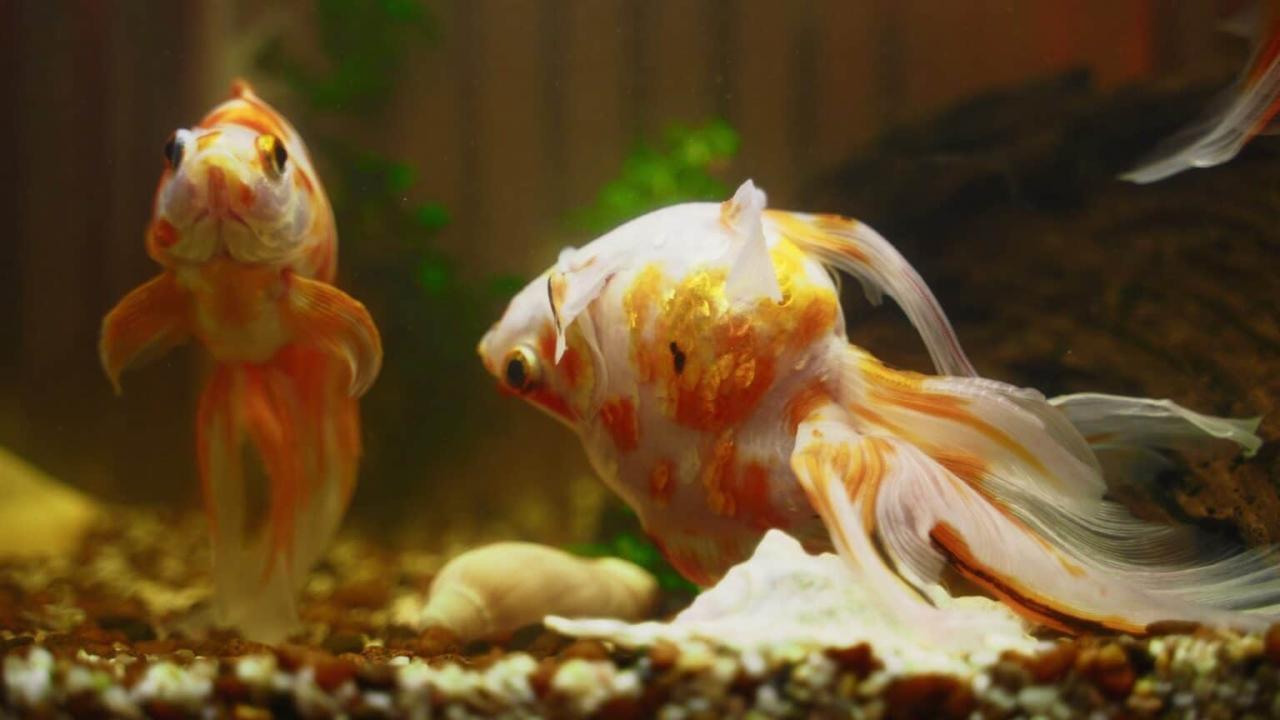
Understanding the environment in which your fish lived is crucial for determining the cause of death. A sudden demise often points to an acute issue within the aquarium. By systematically reviewing recent changes and the general state of the tank, you can uncover potential culprits.This section will guide you through a comprehensive review of your aquarium’s conditions and its history.
We will explore the questions to ask yourself about any alterations to your setup or routine, how to interpret water test results, the significance of observing fish behavior, assessing species compatibility, and the risks associated with introducing new inhabitants.
Recent Aquarium Changes and Routine Assessment
A thorough self-assessment of recent modifications to your aquarium’s environment and daily practices is paramount. Even minor adjustments can have significant impacts on fish health, especially if the change was abrupt or introduced stress.Consider the following aspects when reviewing your aquarium’s recent history:
- Water Parameters: Were there any recent water changes? If so, what percentage of water was changed, and how frequently? Was the new water treated with a dechlorinator?
- Temperature Fluctuations: Has the aquarium heater been functioning correctly? Have there been any significant temperature swings, either too high or too low, particularly overnight or during power outages?
- Filtration System: Was the filter recently cleaned or replaced? If so, was the filter media rinsed in old tank water or tap water? A drastic change to the established beneficial bacteria colony can lead to ammonia spikes.
- Substrate Disturbances: Has the substrate been significantly disturbed recently, such as during deep cleaning or aquascaping? This can release trapped toxins or disrupt beneficial bacteria.
- Decorations and Additives: Were any new decorations, plants, or chemical additives introduced to the tank? Ensure all new items are aquarium-safe and properly quarantined if necessary.
- Feeding Habits: Has the type or amount of food changed? Overfeeding can lead to poor water quality, while a sudden change in diet can stress fish.
- Tank Inhabitants: Were any new fish or invertebrates recently added to the tank? Were they properly acclimated?
Interpreting Water Testing Kit Results
Water testing kits are indispensable tools for diagnosing issues within an aquarium. They provide objective data on the chemical balance of the water, which directly affects fish well-being. Understanding how to interpret these results is key to identifying problems.When analyzing your water test results, pay close attention to the following parameters:
- Ammonia (NH3/NH4+): This is a highly toxic byproduct of fish waste and decaying organic matter. Levels should ideally be 0 ppm. Any detectable ammonia indicates a problem with the nitrogen cycle, often due to overfeeding, a dying fish, or an immature tank.
- Nitrite (NO2-): Another toxic compound in the nitrogen cycle. Like ammonia, nitrite should be 0 ppm. Elevated nitrite levels suggest that the beneficial bacteria colony is not yet fully established or has been compromised.
- Nitrate (NO3-): The end product of the nitrogen cycle, less toxic than ammonia or nitrite, but high levels can still be detrimental. Levels below 20-40 ppm are generally considered safe for most freshwater fish, with lower being better. High nitrates often indicate the need for more frequent water changes or a more efficient filtration system.
- pH: This measures the acidity or alkalinity of the water. Different fish species have specific pH requirements, and sudden swings in pH can be very stressful. Consistent and stable pH within the appropriate range for your fish is crucial.
- Temperature: While not always tested with standard kits, monitoring temperature is vital. Rapid or extreme temperature fluctuations can shock fish and compromise their immune systems.
- Hardness (GH/KH): General Hardness (GH) and Carbonate Hardness (KH) are important for maintaining stable pH and supporting the health of certain fish species, particularly those from specific geographical regions.
A stable and appropriate water chemistry is the foundation of a healthy aquarium ecosystem.
Documenting Pre-Mortem Fish Behavior
Observing and documenting the behavior of your fish in the days and hours leading up to a death can provide invaluable clues. Fish often exhibit subtle or overt signs of distress before succumbing to illness or environmental stress.When a fish dies suddenly, it is important to recall and record any unusual behaviors observed. This documentation can help identify patterns or specific symptoms that might point to a cause.
Consider noting:
- Lethargy or Hiding: Did the deceased fish become unusually inactive, spend more time hiding, or avoid interaction with other fish?
- Loss of Appetite: Did the fish stop eating or show reduced interest in food?
- Physical Changes: Were there any visible signs of illness, such as spots, fin rot, bloating, discoloration, or rapid breathing?
- Erratic Swimming: Did the fish swim unusually, such as darting, gasping at the surface, or struggling to stay upright?
- Social Behavior: Did the fish’s interactions with other tank mates change, such as increased aggression or isolation?
Even if you didn’t observe anything unusual, acknowledging this absence of change can also be informative, suggesting a very rapid or internal issue.
Assessing Fish Species Compatibility
In a community aquarium, the selection of inhabitants is critical for maintaining a peaceful and healthy environment. Incompatible species can lead to stress, injury, or death for one or more of the fish.When setting up a community tank or evaluating its current inhabitants, consider the following factors regarding species compatibility:
- Temperament: Some fish are naturally aggressive, while others are peaceful. Mixing aggressive species with timid ones can result in constant harassment and stress for the latter.
- Size: Ensure that all fish are of a similar size or that larger, more predatory fish are not housed with much smaller, vulnerable tank mates who could be seen as prey.
- Dietary Needs: Different fish have varying dietary requirements. If species with vastly different feeding habits are kept together, it can lead to competition for food or malnutrition for some.
- Water Parameter Preferences: As mentioned earlier, different fish species have specific requirements for pH, temperature, and hardness. Housing fish with conflicting needs can lead to suboptimal conditions for some or all.
- Nipping or Fin-Hoarding: Certain species are known to nip at the fins or tails of other fish, which can cause significant stress and lead to secondary infections.
- Territoriality: Some fish are highly territorial and will defend a specific area of the tank. This can lead to conflict if multiple territorial species are housed together without adequate space or hiding places.
Researching the specific needs and temperaments of any potential tank mate is essential before introducing them.
Potential Problems with New Aquarium Additions
Introducing new fish or invertebrates into an established aquarium carries inherent risks that must be carefully managed. Without proper quarantine and acclimation procedures, new additions can introduce diseases, parasites, or disrupt the existing ecological balance.The potential problems associated with new additions include:
- Disease Introduction: New fish may carry latent diseases or parasites that can spread to your existing inhabitants, leading to widespread illness and mortality. This is a very common cause of sudden fish deaths in established tanks.
- Stress from Acclimation: The process of introducing new fish to a different water chemistry and environment can be stressful. Improper acclimation, such as rapidly changing water parameters, can weaken the fish and make them susceptible to illness.
- Aggression and Stress: A new fish may be territorial or aggressive, leading to conflict with existing tank mates. Conversely, existing fish may bully or stress the newcomer.
- Overpopulation and Water Quality Degradation: Adding too many fish to a tank too quickly can overwhelm the filtration system, leading to rapid spikes in ammonia and nitrite, which are toxic to all inhabitants.
- Introduction of Inappropriate Species: Sometimes, hobbyists may unknowingly introduce species that are not suitable for their tank size, setup, or existing inhabitants, leading to future compatibility issues.
It is highly recommended to quarantine all new fish in a separate, smaller tank for at least 4-6 weeks before introducing them to the main aquarium. This allows you to observe them for any signs of illness and treat them if necessary, without jeopardizing your established community.
Preventative Measures for Future Fish Health
Ensuring the well-being of your aquatic inhabitants goes beyond reacting to emergencies. Proactive care and a thorough understanding of aquarium husbandry are crucial for preventing future fish deaths and fostering a thriving ecosystem. This section Artikels essential strategies to maintain a healthy environment for your fish.A well-maintained aquarium is a resilient aquarium. Establishing consistent routines for cleaning, water testing, and observation forms the bedrock of preventative fish care.
By adhering to a structured maintenance schedule, you can identify subtle issues before they escalate into serious problems.
Routine Aquarium Maintenance Schedule
A consistent maintenance schedule is vital for preventing the buildup of harmful substances and ensuring optimal water parameters. This proactive approach significantly reduces stress on fish and minimizes the risk of disease.A typical weekly and monthly maintenance schedule might include the following:
- Weekly:
- Perform a partial water change (10-25%) using dechlorinated water.
- Gently siphon detritus from the substrate.
- Wipe down the inside glass of the aquarium to remove algae.
- Test key water parameters: ammonia, nitrite, and nitrate.
- Observe fish for any signs of stress, illness, or unusual behavior.
- Bi-Weekly/Monthly:
- Clean or replace filter media as recommended by the manufacturer.
- Prune live plants if applicable.
- Clean aquarium decorations.
- Test pH and alkalinity.
Essential Equipment for a Healthy Fish Environment
Having the right equipment is fundamental to creating and maintaining a stable and healthy aquarium. Each piece of equipment plays a critical role in supporting the life within your tank.A comprehensive setup should include:
- Filtration System: Essential for removing waste and maintaining water clarity. Options include hang-on-back filters, internal filters, and canister filters, chosen based on tank size and bioload.
- Heater and Thermometer: Crucial for maintaining a stable water temperature appropriate for the species housed. Fluctuations can cause significant stress.
- Lighting System: Necessary for live plants and can influence fish behavior and well-being. The type and intensity should match the aquarium’s inhabitants and plant life.
- Water Testing Kits: Indispensable for monitoring key water parameters like ammonia, nitrite, nitrate, pH, and hardness.
- Water Conditioner/Dechlorinator: Removes chlorine and chloramines from tap water, making it safe for aquatic life.
- Gravel Vacuum/Siphon: Used for cleaning the substrate and performing water changes.
- Algae Scraper/Scrubber: For maintaining clear viewing panes.
- Buckets: Dedicated buckets for aquarium use only to prevent contamination.
Proper Acclimation Procedures for New Fish
Introducing new fish to an established aquarium without proper acclimation can be fatal. Acclimation gradually adjusts the new fish to the water parameters of their new home, minimizing shock and stress.There are two primary methods for acclimation:
- Drip Acclimation: This is the most recommended method, especially for sensitive species. It involves slowly introducing tank water to the bag containing the new fish over a period of 30-60 minutes, gradually raising the water level in a separate container until the fish is transferred.
- Float and Add Method: While less ideal, this involves floating the sealed bag in the aquarium for 15-20 minutes to equalize temperature, then gradually adding small amounts of tank water to the bag over another 15-20 minutes before netting the fish into the tank.
It is important to never add the water from the transport bag into the main aquarium, as it may contain disease-causing pathogens or harmful waste products.
Strategies for Selecting Healthy Fish
The health of your fish starts at the point of purchase. Choosing robust and disease-free specimens significantly reduces the risk of introducing illness into your aquarium.When selecting fish from a pet store, consider the following:
- Observe the Fish in the Store Tank: Look for fish that are actively swimming, alert, and interacting normally with their tank mates. Avoid fish that are lethargic, hiding excessively, gasping at the surface, or showing signs of fin rot, white spots, or frayed fins.
- Check the Tank Conditions: The store’s display tanks should be clean, with clear water and appropriate filtration. Overcrowded or poorly maintained tanks are red flags.
- Examine Individual Fish: Gently observe each fish you are interested in. Their eyes should be clear, not cloudy or bulging. Their scales should be smooth and intact, without any signs of damage or missing patches. Their breathing should be steady and not rapid.
- Inquire About Quarantine: A reputable store may have a quarantine system for new arrivals. Ask about their procedures for introducing new fish to their stock.
Appropriate Stocking Levels for Different Aquarium Sizes
Overstocking an aquarium is a common cause of poor water quality and fish stress, leading to increased susceptibility to disease and death. Maintaining appropriate stocking levels is crucial for a healthy ecosystem.A general guideline, often referred to as the “inch per gallon” rule, can be a starting point, though it is a simplification. It’s more important to consider the adult size, activity level, and waste production of the fish.
A common, though oversimplified, rule of thumb is one inch of adult fish per gallon of water. However, this rule does not account for fish activity, waste production, or territorial needs. It is far more accurate to research the specific needs of each fish species you intend to keep.
For example:
- A 10-gallon tank might comfortably house a few small, peaceful species like neon tetras or guppies, but not a single goldfish, which can grow large and produce significant waste.
- A 55-gallon tank can accommodate a more diverse community or a few larger, more active fish.
- Larger tanks provide more stability and dilution of waste products, offering greater flexibility.
Always research the adult size and specific needs of any fish before purchasing.
Methods for Introducing New Decorations or Plants to an Aquarium Safely
New additions to an aquarium can inadvertently introduce pests, diseases, or harmful chemicals. Proper quarantine and preparation are essential to protect your existing fish and ecosystem.Before introducing any new item, follow these steps:
- Quarantine Live Plants: It is highly recommended to quarantine live plants in a separate, temporary tank for at least 2-4 weeks. This allows you to monitor for pests like snails or planaria, and to treat them if necessary without affecting your main aquarium.
- Clean Decorations: All new decorations, whether artificial or natural, should be thoroughly rinsed with hot water. Avoid using soaps or chemical cleaners, as residues can be toxic to fish. For porous items like driftwood or certain rocks, a light scrub with a clean brush may be beneficial.
- Boil or Bake Wood: For driftwood, boiling or baking can help release tannins (which tint the water) and sterilize the wood, reducing the risk of introducing unwanted organisms.
- Inspect for Sharp Edges: Ensure that any new decorations do not have sharp edges that could injure fish.
Dealing with Multiple Fish Deaths
Experiencing a sudden loss of multiple fish can be deeply distressing. This situation signals a critical problem within the aquarium that requires immediate and thorough attention to prevent further losses and to restore a healthy environment. Swift action is paramount to understanding the root cause and implementing effective solutions.The occurrence of multiple fish deaths is a strong indicator of a significant issue, such as a widespread contamination event, a rapidly spreading disease, or a severe environmental collapse within the aquarium.
It is crucial to approach this situation with a systematic and urgent mindset, treating it as a potential emergency for the entire aquatic ecosystem.
Comprehensive Water Quality Analysis for Widespread Mortality
When multiple fish have perished, a comprehensive water quality analysis is not just recommended, it is essential. This detailed examination will help pinpoint immediate environmental stressors that may have led to the mass mortality event. The analysis should go beyond basic parameters to include a wider range of potential contaminants and conditions.The following parameters should be tested, ideally using reliable test kits or by sending samples to a professional laboratory:
- Ammonia (NH3/NH4+): This is a highly toxic byproduct of fish waste and decaying organic matter. Elevated levels are a common cause of fish death.
- Nitrite (NO2-): While less toxic than ammonia, nitrite is also highly dangerous and indicates an immature or disrupted nitrogen cycle.
- Nitrate (NO3-): High nitrate levels can stress fish and contribute to algae blooms, but are generally less acutely toxic than ammonia or nitrite.
- pH: Sudden fluctuations or extreme pH values can be fatal. Stability is key for most aquarium inhabitants.
- Temperature: Rapid temperature shifts or temperatures outside the ideal range for the fish species can cause shock and death.
- Dissolved Oxygen (DO): Low dissolved oxygen levels, often caused by overcrowding, high temperatures, or excessive decomposition, can suffocate fish.
- Salinity (for saltwater aquariums): Incorrect salinity levels can cause osmotic stress and death.
- Presence of Heavy Metals: Contamination from pipes, decorations, or treatments can be lethal.
- Presence of Pesticides or Other Toxins: Accidental introduction of household chemicals is a serious concern.
Potential for Widespread Contamination or Disease Outbreaks
The death of multiple fish strongly suggests a systemic problem rather than an isolated incident. This could be due to a widespread contamination of the water with a toxin, a rapid and aggressive disease outbreak, or a catastrophic failure of essential life support systems.A disease outbreak can spread rapidly through an aquarium, especially if fish are kept in close proximity.
Pathogens such as bacteria, viruses, fungi, or parasites can affect multiple individuals simultaneously, leading to a rapid decline in health and subsequent mortality. Similarly, a single source of contamination, such as a faulty heater releasing a chemical, a contaminated food source, or a new, untreated water addition, can impact all inhabitants.
Strategies for Quarantining New Fish to Prevent Disease Spread
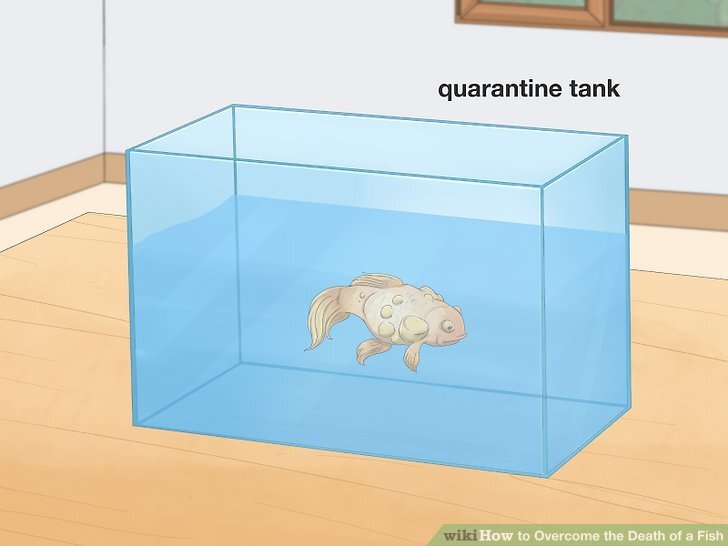
Preventing the introduction and spread of diseases is a cornerstone of responsible fishkeeping, particularly after a significant die-off. Implementing a quarantine protocol for all new fish is a critical preventative measure.A quarantine tank (QT) is a separate, smaller aquarium used to house new fish for a period of at least 4-6 weeks before they are introduced to the main display tank.
This allows for observation of the new arrivals for any signs of illness or parasites without risking the health of the established community. The quarantine process involves:
- Setting up the QT: This should be a fully cycled tank, ideally with a simple filtration system and minimal decorations to facilitate observation and cleaning.
- Observation Period: During the quarantine, closely monitor the new fish for any signs of disease, such as white spots (Ich), fin rot, lethargy, loss of appetite, or abnormal swimming behavior.
- Treatment if Necessary: If any signs of illness appear, the fish can be treated in the QT without affecting the main aquarium.
- Gradual Acclimation: Once the quarantine period is successfully completed, new fish can be gradually acclimated to the main tank’s water parameters.
This proactive step significantly reduces the risk of introducing new diseases or parasites into an already vulnerable or established aquarium.
Protocol for Cleaning and Disinfecting an Aquarium After a Major Die-Off
Following a major fish die-off, a thorough cleaning and disinfection of the aquarium is essential to eliminate any lingering pathogens or contaminants and to prepare the tank for restocking. This process requires careful attention to detail to ensure the environment is safe for future inhabitants.The cleaning and disinfection protocol should include the following steps:
- Complete Water Change: Remove 100% of the aquarium water.
- Removal of Debris: Carefully remove all dead fish, uneaten food, and any visible organic debris from the substrate, decorations, and filter.
- Cleaning Substrate: Thoroughly gravel vacuum the substrate to remove any accumulated waste and decaying matter.
- Cleaning Decorations and Equipment: Remove all decorations, filters, heaters, and other equipment. Scrub them thoroughly with hot water. For disinfection, a mild bleach solution (1 part bleach to 9 parts water) can be used for non-porous items, followed by a very thorough rinsing and soaking in dechlorinated water to remove all traces of bleach. Porous items may need to be discarded if heavily contaminated.
- Cleaning Tank Walls: Use an aquarium-safe scraper or sponge to clean the inside glass or acrylic walls of the tank.
- Disinfection of the Tank: After rinsing, a final disinfection can be performed with a mild bleach solution, again ensuring thorough rinsing and airing out of the tank. Alternatively, a dedicated aquarium disinfectant can be used according to its instructions.
- Rinsing and Dechlorination: The tank and all equipment must be rinsed multiple times with clean water and then soaked in dechlorinated water to ensure no disinfectant residue remains.
- Re-establishing the Nitrogen Cycle: After cleaning and rinsing, refill the tank with fresh, dechlorinated water. It is crucial to re-establish the nitrogen cycle before adding any new fish. This can be done by adding an ammonia source and using a beneficial bacteria starter product.
- Monitoring Water Parameters: Continuously monitor water parameters during the cycling process and until they are stable and safe for fish.
This rigorous cleaning and disinfection process is vital to prevent recurrence and ensure a healthy environment for future aquarium inhabitants.
Ethical Disposal of Deceased Fish
When a beloved aquatic pet passes away, it’s important to handle their remains with the same respect and care you would any other cherished companion. This section will guide you through the most humane and considerate methods for saying goodbye to your fish, including options for remembrance and important environmental considerations.The process of disposing of a deceased fish should be approached with sensitivity, acknowledging the bond you shared.
By choosing an ethical method, you honor the life your fish lived and ensure its departure is handled with dignity.
Humane and Respectful Disposal Options
There are several compassionate ways to lay your fish to rest, each offering a sense of closure and respect for your aquatic friend. It’s crucial to select a method that aligns with your personal beliefs and local regulations.
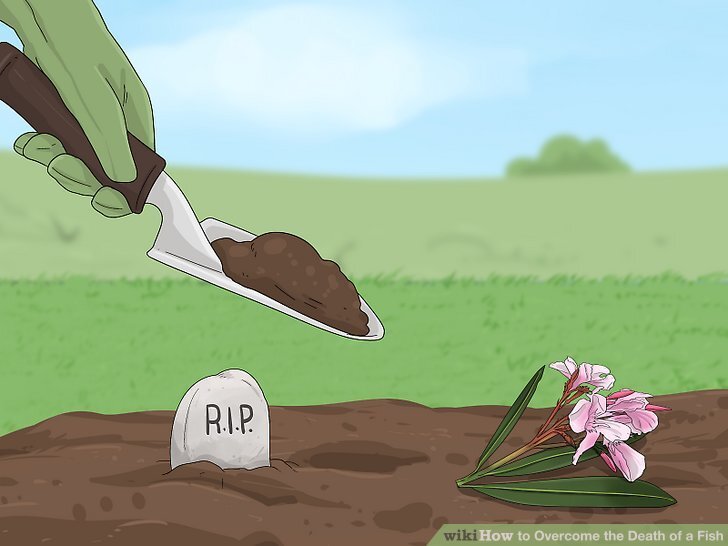
- Burial: This is a common and often preferred method for pet disposal. If you choose to bury your fish, select a spot in your garden or a designated pet cemetery. Ensure the burial depth is sufficient to prevent scavenging by other animals, typically at least two to three feet deep. You can place the fish in a small biodegradable box or wrap it in a natural cloth like cotton.
Avoid using plastic containers, as they are not environmentally friendly and can hinder decomposition.
- Cremation: For those who prefer not to bury their pet, cremation is another respectful option. Many pet crematoriums offer individual cremation services, providing you with the ashes of your fish to keep. This can be a comforting way to memorialize your pet, allowing you to keep a tangible reminder of their presence.
- Aquatic Burial (with caution): In some specific circumstances and with careful consideration, returning a fish to a natural body of water might be contemplated. However, this is generally discouraged due to potential disease transmission to wild populations and the fact that most aquarium fish are not native to local waters. If considering this, it is imperative to consult with local wildlife authorities and ensure the fish is not diseased and is a species appropriate for that ecosystem.
This is a less common and more complex option requiring expert advice.
Memorializing a Beloved Aquatic Pet
Honoring the memory of your fish can be a healing process. There are many ways to create a lasting tribute to your aquatic companion.When deciding how to remember your fish, consider what would bring you comfort and a sense of continued connection. These acts of remembrance can help process grief and celebrate the joy your pet brought into your life.
- Memorial Stones or Plaques: A small engraved stone or plaque placed in your garden can serve as a permanent marker for your fish’s burial site or a special spot in your home.
- Aquarium Keepsakes: You might choose to keep a favorite piece of aquarium décor, a special plant, or even the filter media from their tank as a tangible reminder.
- Donating to an Aquarium or Rescue: If you have extensive knowledge of fish care and your fish passed due to a solvable issue, and if the circumstances are appropriate and approved by the institution, some aquariums or aquatic rescues might accept healthy, non-diseased fish for display or rehoming. This is a rare and highly specific scenario, and direct donation of a deceased fish is not typically an option.
- Creating a Memory Box: Gather photos, a favorite decoration from their tank, or any other mementos and place them in a decorative box to keep your memories safe.
- Planting a Tree or Flower: Dedicate a plant or tree in your garden in memory of your fish. This living memorial can grow and flourish, symbolizing the life your pet lived.
Environmental Considerations of Fish Disposal
Responsible disposal of your deceased fish is not only a matter of respect but also an environmental consideration. Improper disposal can have unintended consequences for local ecosystems.Understanding the environmental impact of different disposal methods is crucial for making an informed and responsible choice. We aim to minimize any negative effects on the natural world.
- Avoid Flushing: Never flush a deceased fish down the toilet. This can introduce potential pathogens and diseases into public water systems and is not a humane method of disposal. It can also clog plumbing.
- Biodegradable Materials: When burying your fish, opt for biodegradable materials like natural cotton or untreated wood for any containers. Avoid plastics and treated materials that will not decompose and can leach chemicals into the soil.
- Preventing Disease Spread: If your fish died from a suspected illness, it is paramount to prevent the spread of disease. Burial in a deep grave or cremation are the safest options to ensure any pathogens are contained and do not infect wild aquatic populations or other pets.
- Local Regulations: Be aware of and adhere to any local regulations regarding pet burial or disposal. Some areas may have specific guidelines or restrictions in place.
Last Point
By equipping yourself with the knowledge to effectively handle sudden fish deaths, from initial assessment and cause identification to implementing robust preventative strategies and ethical disposal, you are better prepared to maintain a thriving and healthy aquatic environment. This proactive approach not only honors the life of your past pets but also safeguards the future of your aquarium community, fostering a more resilient and enjoyable experience for all involved.