Embarking on the journey of selecting the perfect LED lighting for your aquatic companions is an exciting endeavor. With How to Choose the Right LED Lighting for Your Fish as our guide, we’ll uncover the fascinating interplay between light and aquatic life, revealing how the right illumination can transform your aquarium into a vibrant, healthy ecosystem.
This comprehensive exploration delves into the essential biological needs of fish, demystifying common myths and highlighting the diverse sensitivities of different species to light cycles. We will navigate the array of LED technologies available, from full-spectrum and color-specific bulbs to advanced smart systems, ensuring you have the knowledge to make informed decisions.
Understanding Fish Lighting Needs
The aquarium lighting system is more than just an aesthetic element; it plays a crucial role in the health and well-being of your aquatic inhabitants. While fish don’t “see” light in the same way humans do, its presence and characteristics significantly influence their biological rhythms, behavior, and even their ability to thrive. Understanding these fundamental needs ensures you create an environment that supports their natural life cycles.Light is a powerful environmental cue for fish, signaling day and night cycles, influencing their internal biological clocks, and impacting various physiological processes.
These cycles are essential for regulating feeding patterns, spawning behaviors, and overall activity levels. Disrupting these natural rhythms can lead to stress, weakened immune systems, and a reduced lifespan for your fish.
Biological Processes Influenced by Light Cycles
Fish possess specialized photoreceptors that detect light, triggering a cascade of biological responses. The pineal gland and the hypothalamus are key areas in the fish brain that process light information, regulating the release of hormones that control a multitude of functions.
- Circadian Rhythms: Light is the primary synchronizer of circadian rhythms, the internal 24-hour clock that governs sleep-wake cycles, activity patterns, and hormone secretion. A consistent light cycle helps fish maintain healthy activity and rest periods, crucial for their metabolism and energy conservation.
- Hormonal Regulation: Light exposure influences the production of hormones like melatonin, which is associated with sleep and darkness, and cortisol, a stress hormone. Proper lighting cycles can help regulate these hormones, promoting a stable physiological state.
- Feeding Behavior: Many fish species have evolved to feed during specific times of the day, often dictated by natural light conditions. Consistent lighting helps maintain these natural feeding cues, ensuring your fish eat when they are biologically programmed to do so.
- Reproductive Cycles: For many fish, light intensity and duration are critical triggers for spawning. Seasonal changes in light can signal optimal breeding periods, and artificial lighting that mimics these changes can encourage or inhibit reproduction as needed.
- Color Perception and Vision: While not all fish have the same visual acuity, light is essential for them to perceive their environment, locate food, avoid predators, and interact with each other. Different wavelengths of light are absorbed and reflected by objects in the aquarium, allowing fish to see.
Common Misconceptions About Fish Lighting Requirements
A prevalent misunderstanding is that fish only need light for aesthetic purposes, or that any light source will suffice. This overlooks the intricate biological relationship fish have with light.
Some aquarists believe that fish, particularly those from deep-water environments, do not require any specific lighting. However, even in deep waters, there is a gradient of light penetration, and fish in these environments have adapted to specific light conditions. Furthermore, the absence of light for extended periods can be as detrimental as constant, inappropriate light exposure.
“The aquarium light is not just for viewing; it’s a critical component of the fish’s natural environment, influencing their physiological and behavioral patterns.”
Another misconception is that brighter light is always better for fish. In reality, excessive light intensity can cause stress, algae blooms, and discomfort for many species, especially nocturnal or low-light adapted fish. Conversely, insufficient light can hinder their natural behaviors and disrupt their biological clocks.
Varying Light Sensitivities Among Fish Species
Fish species have evolved in diverse aquatic environments, leading to a wide range of adaptations in their light sensitivity and requirements. What is optimal for one species might be detrimental to another.
- Nocturnal Fish: Species like Plecostomus (Plecos) or many types of catfish are naturally nocturnal, meaning they are most active and feed during the night. While they still require a day-night cycle, they may prefer dimmer lighting conditions during their active hours and benefit from hiding places during the “day.”
- Diurnal Fish: Most common aquarium fish, such as Tetras, Danios, and Guppies, are diurnal, active during the day. They benefit from moderate to bright lighting that mimics natural daylight, which helps regulate their activity and feeding patterns.
- Reef Fish: Fish from coral reef environments often have specific light spectrum requirements, particularly if corals are also present. These fish have adapted to the varied light penetration through shallow, clear waters, and may require lighting that mimics specific wavelengths for optimal health and color vibrancy.
- Cave-Dwelling Fish: Some fish species have evolved in low-light or completely dark environments. These fish may have reduced visual acuity and can be sensitive to bright artificial lighting. In such cases, very dim lighting or specialized low-intensity lights might be necessary.
- Fry and Juvenile Fish: Young fish can be more sensitive to light intensity and may require gentler lighting to prevent stress and encourage proper development.
Understanding the natural habitat and behavioral patterns of your specific fish species is paramount in selecting appropriate lighting. Researching the native environment of your fish will provide valuable insights into their light preferences and sensitivities, allowing you to create a truly optimal aquarium environment.
Types of LED Lighting for Aquariums
![Are Led Lights Good For Fish? [2025 Guide] - Gold Koi Fish](https://langkahtepat.web.id/wp-content/uploads/2025/09/Are-Led-Lights-Good-For-Fish.jpg "Are Led Lights Good For Fish? [2025 Guide] - Gold Koi Fish")
The world of aquarium LED lighting offers a diverse range of options, each designed to cater to specific needs and preferences. Understanding these categories is crucial for making an informed decision that benefits both your aquatic inhabitants and the overall aesthetic of your aquarium. We will explore the primary types of LED lights available, their unique characteristics, and the advantages they bring to your underwater ecosystem.
Full-Spectrum LED Lights
Full-spectrum LED lights are designed to mimic natural sunlight, providing a broad range of wavelengths that are beneficial for plant growth and fish health. These lights are often considered the most versatile and comprehensive option for planted aquariums and those housing a variety of fish species.
Pros of Full-Spectrum LED Lights
- Mimics Natural Sunlight: They provide a balanced light spectrum that closely resembles sunlight, essential for photosynthesis in aquatic plants and the well-being of most fish.
- Promotes Plant Growth: The balanced spectrum supports healthy and vibrant growth of a wide variety of aquarium plants, from low-light species to demanding ones.
- Enhances Fish Colors: By providing a full spectrum, these lights can bring out the natural vibrant colors of your fish, making them appear more striking and healthy.
- Reduces Algae Issues (when balanced): While any light can contribute to algae, a well-balanced full-spectrum light, when properly managed with other tank parameters, can help create a stable environment less prone to excessive algae blooms compared to unbalanced lighting.
- Versatility: Suitable for a wide range of aquarium setups, including freshwater planted tanks, reef tanks, and community fish tanks.
Cons of Full-Spectrum LED Lights
- Cost: High-quality full-spectrum LEDs can be more expensive upfront compared to basic lighting solutions.
- Potential for Over-Intensity: If the intensity is too high or the photoperiod is too long, it can still lead to algae issues or stress sensitive inhabitants. Careful monitoring is required.
- Spectrum Tuning: While generally good, some budget full-spectrum lights may not have the ideal balance of wavelengths for all applications, and higher-end models may offer more tunable spectrums.
Factors to Consider When Selecting LEDs
Selecting the right LED lighting for your aquarium is a crucial step in ensuring the health and vitality of your aquatic inhabitants and plants. This section delves into the key factors you need to evaluate to make an informed decision, moving beyond just the type of LED to the specific parameters that truly matter.
Light Intensity (PAR) for Aquatic Life
Light intensity, specifically Photosynthetically Active Radiation (PAR), is the measure of light that plants and corals can use for photosynthesis. For planted aquariums and reef tanks, understanding PAR is paramount. Different aquatic organisms have varying light requirements. For instance, low-light plants like Anubias or Java Fern thrive in lower PAR levels, while demanding plants such as carpeting species (e.g., Dwarf Hairgrass) or high-light corals require significantly higher PAR.
Insufficient PAR will lead to stunted plant growth or algae blooms, while excessive PAR can bleach corals or stress fish.The ideal PAR level is dependent on the specific needs of your aquarium’s inhabitants. For a general planted tank, PAR readings between 50-100 µmol/m²/s at the substrate level are often recommended. For more demanding setups, such as those with high-light plants or corals, PAR levels can range from 150-300 µmol/m²/s or even higher for certain coral species.
It is important to note that PAR meters are the most accurate way to measure this, but general guidelines based on fixture specifications and tank depth can provide a starting point.
Lumen Output for Tank Size
While PAR is crucial for photosynthetic organisms, lumen output is a measure of the total visible light emitted by a source and is often used as a general indicator of brightness for the entire aquarium. Determining the appropriate lumen output for your tank size involves considering the tank’s dimensions, particularly its depth, and the types of inhabitants you plan to keep.
A general rule of thumb for planted tanks is to aim for approximately 30-50 lumens per gallon. However, this is a very broad guideline.For deeper tanks, more lumen output will be required to penetrate the water column effectively. Conversely, shallower tanks may require less. For example, a 20-gallon long tank (48″x12″x12″) might require a similar lumen output to a 20-gallon high tank (24″x12″x16″) despite having the same volume, due to the difference in depth and light penetration.
It is also essential to consider that LED lights are directional, and the effective lumen output reaching your plants or substrate will be influenced by the fixture’s design and placement. Always consult the manufacturer’s specifications and consider the needs of your specific aquatic life.
Light Spectrum for Plant Growth and Fish Coloration
The spectrum of light, referring to the wavelengths of light emitted, plays a significant role in both plant growth and the vibrant coloration of your fish. Different wavelengths have different effects. Blue light (around 400-500 nm) is essential for chlorophyll absorption and is crucial for photosynthesis, promoting vegetative growth in plants. Red light (around 600-700 nm) is also vital for photosynthesis and flowering.
A balanced spectrum that includes these key wavelengths, along with green and other colors, will support robust plant growth.For fish, specific wavelengths can enhance their natural colors. For example, red and orange hues in fish can be brought out by lights with a strong red spectrum, while blues and purples are enhanced by blue light. Many modern LED fixtures offer full-spectrum lighting, mimicking natural sunlight, which is beneficial for both plants and fish.
Some fixtures also provide adjustable spectrums, allowing you to customize the lighting to suit your specific aquarium’s needs and highlight the colors of your fish. A spectrum that includes wavelengths from approximately 400nm to 700nm, with peaks in the blue and red regions, is generally considered optimal for most planted aquariums.
Lifespan and Energy Efficiency of LED Fixtures
LED technology is renowned for its longevity and energy efficiency, making it a cost-effective and sustainable choice for aquarium lighting. The lifespan of LED chips is typically measured in hours, often ranging from 30,000 to 50,000 hours or more. This means a well-maintained LED fixture can last for many years, significantly reducing the need for frequent bulb replacements associated with older lighting technologies like fluorescent or incandescent bulbs.Energy efficiency is another major advantage.
LEDs consume considerably less electricity than traditional lighting systems to produce the same amount of light. This translates into lower electricity bills, which can be a significant saving over the lifespan of the fixture. When comparing LED fixtures, look for their wattage and compare it to the lumen output to gauge their efficiency. A higher lumen-per-watt ratio indicates greater energy efficiency.
For example, a fixture producing 5000 lumens at 50 watts is more efficient than one producing 5000 lumens at 75 watts.
Heat Output and Management of LED Lights
While LEDs are generally more energy-efficient and produce less heat than older lighting technologies, they still generate some heat. This heat can impact the water temperature of your aquarium, which is a critical parameter for fish health. Excessive heat can lead to elevated water temperatures, stressing fish and potentially causing issues like reduced dissolved oxygen levels or promoting the growth of undesirable algae.Effective heat management is therefore important.
Many LED aquarium lights are designed with heat sinks or integrated cooling fans to dissipate the generated heat. Proper ventilation around the aquarium and the light fixture is also crucial. Avoid placing the light fixture in an enclosed space where heat can become trapped. In some cases, especially in smaller or heavily stocked tanks, you may need to monitor water temperature closely and consider additional cooling methods like a chiller if the LED lights contribute significantly to heat buildup.
The heat output is generally proportional to the wattage of the fixture.
Checklist of Essential Features for LED Aquarium Lights
To ensure you are selecting the most suitable LED lighting for your aquarium, consider the following checklist of essential features:
- Adjustable Spectrum: The ability to fine-tune the light spectrum to cater to specific plant needs or to enhance fish coloration.
- Dimmable Control: Allows for gradual adjustments to light intensity, mimicking natural light cycles and providing flexibility for different growth stages or fish sensitivities.
- Timer Functionality: Integrated timers help maintain a consistent photoperiod, which is vital for plant growth and preventing algae outbreaks.
- Water Resistance/Proofing: Look for fixtures with a good Ingress Protection (IP) rating (e.g., IP65 or higher) to protect against water splashes and humidity, ensuring durability and safety.
- Mounting Options: Consider how the light will be mounted – either as a pendant light hanging above the tank, a clip-on light for rimmed tanks, or a canopy-mounted fixture.
- Manufacturer Reputation and Warranty: Opt for reputable brands known for quality and customer support, and check the warranty period offered on the fixture.
- Heat Dissipation: Ensure the fixture has adequate heat sinks or cooling mechanisms to prevent overheating.
- Beam Angle: A wider beam angle provides more even light distribution across the aquarium, while a narrower angle can create more focused lighting, which might be desirable for specific applications.
Matching Lighting to Fish and Tank Type
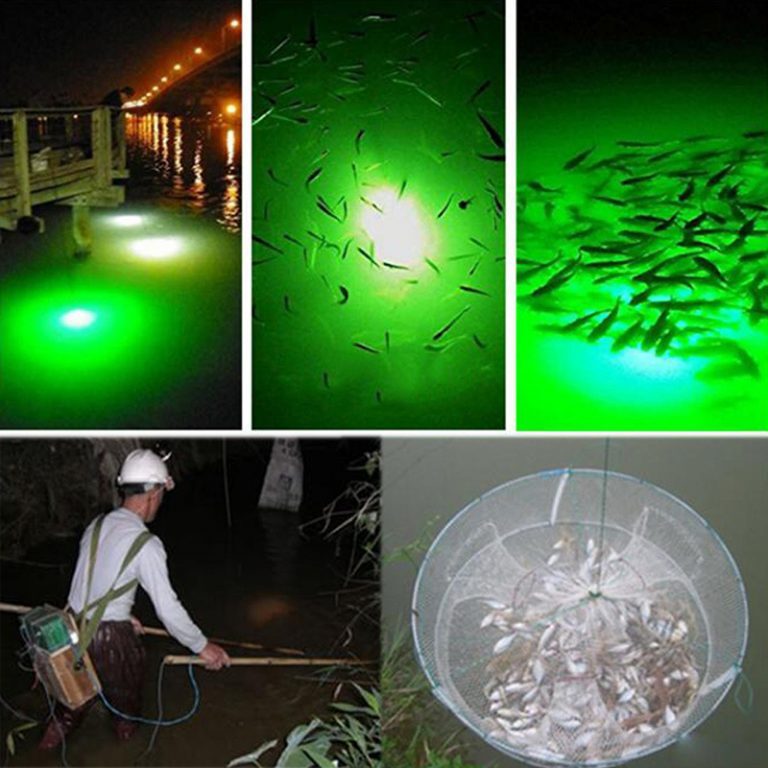
Selecting the appropriate LED lighting is crucial for the health and well-being of your aquatic inhabitants, as different species have evolved under varying light conditions. This section will guide you through tailoring your LED choices to the specific needs of your fish and the type of aquarium you maintain.Understanding the ecological niche of your fish is the first step. Some species thrive in dimly lit environments, mimicking their natural, shaded habitats, while others require brighter conditions for foraging and display.
Similarly, the presence of live plants or corals introduces complex lighting demands that must be met for their survival and growth.
Freshwater Fish Lighting Guide
Freshwater aquariums offer a wide spectrum of possibilities, from simple fish-only setups to lush planted environments. The lighting requirements will vary significantly based on the inhabitants and the presence of aquatic flora.For a basic freshwater fish-only tank, the primary goal of lighting is often aesthetic, enhancing the colors of the fish and providing a day-night cycle. Moderate intensity LEDs are usually sufficient.
If live plants are introduced, the lighting needs increase dramatically, requiring specific spectrums and intensities to support photosynthesis.Key considerations for freshwater setups include:
- Fish-Only Tanks: Moderate intensity, broad-spectrum LEDs are generally suitable. Focus on providing a natural day-night cycle to reduce stress.
- Planted Tanks: Higher intensity LEDs are necessary, often with a spectrum tailored to plant growth (e.g., more red and blue wavelengths). Consider adjustable intensity and spectrum to fine-tune growth and prevent algae blooms.
- Community Tanks: A balance is needed, accommodating the varied preferences of different species. If plants are present, their needs will often dictate the lighting intensity.
Saltwater Fish and Reef Tank Lighting
Saltwater aquariums, particularly those housing corals (reef tanks), have the most demanding lighting requirements. Corals are photosynthetic, relying on symbiotic algae (zooxanthellae) within their tissues for energy. This process is entirely dependent on specific light spectrums and intensities.For fish-only saltwater tanks, lighting is primarily for viewing and maintaining a natural photoperiod. However, for reef tanks, lighting is a critical component for coral health, growth, and coloration.The following table Artikels general lighting considerations for saltwater and reef tanks:
| Tank Type | LED Intensity | Spectrum Focus | Key Considerations |
|---|---|---|---|
| Saltwater Fish-Only | Low to Moderate | Broad Spectrum | Aesthetics, day-night cycle. |
| Reef Tank (Soft Corals) | Moderate to High | Blue-heavy, some white | Supports zooxanthellae photosynthesis. |
| Reef Tank (SPS/LPS Corals) | High to Very High | Full Spectrum with emphasis on blues and whites | Essential for coral growth, coloration, and calcification. |
Planted Aquariums vs. Fish-Only Tanks
The distinction between planted aquariums and fish-only tanks is one of the most significant factors influencing LED selection.In fish-only tanks, the lighting primarily serves to illuminate the fish and create an aesthetically pleasing environment. The intensity and spectrum are less critical for the inhabitants themselves, provided a natural photoperiod is maintained to prevent stress. Standard, full-spectrum LEDs are typically adequate.Planted aquariums, on the other hand, require lighting that actively supports plant photosynthesis.
This means choosing LEDs with a spectrum that provides the necessary wavelengths for plant growth (primarily red and blue light) and sufficient intensity to penetrate the water column to reach the plants. Insufficient lighting in a planted tank will lead to poor plant health, algae overgrowth, and potentially an unhealthy environment for fish.
Low-Light Fish Species and Their Lighting Preferences
Many popular aquarium fish species originate from environments with subdued lighting, such as densely planted areas or murky waters. These fish often thrive under lower light conditions and can become stressed or exhibit less natural behavior in overly bright tanks.Recommendations for low-light fish species and their lighting preferences include:
- Betta Fish: Often kept in smaller tanks, bettas appreciate dimmer conditions that mimic their natural, slow-moving water habitats. Moderate to low intensity lighting is ideal.
- Tetras (e.g., Neon Tetras, Cardinal Tetras): Many tetras come from shaded riverine environments and do well in tanks with moderate to low lighting. Brighter light can sometimes cause them to hide more.
- Rasboras: Similar to tetras, most rasbora species prefer subdued lighting, which enhances their vibrant colors and encourages natural schooling behavior.
- Corydoras Catfish: These bottom-dwellers prefer areas with low light to forage. While they can adapt, a tank with dimmer zones is beneficial.
For these species, it is advisable to use LEDs with lower intensity settings or opt for fixtures that allow for dimming. A diffused light rather than a harsh, direct beam is also preferable.
Lighting Solutions for Nocturnal Fish
Nocturnal fish are active primarily during the night and often rest or hide during the day. Their lighting needs are quite distinct from diurnal species.For nocturnal fish, the goal is to provide a natural day-night cycle that allows them to rest during the day and be active when they are naturally inclined. This often means using very low intensity lighting during their “daytime” or even specialized low-level lighting that mimics moonlight.Suitable lighting solutions include:
- Low-Intensity White LEDs: These can be used during the day at a reduced intensity, creating a dim environment.
- Moonlight LEDs: These are specifically designed to emit a very faint blue light, mimicking moonlight. They can be used during the “night” period to allow nocturnal fish to forage and explore without being disturbed by bright light.
- Timer Control: Essential for all aquariums, but particularly important for nocturnal species to maintain a consistent and predictable day-night cycle.
It is crucial to ensure that even during their active period, the light is not so bright as to cause stress. Observation of the fish’s behavior is key to determining the appropriate level.
Tank Depth and Light Penetration
The depth of an aquarium plays a significant role in how light penetrates the water column, directly influencing the type of LED lighting required.Deeper tanks present a greater challenge for light penetration. Light intensity diminishes as it travels through water due to absorption and scattering. This means that a lighting fixture that might be sufficient for a shallow tank could be inadequate for a deeper one, especially if live plants or corals are present.Considerations for tank depth:
- Shallow Tanks (up to 12 inches): Light penetration is generally good. Lower to moderate intensity LEDs are often sufficient for most fish and plant needs.
- Medium Tanks (12-24 inches): Light intensity begins to decrease noticeably. Higher intensity LEDs or fixtures with more powerful diodes may be necessary, especially for planted tanks.
- Deep Tanks (24+ inches): Light penetration is significantly reduced. Very high-output LEDs are often required for planted tanks or reef tanks to ensure adequate light reaches the substrate. The spectrum of the light also becomes more critical as certain wavelengths are absorbed more quickly than others.
For deeper tanks, it is often beneficial to use LED fixtures that have a wider spread of light and potentially multiple light sources to ensure even coverage. For planted tanks, the PAR (Photosynthetically Active Radiation) values provided by the manufacturer become a critical metric to ensure sufficient light energy reaches the plants at the substrate level.
The deeper the tank, the more powerful and carefully selected your LED lighting needs to be to ensure adequate light penetration for aquatic life.
Installation and Maintenance of LED Lights
Proper installation and consistent maintenance are crucial for maximizing the lifespan and effectiveness of your LED aquarium lights. Following these guidelines will ensure your fish receive the optimal lighting environment and that your investment continues to perform beautifully for years to come. This section will guide you through the safe setup, ideal placement, and essential care for your LED lighting system.
Safe Installation of LED Aquarium Lights
Installing LED aquarium lights requires attention to electrical safety and secure mounting. It is essential to disconnect power to the aquarium before beginning any installation process to prevent electrical shock.
The general steps for safely installing LED aquarium lights include:
- Unpacking and Inspection: Carefully unpack all components, checking for any damage that may have occurred during shipping. Ensure all parts, including the light fixture, mounting brackets, and power adapter, are present.
- Reading Manufacturer Instructions: Always consult the specific installation manual provided by the manufacturer. Different models may have unique mounting systems or electrical connections.
- Securing Mounting Hardware: Attach any provided mounting brackets or arms to the aquarium frame or canopy. Ensure these are firmly secured to support the weight of the light fixture. For rimless tanks, specialized clamp-on mounts are often used, which should be tightened evenly to prevent stress on the glass.
- Attaching the Light Fixture: Carefully position the LED fixture onto the mounting hardware. Ensure it is seated correctly and securely. Some fixtures may have adjustable arms or sliding mechanisms to allow for precise positioning.
- Connecting the Power Supply: Connect the power adapter to the LED light fixture. Route the power cord neatly, ensuring it does not hang into the water or create a tripping hazard. It is advisable to use a drip loop for all electrical cords connected to aquarium equipment.
- Testing the Lights: Once installation is complete and all connections are secure, plug the power adapter into a GFCI-protected electrical outlet. Test the lights to ensure they are functioning correctly.
Optimal Positioning of LED Fixtures
The placement of your LED lights significantly impacts light penetration, coral growth (if applicable), and the overall aesthetic of your aquarium. Strategic positioning ensures even light distribution and avoids creating harsh shadows or overly bright spots.
Consider these best practices for positioning your LED fixtures:
- Center Placement: For most standard aquariums, centering the light fixture directly above the tank is the most effective way to achieve uniform light coverage across the entire water column.
- Adjustable Arms and Mounts: Utilize adjustable arms or sliding mounts to fine-tune the distance of the lights from the water surface. A common starting point is 6-10 inches above the water, but this can be adjusted based on the light intensity and the needs of your inhabitants.
- Coverage Area: Ensure the light’s spread pattern covers the entire length and width of your aquarium. Some fixtures have wider beams than others, so you may need to overlap coverage if using multiple units or a narrower beam fixture.
- Avoiding Shadows: Position lights to minimize shadows cast by decor, plants, or fish. This is particularly important for planted tanks or aquariums with inhabitants that prefer shaded areas.
- Aesthetics: Consider how the light fixture looks in relation to your aquarium and its surroundings. Many modern LED fixtures are designed to be visually appealing.
Adjusting Light Intensity and Duration
The ability to control light intensity (dimming) and duration (photoperiod) is a key advantage of LED lighting. These adjustments allow you to mimic natural light cycles and cater to the specific needs of your fish and any live plants or corals.
Methods for adjusting light intensity and duration include:
- Built-in Dimmers and Controllers: Many advanced LED fixtures come with integrated dimming capabilities and programmable timers. These often allow for gradual sunrise and sunset effects, which are less stressful for fish.
- External Timers: For fixtures without built-in timers, a simple plug-in digital or mechanical timer can be used. Connect the light’s power adapter to the timer, and then plug the timer into the wall outlet. Set the timer to control the on/off cycles.
- Manual Adjustment: Some basic LED lights may not have dimming features. In such cases, intensity can be indirectly managed by adjusting the height of the fixture or by using external dimmers if compatible.
- Photoperiod Recommendations: A typical photoperiod for freshwater aquariums ranges from 8 to 10 hours per day. For saltwater reef tanks, this can vary, but 10-12 hours is common. Always research the specific needs of your fish species and any live plants.
- Gradual Changes: When adjusting the photoperiod or intensity, make changes gradually over a few days to allow your fish and other inhabitants to acclimate. Sudden shifts can cause stress.
Cleaning and Maintaining LED Lights
Regular cleaning and maintenance are essential to prevent mineral buildup, dust accumulation, and overheating, all of which can degrade performance and shorten the lifespan of your LED lights.
Best practices for cleaning and maintaining your LED lights include:
- Regular Cleaning Schedule: Aim to clean your LED lights at least once a month, or more frequently if you have hard water or notice any buildup.
- Disconnect Power: Always unplug the light fixture from the power source before cleaning.
- Cleaning the Lens/Cover: Use a soft, lint-free cloth slightly dampened with distilled water or a mild, aquarium-safe glass cleaner. Gently wipe the exterior lens or cover to remove dust, water spots, and algae. Avoid abrasive materials that can scratch the surface.
- Cleaning the Fixture Body: Wipe down the housing of the LED fixture with a dry or slightly damp cloth to remove dust.
- Checking Ventilation: Ensure that any ventilation openings on the fixture are clear of debris. Blocked vents can lead to overheating.
- Inspecting Cords and Connections: Periodically check the power cord and connections for any signs of wear, fraying, or corrosion. Replace any damaged components immediately.
- Rinsing and Drying: If using a damp cloth, ensure the fixture is completely dry before reconnecting power.
Troubleshooting Common LED Aquarium Lighting Issues
Even with proper care, you may encounter occasional issues with your LED aquarium lighting. Understanding common problems and their solutions can help you quickly resolve them and maintain a healthy aquarium environment.
Common troubleshooting steps for LED aquarium lighting issues include:
- Light Not Turning On:
- Check that the power cord is securely plugged into both the light fixture and the power outlet.
- Verify that the power outlet is functioning by plugging in another device.
- If using a timer, ensure it is properly set and functioning.
- Check the fuse in the power adapter if your model has one.
- If none of the above resolve the issue, the LED driver or the light itself may be faulty.
- Flickering Lights:
- This can sometimes indicate a loose connection within the fixture or at the power source.
- Overheating can also cause flickering. Ensure ventilation is clear and the fixture is not in an enclosed space without airflow.
- A failing LED driver is a common cause of flickering.
- If the flickering is intermittent, try gently tapping the fixture to see if it stabilizes, which can indicate a loose internal component.
- Uneven Brightness or Dead Spots:
- This often suggests an issue with the LED diodes themselves or an internal wiring problem.
- Ensure the fixture is properly positioned and covers the entire tank adequately.
- If a specific section is dark, it may indicate a failure of those particular LEDs.
- Lights Too Bright or Too Dim:
- If your fixture has dimming capabilities, ensure the settings are adjusted correctly.
- Consider the height of the fixture above the water. Raising it can reduce intensity, while lowering it can increase intensity.
- For fixed-intensity lights, you may need to adjust the photoperiod or consider supplemental shading if the light is too intense.
- Signs of Corrosion or Water Damage:
- Immediately disconnect power if you notice any signs of water ingress or corrosion on the fixture or its connections.
- If the damage is minor and contained to the exterior, clean thoroughly with appropriate solutions and allow to dry completely before considering re-energizing. However, for safety reasons, significant water damage often necessitates replacement.
“Preventive maintenance is key to ensuring the longevity and optimal performance of your LED aquarium lighting system.”
Visualizing Lighting Effects
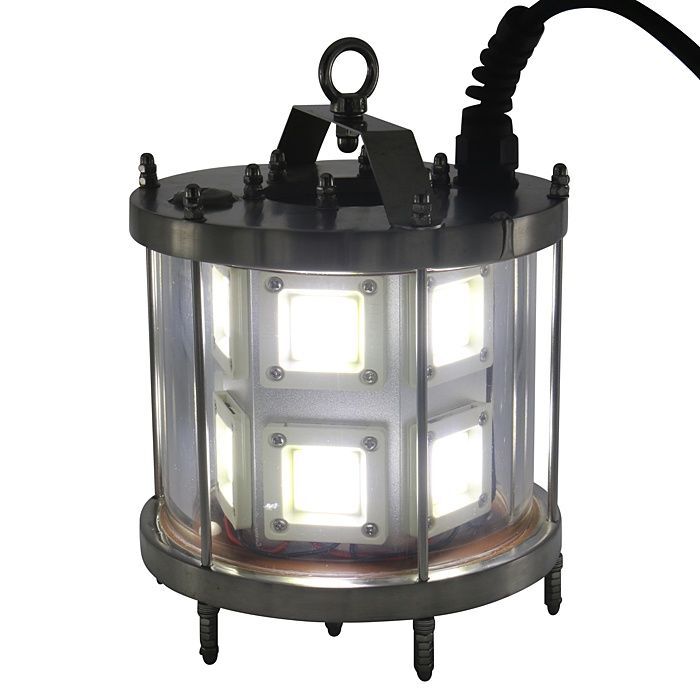
The right LED lighting transforms an aquarium from a simple glass box into a dynamic, living diorama. Understanding how different light spectrums and intensities interact with your aquatic inhabitants and environment allows you to create truly captivating displays that highlight the natural beauty of your fish and plants.This section explores how to visualize and achieve specific lighting aesthetics, from vibrant freshwater tanks to subtle, naturalistic setups and dazzling saltwater coral reefs.
By carefully considering the interplay of light and shadow, color saturation, and shimmer, you can dramatically enhance the visual appeal of your aquarium.
Vibrant Freshwater Community Tank Illumination
Imagine a brightly lit, full-spectrum LED system casting its glow upon a bustling freshwater community tank. The light penetrates the water with a crisp, clean quality, revealing an astonishing spectrum of colors. Red tetras exhibit a fiery, almost iridescent crimson, their fins catching the light and appearing to glow from within. Neon tetras boast an electric blue stripe that pops against their silver bodies, a stark contrast amplified by the vibrant illumination.
Angelfish display intricate patterns of black and silver, their delicate fins edged with a subtle sheen.Live plants, the lungs of the aquarium, thrive under this spectrum. Lush green Java ferns appear a deep, emerald hue, while the vibrant reds of a Cryptocoryne species become rich and saturated. Sunlight appears to dapple through the water’s surface, creating a lively, dynamic environment that mimics a sunlit riverbed.
The overall effect is one of clarity, color intensity, and a sense of abundant life, where every detail of the fish and flora is brought into sharp, vivid focus.
Naturalistic Setup for Shy or Nocturnal Fish
Contrast this with a dimly lit, naturalistic setup designed for shy or nocturnal species. Here, the LED lighting is subdued, perhaps a warm, low-intensity white or a gentle amber hue, mimicking twilight or the filtered light of a dense forest canopy. The tank is characterized by deep shadows and strategically placed patches of soft light.Fish like shy rasboras or nocturnal plecos are not meant to be constantly in the spotlight.
Instead, the lighting allows them to retreat into the darker recesses of the aquarium, providing a sense of security. When they do emerge, they do so into soft pools of light, their muted colors appearing subtle and natural. The focus is on creating an atmosphere of peace and tranquility, where the fish feel comfortable and their natural behaviors can be observed without stress.
The overall impression is one of depth, mystery, and a quiet, understated beauty, where the viewer’s eye is drawn to the subtle movements and hidden inhabitants.
Shimmering Effect in Saltwater Environments
In the realm of saltwater aquariums, particularly those housing corals and vibrant reef fish, actinic blue LEDs create a breathtaking visual spectacle. When these LEDs are activated, they emit a concentrated spectrum of blue light, primarily in the 420-460nm range, which is crucial for coral photosynthesis and also accentuates the fluorescence of many marine organisms.Picture a reef tank bathed in this intense blue light.
The corals, from the branching Acropora to the brainy Lobophyllia, suddenly reveal their hidden pigments. Yellows become an almost neon gold, greens deepen into vibrant emeralds, and reds pop with an intense, fiery hue, all enhanced by the blue background. Fish like the common clownfish appear even more striking, their orange and white stripes taking on a luminous quality. The true magic, however, is the “shimmering effect.” This is created by the light waves interacting with the water’s surface and the movement of the water itself, causing the light to dance and ripple across the tank.
It mimics the dappled sunlight filtering through the ocean’s surface, creating a dynamic, ever-changing interplay of light and shadow that brings the entire reef to life. The actinic blue light not only showcases the vibrant colors but also adds a sense of depth and movement, making the saltwater aquarium a truly mesmerizing display.
Budgeting for LED Lighting
Choosing the right LED lighting for your aquarium is an investment, and understanding the associated costs, both upfront and long-term, is crucial for making an informed decision that aligns with your budget and needs. This section will guide you through the financial aspects of aquarium LED lighting, from initial purchase to ongoing savings.
Upfront Costs of LED Lighting Tiers
The initial purchase price of aquarium LED fixtures can vary significantly based on their features, build quality, and intended application. Generally, these can be categorized into three tiers, each offering a different balance of performance and affordability.
| LED Lighting Tier | Typical Upfront Cost Range (USD) | Key Features | Ideal For |
|---|---|---|---|
| Entry-Level | $50 – $150 | Basic functionality, limited spectrum control, lower lumen output. | Beginner freshwater tanks, low-light plants, and fish that don’t require specific spectrums. |
| Mid-Range | $150 – $400 | Improved spectrum control, higher lumen output, adjustable intensity, some smart features. | Most freshwater planted tanks, beginner to intermediate saltwater tanks, and fish with moderate lighting needs. |
| High-End/Professional | $400+ | Full spectrum control, advanced programming, high PAR output, specialized spectrums for coral growth, robust build quality, integrated controllers. | Advanced planted tanks, demanding corals, reef tanks, and aquariums requiring precise light simulation. |
Long-Term Cost Savings of Energy-Efficient LEDs
While the initial cost of LED lights might seem higher than traditional lighting options like fluorescent or incandescent bulbs, their long-term energy efficiency translates into significant savings over their lifespan. LEDs consume considerably less electricity to produce the same amount of light, leading to lower utility bills. Furthermore, LEDs have a much longer operational life, meaning you’ll spend less on replacements over time.
For instance, a high-quality LED fixture can last 50,000 hours or more, whereas fluorescent tubes might need replacement every 6-12 months. This extended lifespan dramatically reduces the total cost of ownership.
Factors Influencing the Price Range of Aquarium LED Fixtures
Several key factors contribute to the price variation among aquarium LED fixtures. Understanding these elements will help you discern the value proposition of different options.
- Light Output (Lumen/PAR): Higher lumen and Photosynthetically Active Radiation (PAR) ratings, essential for plant and coral growth, generally come with a higher price tag due to the quality and quantity of LEDs used.
- Spectrum Control and Customization: Fixtures offering a wider range of adjustable color spectrums and the ability to program custom light cycles are typically more expensive than those with fixed or limited spectrums.
- Build Quality and Materials: The use of premium materials, such as anodized aluminum for heat dissipation, waterproof seals, and durable mounting hardware, contributes to a higher cost but also ensures longevity and reliability.
- Smart Features and Connectivity: Integrated Wi-Fi, Bluetooth connectivity, smartphone app control, and advanced scheduling capabilities add to the cost but offer enhanced convenience and control.
- Brand Reputation and Warranty: Established brands with a reputation for quality and reliability often command higher prices, and a longer warranty period is also indicative of a higher-quality product.
- Size and Power Requirements: Larger tanks and fixtures requiring higher wattage will naturally be more expensive due to the increased number of LEDs and power supply components.
Potential Additional Costs
Beyond the initial purchase of the LED fixture itself, there are a few other components you might need to consider that can add to the overall budget. These are often optional but can significantly enhance the functionality and user experience of your aquarium lighting system.
- Timers: While many modern LED fixtures have built-in timers, older or simpler models may require an external plug-in timer to automate light cycles. These can range from $10 to $30.
- Controllers: For advanced spectrum control, dimming, and complex scheduling, dedicated LED controllers are often necessary. These can add anywhere from $50 to $200 or more, depending on their sophistication.
- Mounting Hardware: Some fixtures come with basic mounting options, but you might opt for specialized arms, hanging kits, or canopy mounts to achieve a desired aesthetic or functionality. The cost for these can vary widely, from $20 to $100+.
- Replacement Parts: Although LEDs are durable, individual LED modules or power supplies might eventually need replacement. It’s wise to factor in the potential availability and cost of these parts for future maintenance.
Closure
In conclusion, mastering the art of selecting LED lighting for your aquarium is a rewarding experience that directly impacts the well-being and visual appeal of your aquatic environment. By understanding fish needs, evaluating lighting types, considering crucial factors like intensity and spectrum, and matching solutions to your specific tank and inhabitants, you are well-equipped to create a thriving underwater world.
Remember to factor in installation, maintenance, and budget to ensure long-term satisfaction and optimal performance, ultimately enhancing the beauty and health of your cherished fish.