Embarking on the journey of fishkeeping is an exciting endeavor, and at its very foundation lies a crucial decision: the size of your aquarium. With How to Choose the Right Aquarium Size for Beginners at the forefront, this guide opens a window to an amazing start, inviting you to explore the fascinating world of aquatic life. We’ll navigate the essential considerations, uncover common pitfalls, and illuminate the path to creating a thriving underwater haven, ensuring your initial steps into this rewarding hobby are both enjoyable and successful.
Selecting the appropriate aquarium size is paramount for the well-being of your aquatic inhabitants and the ease of your own experience as a beginner. A tank that is too small can quickly lead to water quality issues, stress for the fish, and a steeper learning curve. Conversely, starting with a moderately sized aquarium offers a more forgiving environment, allowing you to learn the ropes of maintenance and fish care with greater confidence and fewer challenges.
Understanding the Importance of Aquarium Size
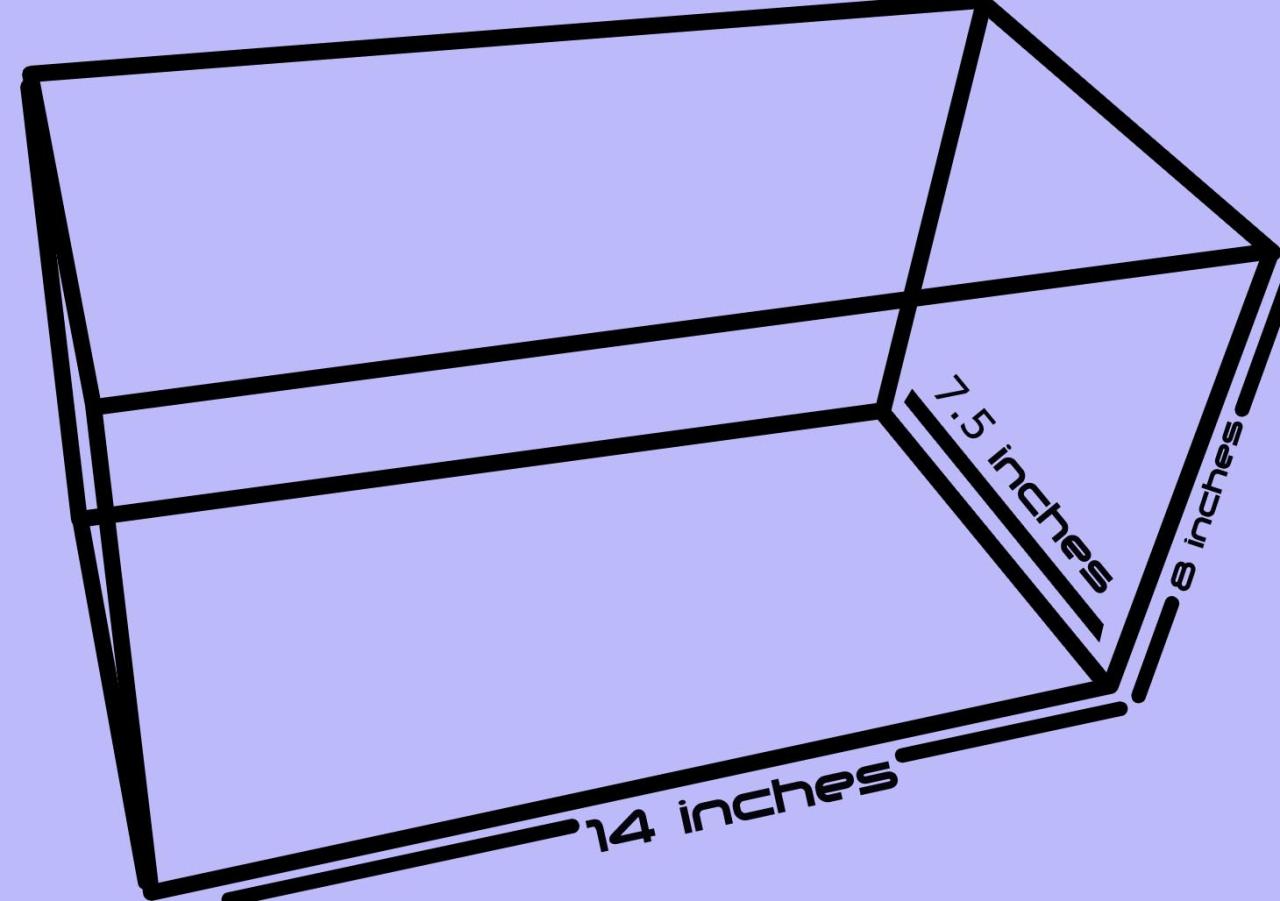
Choosing the right aquarium size is a foundational step for any aspiring fish keeper, significantly impacting the health and happiness of your aquatic inhabitants, as well as your overall experience as a beginner. A well-chosen tank provides a stable environment, making it easier to manage water parameters and maintain a thriving ecosystem. For those new to the hobby, this stability is paramount in building confidence and fostering success.The size of an aquarium directly influences its stability and the ease with which it can be maintained.
Larger volumes of water are more forgiving of minor mistakes in feeding, water changes, or the addition of new fish. This buffer capacity is invaluable for beginners who are still learning the intricacies of fishkeeping. Conversely, a tank that is too small can quickly become a challenging environment to manage, leading to a cascade of problems that can be discouraging for new hobbyists.
Consequences of an Undersized Aquarium
Opting for an aquarium that is too small for your intended fish population or for the general demands of a beginner setup can lead to a multitude of issues. These problems stem from the limited capacity of a small water volume to dilute waste products, maintain stable water chemistry, and provide adequate swimming space.
- Water Quality Degradation: In smaller tanks, fish waste, uneaten food, and decaying plant matter quickly accumulate and break down, releasing harmful ammonia. A larger water volume can dilute these toxins to safer levels, whereas a small tank will see ammonia and nitrite spikes rapidly, posing a severe threat to fish health.
- Increased Stress and Aggression: Confined spaces lead to heightened stress levels in fish. This can manifest as weakened immune systems, making them more susceptible to diseases, and increased aggression between tank mates, resulting in injuries or fatalities.
- Rapid Fluctuations in Water Parameters: Small water volumes are highly susceptible to rapid changes in temperature, pH, and other critical water parameters. Even minor disturbances, such as adding a new fish or a slight temperature shift, can have drastic effects in a small tank, creating an unstable environment.
- Limited Stocking Options: Many popular and beginner-friendly fish species require a certain minimum tank size to thrive. An undersized aquarium restricts the variety of fish you can keep, potentially limiting your enjoyment and learning opportunities.
- Difficulty in Establishing a Balanced Ecosystem: The biological filtration in an aquarium relies on beneficial bacteria that colonize surfaces and process waste. In a small tank, the bioload from fish can easily overwhelm the capacity of these bacteria, leading to a constant struggle to maintain water quality.
Advantages of a Moderately Sized Aquarium for Beginners
Starting with a moderately sized aquarium, generally considered to be between 20 and 55 gallons (approximately 75 to 208 liters), offers a sweet spot for beginners. This size range provides enough water volume to buffer against common beginner mistakes while remaining manageable in terms of cost, setup, and maintenance.
A tank of this size offers a more forgiving learning curve. The increased water volume acts as a buffer, meaning that minor errors in water changes or feeding will not immediately result in catastrophic water quality issues. This allows beginners to observe their fish, learn about their behavior, and gradually understand the delicate balance of the aquarium ecosystem without the constant stress of trying to keep a very small tank stable.
- Stable Water Chemistry: A 20-55 gallon tank provides a sufficient volume of water to dilute waste products and maintain more stable pH, temperature, and other essential water parameters. This stability is crucial for the health and well-being of fish.
- Reduced Stress for Fish: The larger space allows fish to exhibit natural behaviors, such as swimming, exploring, and establishing territories, which reduces stress and aggression. This leads to healthier, more active, and more visually appealing fish.
- Greater Flexibility in Stocking: A moderately sized aquarium opens up a wider range of fish species that are suitable for beginners, including small schooling fish, peaceful community fish, and even some larger, single-specimen fish. This allows for more creative aquascaping and a more diverse aquatic display.
- Easier to Maintain a Balanced Biological Filter: The increased water volume can better support a robust colony of beneficial bacteria, which are essential for breaking down fish waste and maintaining good water quality. This makes the nitrogen cycle easier to establish and maintain.
- More Forgiving of Mistakes: Beginner errors, such as slight overfeeding or missing a water change by a day, are less likely to cause significant harm in a larger volume of water. This provides a crucial learning period where mistakes can be corrected without dire consequences.
“A larger water volume acts as a buffer, making the aquarium ecosystem more resilient to fluctuations and beginner errors.”
Factors Influencing Aquarium Size Decisions
Selecting the right aquarium size is a pivotal decision for any new fish keeper, impacting not only the aesthetic appeal of your aquatic environment but also the health and well-being of your future inhabitants. While it might seem straightforward, several key factors warrant careful consideration to ensure a thriving and manageable ecosystem. Understanding these elements will empower you to make an informed choice that sets you up for success.The volume of an aquarium is not merely a number; it’s a direct indicator of the stability and capacity of the environment you are creating.
A larger volume generally offers greater stability in water parameters, which are crucial for fish health. Conversely, smaller tanks can experience rapid fluctuations in temperature, pH, and ammonia levels, making them more challenging to maintain, especially for beginners.
Fish Population and Tank Capacity
The number of fish you intend to keep is a primary determinant of the required tank size. A common misconception is that more fish can simply be added to a larger tank without consequence. However, responsible fish keeping adheres to stocking guidelines that prevent overcrowding, which can lead to stress, disease, and poor water quality.A good starting point for beginners is to consider the “inch-per-gallon” rule, though it’s important to note this is a very basic guideline and should be adapted based on fish species.
This rule suggests that for every inch of adult fish, you should have at least one gallon of water. However, this rule has limitations as it doesn’t account for fish shape, waste production, or activity level.For instance, a school of small, active tetras will require more swimming space and filtration capacity than a single, sedentary plecostomus of the same length.
Overstocking leads to increased waste, depleting oxygen levels and potentially causing ammonia poisoning, a serious threat to fish.
Fish Species and Activity Level
The type of fish you choose significantly influences the necessary tank dimensions. Different species have unique requirements regarding swimming space, territorial needs, and social behaviors. Active swimmers, such as danios or rainbowfish, need long tanks to accommodate their energetic movements. Territorial species, like bettas or some cichlids, require adequate space to establish their own areas and reduce aggression.Consider the following:
- Swimming Space: Fish that are constantly in motion, like barbs or rasboras, benefit from longer aquariums that provide ample horizontal swimming room. A tank that is too short can restrict their natural behavior and cause stress.
- Territorial Needs: Species that are naturally solitary or exhibit strong territorial instincts, such as Siamese fighting fish (bettas) or dwarf cichlids, need tanks with enough volume and decor to allow them to establish and defend their personal space without constant conflict with tank mates.
- Social Behavior: Schooling fish, like neon tetras or cardinal tetras, thrive in groups and require a tank large enough to accommodate their social dynamics and provide a sense of security. Keeping them in insufficient numbers or inadequate space can lead to stress and a lack of vibrant behavior.
- Activity Patterns: Some fish are more active during the day, while others are nocturnal. Understanding these patterns helps in planning tank layout and ensuring all inhabitants have adequate space and hiding places.
Fish Growth Potential
A critical, yet often overlooked, factor is the adult size of the fish you select. Many popular aquarium fish are sold as juveniles, appearing much smaller than they will eventually become. Choosing a tank based on their current size rather than their adult size is a common beginner mistake that quickly leads to an overcrowded and unhealthy environment.It is essential to research the maximum adult size of any fish species before purchasing them.
For example, a beautiful angelfish fry might seem suitable for a 20-gallon tank, but as adults, they can grow to over 6 inches in height and length, requiring a much larger aquarium, ideally 55 gallons or more, to accommodate their size and swimming needs.Here’s a general guideline for accounting for growth:
- Research Adult Sizes: Always consult reliable sources, such as reputable aquarium websites, books, or experienced aquarists, to determine the maximum potential size of your chosen fish.
- Plan for the Future: Select a tank that can comfortably house your fish when they reach their adult size, rather than just their current juvenile size. This foresight prevents the need for costly upgrades and stressful relocations later on.
- Consider Mixed Species Growth: If you plan to keep multiple species, factor in the growth potential of each species individually and collectively. Ensure the tank can support the combined needs of all inhabitants at their adult stage.
For instance, if you are interested in keeping goldfish, which can grow quite large and produce a significant amount of waste, a single fancy goldfish can eventually require a tank of 30 gallons or more, with additional space for each subsequent fish. Similarly, plecostomus species, like the common pleco, can grow to over a foot in length and are not suitable for small aquariums despite their initial small size.
Recommended Aquarium Sizes for Different Beginner Setups
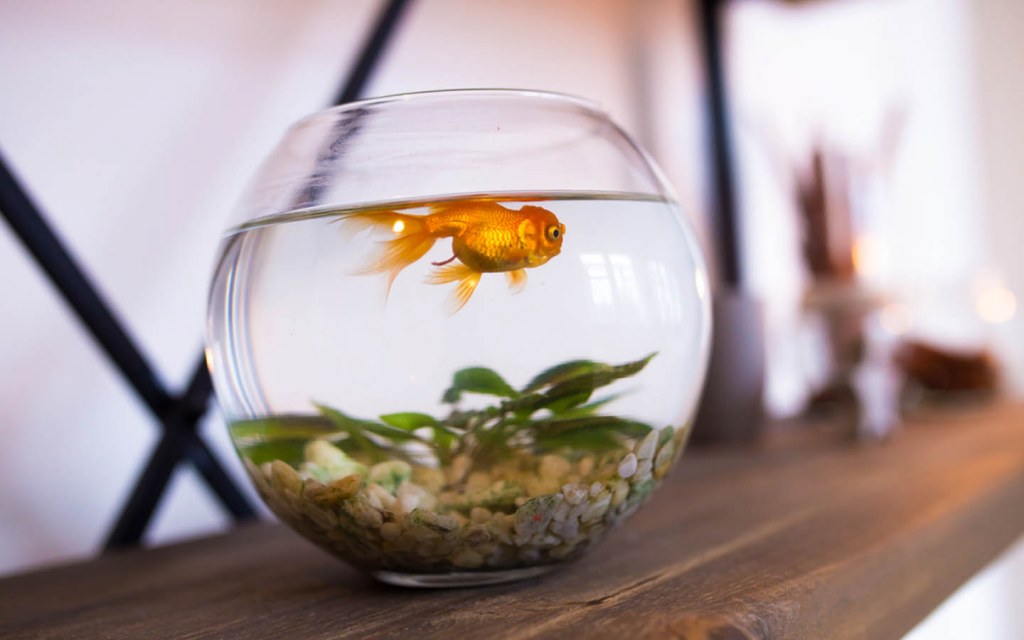
Choosing the right aquarium size is a crucial step for any beginner, as it directly impacts the ease of maintenance, the types of fish you can keep, and the overall success of your aquatic endeavor. While the temptation might be to start small, larger tanks are often more forgiving for new aquarists. This section will guide you through common beginner-friendly tank sizes and offer recommendations for starter fish species.It’s a common misconception that smaller tanks are easier to manage.
In reality, smaller water volumes are more susceptible to rapid changes in water parameters like temperature, pH, and ammonia levels, which can be detrimental to fish health. Larger tanks provide a more stable environment, giving beginners a better buffer against mistakes and a more forgiving learning curve.
General Guidelines for Beginner Tank Sizes
For novice aquarists, starting with a tank that offers a good balance between manageable size and environmental stability is ideal. Tanks below 10 gallons are generally not recommended for beginners due to the rapid fluctuations in water quality they can experience. A good starting point often lies between 10 and 30 gallons, offering enough space for a small community of hardy fish while still being manageable in terms of placement and maintenance.
Comparing Beginner-Friendly Tank Sizes and Stocking Capacities
To help illustrate the differences, here’s a comparison of popular beginner tank sizes, their typical stocking capacities, and suitable starter fish. Stocking levels are estimates and should always be adjusted based on the specific needs of the fish and the filtration capacity of the tank. Overstocking is a common pitfall for beginners and should be avoided.
| Tank Size (Gallons) | Typical Stocking Capacity (Small Fish) | Recommended Starter Fish Species |
|---|---|---|
| 10 Gallons | Up to 6-8 small, hardy fish (e.g., guppies, platies, small tetras like Ember Tetras) | Guppies, Platies, Endler’s Livebearers, Ember Tetras, Celestial Pearl Danios (Zebra Danios are too active for this size). A Betta fish can also be a good option for a 10-gallon tank. |
| 20 Gallons Long | Up to 10-15 small to medium-small hardy fish (e.g., tetras, danios, rasboras) | Neon Tetras, Cardinal Tetras, Zebra Danios, White Cloud Mountain Minnows, Corydoras Catfish (dwarf species like Pygmy Corydoras), Dwarf Gouramis. |
| 30 Gallons | Up to 15-20 small to medium-small hardy fish, or a smaller community with one or two slightly larger fish. | Larger schools of tetras and danios, more diverse Corydoras species, smaller Cichlids (like Rams), a pair of Dwarf Gouramis, or a single Dwarf Gourami with other small fish. |
Starter Fish Species Recommendations for Recommended Tank Sizes
When selecting fish for your first aquarium, it’s essential to choose species known for their hardiness, adaptability, and peaceful temperament. These fish are generally more tolerant of minor fluctuations in water parameters and are less prone to stress, making them ideal for beginners learning the ropes of aquarium keeping.For a 10-gallon tank:
- Guppies and Platies: These livebearers are very popular due to their vibrant colors and active nature. They are also prolific breeders, which can be an interesting aspect for beginners.
- Ember Tetras: Small, peaceful schooling fish that add a beautiful splash of color to a planted tank. They are relatively hardy and do well in small groups.
- Betta Fish: A single male Betta can thrive in a 10-gallon tank, provided it is properly filtered and heated. They are known for their intelligence and striking finnage.
For a 20-gallon long tank:
- Neon Tetras and Cardinal Tetras: Classic schooling fish that are relatively hardy and add a vibrant blue and red shimmer to the aquarium. A school of at least 6-8 is recommended.
- Zebra Danios: Very active and hardy fish that are always on the move. They appreciate swimming space and are a good choice for beginners.
- Corydoras Catfish (Dwarf Species): These bottom-dwellers are peaceful and fascinating to watch as they sift through the substrate. Pygmy Corydoras or Habrosus Corydoras are good choices for this size tank.
For a 30-gallon tank:
- Larger Schools of Tetras and Danios: The increased space allows for larger schools of fish, which enhances their natural schooling behavior and creates a more dynamic display.
- More Diverse Corydoras Species: You can explore a wider variety of Corydoras species, such as Bronze or Albino Corydoras, which require more swimming space.
- Dwarf Cichlids (e.g., German Blue Rams, Bolivian Rams): While slightly more advanced, these beautiful cichlids can be kept in a 30-gallon tank with stable water parameters and appropriate tank mates. It’s advisable to research their specific needs before purchasing.
“A stable environment is the cornerstone of a healthy aquarium. Larger tanks provide that stability, making them more forgiving for new aquarists.”
Common Beginner Mistakes in Aquarium Sizing
Embarking on the aquarium hobby is an exciting journey, and choosing the right tank size is a foundational step that can significantly impact your success and enjoyment. Unfortunately, several common missteps occur when beginners select their first aquarium, often stemming from a lack of research or well-intentioned but misguided assumptions. Understanding these pitfalls is crucial for setting yourself up for a thriving aquatic environment.
One of the most prevalent errors is the impulse purchase of an aquarium. This often happens when a small, attractive tank catches a beginner’s eye in a store, without considering the long-term needs of the fish or the realities of aquarium maintenance. While the initial cost might seem appealing, smaller tanks can present greater challenges in maintaining stable water parameters, making them less forgiving for those new to the hobby.
Impulse Buying and Lack of Research
The allure of a beautifully aquascaped display tank or a conveniently sized starter kit can lead to hasty decisions. Without understanding the specific requirements of potential fish species, their adult size, waste production, and social behaviors, a beginner might choose a tank that is fundamentally unsuitable. This lack of foresight can lead to unhealthy fish, frequent water changes, and a frustrating experience that could deter a new hobbyist from continuing.
Misconception of Smaller Tanks Being Easier
A common misconception is that smaller aquariums are inherently easier to manage for beginners. While they require less water and might seem less intimidating initially, smaller volumes of water are far more susceptible to rapid fluctuations in temperature, pH, and ammonia levels. These changes can be stressful and even fatal to fish. In contrast, a larger aquarium offers greater stability, providing a more forgiving environment for a beginner to learn and adapt to the responsibilities of fishkeeping.
“Larger aquariums are generally more stable and forgiving, offering a buffer against rapid parameter changes that can be detrimental to fish health.”
Consequences of Overcrowding a New Aquarium Setup
Overcrowding is a critical mistake that directly impacts the health and well-being of aquarium inhabitants. When too many fish are introduced into a tank, especially a new one that is still establishing its beneficial bacteria colony, the biological filter can become overwhelmed. This leads to a rapid buildup of toxic ammonia and nitrite, poisoning the fish.
The consequences of overcrowding include:
- Poor Water Quality: Increased fish load leads to higher ammonia and nitrite levels, which are toxic to aquatic life. This necessitates more frequent and larger water changes, which can be taxing and still may not fully mitigate the problem.
- Stress and Disease: Overcrowded conditions cause significant stress to fish, weakening their immune systems and making them more susceptible to diseases. This can manifest as fin rot, ich, or other common fish ailments.
- Aggression and Behavioral Issues: When fish are kept in confined spaces without adequate territory, aggression can escalate. This can result in nipped fins, constant chasing, and overall unhappiness for the inhabitants.
- Stunted Growth and Poor Health: Inadequate space limits a fish’s ability to grow and thrive. Overcrowding can lead to stunted growth, poor coloration, and a generally unhealthy appearance.
- Increased Maintenance Burden: While the initial thought might be that a smaller tank is less work, an overcrowded tank becomes a constant battle to keep water parameters in check, requiring more time, effort, and often, expense.
For instance, a beginner might purchase a 10-gallon tank and decide to house six small goldfish. While goldfish are often sold as small pets, they grow to be quite large and are heavy waste producers. A 10-gallon tank is insufficient for even one adult goldfish, let alone six. This scenario would quickly lead to toxic water conditions and a severely unhealthy environment for the fish.
Equipment Considerations Based on Aquarium Size
Choosing the right aquarium size is intrinsically linked to the equipment you’ll need. As the volume of water increases, so do the demands placed on essential components like filters, heaters, and lighting. Understanding these scaling requirements will help you avoid under-equipping your tank, which can lead to poor water quality and an unhealthy environment for your aquatic inhabitants.This section will guide you through the crucial equipment considerations that directly correlate with your chosen aquarium size, ensuring you make informed decisions for a thriving aquatic ecosystem.
Filter Capacity and Aquarium Volume
The filter is the heart of your aquarium, responsible for removing waste and maintaining water clarity. Its capacity must be sufficient to process the entire volume of water in your tank at a regular rate. Over-filtering is generally not an issue, but under-filtering is a common pitfall that leads to ammonia spikes and a stressed environment.Filter manufacturers typically rate their products by the gallon capacity they can effectively handle.
It’s a good practice to select a filter rated for at least the volume of your tank, and ideally, one rated for a slightly larger volume. This provides a buffer and ensures efficient biological filtration, where beneficial bacteria colonize and break down harmful waste products.
A common recommendation is to choose a filter rated for 1.5 to 2 times your aquarium’s volume to ensure optimal water turnover and filtration efficiency.
Heater Selection for Various Aquarium Sizes
Maintaining a stable and appropriate water temperature is vital for the health of most tropical fish and invertebrates. The heater’s wattage needs to be sufficient to counteract the ambient room temperature and keep the aquarium at the desired level. A general rule of thumb exists to guide heater selection based on tank size.The typical guideline is to use approximately 3 to 5 watts of heating power per gallon of aquarium water.
For instance, a 20-gallon tank might require a heater between 60 and 100 watts, while a 55-gallon tank would likely need a heater in the 165 to 275-watt range. It’s also wise to consider the temperature difference between your room and the desired tank temperature; a colder room will necessitate a more powerful heater.
Lighting Requirements and Tank Dimensions
The lighting in your aquarium serves multiple purposes, from illuminating your fish and decor to supporting plant growth if you opt for a planted tank. The intensity and type of lighting required are directly influenced by the tank’s dimensions, particularly its depth and width.For tanks with live plants, especially those requiring high growth, you’ll need more powerful lighting. The depth of the tank is a significant factor because light intensity diminishes as it travels through water.
A deeper tank will require stronger lights to penetrate to the substrate where plants need them most. Conversely, a shallower tank might only need moderate lighting. The width of the tank also plays a role in ensuring even light distribution across the substrate, preventing shaded areas. For beginners without live plants, basic LED lighting is often sufficient for aesthetic appeal and to view inhabitants.
Comparison of Typical Equipment Needs: 10-Gallon vs. 20-Gallon Beginner Tank
To illustrate the scaling of equipment, let’s compare the typical needs for two common beginner tank sizes: a 10-gallon and a 20-gallon aquarium. This comparison highlights how even a doubling of tank volume necessitates adjustments in equipment selection.
| Equipment Type | 10-Gallon Tank | 20-Gallon Tank |
|---|---|---|
| Filter | Hang-on-back (HOB) filter rated for 10-20 gallons, or a small internal filter. | HOB filter rated for 20-30 gallons, or a medium internal filter. |
| Heater | 50-watt submersible heater. | 75-watt submersible heater. |
| Lighting | Basic LED light fixture suitable for viewing, or a low-intensity plant light if plants are desired. | LED light fixture with slightly higher output for better illumination, or a moderate plant light. |
| Substrate | 10-15 lbs of gravel or sand. | 20-30 lbs of gravel or sand. |
| Decorations | Fewer, smaller pieces to avoid overcrowding. | More or larger pieces to fill the space. |
As you can see, moving from a 10-gallon to a 20-gallon tank involves a step up in the capacity and power of essential equipment. This principle extends to larger tanks as well, reinforcing the importance of matching equipment to your aquarium’s volume for a successful and sustainable aquatic hobby.
Future-Proofing Your Aquarium Choice
As a beginner, it’s easy to get caught up in the excitement of starting your aquarium journey. However, a crucial aspect often overlooked is planning for the future. Your initial aquarium choice can significantly impact your long-term enjoyment and potential growth within the hobby. Considering future possibilities now can save you time, money, and disappointment down the line.Investing a little more upfront in a slightly larger tank can be a surprisingly cost-effective strategy.
While a smaller tank might seem appealing for its initial lower cost and easier maintenance, it can quickly become limiting as your passion for the hobby grows. This section will explore how to anticipate your future needs and make a wise initial investment.
Anticipating Hobby Growth
The aquarium hobby has a natural tendency to expand. Many beginners start with a small, manageable tank, only to find themselves wanting to keep a wider variety of fish, larger species, or even delve into more complex setups like planted tanks or marine aquariums. Recognizing this potential for growth from the outset is key to making a decision that serves you well over time.Consider the following as you envision your aquarium journey:
- Species Variety: Do you envision keeping a single school of small, colorful tetras, or do you dream of housing a pair of larger, more active fish? Different species have vastly different space requirements.
- Tank Mates: As you learn more, you might want to introduce new fish that are compatible with your existing inhabitants. A larger tank provides more options for creating diverse and harmonious communities.
- Aquascaping and Decorations: Larger aquariums offer more canvas for creative aquascaping, allowing for more elaborate rock formations, driftwood arrangements, and plant growth.
- Water Volume Stability: Larger volumes of water are more stable in terms of temperature and water parameters, which is beneficial for fish health and reduces the frequency of water changes.
Long-Term Cost-Effectiveness of Larger Tanks
While a larger aquarium may have a higher initial purchase price, its long-term cost-effectiveness can be significantly better. This is due to several factors that reduce the likelihood of needing to upgrade soon, thereby avoiding the cost of selling or trading in the old tank and purchasing a new one.Think of it this way:
A slightly larger tank purchased today can prevent the expense and hassle of a tank upgrade tomorrow.
This principle applies to various aspects of aquarium keeping:
- Reduced Upgrade Costs: The most obvious saving is avoiding the cost of purchasing a second, larger tank.
- Equipment Longevity: While larger tanks require more powerful equipment (filters, heaters), these are often more robust and designed for larger volumes, potentially lasting longer. You might avoid the cost of upgrading equipment that becomes undersized for a larger tank later on.
- Learning Curve: Larger tanks are often more forgiving of minor mistakes due to their greater water volume, which can help beginners avoid costly fish losses and the subsequent need to re-stock.
- Resale Value: While not a primary consideration, a well-maintained larger tank might hold its resale value better than a smaller, more common beginner tank.
Scenario: Outgrowing a Starter Tank
Imagine Sarah, a new aquarium enthusiast, who decides to start with a 10-gallon tank. She’s excited about her small school of neon tetras and a couple of corydoras catfish. After a few months, Sarah has become more knowledgeable and wants to add more fish. She learns about peaceful community fish like guppies and platies, and even considers a small plecostomus for algae control.However, her 10-gallon tank is quickly becoming overcrowded.
The neon tetras are stressed by the increased activity, and the corydoras don’t have enough space to forage. The water parameters begin to fluctuate more easily, requiring more frequent water changes. Sarah realizes her dream of a vibrant, diverse community tank is impossible in her current setup.The implications of this scenario for Sarah are:
- Limited Species Options: She can no longer add the fish she desires without risking the health of her current inhabitants.
- Water Quality Challenges: Overstocking leads to ammonia spikes and poor water quality, stressing fish and potentially leading to illness or death.
- Unfulfilled Hobby Potential: Sarah’s initial enthusiasm wanes as she faces constant challenges and cannot achieve the aesthetic or community she envisioned.
- Cost of Upgrade: She now faces the expense of selling her 10-gallon tank (likely at a loss) and purchasing a larger tank, along with new, appropriately sized equipment like a filter and heater, effectively doubling her initial investment and incurring significant inconvenience.
Had Sarah initially opted for a 20-gallon or even a 30-gallon tank, she would have had ample space for a more diverse community, greater stability in water parameters, and the ability to accommodate her growing knowledge and aspirations within the hobby without the immediate need for an expensive upgrade.
Concluding Remarks
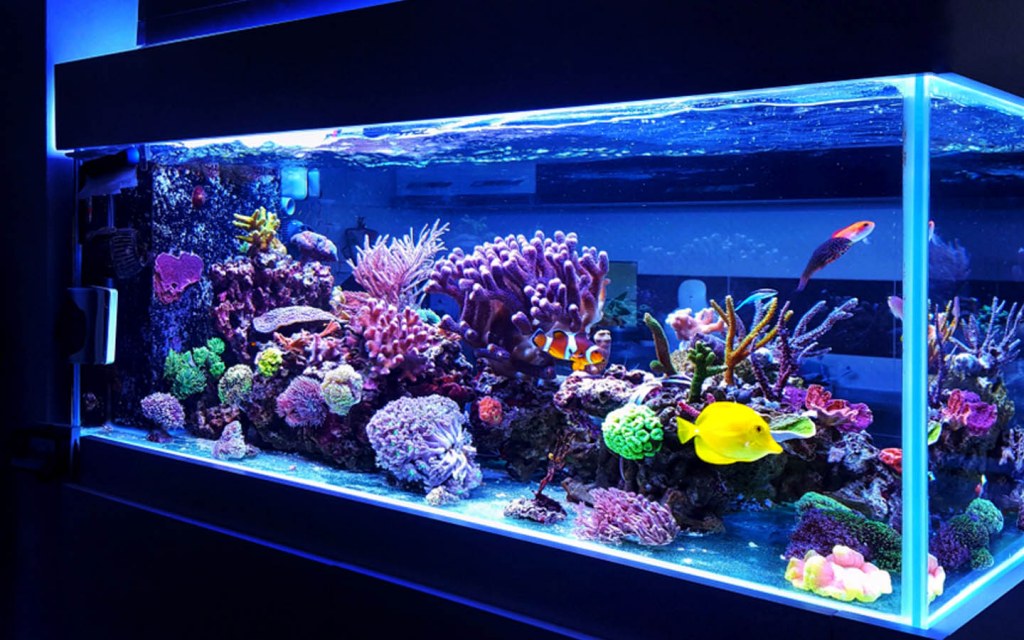
As we conclude our exploration of How to Choose the Right Aquarium Size for Beginners, it’s clear that this initial decision significantly shapes the future of your aquarium hobby. By carefully considering factors such as the number and type of fish, their growth potential, and even your own aspirations for the aquarium’s development, you can establish a foundation for success.
Investing a little extra thought and perhaps a bit more space upfront will not only contribute to healthier, happier fish but also foster a more rewarding and sustainable aquarist experience for years to come.