Embarking on the journey of creating a vibrant community aquarium is a rewarding endeavor, and understanding how to choose compatible fish is the cornerstone of success. This guide will navigate you through the essential principles, from deciphering water parameters to recognizing behavioral traits, ensuring your aquatic inhabitants thrive together harmoniously. We aim to demystify the process, providing clear insights to help you build a balanced and beautiful underwater world.
The foundation of a thriving community tank lies in a thorough understanding of each fish’s needs and temperament. By carefully considering factors such as aggression levels, dietary requirements, and environmental preferences, you can create a peaceful coexistence for a diverse array of aquatic life. This comprehensive exploration will equip you with the knowledge to make informed decisions, transforming your aquarium from a collection of fish into a cohesive and dynamic ecosystem.
Understanding the Basics of Community Tanks
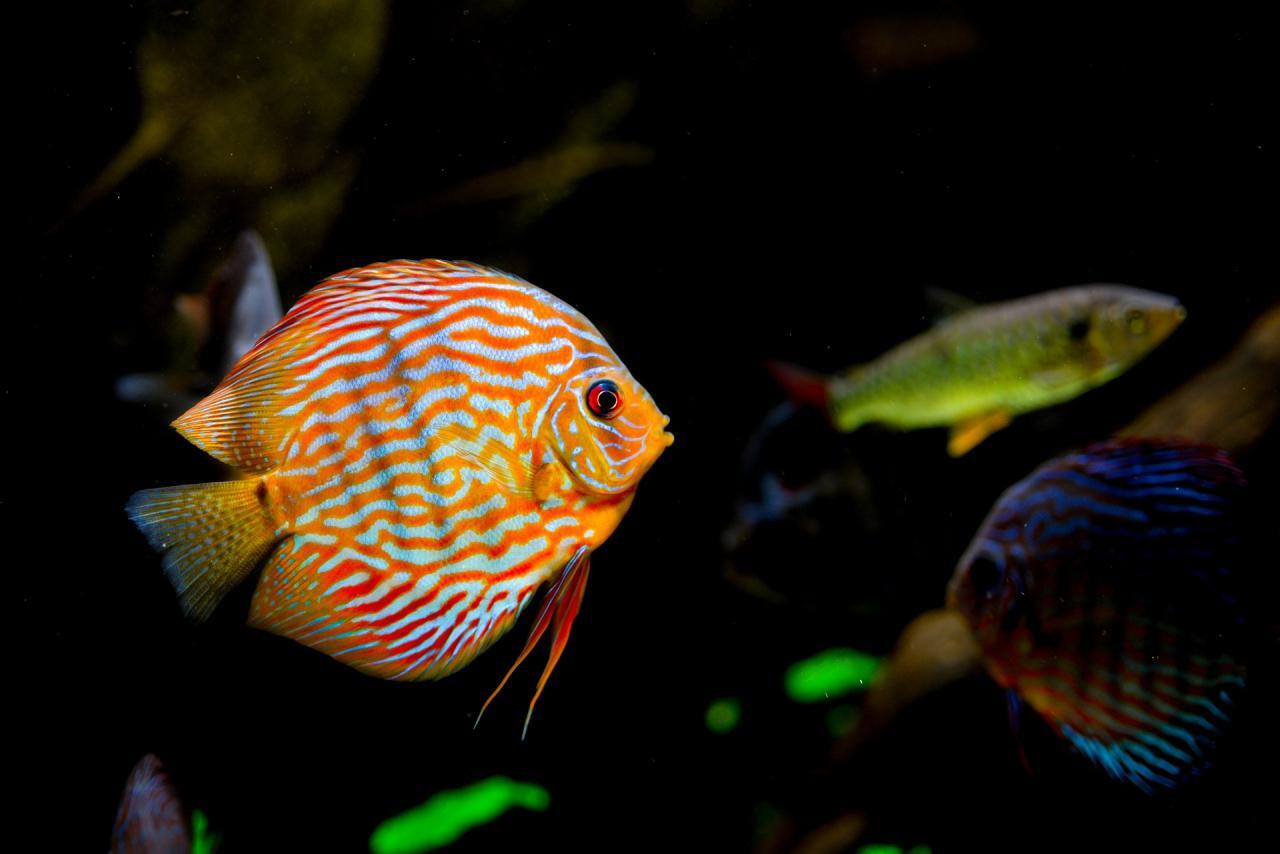
Establishing a thriving community aquarium is a rewarding endeavor that hinges on understanding the fundamental principles of creating a balanced ecosystem. A community tank, by definition, houses multiple species of fish that can coexist peacefully and healthily. The success of such a setup lies in careful planning, diligent research, and a keen eye for the specific needs of each inhabitant.The core principle of a community tank is to replicate a natural environment as closely as possible, ensuring that the inhabitants have ample space, appropriate water conditions, and compatible temperaments.
This approach minimizes stress on the fish, reduces the risk of disease, and allows their natural behaviors to flourish, leading to a visually appealing and engaging aquarium.
Principles of Balanced Community Aquariums
Creating a balanced community aquarium involves more than simply placing various fish species together. It requires a holistic approach that considers the intricate relationships between inhabitants and their environment. The goal is to achieve a state of equilibrium where waste products are managed, competition for resources is minimized, and aggression is kept at bay. This balance is achieved through careful selection of fish based on their compatibility, appropriate tank size, effective filtration, and regular maintenance.
A well-balanced tank will exhibit clear water, active and healthy fish, and a general sense of harmony among its residents.
Water Parameters and Fish Compatibility
Water parameters are the bedrock of fish health and are paramount in determining compatibility within a community tank. Different fish species have evolved in specific aquatic environments, each with distinct temperature ranges, pH levels, and hardness (GH/KH) characteristics. Introducing fish with vastly different water parameter requirements into the same aquarium can lead to chronic stress, weakened immune systems, and ultimately, disease or death.
Therefore, selecting fish that share similar water parameter needs is a non-negotiable aspect of successful community tank stocking.For instance, a fish species that thrives in soft, acidic water (like many South American tetras) will struggle in a tank with hard, alkaline water (preferred by many African cichlids). Likewise, tropical fish require a stable, elevated temperature, while some cold-water species would suffer in such conditions.
Monitoring and maintaining these parameters within the optimal range for all inhabitants is crucial.
“Water quality is not just about keeping fish alive; it’s about enabling them to thrive.”
Common Misconceptions About Stocking Community Tanks
Several widespread myths can lead aquarists astray when stocking community tanks. One prevalent misconception is that if fish are the same size, they will automatically be compatible. Size is only one factor; temperament, feeding habits, and territorial needs are equally, if not more, important. Another common error is believing that a larger tank automatically allows for unlimited stocking. Overstocking, even in a large tank, can lead to poor water quality and increased aggression due to a lack of adequate space and hiding places.
Furthermore, the idea that adding “peaceful” fish will automatically resolve aggression issues is often untrue; incompatible species can still cause stress and conflict regardless of the presence of other fish. Finally, the assumption that all fish sold in the “community” section of a pet store are inherently compatible is a dangerous oversimplification.
Essential Equipment for a Thriving Community Aquarium
To ensure the health and well-being of your community tank inhabitants, several pieces of essential equipment are indispensable. Each component plays a vital role in maintaining a stable and healthy environment.A list of essential equipment includes:
- Aquarium Tank: The size of the tank is crucial and should be determined by the number and adult size of the fish you intend to keep, allowing for adequate swimming space and territory.
- Filter: A high-quality filter is essential for removing waste, maintaining water clarity, and providing biological filtration, which breaks down harmful ammonia and nitrite. The filter’s capacity should be appropriate for the tank size and stocking level.
- Heater: For tropical fish, a reliable aquarium heater with a thermostat is necessary to maintain a consistent and appropriate water temperature.
- Thermometer: To accurately monitor the water temperature and ensure the heater is functioning correctly.
- Lighting: Appropriate aquarium lighting is needed for plant growth (if applicable) and to provide a natural day-night cycle for the fish, contributing to their well-being.
- Substrate: The material at the bottom of the tank (e.g., gravel, sand) influences water parameters and provides a habitat for beneficial bacteria.
- Decorations: Rocks, driftwood, and artificial plants offer hiding places, reduce stress, and create a more natural environment.
- Water Test Kits: Essential for regularly monitoring key water parameters such as ammonia, nitrite, nitrate, and pH to ensure a healthy environment.
- Air Pump and Airstone (Optional but Recommended): To increase surface agitation and oxygenation, which is beneficial for fish health, especially in heavily stocked tanks.
Identifying Key Compatibility Factors
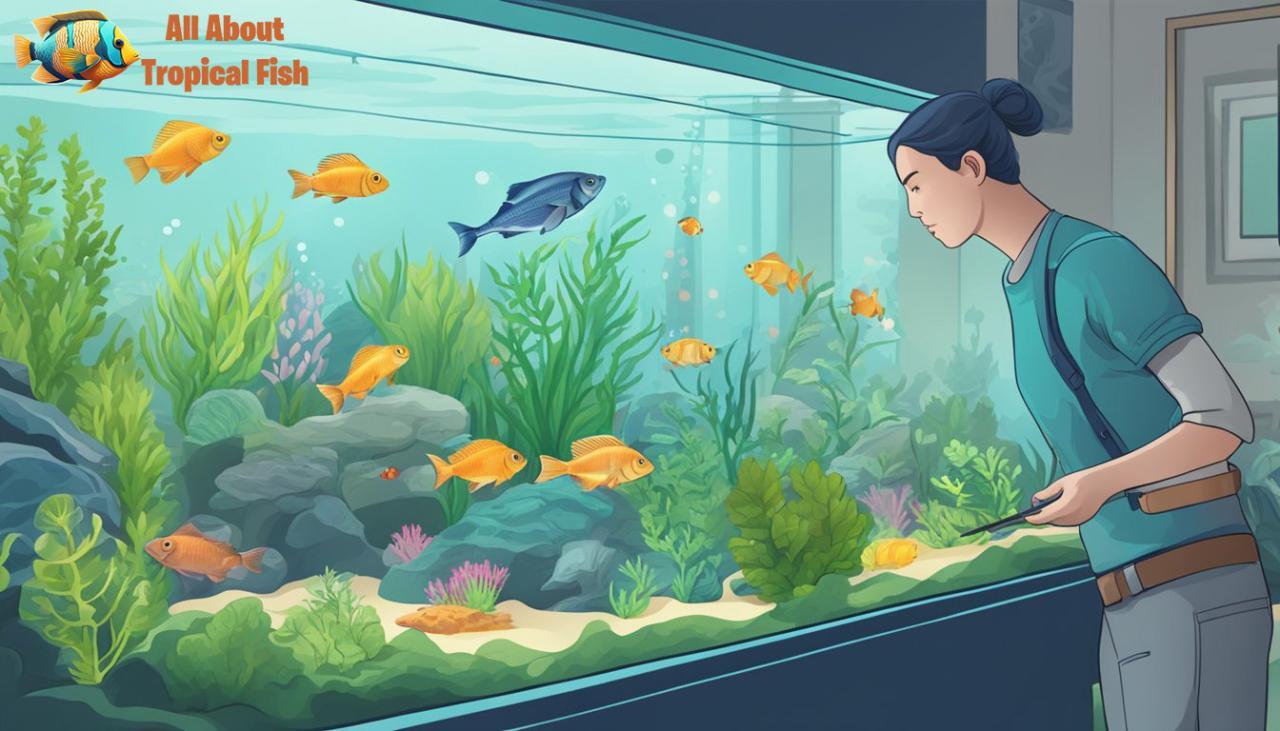
Successfully establishing a thriving community aquarium hinges on a thorough understanding of the various factors that influence fish compatibility. It’s not simply a matter of picking visually appealing fish; rather, it involves a careful assessment of their inherent behaviors, dietary requirements, and environmental needs to ensure they can coexist peacefully and healthily. This section delves into the critical elements that dictate whether a group of fish will form a harmonious community or lead to a stressful and potentially dangerous environment.
Primary Behavioral Traits for Fish Compatibility
Fish exhibit a wide range of behaviors that significantly impact their ability to live together. Recognizing these traits is paramount to avoiding conflicts and ensuring a stable aquarium ecosystem. The primary considerations revolve around how fish interact with each other, both within their own species and with other inhabitants.
- Aggression Levels: This encompasses territorial disputes, dominance struggles, and outright hostility. Some fish are naturally more aggressive than others, defending their space or resources vigorously.
- Fin-Nipping: Certain species have a propensity to nip at the fins of other fish. This can be due to curiosity, stress, or a territorial instinct, and it can lead to injury, stress, and susceptibility to disease in the nipped fish.
- Schooling and Shoaling Behavior: Many fish species are naturally inclined to live in groups. Schooling fish require a minimum number of their own kind to feel secure and exhibit natural behaviors, while shoaling fish tend to congregate but may not form tight schools. Keeping them alone or in insufficient numbers can lead to stress and poor health.
- Activity Levels: The difference in energy levels between fish can be a factor. Fast-swimming, active fish might stress slower, more sedentary species, and vice versa.
- Nocturnal vs. Diurnal Habits: Fish that are active at night may disturb those that are resting or sleeping during those hours, leading to stress.
Dietary Needs in a Mixed Environment
Managing diverse dietary requirements within a single aquarium is a common challenge in community tank setups. Ensuring all fish receive adequate nutrition without overfeeding or creating imbalances is crucial for their long-term health and vitality.
- Herbivores: These fish primarily consume plant matter, algae, and vegetation. Examples include many plecostomus species, otocinclus, and some tetras. They often require specialized diets that include spirulina or vegetable flakes.
- Carnivores: Their diet consists mainly of meat, insects, or other fish. This group includes species like bettas, gouramis, and some larger cichlids. They often thrive on frozen or live foods like brine shrimp, bloodworms, and mysis shrimp.
- Omnivores: These fish have a varied diet, consuming both plant and animal matter. Many common community fish, such as guppies, danios, and most barbs, fall into this category. They can typically be fed a good quality flake or pellet food supplemented with occasional treats.
The key to managing these differences is to select fish with overlapping or easily accommodated dietary needs. For instance, a tank with herbivorous and omnivorous fish can be managed with a base of high-quality flakes and a regular supply of blanched vegetables like zucchini or peas. Carnivorous fish might require separate feeding times or specialized foods to ensure they are not outcompeted by other tank mates.
It is also important to avoid overfeeding, as uneaten food can pollute the water and negatively impact all inhabitants.
Temperature and pH Requirements Comparison
Freshwater fish originate from diverse aquatic environments, each with distinct temperature and pH ranges. Successful cohabitation requires selecting species whose ideal conditions overlap significantly to prevent stress and disease.
| Fish Group | Ideal Temperature Range (°C / °F) | Ideal pH Range | Notes |
|---|---|---|---|
| Tropical Community Fish (e.g., Tetras, Guppies, Danios) | 24-27°C / 75-80°F | 6.5-7.5 | Generally adaptable to slightly varying conditions. |
| Goldfish and Koi | 18-22°C / 65-72°F (can tolerate cooler) | 7.0-8.0 | Require cooler temperatures and are generally not compatible with tropical fish. |
| South American Cichlids (e.g., Angelfish, Discus) | 26-30°C / 80-86°F | 6.0-7.0 | Prefer warmer water and slightly acidic conditions. |
| African Cichlids (e.g., Mbuna, Peacock Cichlids) | 24-28°C / 75-82°F | 7.8-8.6 | Thrive in harder, alkaline water conditions. |
It is vital to research the specific requirements of any fish being considered. For example, attempting to house African Cichlids with South American Cichlids would be problematic due to their drastically different pH and water hardness preferences, leading to chronic stress and potential death for one or both groups. A common and successful community tank often features fish that prefer similar tropical temperatures and a neutral to slightly acidic pH.
Potential for Interspecies Aggression and Mitigation
Aggression between different fish species is a significant concern in community aquariums. It can manifest in various forms, from minor harassment to severe injury or death. Understanding the potential for conflict and implementing strategies to prevent it is essential for a peaceful coexistence.
- Territorial Disputes: Many fish species are territorial and will defend their chosen areas. This is particularly true for cichlids, bettas, and some gouramis. Introducing multiple territorial fish without adequate space or hiding places can lead to constant conflict.
- Predatory Behavior: Smaller, slower fish can become prey for larger, faster, or more predatory tank mates. A general rule of thumb is to avoid housing fish that are significantly different in size or that are known to be predatory.
- Dominance Hierarchies: Even in non-territorial species, a pecking order can emerge, with dominant individuals harassing less dominant ones. This is often seen in schooling fish if the group is too small or if there are limited resources.
Mitigation strategies include:
- Careful Species Selection: Researching the known temperaments and compatibility of potential tank mates is the first line of defense.
- Providing Adequate Space: Overcrowding exacerbates aggression. Ensure the aquarium is large enough for the number and size of fish.
- Creating Visual Barriers: Using plants (live or artificial), driftwood, and rockwork can break up sightlines and create distinct territories, reducing direct confrontations.
- Introducing Fish Gradually: Adding new fish slowly allows the existing inhabitants to adjust and can prevent immediate territorial challenges.
- Ensuring Sufficient Hiding Places: Caves, dense planting, and other decorations offer refuge for stressed or bullied fish.
- Maintaining Optimal Water Conditions: Healthy fish are less prone to aggression. Stress from poor water quality can amplify aggressive tendencies.
For instance, housing a Siamese fighting fish (Betta splendens) with fin-nipping tetras would be a recipe for disaster, as the betta’s long fins would be a constant target. Conversely, introducing a school of peaceful corydoras catfish to a tank with aggressive barbs might result in the corydoras being constantly harassed. Careful planning and research can prevent these scenarios.
Researching Suitable Freshwater Fish Species
Once you have a foundational understanding of community tank dynamics and the key factors for compatibility, the next crucial step is to delve into researching specific freshwater fish species. This involves understanding their individual needs, behaviors, and how they might interact with other inhabitants in your aquarium. A well-researched approach will significantly increase your chances of creating a harmonious and thriving aquatic environment.This section will guide you through categorizing fish by temperament, understanding their size and space requirements, and appreciating their social structures.
Furthermore, it emphasizes the importance of thorough research for any new species you consider adding to your community.
Categorized List of Popular Freshwater Fish for Community Tanks
To aid in your selection process, here is a categorized list of commonly kept freshwater fish suitable for community tanks, grouped by their general temperament. It is important to remember that individual fish can vary, and a species’ temperament can also be influenced by tank conditions and the presence of other fish.
- Peaceful Community Fish: These species generally coexist well with most other peaceful or semi-aggressive tank mates. They are typically shy and prefer to be in groups.
- Neon Tetra (Paracheirodon innesi)
- Cardinal Tetra (Paracheirodon axelrodi)
- Guppy (Poecilia reticulata)
- Platy (Xiphophorus maculatus)
- Molly (Poecilia sp.)
- Corydoras Catfish (Corydoras sp.)
- Harlequin Rasbora (Trigonostigma heteromorpha)
- Zebra Danio (Danio rerio)
- Kuhli Loach (Pangio kuhlii)
- Otocinclus Catfish (Otocinclus sp.)
- Semi-Aggressive Community Fish: While not outright aggressive, these fish may display territorial behavior or can be fin-nippers if not housed properly or with unsuitable tank mates. They often require more space or specific tank setups.
- Dwarf Gourami (Trichogaster lalius)
- Betta (Betta splendens)
-*Note: Can be kept in community tanks with very careful selection of tank mates and ample space, often best with females or other peaceful fish that don’t have long, flowing fins.* - Angelfish (Pterophyllum scalare)
-*Note: Can be kept in larger community tanks with peaceful, larger fish once they reach a certain size, but may prey on very small fish.* - Tiger Barb (Puntigrus tetrazona)
-*Note: Often best kept in species-specific groups to reduce aggression towards other species, or in larger, well-planted tanks with robust tank mates.* - Cherry Barb (Puntius titteya)
- Rainbowfish (Melanotaeniidae family)
-*Note: Many species are peaceful, but some can be boisterous and may outcompete smaller, shy fish for food.*
Typical Adult Size and Space Requirements for Commonly Kept Community Fish
Understanding the adult size and space requirements of fish is fundamental to preventing overcrowding and ensuring a healthy environment. Overcrowding leads to increased waste production, stress, aggression, and a higher risk of disease. The general rule of thumb, “one inch of fish per gallon,” is a very basic guideline and often insufficient; factors like the fish’s body shape, activity level, and waste production are more critical.
Here’s a table detailing the typical adult size and general space recommendations for some of the fish listed above. These are approximations, and it’s always best to research the specific needs of each species.
| Fish Species | Typical Adult Size (inches) | Minimum Tank Size (Gallons) | Notes on Space Requirements |
|---|---|---|---|
| Neon Tetra | 1.5 | 10 | Best kept in schools of 6+, requiring swimming space. |
| Guppy | 2 | 10 | Active swimmers, reproduce quickly, requiring space and potentially separate breeding tanks. |
| Corydoras Catfish | 2-3 | 20 | Bottom dwellers, need space to forage and should be kept in groups of 3+. |
| Dwarf Gourami | 3 | 20 | Territorial, especially males; need ample swimming space and hiding places. |
| Angelfish | 6-8 (height) | 55+ | Tall-bodied, require vertical space; can become aggressive as they mature. |
| Tiger Barb | 2-3 | 30 | Active and can be nippy; best in larger tanks with robust tank mates and in groups. |
Social Structures of Various Fish Species and Their Impact on Tank Mates
The social structure of a fish species is a critical, yet often overlooked, aspect of community tank compatibility. Understanding whether a fish is solitary, lives in shoals, schools, or has a hierarchical structure will dictate how it behaves with others and what kind of tank mates it can tolerate.
- Solitary Fish: These fish prefer to live alone and can be aggressive towards conspecifics (members of the same species) or other fish that resemble them. Examples include Bettas (though males can sometimes tolerate females in specific setups) and many Cichlids. Introducing solitary fish into a community tank requires careful consideration of their territorial needs and potential aggression.
- Shoaling/Schooling Fish: Many popular community fish, such as Tetras, Rasboras, and Danios, are shoaling or schooling fish. Shoaling fish tend to gather loosely for safety, while schooling fish swim in a coordinated direction. Both require the company of their own kind to feel secure and display natural behaviors. A solitary Neon Tetra, for instance, will be stressed and prone to disease.
It is generally recommended to keep these species in groups of at least six individuals.
- Paired/Group Fish: Some species form stable pairs or small social groups. Corydoras catfish, for example, are much happier and more active when kept in groups of three or more of their own species. Understanding these natural social groupings is vital for their well-being and to prevent stress-related issues that can impact the entire community.
- Hierarchical Fish: Certain species, like some Barbs and Gouramis, can establish pecking orders within their groups. In smaller tanks or with insufficient numbers, this hierarchy can lead to bullying of weaker individuals. Ensuring adequate space and the correct group size can help mitigate these issues.
The social needs of fish are as important as their water parameters. A fish that is forced to live outside its natural social structure will experience chronic stress, leading to a weakened immune system and potential aggression.
Researching the Specific Needs of a New Fish Species Before Introduction
Before you even consider purchasing a new fish, comprehensive research is paramount. This proactive approach prevents costly mistakes, reduces stress on both you and the fish, and contributes to a stable, healthy aquarium ecosystem. The goal is to ensure that the new fish’s requirements align with your existing tank conditions and inhabitants.Here’s a structured approach to researching any new fish species:
- Identify the Scientific Name: Always use the scientific name (e.g.,Paracheirodon innesi* for Neon Tetra) for your research. Common names can be ambiguous and refer to multiple species with different needs.
- Determine Water Parameter Requirements: Research the ideal water parameters for the species, including:
- Temperature: What is the optimal temperature range?
- pH: What is the preferred pH level?
- Hardness (GH/KH): What are the recommended general and carbonate hardness levels?
- Freshwater vs. Brackish: Is it a strictly freshwater species, or does it tolerate or require brackish conditions?
Ensure these parameters are stable and within the range your current tank can maintain or that you are willing to adjust for.
- Assess Temperament and Compatibility: As discussed previously, research the species’ typical temperament. Will it be peaceful, semi-aggressive, or aggressive towards your current fish? Are there any known fin-nipping tendencies? Will it prey on smaller tank mates?
- Understand Adult Size and Space Needs: Confirm the typical adult size and research the minimum tank size recommendations. Consider its activity level – is it a fast swimmer requiring open space, or a bottom dweller that needs floor space and hiding places?
- Investigate Diet and Feeding Habits: What does the fish eat? Is it an omnivore, carnivore, or herbivore? Does it require specialized food like live or frozen foods? How does it feed – does it graze, hunt, or scavenge? This is crucial for ensuring you can provide a suitable diet and that it won’t outcompete other fish.
- Research Social Behavior: Does the fish need to be kept in a shoal or school? What is the recommended group size? Is it solitary or territorial?
- Identify Disease Susceptibility and Common Issues: Are there any specific diseases or health problems that this species is prone to? Understanding potential issues can help you be more vigilant.
- Consider Breeding Habits (if applicable): While not always a primary concern for community tanks, understanding breeding habits can help you prepare for potential fry or avoid unwanted breeding.
- Check for Specific Habitat Preferences: Does the fish prefer heavily planted tanks, open swimming areas, caves, or driftwood? This information helps in aquascaping your tank to meet its needs.
The most successful community tanks are built on thorough research and a deep understanding of each inhabitant’s unique requirements. Prioritize compatibility and individual needs over aesthetics or impulse purchases.
Avoiding Incompatible Pairings
Choosing compatible fish is paramount to creating a harmonious and thriving community aquarium. Ignoring potential conflicts can lead to stress, injury, disease, and even death among your aquatic inhabitants. This section will guide you through recognizing and preventing common incompatibilities, ensuring a peaceful coexistence for all your fish.Understanding the dynamics between different fish species is crucial for preventing negative interactions.
Aggression, fin-nipping, territorial disputes, and even predation can occur when incompatible fish are housed together. By proactively identifying these risks, you can make informed decisions that benefit the well-being of your entire aquarium population.
Common Incompatible Fish Pairings and Their Reasons
Several classic examples highlight the importance of careful species selection. These pairings often result in predictable negative outcomes due to inherent behavioral or physiological differences.
- Large, Aggressive Fish with Small, Docile Fish: Species like Oscars, Flowerhorns, or large Cichlids can view smaller tank mates, such as Neon Tetras or Guppies, as prey. Even if not outright predatory, their sheer size and assertive nature can intimidate and stress smaller fish, leading to poor health.
- Fin-Nippers with Long-Finned Fish: Fish like Tiger Barbs or Serpae Tetras are notorious for nipping at the flowing fins of species such as Bettas, Angelfish, or Fancy Guppies. This can result in torn fins, infections, and severe stress for the fin-nipped fish.
- Highly Territorial Fish with Each Other or Easily Intimidated Species: Many Cichlids, Dwarf Gouramis, and even some Plecostomus species can become highly territorial, especially when breeding. Housing multiple territorial fish in a confined space, or with fish that are easily bullied, can lead to constant harassment and injury.
- Fish with Different Water Parameter Requirements: While not strictly an incompatibility in terms of aggression, housing fish that thrive in vastly different pH, temperature, or hardness levels will stress all inhabitants. For instance, a fish adapted to soft, acidic water will suffer in a tank set up for hard, alkaline water species, and vice-versa.
- Nocturnal and Diurnal Fish in the Same Space Without Consideration: Some fish are primarily active at night (e.g., some Loaches, Corydoras) while others are diurnal. If a nocturnal fish is constantly disturbed by diurnal tank mates or vice versa, it can lead to stress and poor feeding habits.
Recognizing Warning Signs of Incompatibility
Observing your fish’s behavior is the best way to detect potential problems before they escalate. Early intervention can save lives and prevent damage to your aquarium ecosystem.
- Constant Chasing or Harassment: If one fish is perpetually pursuing another, this indicates a significant stressor. The pursued fish may appear to be hiding excessively or showing signs of exhaustion.
- Damaged Fins or Scales: Torn fins, ragged edges, or missing scales are clear indicators of aggression or fin-nipping.
- One Fish Being Consistently Pushed Away from Food: If a particular fish is always outcompeted for food and appears thinner or less active than others, it may be a victim of aggression or intimidation.
- Fish Hiding Excessively or Appearing Lethargic: While some fish are naturally shy, constant hiding or a lack of activity can signal that a fish is stressed and fearful of its tank mates.
- Visible Injuries or Wounds: Any open sores, bite marks, or other physical injuries on a fish are a strong sign of conflict within the tank.
Comparing Potential Negative Interactions Between Different Fish Types
The nature of negative interactions varies greatly depending on the species involved. Understanding these differences helps in predicting potential conflicts.
| Type of Interaction | Description | Examples of Involved Fish Types |
|---|---|---|
| Predation | Larger fish consuming smaller fish. | Large Cichlids (e.g., Oscars) with Tetras; larger predatory fish with fry. |
| Fin-Nipping | Fish nipping at the fins of other fish. | Tiger Barbs with Bettas; Serpae Tetras with Angelfish. |
| Territorial Aggression | Fish defending a specific area of the tank. | Many Cichlid species with each other; Dwarf Gouramis with other Gouramis or similar-sized fish. |
| Bullying/Intimidation | Larger or more assertive fish dominating and stressing smaller or more passive fish, often around feeding or prime tank locations. | Larger Tetras with smaller Tetras; aggressive community fish with shy bottom dwellers like Corydoras. |
Species Requiring Specialized Care and Unsuitable for Beginner Community Tanks
Some fish species possess unique needs or temperaments that make them challenging to integrate into a standard community aquarium, particularly for those new to the hobby.
- Highly Aggressive or Predatory Fish: Many large Cichlids (e.g., Frontosa, certain Mbuna), predatory Catfish (e.g., Redtail Catfish), and Piranhas are best kept in species-only tanks or with very specific, robust tank mates. Their aggressive tendencies and dietary needs are often too demanding for a mixed community.
- Fish with Extreme Water Parameter Needs: Species that require very soft, acidic water (like many South American wild-type Tetras or Discus) or very hard, alkaline water (like many African Cichlids) are difficult to accommodate in a general community tank where most fish prefer more neutral conditions.
- Fish Prone to Disease or Requiring Specific Water Flow: Some species, like certain marine fish that have been adapted to freshwater or fish with delicate immune systems, may be more susceptible to common aquarium diseases or require specific filtration and flow rates that are not typical in a beginner setup.
- Fish That Grow Very Large: Species like the Common Plecostomus, some large Gouramis, or even certain types of Barbs can outgrow a standard community tank quickly, leading to overcrowding and increased aggression. Their substantial bioload also requires more robust filtration than a beginner might initially have.
Creating a Harmonious Environment
Once you have a clear understanding of compatible fish species, the next crucial step is to establish an environment that fosters peace and well-being within your community aquarium. This involves careful consideration of the physical layout of the tank, the quality of the water, and the overall capacity of the system to support a diverse population. A well-designed and maintained tank is paramount to preventing stress and ensuring that all inhabitants can thrive.The physical arrangement of your aquarium plays a significant role in reducing aggression and providing a sense of security for your fish.
Decorations are not merely aesthetic elements; they serve vital functional purposes that directly impact the behavioral dynamics of your community. By offering ample hiding places and visual barriers, you can significantly mitigate territorial disputes and reduce the stress experienced by more timid species.
Tank Decorations and Aquascaping for Stress Reduction
Aquascaping, the art of arranging aquatic plants, rocks, driftwood, and other natural elements, is fundamental to creating a balanced and stress-free environment. A well-aquascaped tank mimics natural habitats, providing fish with familiar territories and safe havens. This is particularly important for species that are naturally shy or are being introduced to a tank with established residents.
- Hiding Places: Dense planting, caves, and submerged driftwood provide essential refuge. These areas allow fish to escape the attention of more dominant tank mates, retreat when feeling threatened, or simply rest in a secure location.
- Visual Barriers: Strategic placement of decorations can break up sightlines, preventing fish from constantly seeing and potentially harassing each other. This is especially beneficial in tanks with species that have different swimming patterns or territorial needs.
- Natural Substrates: Using sand or fine gravel as a substrate can cater to bottom-dwelling species that enjoy sifting or burrowing, further enhancing their sense of security and providing enrichment.
- Variety of Textures and Heights: Incorporating elements of varying textures and heights creates a more complex and stimulating environment, appealing to the natural instincts of different fish species.
Maintaining Optimal Water Quality for Diverse Populations
The health of any aquarium is directly tied to the quality of its water. For a community tank housing multiple species, maintaining stable and optimal water parameters is even more critical, as different fish may have slightly varying requirements. Consistent testing and timely water changes are non-negotiable for a thriving ecosystem.
“Water quality is the cornerstone of a healthy aquarium; in a community tank, it is the glue that holds diverse species together.”
The following are key aspects to monitor and maintain:
- Temperature: Ensure the water temperature is within the ideal range for all inhabitants. Many tropical community fish thrive between 75-80°F (24-27°C), but it’s essential to research specific needs. A reliable aquarium heater with a thermostat is crucial.
- pH: Maintaining a stable pH level is vital. Most community fish prefer a neutral to slightly acidic or alkaline range, typically between 6.5 and 7.5. Fluctuations can be stressful and detrimental.
- Ammonia, Nitrite, and Nitrate: These are toxic byproducts of fish waste. A cycled aquarium will have zero ammonia and nitrite. Nitrates should be kept as low as possible, ideally below 20 ppm, through regular water changes.
- Dissolved Oxygen: Adequate surface agitation from filters or air stones promotes gas exchange, ensuring sufficient dissolved oxygen for all fish.
- Water Changes: Regular partial water changes (e.g., 20-30% weekly) are the most effective way to remove accumulated nitrates and replenish essential minerals.
Appropriate Tank Size and Filtration for Community Health
The physical dimensions of your aquarium and the efficacy of its filtration system are fundamental to supporting a healthy community. Overcrowding is a common pitfall that leads to increased stress, aggression, disease, and poor water quality.
“A tank that is too small for its inhabitants is a recipe for disaster, not a thriving community.”
Consider the following:
- Tank Size: Always err on the side of a larger tank. A general rule of thumb is to provide at least one gallon of water per inch of adult fish, but this is a very basic guideline. Factors like the fish’s activity level, body mass, and territorial needs must also be considered. For example, a schooling fish requires more space than an individual.
- Filtration Capacity: Your filter must be rated for a tank size larger than what you currently have. This ensures that the filter can handle the biological and mechanical filtration needs of a diverse population. A good filter removes physical debris and houses beneficial bacteria that break down harmful waste products.
- Filter Types: Common filter types include hang-on-back (HOB) filters, internal filters, and canister filters. Canister filters are generally considered the most efficient for larger tanks and heavily stocked communities due to their large media capacity and powerful flow.
- Over-filtration: In many cases, over-filtering is preferable to under-filtering. A more powerful filter can be adjusted with flow reducers if necessary, but a weak filter cannot adequately cope with the waste produced by a community.
Visual Representation of a Well-Decorated Community Tank
Imagine a spacious 55-gallon aquarium, meticulously aquascaped to promote peace and harmony. The substrate is a mix of dark sand, with patches of fine gravel to cater to different bottom dwellers. In the background, a dense planting of tall Amazon Swords and Vallisneria creates a lush, green wall, offering excellent cover and oxygenation.Mid-ground, a cluster of smooth, rounded rocks forms a small cave-like structure, perfect for shy fish or fry to seek refuge.
A piece of gnarled driftwood arches gracefully across the tank, its branches providing perching spots and further breaking up sightlines. Smaller, leafy plants like Anubias Nana are attached to the driftwood and rocks, adding texture and visual interest.Floating plants, such as Frogbit or Water Lettuce, drift gently on the surface, dappling the light and providing additional shade. The water is crystal clear, indicating excellent filtration and regular maintenance.
The lighting is set to a moderate intensity, supporting plant growth without being overly harsh.This arrangement ensures that active swimmers like Tetras have open swimming space in the front, while more reclusive species like Corydoras catfish can explore the substrate and hide among the plants and rocks. Angelfish, if present, would have ample vertical space and visual breaks to establish territories without constant conflict.
The overall impression is one of natural beauty and serene activity, where each inhabitant has a defined space and the opportunity to feel secure.
Last Word
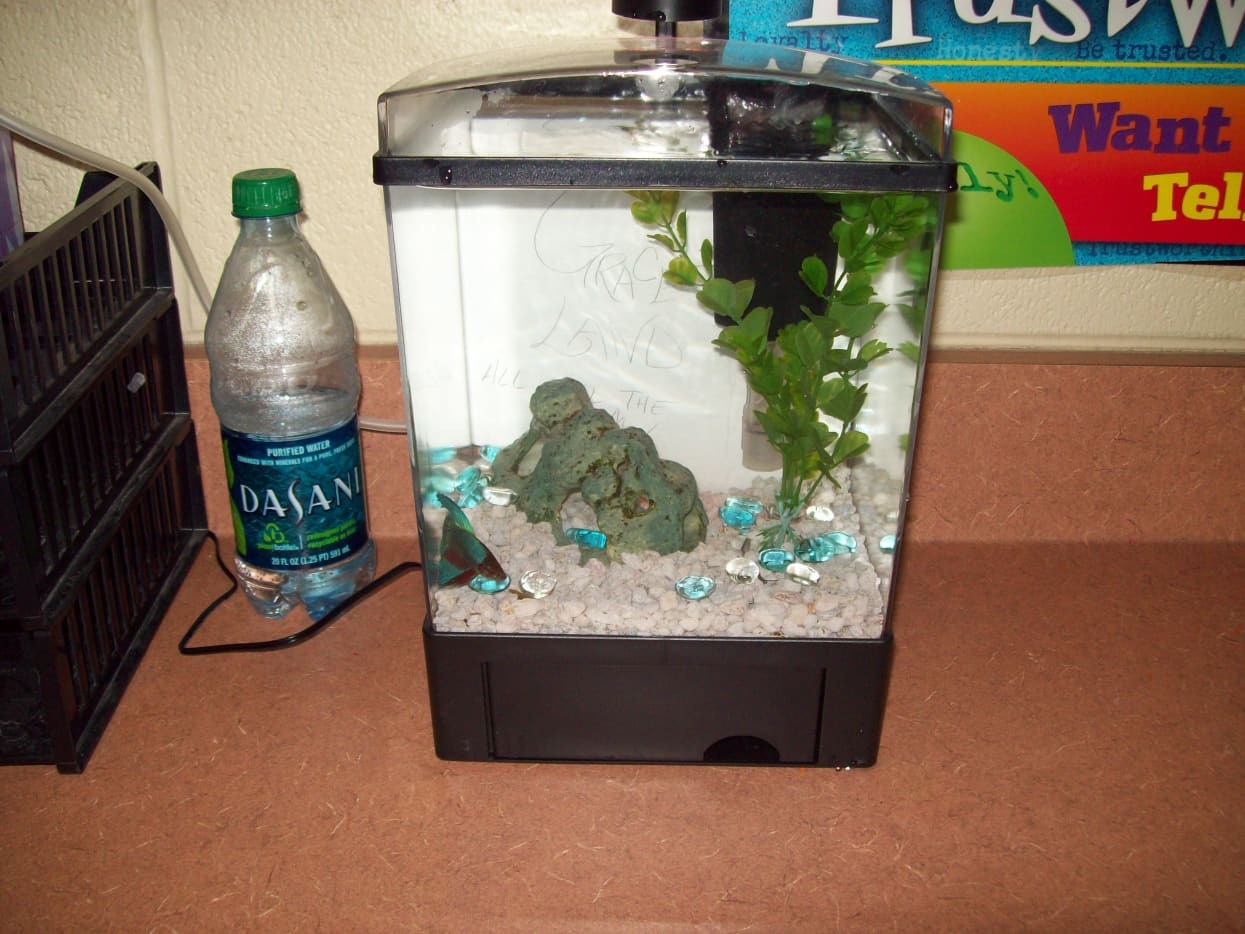
In conclusion, the art of selecting compatible fish for your community tank is a meticulous yet deeply satisfying process. By diligently researching species, understanding their unique needs, and planning your stocking strategy with care, you lay the groundwork for a flourishing aquatic environment. Remember, a well-chosen community tank is not just a beautiful display but a testament to your dedication to creating a harmonious home for your underwater companions, ensuring years of enjoyment and observation.