Embarking on the journey of setting up a new aquarium is an exciting endeavor, and one of the first crucial decisions you’ll face is selecting the right tank material. This comprehensive guide delves into the intricacies of choosing between a glass and an acrylic aquarium, exploring their fundamental differences, historical evolution, and the unique advantages and disadvantages each material brings to the aquarist’s table.
Understanding these distinctions is paramount to creating a thriving aquatic environment, ensuring both the well-being of your inhabitants and the aesthetic appeal of your display. From scratch resistance and weight considerations to design flexibility and cost-effectiveness, we will navigate through every facet to empower you in making an informed choice that perfectly aligns with your aquascaping aspirations and practical needs.
Introduction to Aquarium Materials
Choosing the right material for your aquarium is a foundational decision that impacts not only the aesthetics of your aquatic display but also its practicality, durability, and even the health of your inhabitants. The two primary contenders in the modern aquarium market are glass and acrylic, each possessing distinct characteristics that cater to different needs and preferences. Understanding these differences is crucial for making an informed choice that aligns with your budget, space, and long-term aquarium goals.The decision between glass and acrylic is often driven by a combination of factors, including the desired size and shape of the aquarium, its intended location, the type of inhabitants it will house, and the owner’s tolerance for maintenance and potential damage.
For instance, larger or uniquely shaped tanks might lean towards acrylic due to its lighter weight and malleability, while smaller, more traditional setups might favor the scratch resistance and clarity of glass.
Aquarium Construction Materials: Glass vs. Acrylic
The fundamental difference between glass and acrylic aquariums lies in their composition and manufacturing processes. Glass aquariums are typically constructed from panes of tempered or float glass, joined together with silicone sealant. The thickness of the glass is determined by the aquarium’s dimensions to ensure structural integrity and prevent bowing under the immense pressure of water. Acrylic aquariums, on the other hand, are formed from sheets of polymethyl methacrylate (PMMA), a type of thermoplastic.
These sheets are cut to size and then chemically bonded together, creating a seamless and incredibly strong structure.The primary reasons for selecting one material over the other stem from their inherent properties. Glass offers superior scratch resistance and does not yellow or cloud over time, maintaining its clarity for years. It is also generally more affordable for standard-sized aquariums and less prone to chemical leaching.
Acrylic, however, is significantly lighter than glass, making larger tanks easier to move and install. It is also more impact-resistant, making it a safer choice in environments with children or pets. Furthermore, acrylic can be molded into a wide variety of shapes, allowing for custom designs that are not feasible with glass.
Historical Context and Evolution of Aquarium Tank Materials
The history of aquariums reflects a fascinating evolution in materials and technology, driven by a desire to better observe and maintain aquatic life. Early forms of aquariums, dating back to ancient civilizations, were rudimentary containers made of clay or stone, often with limited visibility. The advent of glass production in the 19th century revolutionized the hobby, allowing for enclosed, transparent tanks that offered unprecedented views of underwater ecosystems.Initially, aquariums were made from panes of standard glass, which were heavy and prone to breakage.
As technology advanced, tempered glass became the industry standard for larger tanks, offering increased strength and safety. The introduction of acrylic as an aquarium material in the mid-20th century marked another significant leap. Its lighter weight, impact resistance, and moldability opened up new possibilities for aquarium design and scale, particularly for public aquariums and very large home installations. This evolution has provided hobbyists with increasingly sophisticated and versatile options for creating their own underwater worlds.
Advantages of Glass Aquariums
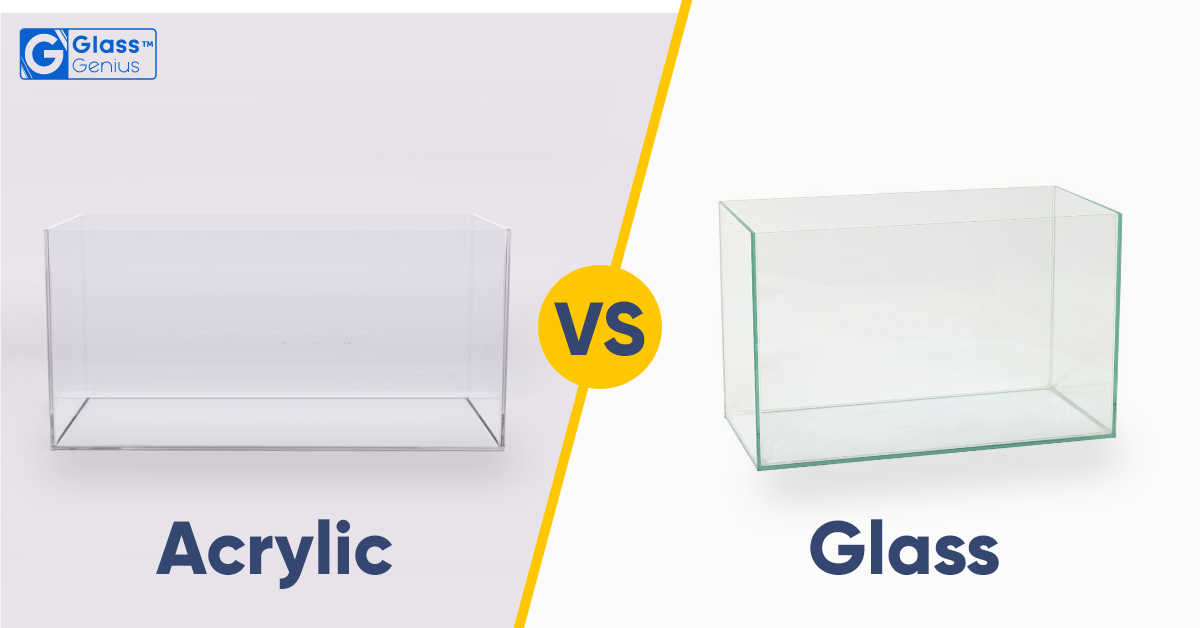
Glass aquariums have long been the standard for aquatic enthusiasts, and for good reason. Their inherent properties offer a distinct set of benefits that contribute to their enduring popularity. Understanding these advantages is crucial when making an informed decision about your aquarium’s construction material.Glass provides a clear, distortion-free view of your aquatic inhabitants, allowing for optimal observation and enjoyment of your underwater world.
This clarity is maintained over time, ensuring your aquarium remains a beautiful focal point in your home or office.
Lifespan and Durability
Glass aquariums are renowned for their exceptional longevity and robustness. With proper care and maintenance, a glass tank can easily last for several decades, often exceeding 20 to 30 years. This impressive lifespan is a testament to the inherent durability of glass as a material. Unlike acrylic, glass is highly resistant to degradation from UV light and water exposure, meaning it won’t yellow or become brittle over time.
Scratch Resistance
One of the most significant advantages of glass aquariums is their superior scratch resistance. Glass is considerably harder than acrylic, making it much more difficult to scratch during routine cleaning or by accidental contact. While deep scratches can still occur under significant force, minor abrasions from algae scrubbers or gravel are far less common and often imperceptible. This property significantly reduces the visual impact of wear and tear, ensuring your aquarium maintains its pristine appearance for years to come.
The hardness of glass makes it inherently more resistant to the surface imperfections that can detract from the viewing experience in acrylic tanks over time.
Ideal Scenarios for Glass Aquariums
Glass aquariums are often the preferred choice in several common scenarios. They are ideal for hobbyists who prioritize a crystal-clear, scratch-free viewing experience and are looking for a long-term, stable investment in their aquarium setup. Due to their weight and rigidity, glass tanks are also well-suited for larger setups where structural integrity is paramount. Furthermore, for those who prefer a more traditional aesthetic or are concerned about potential chemical leaching from plastics (though this is rare with quality acrylics), glass presents a reliable and time-tested option.Glass aquariums are particularly beneficial for:
- Beginners who may inadvertently cause minor scratches during their learning curve with tank maintenance.
- Aquascapers who want to maintain the pristine clarity of their planted tanks without worrying about minor abrasions affecting the view.
- Individuals seeking a highly durable and low-maintenance viewing surface for their aquarium.
- Larger aquarium setups where the rigidity and stability of glass are crucial for structural integrity.
Advantages of Acrylic Aquariums
While glass aquariums have their merits, acrylic tanks offer a compelling set of benefits that make them an attractive choice for many aquarium enthusiasts. These advantages often stem from the inherent properties of acrylic as a material, leading to practical improvements in weight, durability, design possibilities, and visual clarity.Acrylic aquariums are a popular alternative to traditional glass tanks, offering a unique blend of practical and aesthetic advantages that cater to a wide range of aquarists.
Understanding these benefits can help you make an informed decision about which aquarium material best suits your needs and preferences.
Lightweight Construction
One of the most significant advantages of acrylic aquariums is their considerably lighter weight compared to glass tanks of equivalent volume. This makes them much easier to move, set up, and maintain, especially for larger aquarium setups.The difference in weight is substantial. For instance, a 50-gallon acrylic aquarium can weigh up to 50% less than a comparable glass aquarium. This reduced weight is due to the lower density of acrylic plastic compared to glass.
This ease of handling is particularly beneficial for hobbyists who may need to relocate their aquarium or perform deep cleaning.
Impact Resistance and Durability
Acrylic is significantly more impact-resistant than glass, making it less prone to cracking or shattering. This inherent durability provides a greater margin of safety, especially in households with children or pets, or in environments where accidental bumps are more likely.Acrylic has a much higher tensile strength and fracture toughness than glass. This means it can absorb more impact energy before failing.
While not indestructible, an acrylic tank is far more forgiving of minor impacts than a glass tank, which can chip or crack with relative ease. This resilience contributes to a longer lifespan and reduces the risk of catastrophic leaks due to impact damage.
Design Flexibility and Customization
Acrylic’s malleability allows for exceptional design flexibility, enabling the creation of aquariums in a vast array of shapes, sizes, and configurations that are difficult or impossible to achieve with glass. This opens up a world of aesthetic possibilities for custom builds.Manufacturers can easily cut, drill, and thermoform acrylic into complex shapes such as curved fronts, corner overflows, or even integrated sumps.
This capability is invaluable for hobbyists seeking unique display tanks that seamlessly integrate into their living spaces or for specialized setups requiring non-standard dimensions. The ability to create seamless, bonded joints further enhances the sleek and modern appearance of acrylic aquariums.
Clarity and Light Transmission
Acrylic offers superior clarity and light transmission compared to glass, resulting in a brighter and more vibrant viewing experience for your aquatic inhabitants. This enhanced optical quality can make colors appear more vivid and details sharper.Acrylic has a higher light transmittance rate, allowing more light to pass through to the aquarium’s interior. While standard glass typically transmits around 90% of light, high-quality acrylic can transmit up to 92%.
Furthermore, acrylic is less prone to the slight greenish tint that can be noticeable in thicker glass panels, providing a clearer, more natural view of your underwater world.
Disadvantages of Glass Aquariums
While glass aquariums offer numerous benefits, it is important to acknowledge their inherent drawbacks. Understanding these limitations will allow for a more informed decision when selecting the ideal aquarium for your aquatic setup. These disadvantages primarily revolve around their physical properties and the implications they have for handling, durability, and maintenance.Glass aquariums, despite their clarity and scratch resistance, present several challenges that potential owners should consider.
These can significantly impact the setup process, long-term care, and the overall aesthetic of your aquarium.
Weight Considerations and Installation Challenges
One of the most significant disadvantages of glass aquariums is their substantial weight. Glass is considerably denser than acrylic, meaning a similarly sized tank will be much heavier. This added weight poses considerable challenges, particularly for larger aquariums. Moving a heavy glass tank requires careful planning, often involving multiple people and specialized equipment to prevent injury or damage to the aquarium itself.
The placement of the aquarium also becomes a critical factor; the chosen location must be able to support the immense weight of the tank when filled with water, substrate, and equipment. This necessitates ensuring the floor or stand is structurally sound, which can limit placement options, especially in older homes or upper-floor apartments.
Susceptibility to Cracking or Shattering
Although glass is resistant to scratching, it is brittle and can be susceptible to cracking or shattering under specific conditions. Accidental impacts, such as dropping heavy objects near the tank or forceful bumps, can lead to catastrophic failure. Even minor, unseen stress points, perhaps from uneven support or manufacturing defects, can propagate over time, leading to cracks. Temperature fluctuations, while less of a concern for most standard aquarium setups, can also contribute to stress if extreme and rapid changes occur.
The risk of a glass aquarium breaking is a serious consideration, as a rupture can result in a sudden and substantial release of water, potentially causing significant damage to surrounding areas and the loss of all aquatic inhabitants.
Repairability of Glass Aquariums
Repairing a cracked or chipped glass aquarium is generally not a feasible or recommended option for most hobbyists. Unlike acrylic, which can often be buffed or patched, glass damage typically compromises the structural integrity of the tank.
- Minor Chips: Small chips on the edges might not immediately threaten the tank’s stability, but they can be aesthetically unappealing and may worsen over time.
- Cracks: Any crack, even a hairline one, significantly weakens the glass. Attempting to seal a crack with adhesives is usually a temporary and unreliable fix, as the pressure of the water will likely cause further failure.
- Professional Repair: While some highly specialized glass repair services exist, they are often prohibitively expensive and may not be suitable for aquarium applications due to the specific stresses and constant water exposure.
The common and safest approach to repairing a damaged glass aquarium is replacement. This means that any significant damage necessitates purchasing a new tank, which can be a costly consequence of choosing glass.
Disadvantages of Acrylic Aquariums

While acrylic aquariums offer several compelling advantages, it’s important to be aware of their potential drawbacks to make an informed decision. Understanding these limitations will help you manage expectations and maintain your aquarium effectively.Acrylic, despite its benefits, is not without its challenges. The material’s inherent properties can lead to certain issues that require careful consideration and specific maintenance practices.
Scratch Propensity and Mitigation
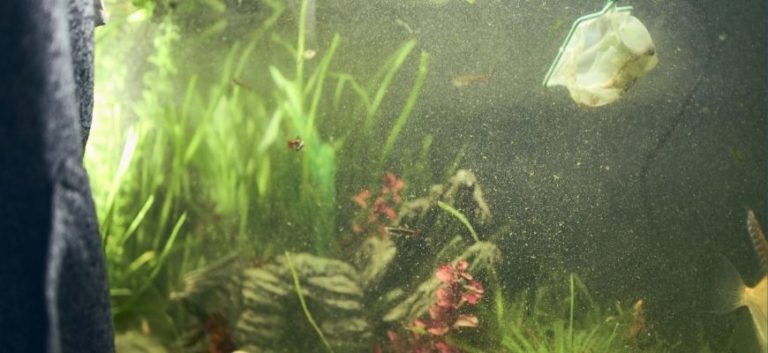
One of the most significant disadvantages of acrylic aquariums is their susceptibility to scratching. Unlike glass, which is much harder, acrylic can be easily abraded by even seemingly minor contact. This can detract from the aesthetic appeal of the tank and, in severe cases, may affect visibility.Preventing scratches is paramount for maintaining the clarity and beauty of an acrylic aquarium.
This involves adopting a cautious approach during all maintenance and setup procedures.
- Avoid abrasive cleaning tools: Never use paper towels, sponges with abrasive sides, brushes, or any cleaning implement that is not specifically designed for acrylic aquariums. These can easily leave micro-scratches.
- Use specialized cleaning supplies: Opt for soft microfiber cloths or aquarium-safe algae scrapers with plastic blades.
- Careful substrate handling: When adding or removing substrate, do so gently and avoid dragging tools across the bottom of the tank.
- Secure equipment: Ensure that all internal equipment, such as filters and heaters, are securely fastened and do not rub against the acrylic walls.
- Educate all users: If multiple people are involved in tank maintenance, ensure they are all aware of the delicate nature of acrylic and follow proper procedures.
Addressing existing scratches can be challenging. Minor surface scratches can sometimes be buffed out using specialized acrylic polish kits. These kits typically involve a series of fine abrasives that gradually smooth out the scratch. However, deeper scratches may be difficult or impossible to remove completely without professional intervention or replacement of the acrylic panel. It is always advisable to test any polishing compound in an inconspicuous area first.
Yellowing Over Time
Another potential drawback of acrylic aquariums is their tendency to yellow or become cloudy over an extended period. This discoloration can diminish the visual clarity of the tank and obscure the view of your aquatic inhabitants.Several factors can contribute to the yellowing of acrylic. Understanding these influences can help in preventing or slowing down the process.
- UV Exposure: Prolonged exposure to ultraviolet (UV) light, especially from direct sunlight, is a primary cause of acrylic degradation and yellowing. Acrylic polymers can break down when exposed to high levels of UV radiation.
- Chemical Reactions: Certain chemicals can react with acrylic, leading to discoloration. This is particularly relevant when using incorrect cleaning agents or if certain medications are introduced into the tank.
- Age and Material Quality: Like all materials, acrylic can degrade over time. The quality of the acrylic used in manufacturing can also play a role, with higher-quality acrylics being more resistant to yellowing.
To mitigate yellowing, it is recommended to place acrylic aquariums away from direct sunlight. If UV sterilization is used, ensure it is properly shielded and not directly illuminating the acrylic panels. Using only aquarium-safe cleaning products and avoiding unnecessary chemical additives will also help preserve the clarity of the acrylic.
Chemical Compatibility Considerations
Acrylic is a porous material, which means it can be more susceptible to chemical interactions than glass. Certain substances can leach into or react with acrylic, potentially causing damage or cloudiness.It is crucial to be mindful of the chemical compatibility when selecting equipment, decorations, and treatments for an acrylic aquarium.
- Solvents and Harsh Cleaners: Avoid using common household cleaners, solvents like acetone, or alcohol-based products near or on acrylic tanks. These can cause irreversible damage, clouding, or even etching of the acrylic surface.
- Certain Medications and Additives: Some aquarium medications or water additives may contain chemicals that can react with acrylic. Always check the product labeling for compatibility with acrylic tanks. If unsure, consult with the manufacturer or a knowledgeable aquarium professional.
- Adhesives and Sealants: When performing repairs or modifications, use only adhesives and sealants specifically formulated for aquarium use and compatible with acrylic. Standard silicone sealants may not be suitable.
- Plastic Decorations: While most plastic decorations are safe, some cheaper varieties might contain plasticizers or dyes that could leach into the water and potentially affect acrylic over time.
A general rule of thumb is to always verify the compatibility of any substance that comes into contact with your acrylic aquarium. When in doubt, err on the side of caution and choose products explicitly stated as safe for acrylic tanks.
Cost and Maintenance Comparison
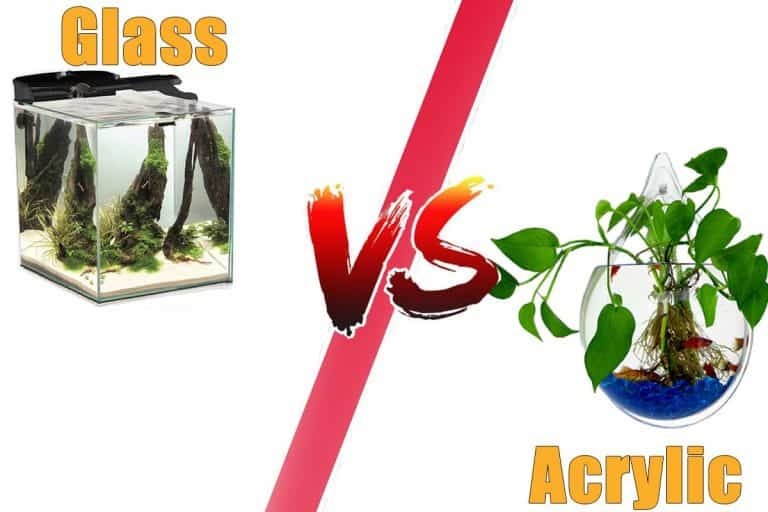
When selecting an aquarium, the initial purchase price and ongoing maintenance expenses are significant considerations. Both glass and acrylic aquariums have distinct cost profiles and require different maintenance approaches. Understanding these differences can help you make an informed decision that aligns with your budget and commitment level.The initial investment for an aquarium can vary considerably based on material, size, and brand.
Beyond the upfront cost, the long-term expenses involve cleaning supplies, potential repair materials, and in some cases, replacement parts. It’s crucial to factor in these recurring costs to accurately assess the total ownership expense.
Aquarium Price Ranges
The cost of aquariums is heavily influenced by their material. Generally, acrylic aquariums tend to be more expensive than their glass counterparts for the same volume and features. This price difference is often attributed to the manufacturing processes involved and the inherent properties of each material.For smaller to medium-sized aquariums (e.g., 20-55 gallons), you might find glass options ranging from $50 to $200, while comparable acrylic aquariums could cost between $100 and $300 or more.
Larger custom-built tanks can see even more pronounced price disparities, with acrylic often commanding a premium due to its lighter weight and customizability. For instance, a 100-gallon glass tank might be priced around $200-$400, whereas a 100-gallon acrylic tank could be $500-$1000+. These figures are approximate and can fluctuate based on retailers, sales, and included accessories.
Long-Term Maintenance Costs
The long-term maintenance costs for aquariums are influenced by their durability, susceptibility to damage, and ease of repair. While glass is more prone to cracking or shattering, acrylic can scratch more easily, necessitating different care routines and potential repair expenses.For glass aquariums, the primary long-term cost is the potential for replacement if significant damage occurs, which is less common with proper handling.
Cleaning supplies are generally the same for both. Acrylic aquariums, on the other hand, might incur costs related to scratch removal or the use of specialized cleaning tools to prevent damage. If deep scratches or clouding occur, resurfacing or replacement of the panel might be necessary, which can be a significant expense.
Glass Aquarium Maintenance Procedures
Maintaining a glass aquarium involves regular cleaning to ensure a healthy environment for aquatic life and to preserve the clarity of the glass. The procedure is straightforward and focuses on preventing mineral buildup and algae growth.Follow these steps for routine glass aquarium maintenance:
- Water Change: Perform a partial water change (typically 20-25%) weekly or bi-weekly, depending on tank size and stocking levels. Use a gravel vacuum to siphon water out while simultaneously cleaning the substrate.
- Algae Removal: Use an aquarium-safe scraper or a magnetic cleaner to remove algae from the interior glass surfaces. For stubborn algae, a razor blade (used carefully to avoid scratching the glass) can be employed.
- Exterior Cleaning: Wipe down the exterior of the aquarium with a damp cloth and an aquarium-safe glass cleaner or plain water. Avoid using household cleaners, as they can be toxic to fish.
- Filter Maintenance: Clean or replace filter media according to the manufacturer’s instructions. Do not clean all filter media at once, as this can disrupt the beneficial bacteria colony.
- Water Testing: Regularly test water parameters such as ammonia, nitrite, nitrate, and pH using a reliable aquarium test kit. Address any imbalances promptly.
Acrylic Aquarium Maintenance Procedures
Acrylic aquariums require a more gentle approach to cleaning to avoid scratching the surface. Specialized tools and techniques are essential for preserving the clarity and integrity of the acrylic panels.The following steps Artikel the proper maintenance for an acrylic aquarium:
- Water Change: Similar to glass aquariums, perform weekly or bi-weekly partial water changes (20-25%) using a gravel vacuum.
- Algae Removal: Use only soft pads or specialized acrylic-safe algae scrapers. Avoid abrasive materials like steel wool or standard glass scrapers. Magnetic cleaners designed for acrylic are also a good option.
- Exterior Cleaning: Clean the exterior with a soft microfiber cloth and a dedicated acrylic aquarium cleaner or distilled water. Never use paper towels, as they can leave fine scratches.
- Scratch Prevention: Be mindful of decorations and equipment that could rub against the acrylic. Ensure all items are smooth-edged.
- Filter and Water Testing: Follow the same guidelines as for glass aquariums regarding filter maintenance and regular water testing.
Suitability for Different Aquarium Types
The choice between glass and acrylic for an aquarium is not a one-size-fits-all decision. Different aquarium setups and environments present unique challenges and requirements that can significantly favor one material over the other. Understanding these specific needs will help you make the most informed choice for your aquatic inhabitants and your personal space.
Freshwater Planted Tanks
For freshwater planted tanks, both glass and acrylic can be suitable, but each offers distinct advantages that cater to the specific demands of aquascaping and plant growth.Glass aquariums are generally preferred by many planted tank enthusiasts due to their superior scratch resistance. This is particularly important when using substrates that can be abrasive, or when frequent maintenance involving scraping algae from the glass is necessary.
The clarity of glass also remains exceptional over time, without the tendency to yellow, which is crucial for maximizing light penetration for plant photosynthesis. However, the weight and fragility of glass can be a limiting factor for larger planted setups.Acrylic, on the other hand, offers lighter weight and greater impact resistance, making it a good option for larger planted tanks where moving the aquarium is a consideration.
Its superior insulation properties can also help maintain a more stable water temperature, which is beneficial for delicate aquatic plants. However, acrylic is much more prone to scratching from substrate, cleaning tools, and even everyday dust. While scratches can often be buffed out, it requires careful technique and specialized products, adding to the maintenance effort. The potential for yellowing over time with prolonged UV exposure is also a consideration for planted tanks that rely on bright lighting.
Saltwater Reef Aquariums
Saltwater environments, particularly reef aquariums, present a unique set of challenges where the material choice for an aquarium becomes even more critical. The corrosive nature of saltwater and the specific needs of delicate coral and fish demand materials that are both durable and optically clear.Glass aquariums are a popular choice for saltwater reef tanks due to their excellent scratch resistance.
This is a significant advantage when dealing with potentially abrasive substrates like aragonite or crushed coral, and when the need arises to clean the glass of stubborn algae, which can be common in nutrient-rich reef environments. Glass also maintains its optical clarity for a longer period, ensuring that light, vital for coral photosynthesis, is not diminished over time. The inert nature of glass means it will not react with saltwater or other chemicals in the aquarium, preventing any potential contamination.
However, the weight of glass can be a considerable drawback for larger reef systems, requiring robust stands and making relocation difficult.Acrylic aquariums offer significant advantages for reef keepers, primarily their lighter weight and superior impact resistance. This makes them ideal for larger reef tanks, which can easily exceed thousands of gallons, and for those who may need to move the aquarium.
Acrylic is also more resistant to shattering than glass, offering an added layer of safety. Its smooth, non-porous surface can also be easier to clean of certain types of algae. However, acrylic is considerably more susceptible to scratching from sand, gravel, and even cleaning tools. While minor scratches can be buffed out, significant damage can be difficult and costly to repair.
Furthermore, prolonged exposure to intense lighting, common in reef tanks, can cause acrylic to yellow over time, potentially affecting light penetration and the aesthetic appeal of the aquarium.
Large-Scale or Custom Aquarium Builds
For large-scale or custom aquarium builds, the material choice between glass and acrylic is heavily influenced by structural integrity, weight, shape possibilities, and the overall budget.When considering large-scale aquariums, acrylic often emerges as the preferred material. Its lighter weight compared to glass of equivalent thickness is a critical factor, as massive glass panels would be prohibitively heavy to transport and install.
Acrylic’s inherent strength and flexibility also allow for the creation of custom shapes and designs that are impossible or extremely difficult with glass, such as curved front panels, corner overflows, or even complete geometric custom forms. This makes acrylic ideal for architectural installations or specialized display tanks. However, the cost of acrylic for very large tanks can be significantly higher than glass, and the susceptibility to scratching requires diligent maintenance practices.Glass remains a viable option for large-scale builds, especially for rectangular tanks where the structural advantages of acrylic are less pronounced.
Thicker glass can be used to create very large, standard-shaped aquariums, and its superior scratch resistance is a significant benefit for longevity and ease of maintenance. The cost of large glass aquariums can sometimes be more competitive than similarly sized acrylic tanks. However, the extreme weight of large glass panels necessitates specialized handling equipment and reinforced support structures, adding to the overall project complexity and cost.
The risk of catastrophic failure due to impact is also higher with glass compared to acrylic.
Aquariums in High-Traffic Areas or Environments Prone to Impact
In environments where accidental impacts are a significant concern, such as in commercial settings, children’s play areas, or public spaces, the choice of aquarium material leans heavily towards durability and resistance to breakage.Acrylic aquariums are the superior choice for aquariums located in high-traffic areas or environments prone to impact. Acrylic is significantly more impact-resistant than glass, meaning it is far less likely to crack or shatter if bumped or struck.
This inherent toughness provides a much greater margin of safety, protecting both the aquarium inhabitants and the surrounding environment from potential water damage and injury. While acrylic is more prone to scratching, the risk of catastrophic failure from an impact is substantially reduced, making it the preferred material for such demanding applications. The lighter weight of acrylic also aids in installation and stability in these often busy settings.Glass aquariums, while offering superior scratch resistance, are considerably more fragile and susceptible to cracking or shattering upon impact.
In a high-traffic area, the risk of an accidental knock or bump is much higher, and the consequences of a glass aquarium breaking can be severe, leading to a significant water spill, potential damage to property, and a risk of injury. Therefore, for situations where durability against physical impact is the primary concern, acrylic is the unequivocally safer and more practical material choice.
Visual Aesthetics and Performance
The visual presentation of your aquarium is paramount, influencing both your enjoyment and the health of its inhabitants. The choice between glass and acrylic significantly impacts how light behaves, how clear your view is, and the overall aesthetic appeal of your aquatic environment. Understanding these differences is crucial for selecting the material that best suits your vision and the needs of your aquarium.This section delves into the visual characteristics of glass and acrylic, exploring how they affect clarity, light penetration, and the viewing experience, ultimately influencing the success of your planted or inhabitant-focused aquarium.
Clarity and Distortion
The intrinsic properties of glass and acrylic lead to distinct differences in visual clarity and the potential for distortion.
- Glass Aquariums: Generally offer superior scratch resistance, which helps maintain clarity over time. However, thicker glass, especially in larger aquariums, can sometimes exhibit a slight green tint, which can subtly alter the perceived colors of your fish and plants. Distortion is typically minimal in standard glass tanks, providing a true-to-life view.
- Acrylic Aquariums: Are inherently clearer than glass and do not possess a green tint, resulting in a purer, more vibrant viewing experience. Acrylic is also lighter and less prone to breakage, but it is significantly more susceptible to scratching, which can degrade clarity over time if not properly maintained. Minor distortions can occur with very thick acrylic or in tanks with curved panels, though manufacturers work to minimize these effects.
Light Penetration and Impact on Aquatic Life
The way each material interacts with light has direct implications for the health and vibrancy of your aquarium’s ecosystem.
- Glass Aquariums: Glass is an excellent medium for light transmission. It allows a high percentage of light to pass through, which is vital for photosynthesis in live plants and for the well-being of many aquatic species that rely on specific light spectrums. The minimal light absorption by glass ensures that your lighting system’s intended intensity and spectrum reach the aquarium’s inhabitants effectively.
- Acrylic Aquariums: Acrylic also boasts excellent light transmission properties, often rivaling or even exceeding that of glass. It is less likely to absorb or filter specific wavelengths of light, ensuring that the full spectrum of your chosen aquarium lighting reaches your plants and animals. This consistent light penetration is beneficial for robust plant growth and the health of light-sensitive inhabitants.
Curvature and Thickness Influence on Viewing Experience
The physical form of the aquarium material plays a significant role in how you perceive the underwater world within.
- Glass Aquariums: Traditional rectangular glass aquariums offer a straightforward viewing experience with minimal distortion. When glass is curved, particularly in bowfront or corner tanks, the thickness required to maintain structural integrity can sometimes lead to slight visual warping, especially when viewed from an angle.
- Acrylic Aquariums: Acrylic’s malleability allows for more dramatic and seamless curves, often resulting in panoramic viewing experiences without significant distortion. The lighter weight of acrylic also permits thinner panels for a given size compared to glass, which can further enhance clarity and reduce any potential for warping, offering an unobstructed, immersive view.
Performance with Different Lighting Setups
The interaction between aquarium materials and lighting can subtly alter the effectiveness and appearance of your lighting system.
- Glass Aquariums: Glass tanks perform exceptionally well with all types of aquarium lighting, including LED, fluorescent, and metal halide. The material’s inertness and high clarity ensure that the light output from your fixtures is delivered directly into the tank with minimal interference. This makes glass a reliable choice for achieving vibrant colors and promoting healthy plant growth under any lighting condition.
- Acrylic Aquariums: Similar to glass, acrylic tanks are highly compatible with various lighting technologies. The exceptional clarity of acrylic means that the full spectrum and intensity of your lighting are preserved. This is particularly advantageous for high-intensity LED lighting systems, where the purity of light transmission can enhance the vibrancy of corals in saltwater aquariums or the rich colors of plants and fish in freshwater setups.
Installation and Handling
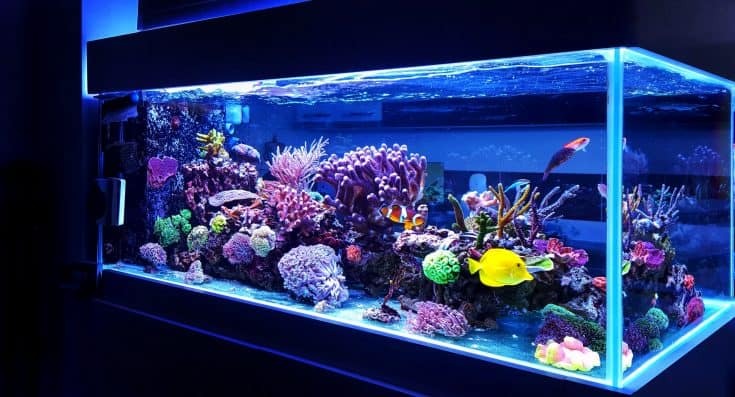
The journey of setting up your aquarium doesn’t end with choosing the right material; it extends to the practicalities of installation and handling. The physical properties of glass and acrylic significantly influence how you’ll approach these crucial steps, impacting everything from where you can place your tank to how you move it. Understanding these differences is key to a safe and successful aquarium setup.The weight and fragility of aquariums are paramount considerations during installation.
Glass, while durable, is heavy and brittle, demanding careful handling to avoid cracks or breakage. Acrylic, on the other hand, is significantly lighter and more flexible, but it is susceptible to scratching. These distinctions necessitate different approaches to lifting, positioning, and ensuring adequate support for your chosen aquarium.
Weight Differences and Their Implications
The disparity in weight between glass and acrylic aquariums is a primary factor influencing installation. A general rule of thumb is that acrylic is roughly half the weight of glass for the same volume. This difference has significant implications for placement and the type of support structures required.A standard 55-gallon glass aquarium can weigh upwards of 100 pounds empty, while an acrylic equivalent of the same size might weigh around 50-60 pounds.
When filled with water, gravel, and decorations, these weights multiply dramatically. For instance, a 55-gallon glass tank filled with water alone can weigh over 450 pounds. This substantial weight means that the aquarium must be placed on a surface that can bear its load, such as a sturdy stand specifically designed for aquariums or a reinforced floor. Insufficient support can lead to structural damage to the tank, the stand, and potentially the surrounding floor.
Acrylic’s lighter weight offers more flexibility in placement, but the structural integrity of the supporting surface remains critical due to the immense weight of the water.
Precautions for Glass Aquarium Installation
Handling glass aquariums requires a cautious and methodical approach due to their inherent weight and susceptibility to impact. The goal is to prevent stress fractures or outright breakage during every stage of the process.Before moving a glass aquarium, ensure you have adequate help. It is rarely a one-person job, especially for larger tanks. Always lift from the bottom edges, never by the top rim, as this can create undue stress on the silicone seals.
Use a dolly or furniture sliders if moving the tank any significant distance. When placing the aquarium, do so slowly and deliberately onto its intended stand. Avoid sliding or dropping the tank, as even minor impacts can cause damage. Ensure the stand is perfectly level and free of debris, as any unevenness can concentrate pressure on the glass. It is also advisable to have the stand and aquarium in their final intended location before filling, as moving a filled glass tank is extremely hazardous.
Precautions for Acrylic Aquarium Installation
Acrylic aquariums, while lighter and less prone to shattering, present their own set of handling challenges, primarily centered around their susceptibility to scratching. A single deep scratch can be unsightly and, in extreme cases, compromise the structural integrity of the tank.When moving an acrylic aquarium, use clean, soft cloths or blankets to protect the surfaces from any abrasive materials. Avoid using abrasive cleaning tools or even rough fabrics directly on the acrylic.
It is best to move the tank with at least two people, lifting it from the bottom and sides. Never drag an acrylic tank, as this will almost certainly result in scratches. When placing the aquarium, ensure the stand is level and free of any sharp objects or grit. Use a level to confirm the stand is true before positioning the tank.
Because acrylic is more flexible than glass, it is essential that the stand provides uniform support across the entire base of the aquarium to prevent bowing or distortion.
Essential Considerations Before Purchasing and Installing an Aquarium
Before committing to a purchase and embarking on the installation process, a thorough checklist of considerations will ensure a smooth and successful experience. This proactive approach helps prevent common pitfalls and ensures your aquarium is set up safely and effectively.
- Location Assessment: Identify a stable, level location away from direct sunlight (which can promote algae growth and overheat the tank) and drafts. Consider proximity to electrical outlets for equipment and a water source for maintenance.
- Structural Support: Determine the weight of the filled aquarium and ensure the chosen location and stand can adequately support this load. Consult the aquarium manufacturer’s specifications for weight limits.
- Access for Maintenance: Ensure there is sufficient space around the aquarium for cleaning, equipment access, and routine maintenance.
- Budget for Stand and Accessories: Factor in the cost of a suitable stand, filtration, heating, lighting, substrate, and decorations, as these are essential components for a functioning aquarium.
- Material Choice Impact: Revisit the pros and cons of glass versus acrylic in relation to your specific needs, considering handling, weight, and potential for scratches or breakage.
- Moving Assistance: Arrange for adequate help if purchasing a larger glass aquarium, or ensure you have appropriate protective materials for moving an acrylic tank.
- Leveling Tools: Have a reliable level on hand to ensure the stand and the aquarium itself are perfectly horizontal.
- Water Source and Drainage: Plan how you will fill and drain the aquarium during setup and maintenance. Consider the convenience of nearby plumbing or the need for buckets and siphons.
Factors Influencing the Final Decision
Selecting the ideal aquarium material is a significant step that requires careful consideration of various personal circumstances and preferences. While the inherent qualities of glass and acrylic are well-documented, your unique situation will ultimately dictate which material best suits your needs and aspirations for your aquatic environment. This section will guide you through the key elements to evaluate, ensuring a well-informed choice.The journey to choosing between glass and acrylic is not solely about material properties; it’s deeply intertwined with your financial capacity, the specific life you plan to house, and the physical constraints of your chosen location.
By systematically evaluating these aspects, you can confidently move towards a decision that aligns perfectly with your aquarium goals.
Budget Constraints and Material Selection
The financial investment required for an aquarium is a primary consideration for most hobbyists. Understanding how budget limitations influence the choice between glass and acrylic is crucial for making a practical and sustainable decision.Generally, glass aquariums tend to be more budget-friendly, especially for smaller to medium-sized tanks. The manufacturing process for glass is well-established, and the raw materials are readily available, contributing to a lower upfront cost.
Acrylic, on the other hand, often comes with a higher price tag. This is due to the more complex manufacturing processes involved and the specialized nature of the material. However, it’s important to note that for very large custom tanks, acrylic can sometimes become more cost-effective than a comparably sized glass tank due to its lighter weight and reduced need for extensive support structures.
When considering budget, think beyond the initial purchase price:
- Initial Purchase Price: Glass is typically less expensive for standard sizes.
- Long-Term Costs: While acrylic might scratch more easily, professional repair can sometimes be more involved and costly than replacing a scratched glass panel, though preventative measures can mitigate this.
- Shipping and Installation: The lighter weight of acrylic can sometimes translate to lower shipping costs and easier handling, potentially saving on installation expenses, especially for larger tanks.
Intended Inhabitants and Specific Needs
The type of aquatic life you plan to keep is a critical factor that can strongly favor one material over the other. Different inhabitants have unique requirements that can be better met by the properties of either glass or acrylic.For delicate or shy inhabitants, such as certain reef fish or invertebrates, the clearer and more distortion-free view offered by glass can be advantageous.
This allows for better observation and can help in monitoring the well-being of sensitive creatures. Conversely, if you are planning on keeping large, powerful fish that might bump into the tank walls, or if you are concerned about the risk of breakage from external impacts, acrylic’s superior impact resistance becomes a significant benefit.
| Inhabitant Type | Glass Advantage | Acrylic Advantage |
|---|---|---|
| Small, delicate fish and invertebrates | Clearer view for observation, less prone to algae adhesion on surfaces. | Impact resistance if tank is in a high-traffic area. |
| Large, active, or powerful fish | Scratch resistance, less prone to bowing under pressure. | Superior impact resistance, lighter weight for larger volumes. |
| Reef tanks with delicate corals | Better clarity for detailed observation of coral health. | Easier to custom-shape for unique aquascaping. |
| Terrariums or paludariums | More scratch-resistant to potential substrate disturbance. | Lighter weight for easier setup and repositioning. |
Physical Space and Environmental Factors
The dimensions of your aquarium and its placement within your home environment are practical considerations that can influence the choice between glass and acrylic.For smaller tanks, the weight difference between glass and acrylic is often negligible. However, as tank sizes increase, the weight of glass becomes a significant factor, requiring robust stands and potentially making relocation difficult. Acrylic’s lighter weight makes it a more manageable option for larger aquariums, simplifying installation and any future moves.
Consider the floor load capacity if you are planning a very large aquarium.Environmental factors, such as the presence of children or pets, can also play a role. Acrylic’s resistance to shattering makes it a safer choice in households where accidental impacts are more likely. If the aquarium is to be placed in a sunny spot, the potential for glass to magnize sunlight and create hot spots might be a concern, although this is a rare occurrence and can be mitigated with proper shading.
Conversely, acrylic can be more prone to clouding or yellowing over time with prolonged exposure to UV light, though modern acrylics often have UV inhibitors.
Decision-Making Framework
To synthesize the information and make a confident choice, consider the following framework to weigh the pros and cons based on your specific situation.
- Define Your Budget:
- Establish a clear spending limit for the aquarium and its accessories.
- Research prices for both glass and acrylic tanks within your desired size range.
- Factor in potential long-term costs like maintenance and potential repairs.
- Identify Your Inhabitants:
- List all the fish, invertebrates, and plants you intend to keep.
- Research their specific needs regarding tank security, water clarity, and potential for interaction with the tank walls.
- Consider if you are planning for a species-specific tank or a community setup.
- Assess Your Space:
- Measure the available space for the aquarium, including height, width, and depth.
- Evaluate the structural integrity of the floor or furniture where the tank will be placed, especially for larger volumes.
- Consider accessibility for maintenance and viewing angles.
- Evaluate Environmental Risks:
- Determine if there are children, pets, or high-traffic areas that could pose a risk of impact.
- Consider the amount of natural light the aquarium location receives.
- Think about the ease of handling and installation for the chosen tank size and material.
- Prioritize Your Preferences:
- Which is more important: the lowest upfront cost or superior impact resistance?
- How critical is a perfectly clear, distortion-free view versus a slightly lighter tank?
- Are you willing to invest in scratch prevention for acrylic or accept the risk of breakage with glass?
By thoughtfully working through these points, you can create a personalized checklist that highlights the advantages of each material in relation to your individual circumstances, leading you directly to the most suitable aquarium choice.
Closing Summary
Ultimately, the decision between a glass and an acrylic aquarium hinges on a careful evaluation of your priorities, budget, and the specific demands of your aquatic setup. Whether you value the superior scratch resistance and timeless appeal of glass or the lightweight design flexibility and impact resilience of acrylic, each material offers a unique set of benefits. By considering the insights shared regarding their respective strengths, weaknesses, maintenance requirements, and suitability for various aquarium types, you are now well-equipped to select the perfect foundation for your underwater world, ensuring years of enjoyment and successful aquatic stewardship.