As How to Acclimate New Fish to Your Aquarium Safely takes center stage, this opening passage beckons readers into a world crafted with good knowledge, ensuring a reading experience that is both absorbing and distinctly original. Introducing new aquatic inhabitants to their permanent home is a critical step in ensuring their long-term health and survival, and understanding the proper procedures can make all the difference.
This comprehensive guide will walk you through the essential steps, from understanding the biological necessity of acclimation to mastering specific techniques like drip acclimation and the floating bag method. We will equip you with the knowledge of necessary supplies, how to prepare your aquarium, and how to effectively monitor your new fish post-introduction, ensuring a smooth and stress-free transition for all involved.
Understanding the Importance of Acclimation
Introducing new fish to your aquarium is an exciting part of the hobby, but it’s crucial to understand that this transition is not without its challenges for your aquatic inhabitants. Acclimation is the process of gradually introducing your new fish to the water parameters of their new home, ensuring their health and survival. This careful introduction minimizes stress and allows them to adapt to a new environment with different water chemistry, temperature, and even light levels.The biological reasons for acclimation stem from the significant differences that can exist between the water a fish has been kept in at the store or breeder and the water in your aquarium.
These differences, if introduced too abruptly, can shock the fish’s system, leading to severe health issues or even death. A gradual acclimation process is, therefore, a fundamental aspect of responsible fishkeeping, safeguarding the well-being of your new pets.
Biological Stressors of Water Parameter Changes
Fish are highly sensitive to changes in their environment, particularly their water chemistry. The water at a fish store or during transport is often different in terms of pH, temperature, hardness (GH and KH), and salinity (for saltwater fish) compared to your established aquarium. Rapid shifts in these parameters can cause physiological stress, impacting their immune system and making them susceptible to diseases.The osmotic balance of a fish’s body is finely tuned to its environment.
When exposed to drastically different water conditions, their bodies struggle to regulate the intake and expulsion of water and salts. This can lead to:
- Osmotic shock, where cells swell or shrink.
- Difficulty breathing due to compromised gill function.
- Increased susceptibility to parasitic and bacterial infections.
- Behavioral changes such as hiding, loss of appetite, or erratic swimming.
Consequences of Inadequate Acclimation
Skipping or rushing the acclimation process is a common mistake that can have severe repercussions for new fish. The immediate effects might not always be visible, but the underlying stress can weaken the fish, making them prone to illness in the days and weeks following their introduction.The potential negative impacts include:
- Disease Outbreaks: Stressed fish have a weakened immune system, making them vulnerable to diseases that might already be present in your tank or that they may have brought with them.
- Moralities: In severe cases, abrupt changes can lead to death, especially for delicate species or young fish.
- Reduced Lifespan: Even if the fish survives, the stress of poor acclimation can shorten their overall lifespan and reduce their quality of life.
- Difficulty Establishing in the Aquarium: Fish that are stressed may not eat properly, integrate well with existing tank mates, or exhibit their natural behaviors.
“A little patience during acclimation can prevent a lot of heartache later on.”
Fundamental Principles of Successful Fish Acclimation
The core principle behind successful fish acclimation is to bridge the gap between the water parameters of the transport bag and your aquarium water as slowly and gently as possible. This allows the fish’s physiology to adjust gradually to the new conditions. The most common and effective methods focus on either temperature acclimation and then gradually mixing the water, or drip acclimation, which slowly introduces your aquarium water to the bag’s water.The fundamental principles include:
- Temperature Stabilization: Ensuring the water temperature in the bag matches the aquarium water before any water exchange begins.
- Gradual Water Parameter Matching: Slowly introducing small amounts of aquarium water to the transport bag, or vice versa, to equalize pH, hardness, and other key parameters.
- Minimizing Stress: Performing the acclimation in a dimly lit area, away from vibrations, and handling the fish as little as possible.
- Observation: Carefully observing the fish throughout the process for any signs of distress.
Essential Supplies for Acclimation
Bringing new fish home is an exciting time for any aquarist, but it’s crucial to ensure their transition into your aquarium is as stress-free as possible. Proper acclimation is paramount to the health and survival of your new aquatic inhabitants. To achieve this, having the right tools readily available will make the process smoother and significantly increase the chances of success.The following section Artikels the essential supplies that will equip you to safely and effectively acclimate your new fish, minimizing shock and promoting a healthy integration into their new environment.
Each item plays a vital role in monitoring and adjusting water parameters, thereby safeguarding the well-being of your new fish.
Equipment for Water Parameter Monitoring
Accurate measurement of key water parameters is fundamental to a successful acclimation. Fluctuations in temperature, pH, and water chemistry can be detrimental to fish that are already stressed from transport. Having reliable testing equipment allows you to identify and address any discrepancies between the transport water and your aquarium water before introducing the new fish.
- Aquarium Thermometer: Essential for ensuring the temperature of the transport water matches your aquarium’s temperature. Gradual temperature changes prevent thermal shock. Digital thermometers offer precise readings, while glass or strip thermometers are also effective.
- Aquarium Water Test Kits: Crucial for measuring parameters such as pH, ammonia, nitrite, and nitrate. These kits allow you to compare the water chemistry of the transport bag with your established aquarium water. Liquid test kits are generally more accurate than test strips.
- pH Test Kit: Specifically important as fish are sensitive to pH changes. A stable pH is vital for their biological functions.
Tools for Water Transfer and Adjustment
The process of gradually introducing your aquarium water to the transport water requires specific tools to manage the water flow and volume. This controlled exchange is the core of most acclimation methods, ensuring the fish can adapt to the new water conditions slowly.
- Small Buckets or Containers: Dedicated, clean containers are needed to hold the transport bag water and to mix with your aquarium water during the drip acclimation process. Ensure these are aquarium-safe and have never been used with household chemicals.
- Airline Tubing with Control Valve: This is the primary tool for drip acclimation. The valve allows for precise control over the rate at which your aquarium water is added to the transport bag or container, creating a slow and steady exchange.
- Aquarium Net: A fine-mesh net is used to gently transfer the fish from the acclimation container to the aquarium once the process is complete. Ensure the net is clean and appropriately sized to avoid injuring the fish.
- Siphon/Gravel Vacuum (Optional but Recommended): For larger water changes or when using a more advanced drip acclimation setup, a small siphon can be helpful for removing excess water from the acclimation container.
Supplies for Stress Reduction and Containment
While not directly involved in water parameter adjustment, these items contribute significantly to a less stressful acclimation experience for the fish. Providing a calm and controlled environment can make a noticeable difference in their recovery and adaptation.
- A Dark, Quiet Location: Designate a specific area away from direct sunlight, high traffic, and loud noises where the acclimation process can take place undisturbed. This helps reduce visual and auditory stress on the new fish.
- A Separate Container for Drip Acclimation (Optional): Some hobbyists prefer to use a clean, food-grade plastic container or a small, cycled quarantine tank for drip acclimation rather than the original transport bag. This provides more space and better control.
- Fish Food (for later): While not for immediate acclimation, have a small amount of food ready for when the fish show signs of settling in. Do not feed immediately upon introduction, but have it available for when they are ready.
Acclimation Checklist for New Fish
To ensure you are fully prepared before the arrival of your new aquatic companions, having a checklist can prevent last-minute rushes and potential mistakes. Gathering all necessary supplies in advance allows you to focus entirely on the well-being of your new fish during their critical introduction period.
| Item | Purpose | Status (Check when gathered) |
|---|---|---|
| Aquarium Thermometer | Match transport water temperature to aquarium temperature. | |
| pH Test Kit | Verify pH compatibility between waters. | |
| Ammonia/Nitrite/Nitrate Test Kits | Assess overall water chemistry stability. | |
| Clean Buckets/Containers (2-3) | Hold transport water, mix new water. | |
| Airline Tubing with Control Valve | Enable controlled water dripping for acclimation. | |
| Aquarium Net | Gently transfer fish to the aquarium. | |
| Siphon/Gravel Vacuum (optional) | Manage water levels in acclimation container. | |
| Dark, Quiet Acclimation Location | Provide a stress-free environment. | |
| Dedicated Acclimation Container (optional) | Offer more space and control. | |
| Fish Food (for later) | Ready for feeding once fish are settled. |
Preparing the Aquarium for New Arrivals
Before your new aquatic friends embark on their journey to your aquarium, it is paramount to ensure their new home is a safe and stable environment. This involves meticulously checking and adjusting critical water parameters to match those of their current environment as closely as possible, thereby minimizing shock and stress. A well-prepared aquarium significantly increases the chances of a successful and healthy transition for your fish.This section will guide you through the essential steps of preparing your aquarium, focusing on the key water parameters, how to test and adjust them, and how to create a stress-free environment for your new inhabitants.
Critical Water Parameters for Stability
The health and well-being of fish are intrinsically linked to the quality of their aquatic environment. Certain water parameters are particularly crucial for preventing stress and disease in new fish. These include temperature, pH, ammonia, nitrite, and nitrate levels. Deviations in these parameters can lead to significant physiological stress, weakened immune systems, and ultimately, illness or death. Therefore, achieving and maintaining stability in these key areas before introducing new fish is non-negotiable for responsible aquarists.The following table Artikels the critical water parameters and their ideal ranges for most freshwater tropical fish.
It is important to research the specific needs of the species you are acquiring, as some may have slightly different requirements.
| Parameter | Ideal Range | Importance |
|---|---|---|
| Temperature | 75-80°F (24-27°C) | Essential for metabolic processes and immune function. Rapid fluctuations can cause shock. |
| pH | 6.5-7.5 | Affects fish respiration, waste processing, and overall health. Stability is key. |
| Ammonia (NH3/NH4+) | 0 ppm | Highly toxic, even in small amounts. A sign of an uncycled or overloaded aquarium. |
| Nitrite (NO2-) | 0 ppm | Also highly toxic, affecting the oxygen-carrying capacity of fish blood. A sign of an uncycled aquarium. |
| Nitrate (NO3-) | Below 20 ppm (ideally below 10 ppm) | Less toxic than ammonia and nitrite, but high levels can still cause stress and inhibit growth. Managed through water changes and biological filtration. |
Checking and Adjusting Water Parameters
Regular monitoring and prompt adjustment of water parameters are fundamental to maintaining a healthy aquarium. A comprehensive aquarium test kit is an indispensable tool for any aquarist, allowing for accurate readings of ammonia, nitrite, nitrate, and pH. Temperature can be monitored with a reliable aquarium thermometer.The following step-by-step procedure Artikels how to check and adjust these critical parameters:
- Gather Your Supplies: Ensure you have a reliable freshwater aquarium test kit, an aquarium thermometer, and any necessary water conditioners or buffering agents.
- Test Temperature: Place your thermometer in the aquarium and allow it to stabilize for at least 15-30 minutes. Record the temperature. If it’s outside the desired range, adjust your aquarium heater or ensure adequate cooling. For example, if the temperature is too low, slowly increase the heater setting. If too high, consider using a fan or ensuring the room temperature is stable.
- Test Ammonia and Nitrite: Follow the instructions on your test kit carefully. Typically, this involves adding a specific number of drops of reagents to a water sample and comparing the resulting color to a chart.
Ammonia and nitrite levels must be 0 ppm. Any detectable amount indicates a serious problem that needs immediate attention before introducing new fish.
If ammonia or nitrite is present, perform a partial water change (25-50%) using dechlorinated water and retest. Continue water changes until levels are zero. This may indicate the aquarium is not fully cycled.
- Test pH: Use your test kit to measure the pH of the water. Compare the color to the chart. If the pH is outside the desired range, you may need to use pH adjusters or buffering agents. For instance, if the pH is too low, a product designed to raise pH can be used gradually. If it’s too high, a product to lower pH might be necessary.
Always make adjustments slowly to avoid shocking the fish.
- Test Nitrate: Measure the nitrate level using your test kit. If levels are above 20 ppm, perform a partial water change (25-50%) with dechlorinated water. Regular water changes are the primary method for controlling nitrates.
- Adjust and Retest: After making any adjustments, wait at least 24 hours and retest all parameters to ensure they have stabilized within the desired ranges. Patience is crucial during this phase.
Ensuring a Stress-Free Aquarium Environment
Beyond maintaining optimal water parameters, creating a physically and psychologically comfortable environment is vital for new fish. A stressful environment can make them susceptible to disease and hinder their adaptation. This includes providing adequate hiding places, ensuring the aquarium is clean and free from hazards, and managing tank mates.Here are key considerations for creating a stress-free aquarium for your new arrivals:
- Adequate Hiding Places: New fish often feel vulnerable. Provide plenty of decorations, live or artificial plants, and rockwork that offer hiding spots. This allows them to retreat and feel secure as they explore their new surroundings. For example, dense plant cover or caves can significantly reduce anxiety.
- Cleanliness and Debris Removal: Ensure the aquarium substrate is free from accumulated waste and uneaten food. While a mature biological filter is essential, a generally clean environment reduces the risk of disease outbreaks. Siphon out any visible debris during routine maintenance.
- Appropriate Lighting: While fish need light, overly bright or direct lighting can be stressful, especially for shy species. Consider using a timer to provide a consistent light cycle and ensure the intensity is suitable for your chosen inhabitants. Dimmer lighting or areas of shade can be beneficial.
- Quiet and Stable Operation: Ensure all aquarium equipment, such as filters and pumps, is running smoothly and quietly. Vibrations or loud noises can be a significant stressor. Check that the filter intake is not creating a strong current that could overwhelm smaller fish.
- Compatible Tank Mates: If your aquarium is already established, ensure that the existing inhabitants are compatible with the new fish. Aggressive or territorial fish can cause immense stress to newcomers. Research the temperament and space requirements of all species before introducing them. Avoid overcrowding, as this is a major source of stress and disease.
- Stable Water Flow: While good water circulation is important for oxygenation and waste removal, a turbulent or overly strong current can be stressful for many fish. Adjust your filter output or add a flow diffuser if necessary to create a gentler water movement that suits your new fish.
The Drip Acclimation Method
The drip acclimation method is a highly recommended technique for introducing new fish to your aquarium, particularly for sensitive species or when there’s a significant difference between the water parameters of the bag and your tank. This method gradually introduces your aquarium’s water to the bag water, allowing the fish to adjust slowly to changes in temperature, pH, and other water parameters.
This gradual adjustment minimizes stress and shock, significantly increasing the chances of your new fish thriving in their new environment.Drip acclimation simulates a slow, steady change, much like what fish might experience in nature when moving between different water bodies. It’s a meticulous process that prioritizes the well-being of the aquatic inhabitants, ensuring a smooth transition and reducing the risk of mortality.
Step-by-Step Drip Acclimation for Freshwater Fish
This detailed process Artikels how to effectively use the drip acclimation method for your new freshwater fish. It is crucial to follow each step carefully to ensure the safety and health of your aquatic pets.
- Prepare the Drip System: Obtain a clean container (like a bucket or another tank) that is large enough to hold the fish and the water from the bag, plus the added aquarium water. Position this container next to your aquarium.
- Transfer Fish and Bag Water: Gently place the unopened bag containing the new fish into the prepared container. Once the bag has floated for about 15-20 minutes to equalize temperature, carefully open the bag and let the fish and the bag water float in the container. Do not pour the bag water directly into your main aquarium as it may contain parasites or medications.
- Set Up the Drip Line: Use airline tubing with a control valve (or a simple knot to restrict flow) to create a drip system. Place one end of the tubing into your aquarium and the other end into the container with the new fish. Ensure the aquarium end is submerged in your tank water to prevent it from drawing air.
- Initiate the Drip: Open the valve or adjust the knot to allow water from your aquarium to slowly drip into the container. The goal is to have a steady, slow drip, about 2-3 drops per second.
- Monitor and Adjust: Observe the water level in the container. As the water level rises, you can periodically siphon out some of the mixed water from the container and discard it, or if the container is large enough, simply allow the water level to increase. The aim is to gradually increase the volume of your aquarium water in the container, diluting the original bag water.
- Introduce Fish to the Aquarium: Once the water volume in the container has roughly doubled or tripled from the original bag water, and the fish appear comfortable and active, you can gently net the fish and release them into your aquarium. Avoid adding any of the acclimation water to your main tank.
Comparison of Drip Acclimation to Other Common Acclimation Techniques
Different acclimation methods offer varying levels of precision and suitability for different fish and aquarists. Understanding these differences helps in choosing the most appropriate method for your specific needs.
| Method | Pros | Cons |
|---|---|---|
| Drip Acclimation |
|
|
| Floating Bag Method |
|
|
| Pouring Method (Partial Water Changes) |
|
|
Typical Duration for Drip Acclimation
The duration of drip acclimation is not a one-size-fits-all measure. It is influenced by the type of fish being acclimated and the degree of difference in water parameters between the transport bag and the aquarium.The general guideline for drip acclimation is between 45 minutes to 2 hours.
- Delicate Freshwater Fish and Invertebrates: For species known to be sensitive to changes, such as certain tetras, rasboras, shrimp, or snails, a longer acclimation period of 1.5 to 2 hours is recommended. This allows for the most gradual adjustment to ensure their well-being.
- Hardier Freshwater Fish: For more robust species, such as some livebearers or danios, a shorter duration of 45 minutes to 1 hour might suffice, provided the water parameters are not drastically different.
- Significant Water Parameter Differences: If you test the water from the bag and your aquarium and find substantial discrepancies in pH, temperature, or hardness, always err on the side of caution and extend the acclimation time. For instance, if the pH in the bag is 6.5 and your tank is 7.8, a longer drip period is essential.
- Temperature Acclimation: Remember that temperature equalization is a prerequisite before starting the drip process. The fish bag should float in the aquarium for at least 15-20 minutes to allow the water temperature inside the bag to match the aquarium temperature. The drip process then focuses on chemical and pH adjustments.
Visual Description of a Properly Set-Up Drip Acclimation System
Imagine a clean, clear plastic bucket or a small, temporary holding tank placed beside your main aquarium. Inside this container, the new fish are gently swimming in the water they arrived in. A thin, clear airline tube snakes from your main aquarium, with one end submerged in the tank’s water, drawing from the stable environment. This tube then runs over the rim of the main tank and into the acclimation container, ending just above the water surface.
A small, adjustable clamp or valve on the tubing controls the flow, allowing water to exit the main tank and enter the acclimation container in a slow, steady, rhythmic drip, like a gentle rain. The water level in the acclimation container gradually rises, mixing with the original bag water, while the fish observe their new surroundings with increasing familiarity. The overall setup is tidy, with the airline tubing neatly secured, ensuring a continuous and controlled introduction of your aquarium’s water to the new inhabitants.
The Floating Bag Method (Short-Term Acclimation)
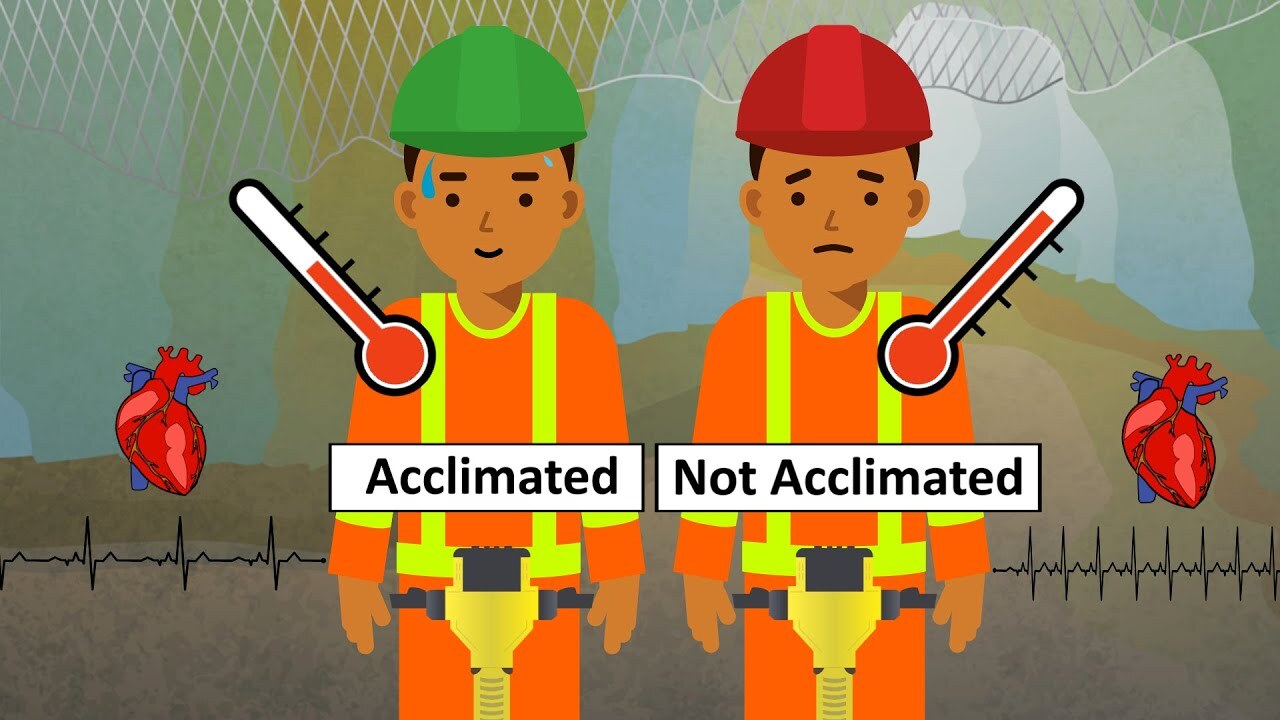
The floating bag method is a simpler approach to acclimation that can be useful in specific situations, primarily as a preliminary step or for very hardy species. It involves allowing the fish to gradually adjust to the aquarium’s water temperature by floating the bag it arrived in on the surface of your tank.
Procedure for the Floating Bag Method
This method focuses on equalizing the water temperature between the transport bag and the aquarium. It is a quick process that requires minimal equipment.
- Ensure your aquarium’s main filtration and heating systems are running and have reached their stable operating parameters.
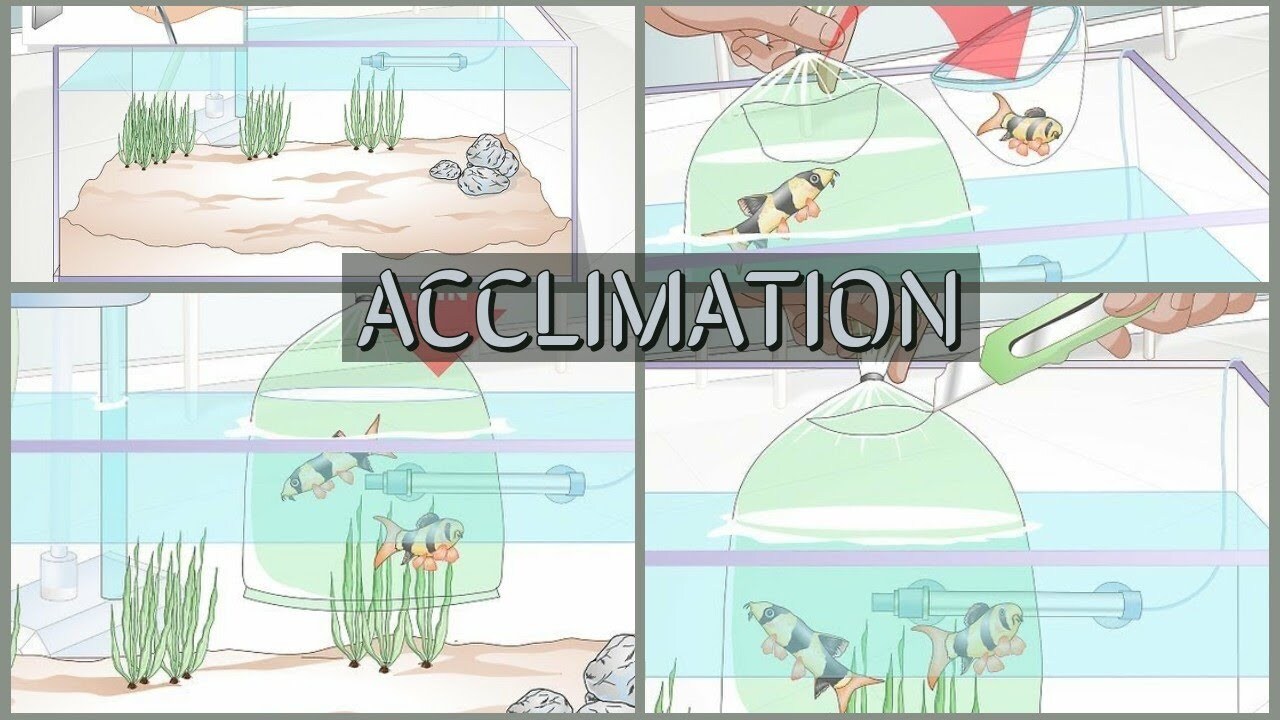
- Gently place the sealed bag containing the new fish onto the surface of your aquarium water. Avoid opening the bag at this stage.
- Allow the bag to float undisturbed for approximately 15 to 20 minutes. This period is crucial for the water temperature inside the bag to equalize with the aquarium’s water temperature.
- After the floating period, you can carefully open the bag. For very hardy fish and short transport times, some aquarists may proceed to release the fish directly into the tank at this point. However, this is generally not recommended for most species.
Scenarios for Supplementary Use of the Floating Bag Method
While not a complete acclimation process on its own, the floating bag method can serve as a valuable initial step, especially when combined with other techniques or for certain types of fish.
- Temperature Stabilization: The primary benefit is rapidly bringing the transport water temperature in line with the aquarium water temperature, minimizing thermal shock.
- Hardy Species: For robust fish species that are known to tolerate minor water parameter fluctuations and have had very short transport times, this method might be considered as the sole acclimation step, though caution is still advised.
- Initial Step Before Drip Acclimation: It can be used as a preliminary step before commencing a drip acclimation. Floating the bag first ensures the temperature is stable, and then you can proceed with slowly introducing aquarium water into the bag.
Limitations and Risks of Sole Reliance on the Floating Bag Method
Relying solely on the floating bag method carries significant risks, primarily due to its failure to address crucial water parameter differences beyond temperature.
- Inadequate Water Parameter Adjustment: The most significant limitation is that this method does not account for differences in pH, alkalinity, ammonia, or other essential water chemistry parameters between the transport water and the aquarium water. These discrepancies can cause severe stress or even be fatal to the fish.
- Limited Time for Adaptation: The short duration of the floating method provides insufficient time for fish to gradually adapt to any potential changes in water chemistry, leaving them vulnerable to shock.
- Stress to Fish: Releasing fish directly into a new environment with potentially different water parameters can cause immediate stress, leading to weakened immune systems and increased susceptibility to diseases.
- Ammonia Poisoning Risk: Transport bags can accumulate ammonia from fish waste. If the aquarium water has a significantly different pH or buffering capacity, the sudden introduction can exacerbate ammonia toxicity.
- Not Suitable for Sensitive Species: This method is entirely inappropriate for delicate fish, invertebrates, or species with specific water parameter requirements.
The floating bag method is primarily a temperature equalization technique; it does not address the critical differences in water chemistry that new fish must adapt to.
Water Parameter Matching and Adjustment
Successfully acclimating new fish involves meticulously matching their water parameters to those of your aquarium. This critical step minimizes stress and prevents shock, significantly increasing the survival rate of your new inhabitants. Understanding and adjusting key water parameters is fundamental to this process.Careful attention to water chemistry is paramount for the well-being of aquatic life. Different species have evolved to thrive in specific conditions, and sudden deviations can be detrimental.
By understanding the ideal ranges and how to measure them, you can create a stable and welcoming environment for your new fish.
Ideal Water Parameter Ranges for Various Fish Types
Different fish species have distinct requirements for water quality. Providing a stable environment that aligns with these needs is crucial for their health and longevity. The following table Artikels common water parameters and their generally accepted ideal ranges for various categories of aquarium fish. It is always recommended to research the specific needs of the fish you are acquiring for the most accurate acclimation.
| Parameter | Freshwater Community Fish (e.g., Tetras, Guppies, Danios) | African Cichlids (e.g., Mbuna, Peacocks) | South American Cichlids (e.g., Angelfish, Discus) | Saltwater Reef Fish (e.g., Clownfish, Damselfish) |
|---|---|---|---|---|
| Temperature (°C / °F) | 22-26°C / 72-79°F | 24-27°C / 75-81°F | 26-30°C / 79-86°F | 24-27°C / 75-81°F |
| pH | 6.5-7.5 | 7.8-8.8 | 6.0-7.0 | 8.1-8.4 |
| Ammonia (ppm) | 0 | 0 | 0 | 0 |
| Nitrite (ppm) | 0 | 0 | 0 | 0 |
| Nitrate (ppm) | < 20 | < 20 | < 10 | < 5 |
| Salinity (Specific Gravity) | N/A | N/A | N/A | 1.020-1.025 |
| General Hardness (GH) (dH) | 5-15 | 10-20 | 3-10 | N/A |
| Carbonate Hardness (KH) (dH) | 3-10 | 10-20 | 1-5 | 8-12 |
Measuring and Interpreting Key Water Parameters
Accurate measurement of water parameters is the foundation for successful acclimation and ongoing aquarium maintenance. Essential tests include pH, temperature, and salinity (for saltwater).* Temperature: This is arguably the easiest parameter to measure and is crucial for fish metabolism and survival.
Measurement
Use a reliable aquarium thermometer, either a submersible digital probe, a glass thermometer with a suction cup, or an infrared thermometer aimed at the water surface.
Interpretation
Ensure the temperature in your aquarium is within the ideal range for the species you are keeping. A sudden drop or rise can cause significant stress.
pH
This measures the acidity or alkalinity of the water. Fish are sensitive to rapid pH swings.
Measurement
Aquarium test kits are available, including liquid reagent kits and digital pH meters. Liquid kits typically involve adding reagents to a water sample and comparing the resulting color to a chart. Digital meters provide a direct numerical reading.
Interpretation
The pH should be stable and within the acceptable range for your fish. Fluctuations of more than 0.2 pH units within a 24-hour period can be stressful.
Salinity (for Saltwater Aquariums)
This measures the concentration of dissolved salts in the water.
Measurement
Use a hydrometer or a digital refractometer. Hydrometers are float-based devices that measure specific gravity, while refractometers are optical instruments that provide a more precise reading of salinity.
Interpretation
Maintain salinity within the recommended range for marine fish and invertebrates. Consistent salinity is vital for osmoregulation in saltwater organisms.
Strategies for Gradually Adjusting Aquarium Water
Once you have measured both the source water of your new fish and your aquarium water, you may need to make adjustments. The key is to do this gradually to avoid shocking the fish.* Temperature Adjustment: If there is a significant temperature difference (more than 1-2°C or 2-4°F), allow the bag containing the fish to float in your aquarium for 15-30 minutes to equalize the temperature before beginning water parameter matching.
pH and Hardness Adjustment
For Freshwater
If your aquarium’s pH or hardness is significantly different from the source water, use aquarium-specific buffering agents. For example, to raise pH and KH, you might use a buffer solution designed for freshwater aquariums. To lower pH, you might consider adding driftwood or using RO (Reverse Osmosis) water to dilute your tap water, though this requires careful monitoring. For hardness, mineral supplements can be used.
For Saltwater
Adjusting salinity is done by adding freshwater (RO/DI water is recommended) to decrease it or by adding a marine salt mix to increase it. pH and KH are often managed through regular water changes and the use of buffering supplements.
Gradual Water Exchange
The most effective method for matching other parameters (like dissolved solids, nitrates, or trace elements) is through a slow water exchange process. This is best achieved using the drip acclimation method. Introduce small amounts of your aquarium water into the bag or container holding the new fish over an extended period. This allows the fish’s system to adapt to the changing water chemistry incrementally.
For instance, if your aquarium’s nitrate levels are higher than the source water, a slow introduction of your tank water will gradually increase the nitrate exposure, giving the fish time to adjust. Conversely, if your water is softer and the source water is harder, a slow exchange will introduce more minerals.
Water Changes
For significant differences in parameters that cannot be easily adjusted with buffers or salts, consider performing a small, immediate water change in your main aquarium (e.g., 5-10%) using water that is closer to the source water parameters. This can help bring your main tank closer to the desired conditions before introducing new fish, though this is a more advanced technique and requires careful planning.
“Slow and steady wins the race when it comes to acclimating fish to new water parameters.”
Observing New Fish Post-Acclimation
The acclimation process is crucial for minimizing stress on your new aquatic inhabitants. However, the journey doesn’t end once they are in their new environment. Vigilant observation in the hours and days following their introduction is paramount to ensuring their health and well-being. This period is critical for identifying any potential issues that might arise from the stress of transport and the transition to a new aquarium.Proper observation allows you to intervene quickly if a fish is struggling, potentially preventing illness or loss.
It also helps you understand your fish’s behavior in their new home, which is essential for long-term success in the aquarium hobby. This section will guide you through recognizing signs of distress, establishing a monitoring routine, and understanding the vital role of a quarantine tank.
Common Signs of Stress or Illness in Newly Introduced Fish
Newly arrived fish can exhibit a range of behaviors and physical changes that indicate they are experiencing stress or are unwell. Recognizing these signs promptly is the first step in addressing potential problems. These indicators can range from subtle behavioral shifts to more overt physical symptoms.
- Erratic Swimming: Fish may dart around unusually, swim into tank walls, or appear disoriented. This is often a sign of shock or anxiety.
- Clamped Fins: Fins that are held close to the body, rather than being spread out, can indicate stress, fear, or disease.
- Rapid Breathing: An increased gill rate, often visible as rapid flaring of the gill covers, suggests the fish is struggling to get oxygen or is under significant stress.
- Loss of Appetite: New fish may refuse food for the first day or two, which can be normal. However, persistent refusal to eat is a concern.
- Hiding: While some initial hiding is expected as fish adjust, excessive or prolonged hiding can signify fear or illness.
- Fading Coloration: Stress can cause fish to lose their vibrant colors, appearing dull or pale.
- Physical Marks: Look for any new spots, fuzzy patches, torn fins, or sores that were not present before introduction.
- Rubbing or Flashing: Fish that repeatedly rub themselves against tank decorations or substrate may be trying to dislodge external parasites or irritants.
Procedure for Monitoring New Fish
A systematic approach to observing your new fish will maximize your chances of early detection of any issues. This involves dedicating specific times to carefully watch their behavior and physical condition. Consistency in your monitoring routine is key to noticing subtle changes.
- Initial Hours Post-Acclimation: Immediately after introducing the fish to their new tank, observe them for the first 2-3 hours. Note their initial reactions, swimming patterns, and any immediate signs of distress. Ensure they are not gasping at the surface or exhibiting extreme erratic behavior.
- First 24 Hours: Continue to monitor closely throughout the first day. Check if they are beginning to explore their surroundings, if their breathing rate has normalized, and if they show any interest in food if offered.
- First Week: Maintain daily observations for the entire first week. Pay attention to their appetite, activity levels, social interactions with existing tank mates (if applicable), and the absence of any developing physical symptoms.
- Regular Checks: Even after the first week, continue to observe your new fish as part of your regular aquarium maintenance routine. Many issues can develop over time, and early detection remains crucial.
During these observation periods, avoid disturbing the fish unnecessarily. Minimize tank activity, dim the aquarium lights if possible, and approach the tank quietly to allow them to settle in without added stress.
The Importance of a Quarantine Tank
A quarantine tank, often referred to as a QT, is a separate, smaller aquarium used to house new fish for a period before they are introduced to your main display tank. This practice is one of the most effective ways to prevent the introduction of diseases and parasites into your established aquarium ecosystem. It serves as a crucial buffer, allowing you to observe new arrivals in a controlled environment.The primary role of a quarantine tank is to allow for observation and treatment of potential health issues without risking the health of your existing fish population.
Many common fish diseases, such as Ich (white spot disease) and various parasitic infections, can be present in new fish without showing immediate symptoms. By quarantining, you can identify and treat these issues before they spread.
“A quarantine tank acts as a vital safeguard, protecting your established aquarium from the introduction of pathogens and parasites.”
The quarantine period typically lasts for 4 to 6 weeks. During this time, you can:
- Observe for diseases and parasites: Watch for any signs of illness as detailed above.
- Treat any discovered ailments: If a fish becomes sick, it can be treated in the QT without affecting other fish.
- Assess compatibility: If you are introducing multiple new fish, the QT can be used to see how they interact before moving them to a larger tank.
- Allow for recovery: The stress of transport and acclimation can weaken a fish’s immune system. A QT provides a less stressful environment for them to recover.
Failing to quarantine can lead to devastating outbreaks in your main tank, requiring extensive and often difficult treatments that can stress all your inhabitants. Therefore, investing in and utilizing a quarantine tank is a fundamental practice for responsible aquarium keeping.
Common Mistakes to Avoid During Acclimation

Acclimation is a critical step in introducing new fish to your aquarium, and while the process itself is straightforward, several common missteps can inadvertently stress or even harm your new inhabitants. Understanding these pitfalls and how to prevent them is key to ensuring a smooth transition for your fish and the long-term health of your aquarium ecosystem. This section will highlight the most frequent errors aquarists make and provide practical solutions to avoid them.
Ignoring Water Parameter Differences
One of the most detrimental mistakes is to skip the crucial step of matching or adjusting water parameters. Fish are highly sensitive to changes in temperature, pH, and water hardness (GH/KH). Introducing fish to water with significantly different parameters can cause severe shock, leading to stress, weakened immune systems, and susceptibility to diseases like ich or fin rot.For instance, a fish accustomed to soft, acidic water (common in many South American biomes) suddenly introduced to hard, alkaline water (often found in tap water from certain regions) will experience a physiological crisis.
This shock can manifest as rapid breathing, clamped fins, loss of appetite, and even death within hours or days.To prevent this, always test the water parameters of both your aquarium and the water the fish are currently in. Utilize the drip acclimation method to gradually equalize these parameters. If significant differences exist, you may need to make slow, incremental adjustments to your aquarium’s water over several days before introducing the new fish, or adjust the source water before acclimation begins.
Rushing the Acclimation Process
Patience is paramount when acclimating new fish. Many aquarists, eager to see their new additions swimming freely, rush through the acclimation process, particularly with the floating bag method. Shortchanging the time allocated for temperature and parameter equalization can be disastrous.A common error is to simply float the bag for 10-15 minutes to equalize temperature and then immediately release the fish.
This is insufficient for allowing the fish to adjust to potential differences in pH, alkalinity, or other dissolved substances. Rapid changes in these parameters can overwhelm a fish’s system, leading to stress-induced illness.The solution is to dedicate adequate time to acclimation, regardless of the method used. For the floating bag method, aim for at least 30-45 minutes, and ideally, combine it with a slow drip of aquarium water into the bag to gradually adjust other parameters.
For drip acclimation, ensure the process lasts for at least 45-60 minutes, or until the water in the bag closely matches your aquarium’s parameters.
Overcrowding the Acclimation Container
When using methods that involve transferring fish to a separate container (like drip acclimation), it’s essential not to overcrowd this temporary space. Too many fish in a small volume of water will quickly deplete oxygen levels and lead to a rapid buildup of waste products, such as ammonia. This creates a toxic environment that further stresses the fish.Imagine placing five small tetras into a 1-liter container with only a small amount of water from their transport bag.
The ammonia produced by their waste can quickly reach dangerous levels, suffocating them or causing gill damage.Always use a sufficiently large container for acclimation, ensuring there is ample water volume for each fish. The container should be at least large enough to hold the entire volume of water from the transport bag plus a significant portion of your aquarium water, allowing for proper dilution and oxygenation.
If you have many fish, it is often better to acclimate them in smaller groups.
Adding New Fish to a Stressed or Unstable Aquarium
Introducing new fish into an aquarium that is already experiencing issues, such as a recent disease outbreak, unstable water parameters, or a lack of established beneficial bacteria, is a recipe for disaster. The new fish, already stressed from transport, will be highly vulnerable to any existing problems in the tank.For example, if your aquarium is experiencing a minor ammonia spike due to an overfeeding incident, adding new fish that are already weakened by the acclimation process will likely cause them to succumb to the ammonia poisoning.
Similarly, introducing fish into a tank that has recently treated for a disease, but where pathogens may still linger, can lead to a relapse or infection of the new arrivals.Before introducing any new fish, ensure your aquarium is stable and healthy. Perform regular water changes, monitor your water parameters, and confirm that your biological filtration is robust. Quarantine new fish in a separate tank for a period of 2-4 weeks to observe them for any signs of illness before adding them to your main display tank.
This practice is one of the most effective preventative measures against introducing diseases.
Improper Lighting and Environment During Acclimation
The acclimation period is a time of significant stress for fish. Exposing them to bright lights or a chaotic environment during this sensitive phase can exacerbate their stress levels. New fish need a calm, dimly lit environment to gradually adjust.Placing a newly acclimated fish directly under a bright aquarium light, or in a tank with aggressive tank mates already present, can cause them to hide excessively, refuse food, and become highly susceptible to stress-related ailments.
The sudden change in light intensity can also be disorienting.During acclimation, keep the aquarium lights dimmed or off. Ensure the acclimation area is free from vibrations and loud noises. If you are drip acclimating in a separate container, place it in a quiet, low-traffic area of your home. Once fish are introduced to the main tank, allow them to explore at their own pace, and consider dimming the lights for the first few hours to help them settle in.
Overfeeding or Underfeeding New Fish Post-Acclimation
Once new fish are in their permanent home, it’s tempting to try and encourage them to eat immediately, or conversely, to withhold food until they are “settled.” Both extremes can be problematic. Overfeeding can lead to poor water quality, while underfeeding can weaken already stressed fish.Forcing food on fish that are still adjusting to their new environment can lead to uneaten food decaying and fouling the water.
On the other hand, a stressed fish needs nourishment to recover, and prolonged fasting can deplete their energy reserves.It’s best to wait at least 24 hours after introducing new fish to the main tank before offering them their first meal. When you do feed, offer a very small amount of highly palatable food. Observe their feeding response carefully. If they show interest and eat readily, you can gradually increase the portion size over the next few days.
If they ignore the food, don’t panic; continue to offer small amounts daily and allow them time to adjust.
Acclimating Different Types of Aquatic Life
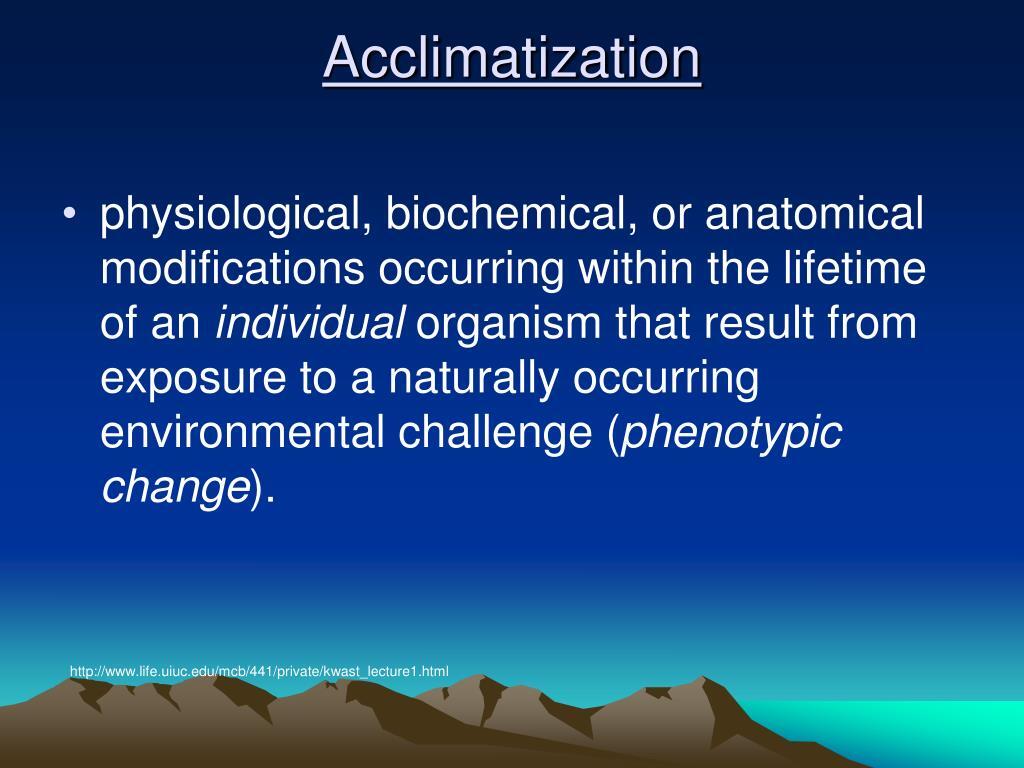
While the core principles of acclimation remain consistent, the specific needs and sensitivities of various aquatic organisms necessitate tailored approaches. Understanding these nuances is crucial for ensuring the well-being of your new inhabitants and the stability of your aquarium ecosystem. This section will explore the distinct considerations for different categories of aquatic life, from the robust fish to the delicate invertebrates and corals.The diversity of life in aquariums, whether freshwater or saltwater, demands a thoughtful approach to acclimation.
Each species, and indeed each group of organisms, has evolved within specific environmental parameters, and introducing them to a new system requires bridging that gap gradually and safely.
Saltwater Fish Acclimation Compared to Freshwater Fish
Saltwater and freshwater environments have fundamentally different chemical compositions, particularly concerning salinity. This primary difference dictates the most significant adjustments needed when acclimating fish between these two systems or when introducing new saltwater inhabitants. Freshwater fish are adapted to environments with very low dissolved salts, while saltwater fish thrive in water with a high concentration of dissolved salts, typically around 35 parts per thousand (ppt).The acclimation process for saltwater fish generally involves a slower and more meticulous adjustment to salinity and other dissolved ions compared to freshwater fish.
Freshwater fish are often more sensitive to fluctuations in ammonia, nitrite, and nitrate, which are common in newly established aquariums, and their acclimation may focus more on these parameters and temperature stability.
Key Differences in Acclimation:
- Salinity: Saltwater fish require a gradual increase or decrease in salinity to match the target aquarium. This is the most critical parameter difference. Freshwater fish acclimation does not involve salinity adjustments.
- Water Chemistry: While both need stable water parameters, saltwater systems can be more complex, with specific requirements for alkalinity, calcium, and magnesium, which might need to be considered during acclimation, especially for sensitive species. Freshwater fish are more susceptible to rapid changes in pH and ammonia/nitrite/nitrate.
- Temperature: Both freshwater and saltwater fish require stable temperature matching, but the rate of temperature change acceptable might vary slightly depending on the species’ natural habitat.
- Stress Tolerance: Some saltwater species, particularly those imported from pristine reef environments, can be highly stressed by the capture and shipping process, making a slower, more cautious acclimation paramount. Certain freshwater species can also be sensitive, but the range of stressors might differ.
Introducing Invertebrates and Corals to a Reef Aquarium
Invertebrates and corals, the cornerstones of a vibrant reef aquarium, often possess even more delicate physiological systems than fish. Their acclimation requires extreme care, focusing on gradual exposure to the new water chemistry, light intensity, and water flow. These organisms, unlike fish, cannot actively swim away from unfavorable conditions and rely entirely on the aquarium environment to meet their needs.The goal for invertebrates and corals is to slowly introduce them to the stable parameters of the established reef tank, mimicking the gradual transition they might experience in nature.
This process is vital for preventing osmotic shock, stress-induced diseases, and outright mortality.
Methods for Introducing Invertebrates and Corals:
- Drip Acclimation: This is the most common and recommended method for invertebrates and corals. A slow, steady drip of the aquarium’s water into the container holding the new specimen allows for a very gradual adjustment of salinity, pH, and other water parameters. This method can take 30 minutes to several hours, depending on the sensitivity of the organism and the difference in water parameters.
- Floating Bag Acclimation (for hardy invertebrates): For more robust invertebrates like some snails or hermit crabs, a modified floating bag method can be used. The bag is floated in the aquarium to equalize temperature, and then small amounts of aquarium water are added to the bag periodically to slowly adjust water chemistry. This is generally less suitable for corals or highly sensitive invertebrates.
- Light Acclimation: Corals, in particular, are sensitive to light. If the new coral has been kept under different lighting conditions, it should be introduced to the aquarium’s light slowly. This might involve placing it in a shaded area of the tank initially or reducing the intensity of the aquarium lights for the first few days.
- Flow Acclimation: Similar to light, corals have specific flow requirements. A new coral should not be placed directly in a high-flow area. It can be initially placed in a lower-flow zone and gradually moved to its permanent, appropriate flow location as it adapts.
Acclimation Techniques for Fish with Varying Sensitivities
The sensitivity of fish to water chemistry changes varies significantly, influenced by their natural habitat, species-specific physiology, and their condition upon arrival. Fish that are more robust and less prone to stress may tolerate slightly faster acclimation, while delicate species require a more prolonged and cautious approach.Understanding these differences allows aquarists to tailor their acclimation strategies to maximize the chances of survival and minimize stress for each new fish.
The goal is always to bridge the gap between the transport water and the aquarium water as gently as possible.
Comparing Acclimation Techniques Based on Sensitivity:
| Fish Sensitivity Level | Recommended Acclimation Method | Typical Acclimation Duration | Key Considerations |
|---|---|---|---|
| High Sensitivity (e.g., delicate reef fish, newly imported species, fish with known health issues) |
Extended Drip Acclimation (often 1-2 hours or more) | 60 minutes to 2+ hours | Requires very slow, steady water parameter matching. Monitor for signs of stress (gasping, erratic swimming, clamped fins). Ensure no sudden changes in temperature or pH. |
| Moderate Sensitivity (e.g., most common freshwater community fish, hardy saltwater species) |
Standard Drip Acclimation or Modified Floating Bag Method | 30-60 minutes | Gradual adjustment of water parameters is still essential. Observe fish behavior closely. |
| Low Sensitivity (e.g., very hardy freshwater species like some danios or platies, established aquarium specimens) |
Faster Floating Bag Method (with periodic water additions) or shorter Drip Acclimation | 15-30 minutes | While less sensitive, still avoid sudden parameter shifts. Ensure temperature is matched. |
It is important to note that even for less sensitive species, a proper acclimation process is always recommended. The provided durations are general guidelines, and the observed behavior of the fish should always be the primary indicator for adjusting the acclimation time. For instance, a fish showing signs of distress during a faster acclimation should have the process slowed down immediately.
Creating a Visual Guide to Acclimation
To truly grasp the nuances of safely introducing new fish to their aquatic home, a visual approach can be incredibly beneficial. This section will Artikel how to construct a descriptive visual guide, focusing on the drip acclimation method, the visual indicators of successful acclimation, and the depiction of a healthy, settled new inhabitant. This guide serves as a practical reference for aquarists of all experience levels.A well-designed visual guide demystifies the acclimation process, making it accessible and less intimidating.
By breaking down complex steps into easily digestible images with accompanying descriptions, aquarists can follow along with confidence, ensuring the well-being of their new aquatic companions.
Illustrating the Drip Acclimation Process
The drip acclimation method is a slow and steady approach that gradually introduces aquarium water to the water the fish are currently in, minimizing shock. A visual guide should meticulously detail each stage of this process.The visual narrative begins with the initial setup. Imagine a clear image showing a small container, such as a clean bucket or a dedicated acclimation container, positioned slightly higher than the aquarium.
The bag containing the new fish is carefully opened and its contents, including the fish and its transport water, are gently poured into this container. Next, a clear illustration would depict the setup for dripping. This involves an airline tubing with a control valve, one end submerged in the aquarium water and the other end secured to drip into the acclimation container.
The valve should be adjusted to a slow drip rate.The process continues with visuals showing the water level in the acclimation container steadily rising as aquarium water drips in. This is typically shown over a period of 30 to 60 minutes, depending on the species and the initial water parameter difference. A key visual element here is the comparison of water levels.
The container should ideally reach about two to three times the volume of the original transport water. The final step in the visual sequence shows the careful netting and introduction of the fish into the main aquarium, leaving the acclimation water behind.
Visual Cues for Successful Acclimation
Observing subtle changes in a new fish’s behavior and appearance provides critical feedback on how well it is adjusting to its new environment. These visual cues are essential for a successful transition.Successful temperature and water parameter adjustment can be observed through several indicators:
- Fish Behavior: Initially, new fish may appear stressed, darting around or hiding. As parameters stabilize, they should become more relaxed, exploring their surroundings with less frantic movements.
- Respiration Rate: Rapid gill movement is a sign of stress. A well-acclimated fish will exhibit a slower, more consistent gill rate.
- Coloration: Stress can cause fish to lose vibrant coloration or appear pale. As they adjust, their natural colors should gradually return and become more intense.
- Swimming Pattern: Erratic swimming or listing to one side indicates discomfort. A healthy acclimation results in steady, balanced swimming.
- Interest in Surroundings: A calm fish will begin to investigate decorations and the substrate, showing curiosity about its new habitat.
A Visual Representation of a Healthy New Fish Entering the Aquarium
The culmination of a successful acclimation is the moment a new fish confidently enters its permanent home. This visual should convey a sense of calm, curiosity, and acceptance.Picture a serene aquarium scene. The water is clear, and the lighting is gentle. A new fish, perhaps a brightly colored Tetra or a serene Angelfish, has just been gently released from a net.
Instead of darting erratically or seeking immediate, deep hiding spots, this fish is depicted swimming with a smooth, steady motion. Its fins are fully extended, not clamped to its body, indicating relaxation. Its coloration is vibrant and true to its species, without any signs of paleness or stress-induced dark markings. The fish is shown actively exploring the immediate vicinity, perhaps approaching a plant or a piece of driftwood with a curious, inquisitive demeanor.
Its eyes are clear and bright, scanning its new environment. This visual emphasizes a fish that is not overwhelmed but rather cautiously but confidently beginning to integrate into its new aquarium ecosystem, a testament to a well-executed acclimation process.
Epilogue
By diligently following the Artikeld steps for acclimation, you are not merely introducing new fish; you are laying the foundation for a thriving and harmonious aquatic ecosystem. This detailed process, from careful preparation to vigilant observation, significantly reduces stress and prevents potential health issues, ultimately contributing to the longevity and well-being of your new aquatic companions. Embrace these practices to ensure your aquarium remains a safe and welcoming haven for every resident.