Embarking on the journey of upgrading to a larger aquarium is an exciting prospect for any aquarist, promising enhanced living conditions for aquatic life and expanded creative possibilities. This comprehensive guide will illuminate the path, transforming what might seem like a daunting task into a rewarding experience, filled with insights and practical steps for a successful transition.
We will delve into understanding the compelling reasons behind this common aquarist ambition, exploring the significant benefits a bigger tank offers for fish health and behavior, while also acknowledging potential challenges. From meticulous planning and space preparation to selecting the ideal tank size, shape, and material, every crucial detail will be addressed. Furthermore, we will equip you with knowledge about essential equipment, the delicate transition process designed to minimize stress, and strategies for maintaining pristine water quality in your new, larger aquatic ecosystem.
Finally, we will guide you through responsible stocking and the long-term management that ensures your upgraded aquarium thrives, providing endless enjoyment.
Understanding the Need for a Larger Aquarium
The decision to upgrade to a larger aquarium is a common and often necessary step for many aquarists. As your passion for the underwater world grows, so too can your desire to provide a more enriching environment for your aquatic inhabitants. This transition, while exciting, requires careful consideration and planning to ensure a smooth and successful experience for both you and your fish.Several compelling reasons typically lead aquarists to seek a larger tank.
These motivations often stem from a desire to offer better living conditions, accommodate a growing collection, or simply to expand the aesthetic appeal of their aquatic display. Understanding these underlying needs is the first step in a successful upgrade.
Common Reasons for Upgrading
Aquarists often find themselves outgrowing their current setups for a variety of interconnected reasons. These can range from the practicalities of fish care to the aesthetic aspirations of the hobbyist.
- Increased Stocking Capacity: As fish grow or if an aquarist wishes to add more specimens, a smaller tank quickly becomes overcrowded. Overcrowding leads to increased stress, poor water quality, and potential aggression among inhabitants.
- Fish Growth: Many popular aquarium fish species, such as goldfish, cichlids, and some larger tetras, can grow significantly larger than initially anticipated. A tank that was adequate for juveniles can become restrictive for adult fish.
- Species Requirements: Certain fish species, particularly those that are highly active swimmers, territorial, or require specific social structures, necessitate larger volumes of water to thrive. For instance, schooling fish exhibit more natural behaviors in larger tanks where they can swim in groups without feeling confined.
- Improved Water Stability: Larger volumes of water are inherently more stable. This means that parameters like temperature, pH, and ammonia levels fluctuate less dramatically, providing a much more forgiving environment for fish and reducing the risk of sudden health crises.
- Aesthetic Desires: Many aquarists aspire to create elaborate aquascapes with more space for plants, decorations, and a wider variety of fish. A larger tank allows for greater creative freedom and a more impressive visual display.
- Reduced Maintenance Frequency: While a larger tank involves more initial setup, it can often lead to less frequent intensive maintenance. The greater water volume dilutes waste products more effectively, potentially extending the time between full water changes.
Benefits of a Larger Aquarium for Fish Health and Behavior
The advantages of a larger aquarium extend far beyond simply accommodating more fish. The increased water volume and space profoundly impact the well-being and natural behaviors of aquatic life.
- Enhanced Water Quality: A larger water volume acts as a buffer against rapid changes in water chemistry. This means that waste products are diluted more effectively, leading to lower ammonia, nitrite, and nitrate levels. Stable water parameters are crucial for preventing stress and disease in fish. For example, a 10-gallon tank with a few small fish can experience a significant ammonia spike from a single overfeeding, whereas a 55-gallon tank would dilute the same amount of waste far more readily.
- Reduced Stress Levels: Confined spaces induce stress in fish, leading to weakened immune systems and increased susceptibility to illness. A larger tank provides ample swimming room, hiding places, and territories, allowing fish to exhibit more natural behaviors and reducing overall stress. This is particularly evident in schooling fish, which display more cohesive and natural shoaling patterns in larger volumes.
- Facilitation of Natural Behaviors: Many fish species have specific behavioral needs that are best met in larger environments. This includes active swimming, territorial defense, breeding rituals, and foraging. For instance, a Betta fish, while often kept in small tanks, will exhibit more complex and varied behaviors, including fin flaring and exploration, when provided with a larger swimming area.
- Greater Species Diversity: A larger aquarium opens up possibilities for keeping a wider array of species, including those that require more space or have specific compatibility needs. This allows aquarists to create more complex and interesting community tanks or to focus on specialized species that would not be suitable for smaller setups.
- Improved Oxygenation: Larger water surface areas in bigger tanks facilitate better gas exchange, leading to higher dissolved oxygen levels. Adequate oxygen is vital for the respiration of fish and beneficial bacteria.
Potential Drawbacks and Challenges of Upgrading
While the benefits of a larger aquarium are numerous, the transition is not without its challenges. Anticipating and preparing for these potential difficulties is key to a successful upgrade.
- Increased Cost: The initial investment for a larger aquarium, including the tank itself, filtration systems, heaters, lighting, substrate, and decorations, is significantly higher than for a smaller setup. Ongoing costs for electricity and water can also increase.
- Space Requirements: Larger aquariums demand more physical space. It is essential to ensure that the chosen location can adequately support the weight of a full tank and that there is sufficient room for maintenance access. A 75-gallon tank filled with water, substrate, and rock can weigh over 800 pounds.
- Heavier Maintenance Load: While water quality may be more stable, the sheer volume of water means that water changes, gravel vacuuming, and filter cleaning require more time and effort. Moving larger quantities of water for maintenance can be physically demanding.
- Equipment Considerations: Larger tanks require more powerful and appropriately sized equipment. This includes robust filters capable of handling a greater bioload, more powerful heaters to maintain temperature, and potentially specialized lighting for plant growth.
- Time Commitment: The setup and cycling of a larger aquarium can be a more time-consuming process. Transferring existing inhabitants and established media requires careful planning to minimize stress and preserve beneficial bacteria.
- Potential for Overstocking: The temptation to fill a larger tank with too many fish can be strong. It is crucial to remember that even a large tank has limits, and overstocking can still lead to poor water quality and stressed fish.
Planning Your Aquarium Upgrade
Embarking on an aquarium upgrade is an exciting venture, but careful planning is paramount to ensure a smooth transition for both you and your aquatic inhabitants. This stage involves meticulous preparation, from assessing your needs to understanding the practicalities of housing a larger aquatic ecosystem. A well-thought-out plan minimizes stress and maximizes the success of your new, expanded aquarium.This section will guide you through the essential considerations for planning your aquarium upgrade.
We will cover the critical steps involved in preparing your space, selecting the ideal tank size and shape, and understanding the materials that best suit larger aquarium setups.
Essential Considerations Checklist
Before you even begin looking at new tanks, creating a comprehensive checklist will help you stay organized and ensure no crucial details are overlooked. This proactive approach prevents potential issues down the line and streamlines the entire upgrade process.A well-structured checklist ensures you address all logistical, financial, and biological aspects of the upgrade. It acts as a roadmap, guiding you from initial concept to the final setup of your larger aquarium.Here are key items to include on your essential considerations checklist:
- Budget: Determine your total budget, including the cost of the tank, stand, filtration, lighting, substrate, decorations, and any new livestock.
- Space Availability: Measure the intended location precisely, considering height, width, and depth, and ensure it can support the weight of a full aquarium.
- Structural Support: Consult with a professional if necessary to confirm the floor can adequately support the substantial weight of a larger aquarium.
- Electrical Access: Identify the number and proximity of electrical outlets needed for equipment like filters, heaters, and lights.
- Water Source and Drainage: Plan for easy access to water for water changes and a convenient method for draining wastewater.
- Existing Equipment Compatibility: Assess if any of your current equipment can be reused or if new, larger-capacity equipment is required.
- Livestock Needs: Consider the current and future inhabitants of your aquarium and their specific requirements for space, water parameters, and social compatibility.
- Maintenance Plan: Think about how you will manage the increased maintenance demands of a larger aquarium.
- Aesthetic Preferences: Decide on the overall look and feel you want for your new aquarium, including the type of stand and background.
- Time Commitment: Be realistic about the time you can dedicate to setting up and maintaining a larger aquarium.
Measuring and Preparing the Upgrade Space
The physical location of your new aquarium is a critical factor. Proper measurement and preparation of the space are essential for safety, aesthetics, and the overall success of your setup. A well-prepared space ensures your new aquarium fits perfectly and is supported adequately.The process begins with accurate measurements to avoid costly mistakes and potential hazards. Understanding the weight distribution and environmental factors of the chosen location is also vital.Follow these steps for measuring and preparing your upgrade space:
- Measure the Designated Area: Use a reliable tape measure to record the exact dimensions of the space where the aquarium will be placed. Account for all three dimensions: width, depth, and height. Remember to leave adequate space around the tank for access during maintenance and for equipment.
- Assess Structural Integrity: For larger aquariums, the weight can be significant (water weighs approximately 8.34 pounds per gallon, plus the weight of the tank, substrate, and equipment). If placing the tank on an upper floor or in an area with potential structural concerns, it is highly recommended to consult a structural engineer or contractor to ensure the floor can safely bear the load.
- Check for Levelness: Use a spirit level to ensure the surface where the aquarium stand will be placed is perfectly level. An unlevel surface can put undue stress on the glass or acrylic of the tank, potentially leading to cracks or leaks.
- Evaluate Proximity to Heat/Sunlight: Avoid placing the aquarium directly in front of windows that receive direct sunlight, as this can cause rapid temperature fluctuations and promote excessive algae growth. Similarly, avoid placing it near heat sources like radiators or vents, which can also destabilize water temperature.
- Ensure Electrical Outlet Access: Confirm that there are enough accessible electrical outlets nearby to power all your equipment without the need for excessive extension cords. Overloading circuits can be a fire hazard.
- Consider Ventilation: Ensure the area has adequate air circulation. This is important for preventing moisture buildup and for the efficient operation of some equipment.
- Clear the Area: Remove any furniture, obstacles, or existing items from the designated space to allow for easy maneuverability during the delivery and setup of the new tank and stand.
Choosing the Right Size and Shape
Selecting the appropriate size and shape for your new aquarium is a decision that directly impacts the well-being of your fish and the aesthetic appeal of your setup. Larger aquariums offer more stability in water parameters and greater possibilities for aquascaping and stocking diverse species.The dimensions of the tank should align with your livestock’s needs, your available space, and your maintenance capacity.
Different shapes offer distinct advantages and disadvantages for viewing, aquascaping, and fish behavior.Key factors to consider when choosing the right size and shape:
- Livestock Requirements: Research the minimum tank size recommendations for your current and desired fish species. Larger fish, schooling fish, and territorial species generally require more space.
- Water Volume Stability: Larger volumes of water are more forgiving of minor fluctuations in temperature, pH, and other water parameters, providing a more stable environment for your inhabitants.
- Aquascaping Potential: Consider the dimensions that will best allow for creating complex and visually appealing aquascapes. For example, longer tanks offer more horizontal swimming space and room for planted areas.
- Viewing Angles: Think about where the aquarium will be positioned and how you will primarily view it. Some shapes offer better panoramic views than others.
- Maintenance Accessibility: While larger tanks require more effort for water changes, consider if the chosen dimensions will allow you to easily reach all areas of the tank for cleaning and maintenance.
- Available Space Constraints: Revisit your measurements to ensure the chosen tank will fit comfortably within the prepared space, including room for equipment and access.
Aquarium Materials: Glass vs. Acrylic for Larger Setups
When considering a larger aquarium, the material of the tank becomes a significant factor in terms of durability, weight, clarity, and cost. Both glass and acrylic have distinct advantages and disadvantages that become more pronounced in larger setups. Understanding these differences will help you make an informed choice.For larger aquariums, the structural integrity and handling characteristics of the material are of utmost importance.
Each material offers a unique set of properties that can influence your experience as a hobbyist.Here’s a comparison of glass and acrylic for larger aquarium setups:
| Feature | Glass Aquariums | Acrylic Aquariums |
|---|---|---|
| Weight | Significantly heavier due to its density. This requires more robust stands and makes them harder to move once filled. | Considerably lighter than glass, making them easier to transport and install. |
| Scratch Resistance | More resistant to scratching from everyday cleaning and minor impacts. Scratches, when they occur, are typically shallower. | More prone to scratching from gravel, algae scrapers, and even certain cleaning tools. Deeper scratches can be more noticeable. |
| Clarity and Distortion | Offers excellent clarity with minimal distortion. However, very thick glass can sometimes have a slight green tint. | Provides superior optical clarity and is less prone to distortion, especially in very large panels. Can be more susceptible to yellowing over time if not properly maintained. |
| Impact Resistance | More brittle and can shatter if subjected to a strong impact. | Much more impact-resistant and less likely to break catastrophically. It tends to crack or chip rather than shatter. |
| Cost | Generally more affordable for standard sizes. However, custom large glass tanks can become very expensive. | Typically more expensive than glass for comparable sizes, especially for very large or custom dimensions. |
| Shape Flexibility | More limited in the shapes that can be easily manufactured, especially for very large tanks. | Offers greater flexibility in creating custom shapes, curves, and seamless panoramic views, which is a significant advantage for large displays. |
| Insulation Properties | Provides better insulation, helping to maintain more stable water temperatures with less fluctuation. | Less insulating, meaning water temperatures can fluctuate more readily, requiring more reliance on heaters and chillers. |
For very large aquariums, acrylic is often favored for its lighter weight, impact resistance, and ability to be formed into custom shapes. However, its susceptibility to scratching requires diligent care during maintenance. Glass, while heavier and more prone to breakage, offers superior scratch resistance and better thermal insulation, which can be beneficial for maintaining stable water parameters.
Essential Equipment for a Larger Aquarium
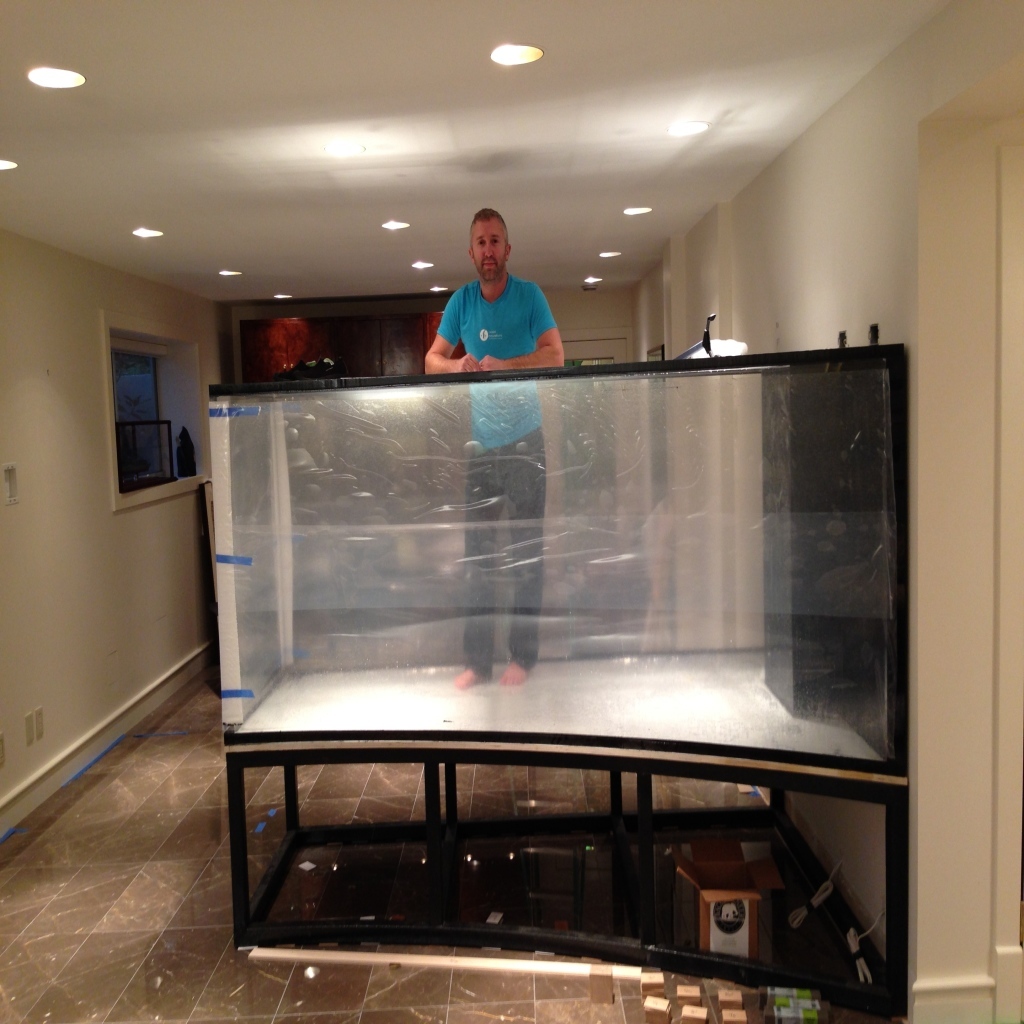
Transitioning to a larger aquarium is an exciting endeavor that requires careful consideration of your equipment. Simply scaling up your existing setup might not be sufficient; a larger water volume and potentially increased bioload necessitate specialized gear to maintain a healthy and stable aquatic environment. This section will guide you through the crucial equipment upgrades needed for your new, bigger home for your aquatic life.A robust and efficient filtration system is paramount when increasing your aquarium’s size.
The increased water volume can dilute waste products, but a larger bioload from more or larger inhabitants can quickly overwhelm an undersized filter. Choosing the right filter ensures efficient removal of physical debris, ammonia, nitrite, and nitrate, which are vital for the well-being of your fish and invertebrates.
Filtration Requirements for Increased Water Volume and Bioload
The fundamental principle of aquarium filtration is to process the entire volume of water a certain number of times per hour. For larger aquariums, this turnover rate becomes even more critical. A common recommendation for freshwater tanks is a turnover rate of 4 to 10 times the tank’s volume per hour, while saltwater aquariums often benefit from a higher turnover, sometimes up to 20 times the tank volume per hour, especially for reef tanks.
This ensures efficient nutrient export and oxygenation.When considering filtration for a larger tank, think in terms of capacity and type. Canister filters are excellent for larger aquariums due to their high capacity for media, customizable flow rates, and ability to house multiple stages of filtration (mechanical, biological, and chemical). Sump systems, often used in larger marine and high-end freshwater setups, offer even greater filtration capacity, housing equipment like protein skimmers, refugiums, and reactors, and effectively increasing the total water volume of the system.
For a 100-gallon aquarium, a filter rated for 100-200 gallons per hour (GPH) is a minimum, but aiming for 200-400 GPH is often recommended for optimal performance, especially with a moderate to heavy bioload.
When selecting filter media, prioritize biological filtration. Larger tanks can support more beneficial bacteria, which are essential for breaking down toxic ammonia and nitrite. Ceramic rings, bio-balls, and porous sponges are excellent choices for biological media. Mechanical filtration, such as filter floss or sponges, will remove particulate matter, and chemical filtration, like activated carbon or specialized resins, can be used to remove dissolved organic compounds and toxins.
Heating and Lighting for Larger Tanks
Maintaining a stable temperature is as crucial in a large aquarium as in a smaller one, and larger water volumes present unique challenges and opportunities for heating. Similarly, lighting requirements will change based on the inhabitants and any live plants or corals you plan to keep.For heating, submersible aquarium heaters are the most common choice. For larger tanks, you might need multiple heaters to ensure even temperature distribution and provide redundancy in case one heater fails.
A general rule of thumb is to have at least 5 watts of heating power per gallon of water. However, for larger tanks, it’s often better to have slightly more wattage to combat heat loss, especially in cooler room environments. For instance, a 100-gallon tank might require 500-750 watts of heating power, potentially split between two 250-375 watt heaters. Digital thermostats offer precise temperature control and are highly recommended for larger setups.Lighting requirements depend heavily on the intended inhabitants.
For fish-only freshwater tanks, basic LED or fluorescent lighting is usually sufficient to provide a pleasant viewing experience and support plant growth if live plants are present. However, for planted tanks, especially those with demanding species, or for reef aquariums with corals, significantly more powerful and specialized lighting is necessary. Full-spectrum LED lighting systems are popular for their energy efficiency, customizable spectrums, and ability to mimic natural sunlight, promoting healthy plant and coral growth.
The intensity and spectrum of light should be tailored to the specific needs of your chosen species.
Substrate and Decor for a Bigger Aquatic Environment
The substrate and decor in a larger aquarium play a vital role in aesthetics, biological filtration, and providing a natural habitat for your aquatic life. The scale of these elements needs to be proportionate to the tank size to create a balanced and visually appealing environment.Substrate options for larger tanks include gravel, sand, and specialized planted tank substrates. Gravel provides good surface area for beneficial bacteria and is easy to clean.
Sand offers a more natural look and is preferred by many bottom-dwelling fish species for sifting. Specialized planted tank substrates are formulated to provide nutrients for aquatic plants and can be used in conjunction with a layer of gravel or sand. The depth of the substrate should be adequate to support plant roots if applicable, typically 2-4 inches.Decor, such as rocks, driftwood, and artificial plants, should be chosen with the tank’s dimensions in mind.
For a larger aquarium, you can incorporate larger pieces of decor to create more dramatic aquascapes and provide ample hiding places for fish. Ensure that any rocks or wood are inert and will not leach harmful substances into the water. For live plants, select species that are suited to the lighting and maintenance levels you can provide. Live plants not only enhance the aquarium’s beauty but also contribute to water quality by consuming nitrates.
Tools and Supplies for the Transfer Process
Successfully transferring your aquatic inhabitants and existing aquarium setup to a new, larger tank requires careful planning and the right tools. Having everything prepared beforehand will minimize stress on your fish and ensure a smooth transition.Here is a list of essential tools and supplies for the transfer process:
- Buckets or Containers: Multiple food-grade buckets (5-gallon or larger) are essential for temporarily housing fish, plants, and for transporting water and substrate.
- Siphon/Gravel Cleaner: A larger siphon hose will be needed to drain the old tank and can be used to transfer substrate if desired.
- Aquarium Net(s): Various sizes of nets will be useful for gently catching and transferring fish.
- Hose Clamps: To secure siphon hoses and prevent accidental spills.
- Towels and Rags: For inevitable spills and cleanup.
- Thermometer: To ensure the temperature of the new tank water matches the old tank water before transferring fish.
- Water Conditioner/Dechlorinator: To treat the new water added to the aquarium.
- Optional: Water Pump: For larger tanks, a submersible water pump can significantly speed up the process of filling the new aquarium.
- Optional: Aquarium Sealant/Silicone: If you are setting up a brand new tank and need to make minor repairs or modifications.
- Optional: Heater and Filter for Temporary Holding: If the transfer will take more than a few hours, you may need to provide temporary heating and filtration for your fish in their holding containers.
The Transition Process: Minimizing Stress

Successfully upgrading to a larger aquarium requires careful planning and execution to ensure the well-being of your aquatic inhabitants. The transition phase is arguably the most critical, as it directly impacts the health and stress levels of your fish, invertebrates, and plants. By implementing a strategic approach, you can make the move as seamless as possible, preventing shock and maintaining a stable environment.The primary goal during the transition is to replicate the conditions of the old tank as closely as possible in the new one, while simultaneously allowing the new system to mature.
This involves a methodical transfer of livestock, water, substrate, and filtration, along with a carefully managed acclimation process.
Safe Livestock Transfer
Transferring your existing fish and invertebrates to the new aquarium requires a gentle and systematic approach to minimize stress and prevent injury. This process should be approached with patience and a focus on maintaining water quality throughout the move.Before beginning the transfer, ensure the new aquarium is set up, filled with conditioned water, and that the equipment is running and stable.
Have all necessary transfer containers, nets, and acclimation equipment ready.
- Prepare Transfer Containers: Use clean buckets or food-grade containers, ideally ones that have never been exposed to soaps or chemicals. Fill them with water from the existing aquarium. For larger or more sensitive fish, consider using battery-operated air pumps to maintain oxygen levels in the transfer containers.
- Netting Livestock: Approach fish calmly and avoid chasing them aggressively. Gently guide them into a net. For sensitive invertebrates like shrimp or delicate fish, consider using a wide-mouthed container or a small breeder net to scoop them out of the water, minimizing their exposure to air.
- Transport to New Tank: Carefully float the transfer containers in the new aquarium for a period of 15-30 minutes to allow the water temperatures to equalize.
- Gradual Acclimation (See detailed section below): Once temperatures are matched, begin the process of introducing the new tank’s water to the transfer container.
- Introduce to New Aquarium: After acclimation, gently release the livestock into the new aquarium. Avoid overcrowding the new tank during the initial transfer; it’s often better to move livestock in batches if the new tank is significantly larger.
Cycling a New Aquarium Alongside the Old One
To ensure a stable environment for your livestock from the moment they enter the new tank, it is highly recommended to cycle the new aquarium while the old one is still operational. This method, often referred to as a “fishless cycle” or “parallel cycling,” allows beneficial bacteria to establish in the new filter and substrate before the inhabitants are introduced.This proactive approach significantly reduces the risk of ammonia and nitrite spikes, which are detrimental to aquatic life.
By leveraging the existing biological load from the established tank, you can accelerate the cycling process in the new system.Here are the key steps for parallel cycling:
- Seed the New Filter: The most effective way to seed a new filter is to take a portion of established filter media (like a sponge or bio-balls) from your mature aquarium and place it directly into the new filter. This introduces a significant population of beneficial bacteria to the new system.
- Transfer Substrate: Carefully scoop out a portion of the substrate from your established aquarium and add it to the new tank. This will also introduce beneficial bacteria and microfauna.
- Add an Ammonia Source: To feed the nascent bacterial colony, add a small amount of pure ammonia solution (available at aquarium stores) to the new tank, aiming for a level of 2-4 ppm. Alternatively, you can add a small piece of fish food or a dead shrimp to decompose and release ammonia.
- Monitor Water Parameters: Regularly test the water in the new tank for ammonia, nitrite, and nitrate. The cycle is complete when ammonia and nitrite consistently read 0 ppm, and nitrates are present. This process typically takes 4-8 weeks.
- Water Changes: Perform regular small water changes in the new tank as nitrates begin to accumulate to keep them at manageable levels, usually below 40 ppm.
Acclimating Fish and Invertebrates to Their New Environment
Acclimation is the process of gradually introducing your aquatic livestock to the water parameters of their new home. This is crucial for preventing osmotic shock and stress, which can weaken their immune systems and lead to illness.There are several effective methods for acclimation, with the drip acclimation method being one of the most popular and safest for sensitive species.
Drip Acclimation Method:
This method slowly introduces the water from the new aquarium into the container holding the livestock.
- Prepare the Livestock Container: Place the fish or invertebrates in a clean container filled with water from their original aquarium.
- Set Up the Drip System: You can create a drip system by using airline tubing with a control valve or by tying a knot in the tubing. Place one end of the tubing in the new aquarium and the other end in the livestock container.
- Start the Drip: Open the valve or adjust the knot to allow water from the new tank to drip slowly into the container. Aim for a drip rate of approximately 2-3 drips per second.
- Duration: Continue the drip acclimation for at least 30-60 minutes, or until the volume of water in the container has doubled or tripled. For extremely sensitive species, this process can be extended.
- Introduction to the Tank: Once acclimation is complete, gently net the livestock from the container and release them into the new aquarium. It is generally advisable to discard the water from the acclimation container, as it may contain accumulated waste products or pathogens from the original tank.
Floating Method (for less sensitive species):
This method is simpler but less precise than drip acclimation.
- Float the Bag/Container: Place the sealed bag or container with the livestock into the new aquarium. Allow it to float for 15-20 minutes to equalize the temperature.
- Gradually Add New Water: Open the bag or container and slowly add small amounts of the new aquarium’s water to it over a period of 30-45 minutes.
- Release Livestock: Gently net the fish and release them into the new tank.
Managing Existing Substrate and Filter Media
The substrate and filter media from your established aquarium are invaluable resources for kickstarting the biological filtration in your new, larger tank. They contain a substantial population of beneficial nitrifying bacteria that are essential for breaking down harmful ammonia and nitrite.
Substrate Management:
Transferring a portion of your old substrate to the new tank is a highly effective way to seed the new system with beneficial bacteria. This helps to rapidly establish the nitrogen cycle and reduces the risk of a prolonged cycling period.
- Portion Transfer: Carefully scoop out a portion of the substrate from your existing tank. Aim to transfer a significant amount, especially if you are upgrading to a much larger tank.
- Avoid Rinsing: Do not rinse the substrate from the old tank, as this will wash away the beneficial bacteria colonies.
- Distribution: Distribute the transferred substrate evenly across the bottom of the new aquarium.
Filter Media Management:
Your old filter media is a concentrated source of nitrifying bacteria. Transferring it directly to the new filter is one of the most impactful steps you can take to ensure a stable transition.
- Direct Transfer: If your new filter is compatible, place a significant portion of your old filter media (sponges, ceramic rings, bio-balls) directly into the new filter.
- Staggered Introduction: If a direct transfer is not possible, consider running both the old and new filters simultaneously on the new tank for a few weeks. This allows bacteria from the old filter to colonize the new one.
- Avoid Cleaning: Do not clean or rinse the old filter media before transferring it. This will kill the beneficial bacteria.
- New Filter Media: If you are using entirely new filter media, ensure it is rinsed in dechlorinated water before installation.
Maintaining Water Quality in a New, Larger System
Transitioning to a larger aquarium presents a unique challenge in maintaining optimal water quality. While a bigger water volume offers more stability, the initial setup and cycling process require careful attention to ensure your inhabitants thrive from the outset. This section will guide you through the essential steps to manage water parameters effectively during this critical period.Establishing and maintaining a healthy aquatic environment is paramount for the well-being of your fish and invertebrates.
In a new, larger system, this involves diligent testing, proactive adjustments, and understanding the natural processes that contribute to a balanced ecosystem.
Water Parameter Testing and Adjustment Protocol
Immediately following the transfer of livestock and setup of your new, larger aquarium, a rigorous water testing regimen is crucial. This allows for early detection of potential issues and enables timely interventions to prevent stress or harm to your aquatic life.It is recommended to test the following key water parameters daily for the first week, and then every other day for the subsequent two weeks:
- Ammonia (NH3/NH4+): This is a toxic byproduct of fish waste and uneaten food. Levels should be 0 ppm.
- Nitrite (NO2-): Also highly toxic, nitrite is produced as bacteria break down ammonia. Levels should be 0 ppm.
- Nitrate (NO3-): The end product of the nitrogen cycle, nitrates are less toxic but can still be harmful in high concentrations. Aim for below 20 ppm in freshwater and below 10 ppm in saltwater systems, though specific target levels vary by inhabitants.
- pH: The measure of acidity or alkalinity. Stability is key, and target ranges depend on the specific species kept. For most freshwater tropical fish, a range of 6.5-7.5 is suitable.
- Temperature: Ensure it is stable and within the appropriate range for your inhabitants. Fluctuations can cause significant stress.
If any parameter is found to be outside the desired range, immediate adjustments should be made. For ammonia and nitrite spikes, perform partial water changes. For pH imbalances, consult reliable resources for your specific aquarium type (freshwater or saltwater) to determine the safest method for adjustment, often involving buffering agents or substrate changes.
Establishing a Stable Biological Filter
The biological filter is the cornerstone of a healthy aquarium, responsible for converting toxic ammonia and nitrite into less harmful nitrate. In a new, larger system, establishing this beneficial bacteria colony requires patience and a strategic approach.To accelerate the development of a robust biological filter, consider these strategies:
- Seeding the Filter: Introduce media from an established, healthy aquarium into your new filter. This can include sponges, ceramic rings, or other biological media.
- Cycling the Tank: Even with seeding, it is advisable to undergo a fishless cycle. This involves adding an ammonia source (e.g., pure ammonia solution or a piece of shrimp) to the tank and monitoring ammonia, nitrite, and nitrate levels until the system can process ammonia and nitrite efficiently.
- Appropriate Filtration: Ensure your filtration system is adequately sized for the larger volume and stocked with plenty of surface area for bacteria colonization. Canister filters, sumps, and large hang-on-back filters are excellent choices.
- Avoid Overstocking Initially: Resist the urge to add all your fish at once. Introduce them gradually to allow the biological filter to adjust to the increased bioload.
The nitrogen cycle can take several weeks to establish fully. During this time, consistent monitoring is essential.
Monitoring Water Quality Post-Upgrade
Consistent observation and testing are vital during the first few weeks after your aquarium upgrade. This proactive approach helps identify subtle changes that could indicate developing issues before they become critical.Pay close attention to the following indicators:
- Livestock Behavior: Observe your fish for any signs of stress, such as rapid breathing, gasping at the surface, clamped fins, unusual swimming patterns, or loss of appetite.
- Algae Growth: A temporary increase in algae can occur as nutrients are present in the new system. However, excessive or rapid algae blooms might indicate nutrient imbalances.
- Water Clarity: While minor cloudiness can be normal in a new setup, persistent murkiness might suggest a bacterial bloom or filtration issues.
- Filter Performance: Ensure your filters are running efficiently and that water flow is not impeded.
Regularly review your test results in conjunction with these behavioral and visual cues to gain a comprehensive understanding of your aquarium’s health.
The Role of Water Changes in a Newly Established Larger Tank
Water changes are a critical tool for managing water quality, especially during the initial establishment phase of a larger aquarium. They help dilute accumulated waste products and replenish essential trace elements.The frequency and volume of water changes in a new, larger tank should be adjusted based on water parameter readings:
- Initial Stage (First 1-2 Weeks): Perform 20-30% water changes every 2-3 days if ammonia or nitrite levels are detected. This is a crucial step to protect your livestock from toxic compounds.
- Cycling Stage: Once the tank is cycling, water changes might be performed to manage nitrate levels if they rise too high, but be cautious not to disrupt the cycling process by removing too much of the developing bacteria. Test nitrate levels before and after to assess the impact.
- Established Phase (After 2-3 Weeks): As the biological filter matures and water parameters stabilize, gradually transition to a more routine water change schedule. For a larger tank, this might be 10-20% weekly or bi-weekly, depending on stocking levels and filtration efficiency.
Always use dechlorinated or treated water that matches the temperature of your aquarium to avoid shocking your inhabitants.
Stocking Your Upgraded Aquarium
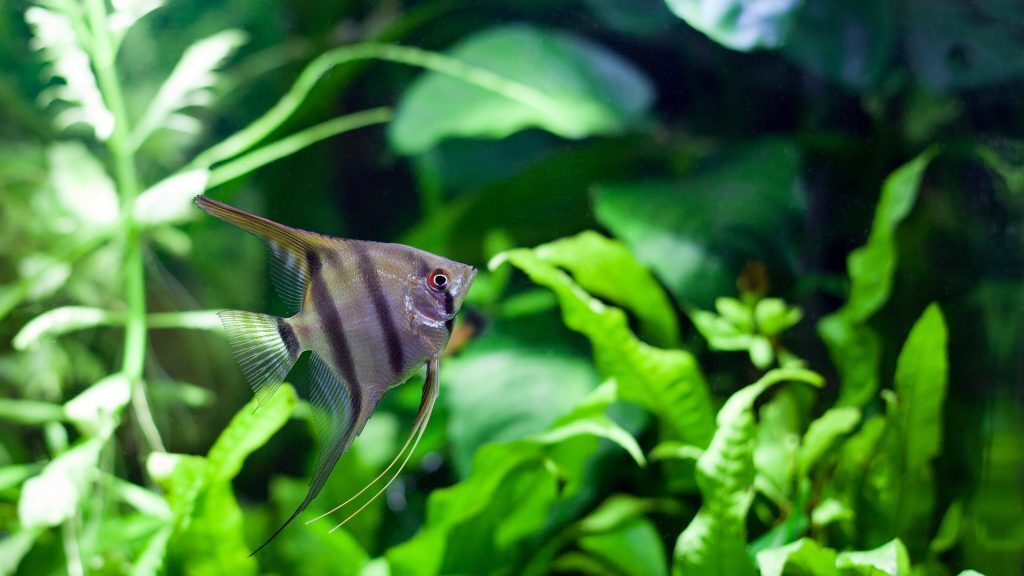
Transitioning to a larger aquarium presents an exciting opportunity to expand your aquatic community. A well-thought-out stocking plan is crucial for the health and harmony of your new ecosystem. This section will guide you through creating a responsible stocking strategy, introducing new inhabitants safely, and managing their behavior in their more spacious environment.A larger aquarium offers increased stability and more territory, which can significantly reduce stress and aggression among fish.
However, it also requires careful consideration to ensure all inhabitants thrive. The key is to introduce new species gradually, allowing the established biological filter to adjust and observing interactions closely.
Designing a Responsible Stocking Plan
Developing a stocking plan for a larger aquarium involves balancing the needs of individual species with their compatibility and the overall capacity of the tank. It’s essential to research the adult size, temperament, dietary requirements, and preferred water parameters of each potential inhabitant. Overstocking, even in a larger tank, can lead to poor water quality and increased stress, so it’s wise to err on the side of caution.When planning, consider the following factors:
- Adult Size: Research the maximum size each fish or invertebrate will reach. A common mistake is stocking based on juvenile sizes, leading to overcrowding later.
- Temperament: Group fish with similar temperaments. Avoid mixing highly aggressive species with peaceful ones, or territorial fish with those that require open swimming space.
- Dietary Needs: Ensure all inhabitants can access appropriate food. Some fish may outcompete others for food, especially if their feeding behaviors differ significantly.
- Water Parameters: Select species that share similar requirements for temperature, pH, and hardness. Introducing fish with vastly different needs will stress them and compromise water quality.
- Tank Biotope/Theme: Consider creating a themed aquarium (e.g., a South American biotope, a reef tank) which naturally lends itself to compatible species.
- Filtration Capacity: While a larger tank has more water volume, ensure your filtration system is adequate for the planned bioload. It’s often recommended to slightly over-filter.
Gradual Introduction of New Fish and Invertebrates
Introducing new inhabitants to an established or newly set-up larger aquarium should always be a gradual process to minimize stress on both the new arrivals and the existing ecosystem. This allows the biological filter to adapt to the increased bioload and provides an opportunity to observe for any immediate compatibility issues.The process typically involves the following steps:
- Quarantine (Highly Recommended): Before adding any new fish or invertebrates to your main display tank, it is strongly advised to quarantine them in a separate, smaller tank for 4-6 weeks. This allows you to observe for diseases or parasites without risking your established community.
- Acclimation: Once ready to introduce, properly acclimate the new inhabitants to your main tank’s water parameters. This can be done using drip acclimation, which slowly mixes the water from the new fish’s transport bag with your aquarium water.
- Initial Release: Release the acclimated fish or invertebrates into the aquarium during a period of low activity, such as after the lights have been turned off or in the morning before feeding. This allows them to explore their new surroundings without immediate pressure from existing tank mates.
- Observe Closely: For the first few days to a week after introduction, dedicate time to observing the new inhabitants. Look for signs of stress, aggression from existing fish, or bullying.
- Staggered Additions: Do not add all new fish or invertebrates at once. Introduce them in small groups over several weeks or even months, depending on the size of your tank and the number of inhabitants you plan to add. This gives the biological filter ample time to adjust to the increasing bioload.
Observing and Managing Fish Behavior in a Larger Space
A larger aquarium provides more swimming room and hiding places, which can positively influence fish behavior. However, it’s still important to monitor interactions to ensure a harmonious environment. Observe how fish utilize the space, their social dynamics, and any signs of stress or aggression.Key aspects to observe include:
- Territoriality: In a larger tank, territorial disputes may be less intense, but some fish may still establish and defend specific areas. Watch for persistent chasing or aggressive displays.
- Schooling and Shoaling: Ensure schooling or shoaling fish have enough of their own kind to feel secure. A larger tank can accommodate larger schools, which often leads to more natural and less stressed behavior.
- Exploration: Observe if fish are actively exploring their new environment. A lack of exploration or hiding in one spot for extended periods can indicate stress.
- Feeding Habits: Ensure all fish are eating adequately. In a larger tank, less dominant fish might still struggle to get food if feeding is not managed carefully.
Effective management strategies include:
- Providing Ample Hiding Places: Use decorations, live plants, or rockwork to create numerous hiding spots. This is especially important for shy species and can reduce territorial aggression.
- Appropriate Tank Mates: Continuously assess the compatibility of your tank mates. If persistent aggression arises, you may need to rehome an individual or reorganize your stocking.
- Varied Feeding: Offer a varied diet and ensure food is distributed throughout the tank to prevent dominant fish from monopolizing it.
- Regular Observation: Make it a habit to observe your fish daily, noting any changes in behavior or appearance. Early detection of problems can prevent more serious issues.
Potential Challenges When Adding New Inhabitants
While a larger aquarium generally offers more resilience, challenges can still arise when introducing new inhabitants to an established larger system. These challenges are often related to the biological filter, existing social dynamics, and the introduction process itself.Common challenges include:
- Bioload Fluctuations: Even in a larger tank, a sudden increase in bioload from adding too many fish at once can overwhelm the beneficial bacteria in your filter, leading to ammonia and nitrite spikes.
- Disease Introduction: As mentioned, new fish can carry diseases or parasites that may not be apparent during initial observation but can manifest later, potentially affecting established inhabitants.
- Aggression and Bullying: Despite increased space, dominant fish may still target new arrivals, especially if they perceive them as a threat to their territory or social status.
- Competition for Resources: New fish may struggle to compete for food or prime territories, leading to malnutrition or stress for the less dominant individuals.
- Stress-Induced Illness: The stress of being moved to a new environment, acclimation, and potential social conflicts can weaken a fish’s immune system, making it more susceptible to illness.
Long-Term Management and Enjoyment
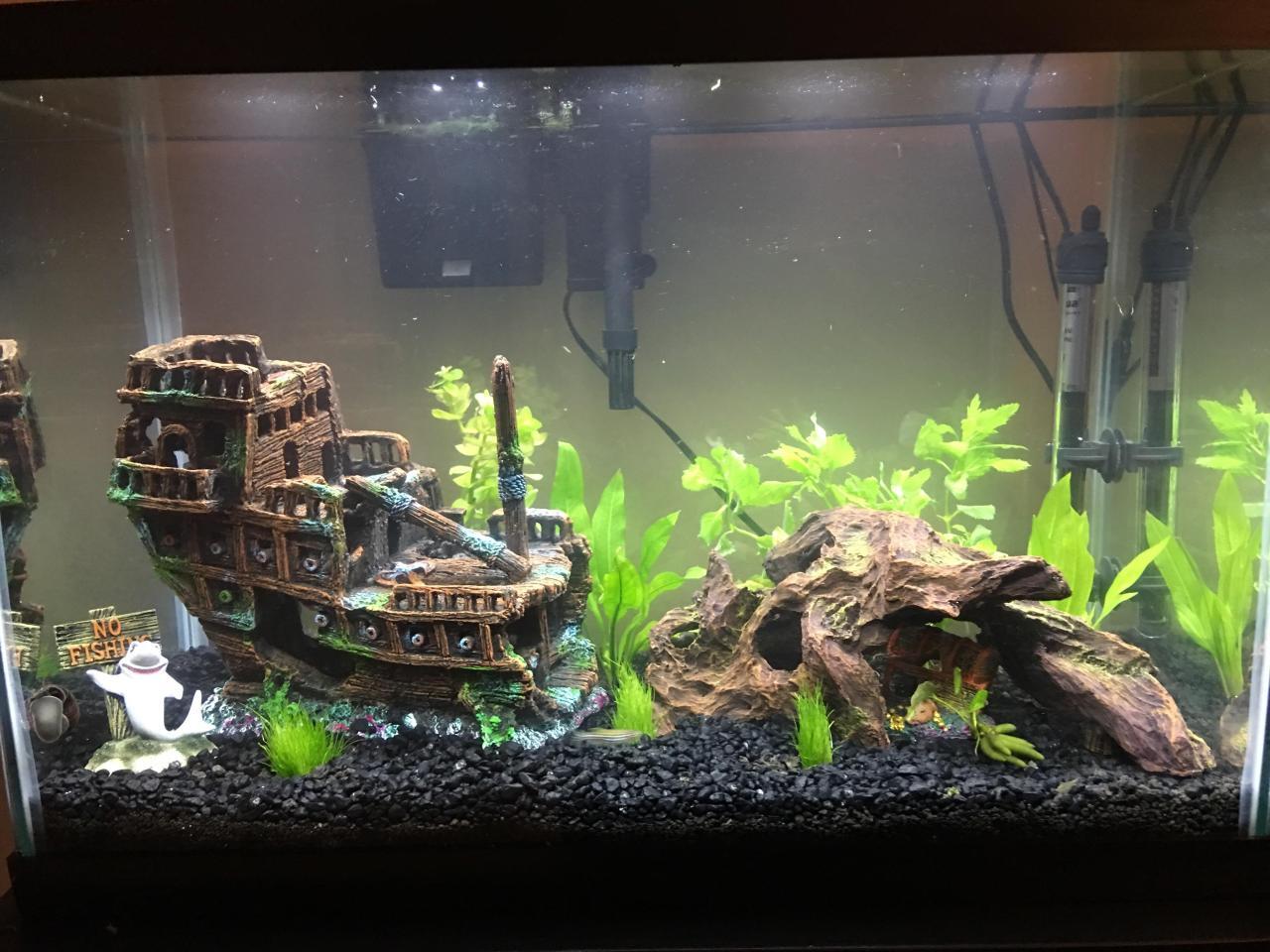
Transitioning to a larger aquarium opens up a world of possibilities for a more vibrant and stable aquatic ecosystem. This phase focuses on adapting your care routines to suit the increased volume and complexity, ensuring both the health of your inhabitants and your continued enjoyment of your hobby. It’s about building on the solid foundation you’ve established during the upgrade process.
Adapting Feeding Routines for a Larger Fish Population
As your aquarium’s capacity grows, so does the potential for a more diverse and numerous fish population. Adjusting feeding strategies is crucial to prevent overfeeding, which can lead to poor water quality, and underfeeding, which can stress fish. A well-managed feeding routine supports a healthy food web within your larger system.The key to adapting feeding routines lies in understanding the specific needs of each species and the total biomass of your tank.
It’s no longer about a single feeding time but a more nuanced approach.
- Portion Control: The most fundamental adjustment is to increase the total amount of food offered, but do so incrementally. Observe your fish’s consumption patterns. If food remains uneaten after 2-3 minutes, you are likely overfeeding.
- Frequency Adjustments: For larger populations, it may be beneficial to split their daily food allowance into two or more smaller feedings. This mimics natural feeding behaviors and prevents a large amount of waste from accumulating at once.
- Dietary Diversity: A larger tank can accommodate a wider array of fish with different dietary requirements. Ensure your feeding plan includes a balanced mix of high-quality flakes, pellets, frozen foods, and live foods appropriate for all your inhabitants.
- Target Feeding: For territorial or shy species, consider target feeding. This involves using a feeding stick or pipette to deliver food directly to their location, ensuring they receive their share without competition.
- Observation is Key: Regularly monitor the body condition of your fish. Are they maintaining a healthy weight? Are there signs of aggression around feeding time? These observations will guide your adjustments.
Advanced Maintenance Techniques for Larger Aquariums
Larger aquariums, while often more stable, still require diligent maintenance. Advanced techniques focus on efficiency, proactive problem-solving, and maintaining optimal water parameters for a thriving ecosystem. These methods help to sustain the beauty and health of your larger aquatic environment over the long term.Moving beyond basic water changes and filter cleaning, these techniques address the unique challenges and opportunities presented by a bigger system.
- Automated Dosing Systems: For tanks with demanding inhabitants or extensive plant growth, automated dosing systems can precisely add essential trace elements, calcium, alkalinity, and other supplements. This ensures consistent water parameters, reducing the risk of fluctuations that can stress sensitive organisms.
- Advanced Filtration Management: While your larger filter is a powerhouse, regular maintenance is still vital. Consider rotating filter media cleaning or replacement to maintain beneficial bacteria colonies. Introducing specialized media like activated carbon or specific ion-exchange resins can help target particular water impurities.
- Regular Water Parameter Testing: Beyond basic ammonia, nitrite, and nitrate, consider testing for parameters like pH, KH, GH, and specific mineral levels (e.g., calcium, magnesium) more frequently, especially if you have sensitive species or live plants.
- Substrate Cleaning Techniques: For larger tanks, manual gravel vacuuming can be time-consuming. Consider using a larger-capacity gravel vacuum or exploring alternative methods like detritus collection in specific areas to manage waste accumulation without disrupting the entire substrate bed.
- Water Change Optimization: While larger water changes might seem daunting, they are crucial for nutrient export. Utilize pumps and hoses to make the process more efficient. Consider pre-treating and heating larger volumes of water to minimize stress on the aquarium inhabitants.
Aquascaping and Creating a More Complex Habitat in the New Tank
A larger aquarium provides a canvas for more elaborate and naturalistic aquascaping. This involves creating visually appealing underwater landscapes that not only enhance the aesthetic but also provide functional benefits for your fish and other inhabitants. Designing a complex habitat encourages natural behaviors and offers hiding places, reducing stress.The expanded space allows for greater depth, height, and width in your designs, leading to more dynamic and engaging aquascapes.
- Creating Zones and Levels: Utilize hardscape elements like driftwood, rocks, and substrate variations to create distinct zones within the aquarium. This can include open swimming areas, dense planted sections, and sheltered caves. Different levels can be achieved with stacked rocks or strategically placed plants.
- Incorporating Live Plants: A larger tank can support a wider variety of aquatic plants, from carpeting species to tall background plants. Consider creating a planted aquascape that mimics natural riverbeds or forest floors, providing oxygenation and natural filtration.
- Hiding Places and Territorial Boundaries: For fish that require hiding spots or exhibit territorial behavior, strategically placed caves, crevices, and dense plant cover are essential. This helps to reduce aggression and allows fish to establish their own territories within the larger system.
- Flow Dynamics: Design your aquascape to work with, not against, your water flow. Create channels and open areas that promote good circulation, preventing dead spots where detritus can accumulate and ensuring that all areas of the tank receive adequate oxygenation.
- Aesthetic Balance and Scale: When choosing hardscape and plants, consider the scale of your aquarium. Larger pieces will be more impactful in a bigger tank. Aim for a balanced composition that is pleasing to the eye and avoids overcrowding, allowing ample swimming space for your fish.
Troubleshooting Common Issues in a Larger Aquarium
Even with meticulous planning, larger aquariums can present unique troubleshooting challenges. Understanding potential problems and their solutions will help you maintain a healthy and stable environment. Proactive identification and swift action are key to resolving issues before they escalate.The increased volume can sometimes mask subtle problems, while the larger biomass can exacerbate others.
- Algae Blooms: While larger tanks are generally more stable, imbalances in nutrients or lighting can still lead to algae outbreaks. Identify the cause, which could be overfeeding, insufficient water changes, or improper lighting duration/intensity. Adjustments to these factors, along with manual removal, are usually effective.
- Cloudy Water: Cloudy water can be caused by a bacterial bloom (often in new tanks or after major disruptions), suspended detritus, or issues with filtration. Ensure your filter is adequately sized and functioning correctly. For bacterial blooms, patience and time are often the best remedies, or a UV sterilizer can be used.
- Fish Stress or Illness: Observe your fish closely for signs of stress (e.g., clamped fins, rapid breathing, hiding) or illness (e.g., white spots, lethargy, unusual swimming patterns). These can be indicators of poor water quality, aggression from tank mates, or introduction of disease. Test water parameters immediately and consider quarantine for new additions.
- Equipment Malfunctions: In a larger system, the failure of a single piece of equipment, such as a heater or filter, can have a more significant impact. Regularly check that all equipment is functioning optimally. Have backup equipment readily available for critical components like heaters and powerheads.
- Nutrient Buildup: Despite larger water volumes, detritus and organic waste can still accumulate. Regular, efficient water changes are paramount. Ensure your substrate is being cleaned effectively and that your filtration is handling the bioload.
Epilogue
Successfully transitioning to a larger aquarium is more than just a physical move; it’s an investment in the well-being of your aquatic inhabitants and an expansion of your passion. By meticulously planning, carefully executing the transfer, and diligently maintaining water quality, you create a thriving environment that offers greater stability and more opportunities for observation and aquascaping. Embrace the expanded horizons this upgrade provides, and enjoy the continued wonder and satisfaction of your flourishing aquatic world.