Delving into the fascinating behavior of aquatic life, understanding why fish attempt to leave their watery homes is crucial for their well-being. This exploration will equip you with the knowledge and practical strategies to ensure your finned friends remain safely within their aquarium environment.
From understanding the underlying biological and environmental triggers to implementing effective tank setup modifications and physical barriers, this guide offers a comprehensive approach to preventing those surprising leaps. We will navigate the intricacies of water parameters, decor choices, species-specific needs, and even the subtle influences of lighting and tank mate dynamics.
Understanding Why Fish Jump
Fish are naturally curious and agile creatures, and while their aquatic environment is their home, certain biological and environmental factors can trigger an instinctual urge to explore beyond the confines of their aquarium. Understanding these underlying reasons is the first crucial step in effectively preventing fish from jumping out. This behavior, often observed as a sudden leap or a determined attempt to breach the water’s surface, is rarely random and usually stems from a response to stimuli within or around their tank.The primary drivers behind a fish’s inclination to jump are rooted in their evolutionary survival instincts and their immediate environmental conditions.
In the wild, jumping can be a means of escaping predators, finding new sources of food, or seeking more favorable water conditions. While an aquarium removes many of these natural pressures, the underlying instincts remain, and an imbalance in the tank can inadvertently trigger these escape behaviors.
Biological and Environmental Triggers
Several biological and environmental factors can contribute to a fish’s decision to jump. These often relate to the fish’s perception of its immediate surroundings and its physiological state.
Poor water quality is a significant stressor. When dissolved oxygen levels drop, or ammonia and nitrite accumulate, fish can experience discomfort and a desperate need to escape the toxic environment. This is analogous to a human needing to leave a room filled with smoke.
Inadequate tank size or overcrowding can lead to territorial disputes, increased aggression, and a general sense of being confined. This can create stress that manifests as attempts to escape the perceived limitations of their space.
Sudden changes in water parameters, such as temperature fluctuations or pH shifts, can shock fish and prompt them to seek a more stable environment. Even minor deviations outside their preferred range can be detrimental.
The presence of certain diseases or parasites can cause irritation and discomfort, leading fish to jump in an attempt to dislodge the irritant or escape the feeling of being unwell.
Common Stress Triggers
Stress is a pervasive factor that can lead to a variety of behavioral changes in fish, including jumping. Identifying and mitigating these stressors is paramount to maintaining a healthy and stable aquarium environment.
- Sudden or Loud Noises: Aquariums are often placed in living areas where unexpected loud noises, such as doors slamming, music played at high volumes, or even vibrations from nearby appliances, can startle fish and trigger a flight response.
- Aggressive Tank Mates: If a fish is being bullied or harassed by other inhabitants of the tank, it may attempt to jump out to escape the constant aggression.
- Inappropriate Lighting: While fish need a light cycle, overly bright or fluctuating lights can be stressful. Conversely, complete darkness for extended periods can also be disorienting.
- Introduction of New Inhabitants: The addition of new fish to an established tank can cause stress due to potential territorial conflicts, the introduction of new diseases, or simply the disruption of the existing social hierarchy.
- Inadequate Hiding Places: Fish that feel exposed or vulnerable may try to escape to find a perceived safer location. A lack of plants, decorations, or caves can exacerbate this feeling.
Instinctual Drives Behind Aquatic Escape
The instinct to jump is deeply ingrained in many fish species, serving crucial survival functions in their natural habitats. These innate behaviors can be triggered even in the controlled environment of an aquarium.
One of the most fundamental drives is the search for better living conditions. In the wild, if a water source becomes depleted, polluted, or otherwise unfavorable, fish may instinctively attempt to migrate or find a new, more suitable body of water. This can manifest as jumping towards an opening, such as a waterfall or a gap in vegetation, in an effort to reach a better environment.
Predator avoidance is another powerful instinct. When a fish perceives a threat, whether it’s a larger fish in the tank or even a shadow passing overhead, its immediate reaction might be to flee. For some species, jumping can be an effective way to evade capture by leaping out of the immediate danger zone.
The instinct to find new territory or breeding grounds also plays a role. Some fish species are naturally migratory and will exhibit behaviors that suggest an urge to explore beyond their current boundaries, especially if they feel their current environment is overcrowded or lacking resources.
“The instinct to escape a perceived threat or unfavorable condition is a powerful evolutionary legacy that can manifest even in the artificial environment of an aquarium.”
Tank Setup and Environmental Factors
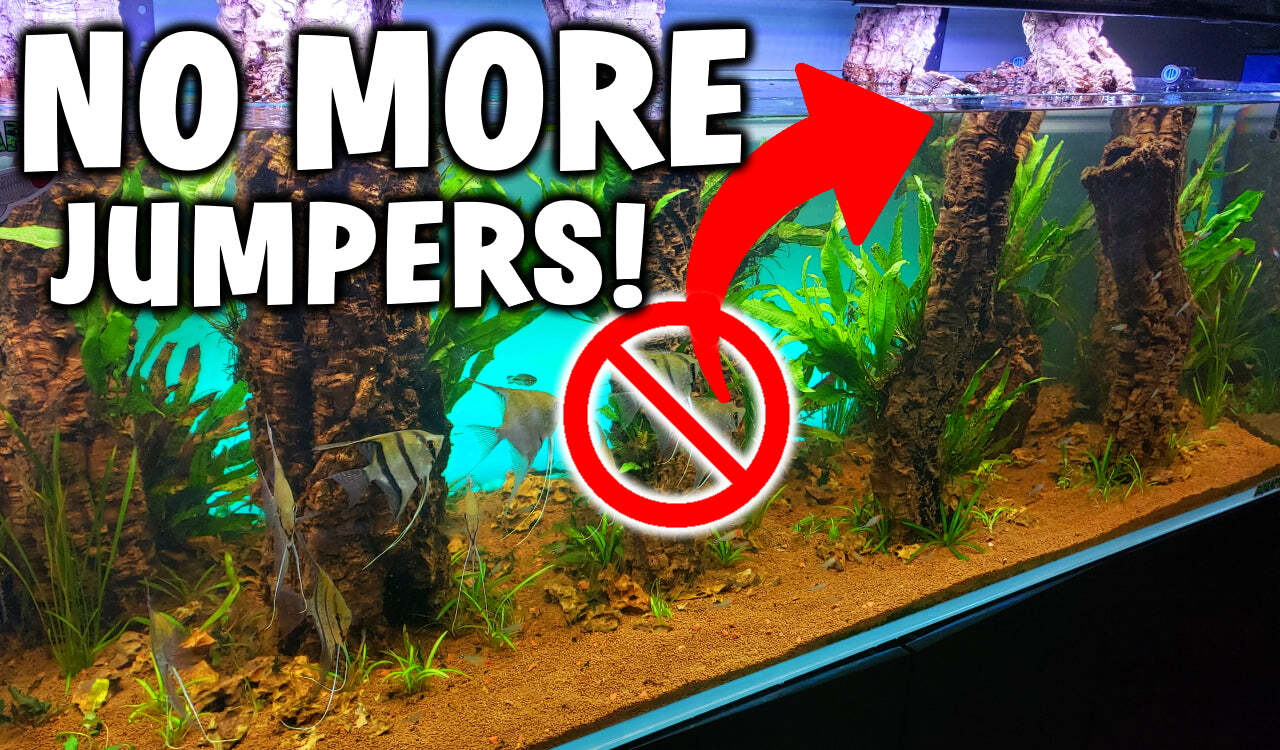
A well-designed aquarium environment is crucial for preventing fish from jumping out. By addressing physical barriers and maintaining optimal water conditions, you can significantly reduce the likelihood of this behavior. This section will explore the essential modifications to your tank setup and the ideal environmental parameters that contribute to a stable and secure aquatic habitat.Creating a secure environment involves both physical deterrents and ensuring the fish are comfortable and healthy within their home.
A stressed or uncomfortable fish is more prone to erratic behavior, including jumping. Therefore, a holistic approach to tank setup is paramount.
Aquarium Modifications to Deter Jumping
Several modifications to your aquarium setup can effectively prevent fish from escaping. These changes aim to create physical barriers and discourage exploratory leaps.
- Secure Lids: Ensure your aquarium has a tight-fitting lid. Gaps or loose-fitting lids are prime escape routes for many fish species. Acrylic or glass lids are generally more effective than screen lids, especially for smaller fish or those prone to jumping.
- Reduced Water Level: Lowering the water level by an inch or two can create a larger air gap between the water surface and the lid. This makes it more difficult for fish to reach the edge and jump out.
- Internal Decorations: Strategically placed decorations such as plants (live or artificial), driftwood, or rock formations can break up the water surface and reduce the direct line of sight to the tank edges. This can disorient fish and make them less likely to attempt a jump.
- Water Flow Adjustment: Strong currents can sometimes stress fish, leading to desperate attempts to escape. Adjusting powerhead or filter output to create a gentler flow, or ensuring there are calmer areas within the tank, can help.
- Tank Height: For species known to be particularly prone to jumping, consider a taller tank relative to its width. This increases the distance the fish would need to travel to clear the edge.
- Avoid Overcrowding: An overcrowded tank can lead to increased stress and competition, potentially triggering jumping behavior. Ensure your tank is appropriately stocked for its size and filtration capacity.
- Secure Equipment: Ensure all internal equipment, such as heaters and filters, is securely fastened and does not create any unexpected pathways to the surface or edge of the tank.
Ideal Water Parameters for a Stable Environment
Maintaining stable and appropriate water parameters is fundamental to a healthy aquarium, which in turn reduces stress and the likelihood of fish jumping. Fish are sensitive to changes in their environment, and instability can be a significant trigger.The following parameters are generally considered ideal for most freshwater aquarium fish. It is important to research the specific needs of your fish species, as some may have slightly different requirements.
- Temperature: Most tropical freshwater fish thrive in temperatures between 75-80°F (24-27°C). Consistent temperature is key; avoid rapid fluctuations. A reliable aquarium heater with a thermostat is essential.
- pH: The ideal pH range for most freshwater community tanks is between 6.5 and 7.5. Some species prefer slightly more acidic or alkaline water, so consult your fish’s specific needs. pH should remain as stable as possible.
- Oxygen Levels: Adequate dissolved oxygen is critical for fish respiration. Good water surface agitation, achieved through filter output or air stones, helps to increase oxygen exchange. Aim for dissolved oxygen levels that support healthy fish respiration, which is generally indicated by active and stress-free fish.
- Ammonia, Nitrite, and Nitrate: These nitrogenous compounds are toxic to fish. A properly cycled aquarium will have 0 ppm ammonia and 0 ppm nitrite. Nitrate levels should be kept as low as possible, ideally below 20 ppm, through regular water changes.
- Hardness (GH and KH): General Hardness (GH) and Carbonate Hardness (KH) refer to the mineral content of your water. While specific ranges vary by species, stability in these parameters is more important than hitting an exact number for most common aquarium fish.
“Stable water parameters are the bedrock of a healthy aquarium, minimizing stress and promoting natural behaviors in fish.”
Gradual Acclimation Plan for New Fish
Introducing new fish to an established aquarium without proper acclimation can cause significant stress, which is a primary driver of jumping behavior. A gradual acclimation process allows the fish to adjust slowly to the new water chemistry and conditions, minimizing shock.This plan Artikels a method for drip acclimation, which is a slow and controlled way to introduce new fish. It is recommended to perform this process in a separate container to avoid introducing any potential diseases from the new fish to your main tank.
- Prepare a Quarantine Tank: Set up a separate, smaller aquarium (quarantine tank) with cycled water that closely matches the parameters of the store’s water if possible. This tank should be heated and filtered.
- Float the Bag: Gently float the bag containing the new fish in the quarantine tank for about 15-20 minutes. This equalizes the temperature between the bag water and the tank water.
- Begin Drip Acclimation:
- Open the bag and gently pour the fish and their water into a clean bucket or container.
- Using airline tubing with a control valve (or by tying a knot in the tubing), start a slow drip of water from the quarantine tank into the bucket containing the new fish. Aim for a drip rate of about 2-4 drips per second.
- As the water level in the bucket rises, you will need to remove some of the water periodically to prevent overcrowding and to maintain a manageable volume. Remove approximately 25% of the water every 15-20 minutes.
- Monitor and Adjust: Continue the drip acclimation for at least 45-60 minutes, or longer for very sensitive species. Observe the fish for any signs of distress.
- Introduce to Quarantine Tank: Once the acclimation period is complete, gently net the fish from the bucket and place them into the quarantine tank. Discard the water from the bucket; do not add it to any aquarium.
- Observe in Quarantine: Keep the new fish in the quarantine tank for at least 2-4 weeks to observe for any signs of illness or parasites before introducing them to your main display tank.
Physical Barriers and Modifications
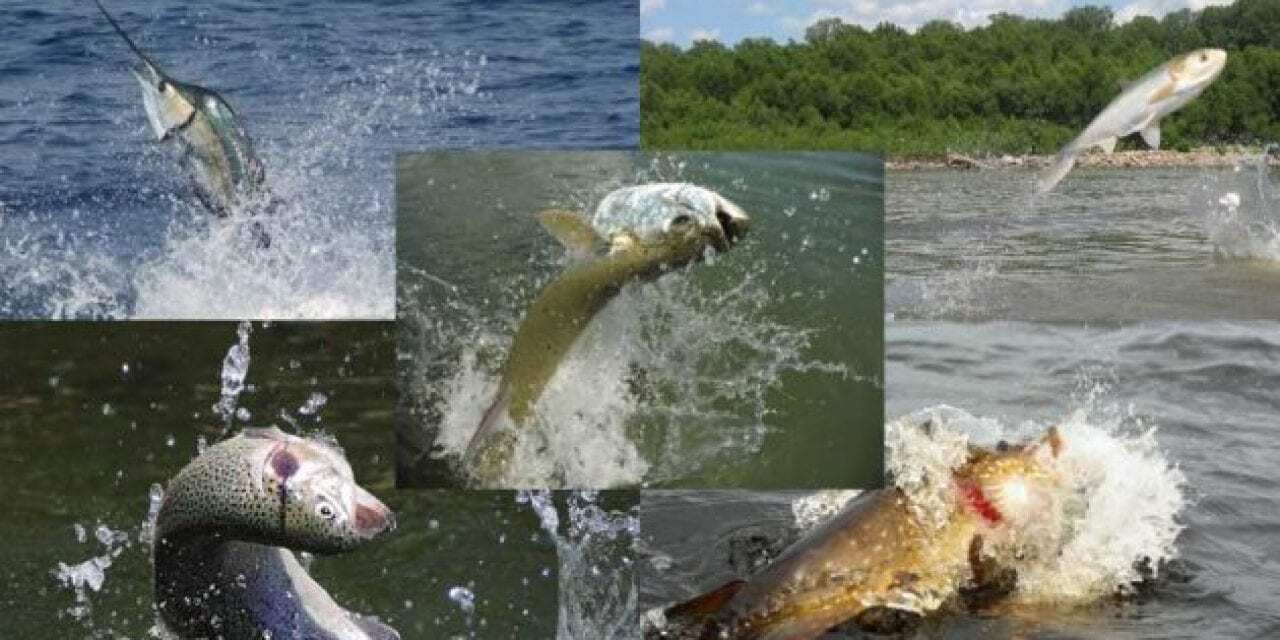
Beyond understanding the reasons behind fish jumping and ensuring an optimal tank environment, implementing physical barriers is a crucial step in preventing escapes. These modifications act as a direct deterrent, effectively containing your aquatic inhabitants within their designated home. A well-designed barrier not only keeps fish in but also contributes to the overall safety and stability of the aquarium ecosystem.The selection and proper installation of these barriers are paramount to their effectiveness.
Different types of lids and covers offer varying degrees of security, ease of use, and aesthetic appeal. It is essential to consider these factors to find the best solution for your specific aquarium setup and the species you are keeping.
Aquarium Lid and Cover Types
A variety of lid and cover options are available for aquariums, each with its own advantages and disadvantages regarding security, accessibility, and cost. Choosing the right type depends on the aquarium’s size, the fish species, and the desired level of maintenance.
- Standard Hoods: These are often the most common type, typically made of plastic or glass. They usually cover the entire top of the aquarium and often incorporate lighting. They provide a good basic barrier but may have openings for equipment like filters or heaters, which can sometimes be exploited by jumpers.
- Hinged Lids: Similar to standard hoods, but designed with hinges for easy access to the tank for feeding and maintenance. This convenience is a significant advantage, but the hinge mechanism needs to be robust to prevent accidental dislodgement.
- Glass Canopy Lids: These are typically made of tempered glass and fit snugly within the rim of the aquarium. They offer excellent visibility and a sleek look. While secure, they may require additional modifications to accommodate equipment.
- Mesh Covers: Often made of a fine plastic or metal mesh, these are lightweight and allow for excellent gas exchange. They are particularly useful for aquariums housing jumpers or species that require high oxygen levels. However, they may not be as aesthetically pleasing as glass and can sometimes be dislodged by larger or more determined fish.
- Custom-Built Lids: For aquariums with unusual dimensions or specific equipment needs, a custom-built lid can be the ideal solution. This allows for a perfect fit and integration of all necessary components.
Ensuring a Snug Fit
The effectiveness of any lid or cover hinges on its ability to create a secure seal, leaving no escape routes. Even the most robust barrier is rendered ineffective if there are significant gaps or openings that a determined fish can exploit. A snug fit prevents fish from squeezing through or using gaps to propel themselves out of the water.
A gap as small as a quarter-inch can be enough for many fish species to escape.
When selecting or modifying a lid, pay close attention to the edges and any cutouts for equipment. Ensure that these areas are as tight as possible. For glass canopies, consider using clear silicone sealant to create a better seal along the edges if minor gaps are present, ensuring it is aquarium-safe and fully cured before reintroducing fish. For hoods with equipment openings, consider using foam, plastic inserts, or even fine mesh to block any potential escape routes while still allowing for necessary ventilation and access.
DIY Aquarium Lid Creation
For hobbyists seeking a cost-effective or custom solution, creating a DIY aquarium lid is a feasible and rewarding project. This allows for precise fitting and integration of specific needs, such as accommodating a hang-on-back filter or a specific type of lighting.Here is a step-by-step guide to creating a basic DIY aquarium lid, focusing on using readily available materials:
- Measure Your Tank: Carefully measure the internal dimensions of your aquarium’s top rim. Measure the length and width at several points to ensure accuracy. Also, note the height of the rim if it’s a factor in your lid design.
- Choose Your Material: Common and effective materials include:
- Acrylic Sheets: Lightweight, durable, and easy to cut. Available in various thicknesses.
- Plexiglass: Similar to acrylic, often more affordable and readily available.
- Corrugated Plastic (Coroplast): Inexpensive and easy to work with, but may be less durable for heavier lids.
- Fine Mesh Screen (fiberglass or aluminum): Ideal for creating ventilation and preventing insect entry, often used in conjunction with a frame.
- Design Your Lid: Decide on the overall structure. A simple flat lid can be made from a single sheet of acrylic or plexiglass. For a more advanced design, you might create a frame using plastic or aluminum strips and then cover it with mesh or a solid panel. Consider how you will access the tank for feeding and maintenance – a hinged design is often preferred.
- Cut Your Materials: Using appropriate tools (e.g., a utility knife for Coroplast, a scoring tool and straight edge for acrylic/plexiglass, scissors for mesh), cut your chosen materials to the measured dimensions. If creating a framed lid, cut the frame pieces to size and assemble them using aquarium-safe adhesive or small screws.
- Assemble the Lid:
- For a simple flat lid: If using a solid panel, you may want to cut out sections for equipment. Ensure these cutouts are precise and do not create large gaps.
- For a framed lid: Secure the mesh or solid panel within the frame. For mesh, you can use a staple gun or adhesive.
- Add Hinges (Optional): If you are creating a hinged lid, attach appropriate hinges to the lid and the tank rim or a supporting structure. Ensure the hinges are corrosion-resistant.
- Secure and Seal: Once assembled, test fit the lid on your aquarium. It should sit flush with the rim. If there are minor gaps, consider using aquarium-safe silicone or weatherstripping to create a better seal. For mesh lids, ensure the mesh is taut and securely attached to the frame.
- Cutouts for Equipment: If you need to accommodate filters, heaters, or other equipment, carefully mark and cut out the necessary openings. Aim for the smallest possible openings to maintain security. You can often use scrap pieces of your lid material to create smaller, custom covers for these openings that can be easily removed for access.
Substrate and Decor Considerations
Beyond the essential tank setup and environmental factors, the substrate and decorations within an aquarium play a crucial, though often indirect, role in influencing fish behavior, including the tendency to jump. The right choices can significantly contribute to a more secure and less stressful environment for your aquatic inhabitants, thereby reducing the likelihood of them seeking an escape.The substrate, the material covering the bottom of the aquarium, can impact fish behavior by providing a sense of stability and influencing water quality.
Certain substrates can also affect how fish interact with their environment, sometimes leading to behaviors that might precede a jump. Similarly, the arrangement and type of decorations are paramount in creating a habitat where fish feel safe and sheltered, minimizing the stress that can trigger jumping.
Substrate’s Influence on Fish Behavior
The selection of substrate material can subtly influence fish behavior. For instance, a substrate that allows for natural digging or burrowing behaviors can provide an outlet for natural instincts, leading to a more content fish. Conversely, a substrate that is too sharp or abrasive might cause discomfort or injury, leading to stress that could manifest as jumping. The substrate also plays a role in the nitrogen cycle; a healthy substrate supports beneficial bacteria, contributing to overall water quality and reducing stress.
A stable and comfortable substrate encourages natural behaviors, thereby reducing stress-related jumping.
For many bottom-dwelling fish, the substrate is their primary interaction point with the tank. A smooth, fine-grained substrate like sand or very small, rounded gravel is often preferred as it minimizes the risk of injury and allows for natural foraging and resting behaviors. Avoid coarse gravel or sharp substrates that can irritate fish or become lodged in their gills or mouths.
Decorations for Security and Stress Reduction
Aquarium decorations serve as more than just aesthetic elements; they are vital for creating a complex and secure environment for fish. Ample hiding places are essential for reducing perceived threats and allowing fish to retreat when feeling anxious or stressed. This sense of security can significantly decrease the impulse to jump out of the tank.
Adequate hiding places are critical for reducing stress and preventing territorial disputes that can lead to jumping.
When selecting decorations, consider the needs of your specific fish species. Some fish prefer open swimming spaces, while others thrive in densely decorated environments. The key is to provide a balance that allows for both exploration and retreat.Here are examples of suitable decorations that promote a sense of security:
- Driftwood: Natural driftwood pieces offer excellent hiding spots and can also release tannins into the water, which can have a calming effect on some fish species and mimic their natural environment.
- Aquatic Plants (Live or Artificial): Dense planting, whether with live or high-quality artificial plants, creates numerous nooks and crannies for fish to hide in. Live plants also contribute to water quality.
- Caves and Hollow Structures: Ceramic caves, resin structures with openings, or even strategically placed rocks can provide secure retreats for fish. Ensure these structures have smooth edges and are appropriately sized for your fish.
- Smooth Rocks and Pebbles: Carefully selected smooth rocks can be arranged to create sheltered areas. Ensure they are inert and won’t alter water parameters.
- Coconut Hides: These natural shells provide excellent, enclosed hiding spaces for smaller fish and invertebrates.
It is important to ensure that all decorations are aquarium-safe, meaning they do not leach harmful chemicals into the water or have sharp edges that could injure fish. Regular cleaning and maintenance of decorations will also help maintain a healthy and secure environment.
Fish Species Specific Behaviors
Understanding the natural inclinations of different fish species is paramount in preventing unwanted escapes. While some fish are more prone to jumping due to their evolutionary adaptations and environmental needs, others exhibit this behavior for distinct reasons. Recognizing these species-specific tendencies allows for a more targeted and effective approach to tank management.Many aquarium fish possess inherent behaviors that can lead to jumping.
These can be driven by factors such as seeking better water conditions, escaping perceived threats, or an instinctual drive to explore new environments. By identifying which species are more likely to jump and understanding their underlying motivations, aquarists can implement precise preventative strategies.
Common Jumping Fish Species and Their Motivations
Certain fish species are notoriously known for their propensity to jump out of aquariums. These behaviors are often rooted in their natural habitats and survival instincts.
- Anabantoids (e.g., Bettas, Gouramis): These fish possess a labyrinth organ, allowing them to breathe atmospheric air. When water quality deteriorates or oxygen levels drop, they may jump to reach the surface for air. Stress, territorial disputes, or even boredom can also trigger jumping.
- Cyprinids (e.g., Danios, Barbs): Many small, active schooling fish like Danios are energetic swimmers. They may jump when startled by sudden movements, changes in water flow, or when trying to escape overcrowded conditions or aggressive tank mates.
- Livebearers (e.g., Guppies, Mollies): While less common than in other categories, livebearers can jump, particularly if they are stressed, seeking new territory, or if the water parameters are not optimal. Young fry may also jump to escape predation.
- Catfish (e.g., Corydoras, Plecos): Some catfish species, especially those that are bottom-dwellers and may be sensitive to substrate conditions or water quality, can jump. This is often a response to poor water quality or discomfort in their environment.
- African Cichlids: Certain species of African Cichlids, particularly Mbuna, are known for their territorial nature and can become agitated. They may jump as a reaction to perceived intruders or during aggressive territorial displays.
Comparative Jumping Tendencies Across Aquarium Fish Categories
The likelihood of a fish jumping can vary significantly based on its typical environment and swimming habits within the aquarium.
| Fish Category | Typical Behavior | Jumping Tendency | Primary Motivations for Jumping |
|---|---|---|---|
| Surface Dwellers | Spend most of their time near the water’s surface. | High | Seeking atmospheric air (e.g., Anabantoids), escaping poor water quality, territorial disputes. |
| Mid-Water Swimmers | Exhibit active swimming throughout the water column. | Moderate to High | Startled reactions, overcrowding, aggression from tank mates, exploring new territories. |
| Bottom Dwellers | Primarily inhabit the substrate layer. | Low to Moderate | Discomfort with substrate conditions, poor water quality, escaping predators or aggressive fish. |
| Territorial Species | Exhibit strong defense of their space. | Moderate to High | Aggression, territorial disputes, perceived threats to their territory. |
Tailored Preventative Measures for High-Jumping Species
For species identified as particularly prone to jumping, specific modifications to the aquarium setup and management practices are essential.
“Proactive prevention is always more effective than reactive rescue when it comes to keeping fish safely within their aquatic environment.”
- For Anabantoids (e.g., Bettas):
- Ensure excellent water quality with regular water changes.
- Maintain stable water temperatures.
- Provide ample hiding places and avoid overcrowding to reduce stress.
- A secure lid is non-negotiable, as they will readily exploit any gap.
- For Active Swimmers (e.g., Danios):
- Provide a sufficiently large tank to accommodate their energetic swimming.
- Ensure a secure lid with no large gaps, as they can be surprisingly agile.
- Maintain a calm environment by avoiding sudden movements or loud noises near the tank.
- Consider tank mates carefully to prevent stress from aggression.
- For Territorial Species (e.g., African Cichlids):
- Aquascaping with plenty of rocks and caves can help break up lines of sight and reduce direct confrontation.
- Ensure adequate space per fish to minimize territorial friction.
- A secure lid is crucial, as agitated fish may attempt to leap over barriers.
Water Level Management
Maintaining the correct water level in your aquarium is a surprisingly crucial factor in preventing fish from making an untimely escape. The height of the water directly influences the ease with which a fish can propel itself over the tank’s edge. A water level that is too high can provide a convenient launchpad for agile swimmers, while a level that is too low can create stress and encourage desperate attempts to find a better environment.
Understanding this relationship is key to a secure aquatic habitat.The water level’s impact on jumping is multifaceted. For species prone to leaping, a higher water level reduces the distance they need to jump to clear the tank’s rim. Conversely, a water level that is significantly low can indicate poor water quality or inadequate space, prompting fish to seek escape routes.
Therefore, consistent and appropriate water levels are a fundamental aspect of aquarium management for fish safety.
Optimal Water Levels
Determining the optimal water level involves considering both the size of the aquarium and the specific needs and behaviors of the fish species it houses. Generally, a water level that leaves a few inches of air space between the surface and the tank’s rim is recommended for most common freshwater and saltwater aquariums. This air gap acts as a natural buffer, making it more difficult for fish to jump out.
For smaller tanks, a slightly larger air gap might be beneficial due to the reduced overall volume.For tanks housing known jumpers, such as certain killifish, betta fish, or even some species of goldfish, maintaining a more substantial air gap is advisable. This might mean keeping the water level several inches below the rim, depending on the tank’s height and the fish’s jumping prowess.
Conversely, for fish that are less prone to jumping and are housed in larger, more stable environments, the water level can be closer to the rim, provided there are no other contributing factors to jumping.
A common recommendation for most aquariums is to maintain a water level that leaves approximately 2-4 inches of air space between the water surface and the top of the tank. This can be adjusted based on the specific fish species and tank dimensions.
Maintaining Consistent Water Levels
Consistent water levels are paramount for both fish well-being and preventing escapes. Fluctuations can be stressful for fish and can signal underlying issues within the aquarium. Regular top-offs and controlled water changes are the primary methods for achieving this consistency.Top-offs are necessary to replace water lost due to evaporation. This process should be done with dechlorinated or reverse osmosis deionized (RO/DI) water, depending on your aquarium’s needs, to avoid altering water parameters.
It’s best to top off gradually rather than all at once to minimize any sudden changes.Water changes, on the other hand, serve a dual purpose: replenishing water and removing accumulated waste. When performing a water change, it is important to refill the tank to the desired level, ensuring that the air gap is re-established. For larger aquariums, a slow and steady refill process is recommended to avoid stressing the inhabitants.
The frequency and volume of water changes should be based on the aquarium’s stocking level and filtration capacity, typically ranging from 10-25% weekly or bi-weekly.
Lighting and Tank Environment
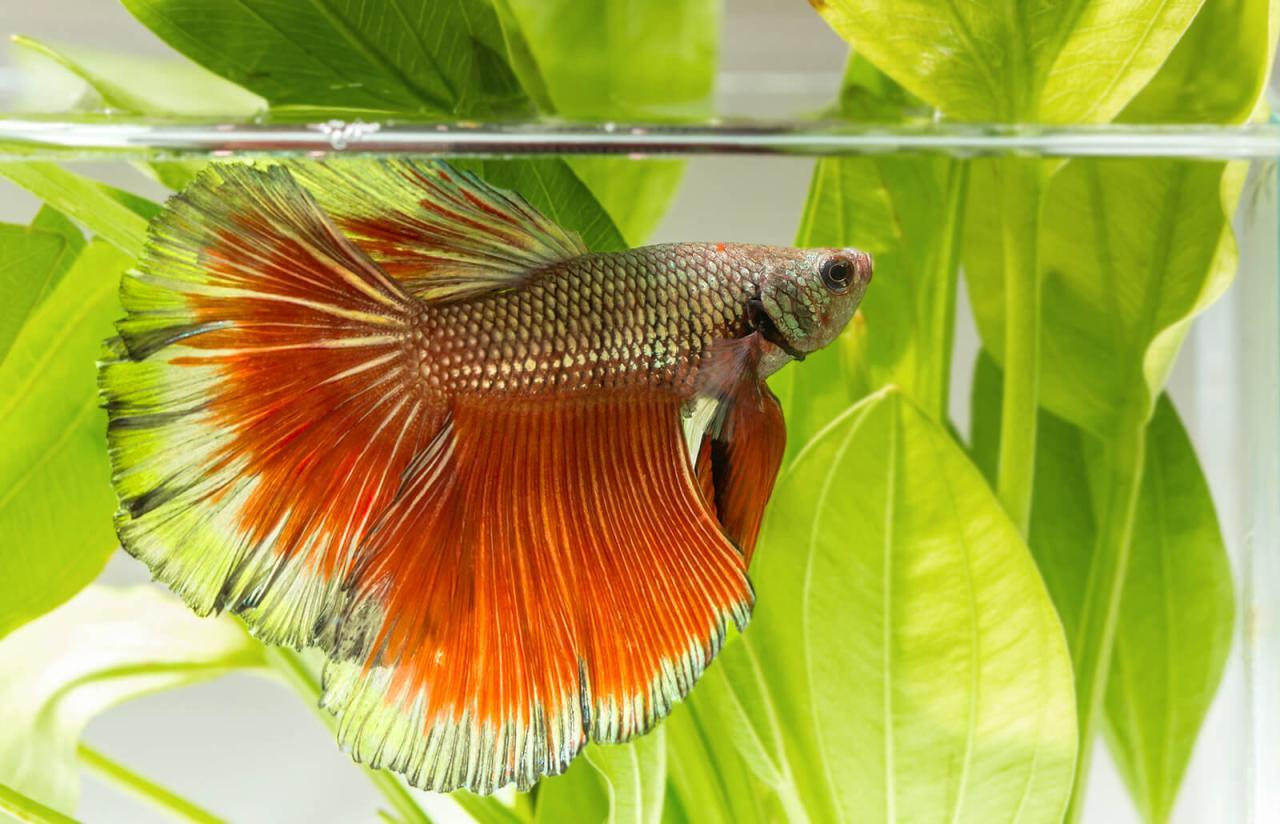
The illumination within an aquarium plays a surprisingly significant role in the behavior of its inhabitants, including their propensity to jump. Just as in their natural habitats, fish respond to light cycles, and artificial lighting can either mimic or disrupt these natural rhythms. Understanding how lighting impacts your fish is a crucial step in preventing unwanted escapes.Aquarium lighting can influence fish in several ways.
Intense or sudden changes in light can startle fish, triggering a panic response that might lead them to leap from the tank. Similarly, lights that are too bright for the species housed can cause stress, making them more agitated and prone to erratic behavior. Conversely, insufficient or inconsistent lighting can also be problematic, potentially disorienting fish or disrupting their natural behaviors, which could indirectly lead to jumping.
Lighting Duration and Intensity Adjustment
Creating a calm and stable environment is paramount for preventing fish from jumping. Adjusting the duration and intensity of your aquarium lighting can significantly contribute to this goal. Overly long periods of bright light can mimic perpetual daylight, leading to stress and overstimulation, while very short or inconsistent cycles can confuse fish.Strategies for managing lighting include:
- Controlled Photoperiod: Establishing a consistent light cycle that mimics natural day and night periods is essential. Aim for a duration of 8-10 hours of light per day for most freshwater species. This helps regulate their internal clocks, promoting rest and reducing overall stress.
- Gradual Transitions: Instead of a sudden on-off switch, consider using timers with dawn and dusk simulation features. This allows fish to adjust gradually to changing light levels, preventing the shock that can lead to jumping.
- Intensity Management: The brightness of the light should be appropriate for the species in your tank. For fish that prefer dimmer conditions or are easily stressed by bright lights, consider using lower wattage bulbs or incorporating shaded areas within the tank. Observe your fish for signs of stress, such as rapid gill movement or hiding, which might indicate the lighting is too intense.
- Reflective Surfaces: Be mindful of reflective surfaces outside the tank, such as windows or bright lamps, that can cast confusing or startling reflections onto the water’s surface, potentially triggering a jump response.
Consistent Light Cycle for Fish Well-being
The importance of a consistent light cycle for fish well-being cannot be overstated. Fish, like most living organisms, have evolved with natural diurnal rhythms. Disrupting these rhythms through erratic or inappropriate lighting can have profound effects on their physiology and behavior.A stable light cycle helps to:
- Regulate Circadian Rhythms: This internal biological clock governs a multitude of processes, including feeding, sleeping, and activity levels. A consistent light cycle reinforces these rhythms, leading to healthier, more settled fish.
- Reduce Stress: Constant or unpredictable lighting can be a significant stressor for fish. Stress weakens their immune systems and can manifest in various behavioral issues, including an increased tendency to jump.
- Promote Natural Behaviors: Many fish species have specific behaviors tied to light cycles, such as diurnal feeding or nocturnal resting. A consistent cycle allows these natural behaviors to occur unimpeded, contributing to a more natural and less stressful existence.
- Prevent Overstimulation: Prolonged periods of bright light can lead to overstimulation, making fish more active and potentially more prone to impulsive actions like jumping out of the tank. A defined “night” period allows for essential rest.
For instance, many reef fish species are known to become less active and seek shelter as natural light fades. Replicating this with a dimmer or off period in the evening is crucial for their psychological well-being. Similarly, some nocturnal species may become stressed if the tank is illuminated throughout their natural active period.
Tank Mates and Social Dynamics
The social environment within an aquarium plays a significant role in a fish’s well-being and can directly influence their tendency to jump. When fish feel threatened, stressed, or are in an incompatible community, their instinct for escape can be triggered. Understanding the social dynamics of your tank is crucial for preventing such behaviors.Incompatible tank mates can create a constant state of anxiety for fish, leading to stress-induced behaviors, including jumping.
Aggressive species may bully or chase more timid fish, forcing them to seek refuge. Conversely, fish with vastly different environmental needs or activity levels can also cause stress. For instance, a highly active schooling fish placed with a sedentary bottom-dweller might constantly disturb the latter, leading to unease.
Selecting Compatible Species
Creating a harmonious aquarium community requires careful consideration of the species you introduce. A well-chosen community will minimize stress and reduce the likelihood of jumping. The key is to research the temperament, size, activity level, and dietary needs of potential tank mates to ensure they can coexist peacefully and thrive together.When selecting tank mates, consider the following factors:
- Temperament: Avoid mixing overtly aggressive fish with peaceful or timid species. Research individual species’ known temperaments. For example, a Betta fish, while beautiful, can be highly aggressive towards other fish, especially those with flowing fins.
- Size: Ensure that all fish in the tank will eventually reach a size that is not a threat to each other. A large predator fish will inevitably see smaller fish as prey, regardless of temperament.
- Activity Level: Mismatched activity levels can lead to stress. Highly active fish can agitate calmer species, while very slow-moving fish might be outcompeted for food or space.
- Dietary Needs: Ensure that all fish have access to appropriate food. Some fish are opportunistic feeders, while others require specialized diets.
- Water Parameters: All species in a community tank should ideally share similar water parameter requirements (temperature, pH, hardness) to prevent stress from suboptimal conditions.
Signs of Stress from Social Interactions
Observing your fish for signs of stress due to social interactions is vital. These indicators can alert you to potential problems before they escalate into escape attempts. Stress can manifest in various ways, often subtly at first.Common signs of stress in fish due to social interactions include:
- Erratic Swimming Patterns: Rapid, darting movements, or swimming frantically against the glass.
- Hiding: Constantly seeking refuge behind decorations or in tight spaces, especially if this is a new behavior.
- Loss of Appetite: Refusal to eat or significantly reduced feeding.
- Clamped Fins: Fins held close to the body, indicating discomfort or fear.
- Increased Aggression (in previously peaceful fish): Some fish may become defensive or aggressive when stressed by others.
- Pale or Darkened Coloration: A loss of vibrant colors or a significant darkening can be a stress response.
- Rapid Breathing: Observing fish with their mouths opening and closing very quickly, especially at the surface.
A fish experiencing constant harassment from a tank mate might exhibit a combination of these signs, and jumping can become a desperate attempt to escape the perceived threat.
Tank Maintenance and Routine Care
Consistent and diligent tank maintenance is a cornerstone of a healthy aquatic environment, directly influencing fish well-being and significantly reducing the likelihood of them attempting to escape. A well-maintained tank minimizes stress triggers, such as poor water quality and sudden environmental shifts, which are primary motivators for jumping behavior. Establishing a routine for care ensures that the aquarium remains a stable and comfortable habitat for its inhabitants.The health and behavior of your fish are intimately linked to their diet.
Overfeeding can lead to a buildup of waste, fouling the water and stressing the fish. Conversely, underfeeding can result in malnutrition and weakened immune systems, making fish more susceptible to disease and potentially more erratic in their behavior. A balanced feeding regimen, tailored to the specific needs of your fish species, is crucial.
Partial Water Changes and Water Quality
Regular partial water changes are paramount for maintaining optimal water quality. These changes help to dilute and remove accumulated nitrates, phosphates, and other dissolved organic compounds that can become toxic over time. Removing these substances directly reduces stress on the fish, preventing physiological strain that could lead to jumping.
A 10-25% water change weekly is a generally recommended guideline for most freshwater aquariums, but this can vary based on stocking levels and filtration efficiency.
The process involves siphoning out a portion of the old water while simultaneously adding fresh, dechlorinated water that has been conditioned to match the tank’s temperature. This gradual introduction of new water minimizes shock to the fish and the beneficial bacteria colony.
Feeding Regimen and Fish Health
The quantity and frequency of feeding should be carefully managed. Fish should only be fed what they can consume within a few minutes, typically once or twice a day. Uneaten food decomposes, contributing to poor water quality and the proliferation of harmful bacteria.
Observe your fish during feeding. If food is left uneaten after 2-3 minutes, you are likely overfeeding.
Underfeeding, while less common, can lead to stunted growth, lethargy, and increased susceptibility to diseases, all of which can indirectly contribute to stress-induced jumping. Researching the specific dietary needs of your fish species is essential to ensure they receive the correct balance of nutrients.
Weekly and Monthly Maintenance Schedule
A structured maintenance schedule is vital for a stable and thriving aquarium environment. Adhering to a routine helps prevent problems before they arise and ensures the long-term health of your fish.A typical weekly maintenance routine might include:
- Performing a 10-25% partial water change.
- Cleaning the aquarium glass to remove algae.
- Siphoning debris from the substrate.
- Testing key water parameters such as ammonia, nitrite, and nitrate.
- Checking the health and behavior of all fish.
Monthly maintenance tasks often build upon the weekly routine and may involve:
- Cleaning or rinsing filter media (using tank water to preserve beneficial bacteria).
- Pruning live plants if applicable.
- Checking and cleaning aquarium equipment like heaters and pumps.
- Conducting a more thorough substrate cleaning if needed.
- Replenishing evaporated water with conditioned, dechlorinated water between water changes.
Emergency Procedures and Observations
Observing your fish’s behavior is paramount to maintaining a healthy and stable aquarium environment. Proactive observation allows for early detection of potential issues, including the inclination to jump, and enables swift intervention to prevent harm. Understanding how to react in an emergency can mean the difference between a minor inconvenience and a serious loss.Vigilant observation of your fish’s daily activities provides invaluable insights into their well-being.
Subtle changes in swimming patterns, increased activity near the surface, or unusual restlessness can all be indicators of stress or discomfort that might lead to jumping. Establishing a routine of observation will help you recognize these early warning signs.
Immediate Actions Checklist for Jumping Attempts
When you witness a fish making an attempt to leap out of the tank, immediate and decisive action is crucial. Having a clear plan and the necessary tools readily available will significantly improve the chances of a positive outcome and minimize stress for both you and your fish.The following checklist Artikels the essential steps to take:
- Remain Calm: Panicking can lead to hasty decisions and potentially scare the fish further. Take a deep breath and assess the situation.
- Identify the Cause (if possible): While immediate action is the priority, try to quickly observe what might be triggering the behavior. Is it a new tank mate, a sudden loud noise, or a water quality issue?
- Prepare a Net or Container: Have a fish net or a clean container of tank water ready to gently guide or scoop the fish if it becomes dislodged or continues to struggle near the surface.
- Reduce Tank Activity: Turn off any loud equipment or minimize movement around the tank that might be causing stress.
- Observe Closely: Continue to monitor the fish’s behavior to see if the jumping attempt subsides or if it requires more direct intervention.
Safely Returning a Fallen Fish
If a fish has unfortunately fallen out of the tank, it is essential to act quickly and with utmost gentleness to maximize its chances of survival. The longer a fish is out of water, the more critical its condition becomes.The process of returning a fallen fish should be approached with care and precision:
- Gather Supplies: Have a clean net, a small container of dechlorinated tank water, and a towel ready before you attempt to retrieve the fish.
- Gentle Retrieval: Using the net, carefully scoop the fish from the floor or surface it has landed on. Avoid any sudden movements that could cause further injury.
- Immediate Reintroduction: Gently place the fish into the container of tank water to allow it to regain its composure and breathe. Do not immediately put it back into the main tank if it appears severely stressed or injured.
- Observation and Acclimation: Keep the fish in the separate container for a period, observing its breathing and swimming. If it seems stable, you can then acclimate it back into the main aquarium by floating the container for a while before releasing it.
- Assess and Address the Cause: Once the immediate crisis is averted, dedicate time to understanding why the fish jumped in the first place. Review tank setup, water parameters, and potential stressors to prevent recurrence.
Importance of Vigilant Observation for Early Detection
Consistent and attentive observation of your aquarium inhabitants is not merely a passive activity; it is an active and crucial component of responsible fishkeeping. By regularly observing your fish, you develop an understanding of their normal behavior patterns, which allows you to recognize deviations that signal underlying problems before they escalate into serious health issues or escape attempts.Vigilant observation serves several critical functions:
- Behavioral Baseline: Establishing a baseline of normal behavior for each species in your care is fundamental. This includes their typical swimming style, feeding habits, social interactions, and resting positions.
- Stress Indicators: Fish that are stressed, whether due to poor water quality, aggressive tank mates, or inadequate environment, often exhibit changes in behavior. These can include increased jumping, hiding, erratic swimming, loss of appetite, or lethargy.
- Health Monitoring: Behavioral changes can also be early indicators of illness. Observing for signs like clamped fins, labored breathing, unusual spots, or a loss of color can prompt timely treatment.
- Environmental Assessment: Observing how your fish react to their environment can reveal issues with water parameters (temperature, pH, ammonia, nitrite, nitrate), lighting intensity, or filtration effectiveness.
- Preventing Escapes: As discussed, jumping is a common escape behavior. Regular observation helps identify fish that are frequently near the surface or showing signs of agitation, allowing you to implement preventative measures before an escape occurs.
“An ounce of prevention is worth a pound of cure.” This adage holds particularly true in aquarium keeping, where proactive observation can prevent significant problems.
End of Discussion
In conclusion, safeguarding your aquarium inhabitants from the impulse to jump is a multifaceted endeavor that combines attentive observation with proactive environmental management. By diligently applying the principles of appropriate tank setup, consistent maintenance, and a keen awareness of your fish’s individual needs and species-specific tendencies, you can cultivate a secure and thriving aquatic habitat. Remember, a well-maintained and thoughtfully designed aquarium is the best defense against unexpected escapes, ensuring a peaceful and healthy life for your beloved fish.