Maintaining a pristine aquarium is a rewarding endeavor, and a significant part of that involves understanding and managing algae growth. This guide delves into the comprehensive process of How to Clean Algae Off Aquarium Glass and Decorations, offering practical solutions and insights for aquarists of all levels.
From identifying the root causes of unsightly algae blooms to implementing effective manual, biological, and chemical control methods, we will explore how to restore the clarity of your aquarium’s glass and the beauty of its decorations. Furthermore, we will discuss proactive strategies to prevent algae from returning, ensuring a healthy and vibrant aquatic environment for your inhabitants.
Understanding Algae Growth in Aquariums

Algae are a natural part of any aquatic ecosystem, but when their growth becomes excessive, it can signal an imbalance within your aquarium. Understanding the root causes and types of algae is the first step toward effectively managing and preventing unsightly blooms. This section will delve into why algae proliferate and the potential consequences of unchecked growth.Excessive algae blooms are rarely a spontaneous occurrence; they are typically a symptom of an underlying issue in the aquarium’s environment.
By identifying these contributing factors, aquarists can implement targeted solutions to restore balance and maintain a healthy, aesthetically pleasing aquatic habitat.
Common Causes of Algae Blooms
Algae thrive on nutrients and light. When these resources become overly abundant or are not utilized efficiently, algae can rapidly multiply, leading to blooms. Several factors commonly contribute to this imbalance in both freshwater and saltwater environments.
The primary drivers behind algae blooms include:
- Excess Nutrients: Overfeeding fish, decaying organic matter (uneaten food, dead plant leaves, fish waste), and insufficient water changes can lead to a buildup of nitrates and phosphates, which are prime food sources for algae. In saltwater aquariums, the addition of live rock or improper protein skimming can also introduce excess nutrients.
- Inadequate Lighting: While light is essential for photosynthesis, too much or the wrong type of light can fuel algae growth. This includes prolonged lighting periods, direct sunlight exposure, or light spectrums that favor algal photosynthesis over plant growth.
- Poor Water Circulation: Stagnant areas in an aquarium can allow algae spores to settle and multiply without being dispersed or consumed by filter feeders. Good water flow helps to distribute nutrients and oxygen evenly, preventing localized algal overgrowth.
- Improper Filtration: An undersized or inefficient filter may not be able to effectively remove dissolved organic compounds and particulate matter, providing a nutrient-rich environment for algae.
- New Aquarium Syndrome: In newly established aquariums, the beneficial bacteria responsible for processing waste are still developing. This can lead to temporary spikes in ammonia and nitrites, which, while toxic to fish, can also be utilized by certain types of algae.
Types of Algae on Aquarium Glass and Decorations
Aquarium enthusiasts commonly encounter several distinct types of algae, each with its own appearance and preferred growing conditions. Identifying the type of algae can sometimes offer clues to the underlying cause of the bloom.
The most frequently observed algae types include:
- Green Algae (Chlorophyta): This is perhaps the most common type. It can appear as a fine film on glass and decorations (often referred to as “diatom algae” in newer tanks, though technically diatoms are a different phylum) or as stringy, hair-like growths. Excessive nutrients and light are typical culprits.
- Blue-Green Algae (Cyanobacteria): Despite its name, this is actually a type of bacteria, not true algae. It forms slimy, carpet-like mats that can be dark green, black, or even reddish-brown. It often thrives in areas with poor water flow and can indicate low nitrate levels, as it can fix nitrogen from the atmosphere.
- Brown Algae (Diatoms): Commonly seen in new aquariums, brown algae typically appears as a dusty or powdery film on surfaces. It is often a sign of a new tank cycling and will usually disappear as the beneficial bacteria colony establishes and outcompetes the diatoms for silicates.
- Red Slime Algae: This is another common name for Cyanobacteria and exhibits similar characteristics of being slimy and forming mats.
- Black Beard Algae (BBA): This is a type of red algae that appears as short, stiff, black or dark red tufts on plant leaves, decorations, and equipment. It is notoriously difficult to eradicate and often indicates fluctuating CO2 levels or nutrient imbalances.
Environmental Factors Contributing to Excessive Algae Growth
Beyond the direct causes, specific environmental conditions within an aquarium can create an ideal breeding ground for algae. Understanding these factors helps in creating a stable and balanced ecosystem that naturally suppresses algal blooms.
Key environmental factors include:
- Light Intensity and Duration: Aquariums placed in direct sunlight are prone to algae growth. Similarly, artificial lighting that is too intense or left on for extended periods (more than 8-10 hours daily for most freshwater tanks) provides ample energy for algae. The spectrum of light can also play a role; lights optimized for plant growth might inadvertently favor algae if not managed carefully.
- Water Parameters: Imbalances in essential water parameters are critical. High levels of nitrates and phosphates are the most significant contributors. Low levels of essential nutrients that aquatic plants require, such as iron or potassium, can also cause plants to struggle, leaving nutrients available for algae. In saltwater, parameters like alkalinity and calcium can also indirectly influence algae growth.
- Water Flow and Aeration: Dead spots with poor water movement allow detritus to accumulate and algae to establish. Inadequate surface agitation can also lead to reduced oxygen levels, stressing inhabitants and potentially creating conditions favorable for certain types of algae.
- Substrate and Decorations: Organic debris settling in the substrate or accumulating on decorations provides a continuous source of nutrients. A substrate that is not adequately maintained or decorations that are not regularly cleaned can harbor algae spores and food sources.
Negative Impacts of Unchecked Algae on Aquarium Inhabitants and Water Quality
While a small amount of algae is natural, unchecked proliferation can have detrimental effects on the health and well-being of your aquarium’s inhabitants and the overall water quality. It is crucial to address algae blooms promptly to prevent these negative consequences.
The detrimental effects of excessive algae include:
- Reduced Oxygen Levels: During the day, algae photosynthesize and produce oxygen. However, at night, they respire, consuming oxygen. A massive algae bloom can significantly deplete dissolved oxygen levels overnight, potentially leading to suffocation for fish and other aquatic life.
- Aesthetic Degradation: Algae blooms obscure the view of the aquarium, covering glass, decorations, and plants. This significantly diminishes the visual appeal of the tank, turning a beautiful underwater landscape into an unsightly mess.
- Competition with Aquatic Plants: Algae are often faster-growing than desirable aquatic plants. They can outcompete plants for light, nutrients, and CO2, hindering plant growth and potentially leading to plant death. Healthy plants are vital for a balanced aquarium as they consume nutrients that would otherwise fuel algae.
- pH Fluctuations: Photosynthesis by algae can cause significant swings in pH levels throughout the day. This can stress sensitive aquatic inhabitants.
- Disease and Stress: The combination of poor water quality, low oxygen, and a generally unhealthy environment created by algae blooms can weaken the immune systems of fish and invertebrates, making them more susceptible to diseases and parasites.
- Blockage of Equipment: Algae can clog filters, powerheads, and heaters, reducing their efficiency and potentially leading to equipment failure.
Manual Cleaning Methods for Aquarium Glass

While understanding the causes of algae growth is crucial, the most immediate solution for unsightly algae on your aquarium glass and decorations involves direct, manual cleaning. These methods offer instant results and are essential for maintaining a clear view of your aquatic world. Regular manual cleaning also helps prevent algae from becoming deeply entrenched, making future cleaning efforts much easier.This section will guide you through effective manual cleaning techniques, covering the tools and routines necessary to keep your aquarium glass pristine.
We will explore different types of cleaners, their proper usage, and how to establish a maintenance schedule that suits your aquarium’s needs.
Scraping Algae from Inside Aquarium Glass
Scraping is a direct and highly effective method for removing stubborn algae from the interior surfaces of your aquarium glass. It requires a steady hand and the right tool to avoid scratching the glass.
- Prepare your tools: Gather your algae scraper. Common types include those with long handles and interchangeable blades (metal for tough algae, plastic for acrylic tanks), or a simple handheld scraper. Ensure the blade is clean and free of debris.
- Dampen the scraper: Before inserting the scraper into the water, briefly wet the blade. This helps to lubricate the glass and prevent scratching.
- Approach the glass: Gently insert the scraper into the aquarium. Hold the scraper at a slight angle against the glass.
- Scrape the algae: Begin scraping from the top of the glass downwards. Use smooth, overlapping strokes. For thicker algae, you may need to apply slightly more pressure and make multiple passes.
- Rinse and remove debris: As you scrape, algae will detach and float in the water. Periodically rinse the scraper blade in the aquarium water to remove accumulated algae. You may need to use a gravel vacuum or a fine-mesh net to remove larger clumps of algae from the substrate or water column.
- Clean all surfaces: Ensure you clean all accessible glass surfaces, paying attention to corners and areas where algae tends to accumulate.
Using Magnetic Algae Cleaners
Magnetic algae cleaners are a popular choice for their convenience and ability to clean without getting your hands wet. They consist of two parts: an inner scrubber that is placed inside the aquarium and an outer handle that is manipulated from the outside.The inner scrubber, often equipped with a cleaning pad or blade, adheres to the glass through magnetic force.
You then move the outer handle across the outside of the glass, and the inner scrubber follows, effectively scraping away algae. Advantages:
- Convenience: Eliminates the need to reach into the aquarium, keeping your hands dry.
- Accessibility: Useful for aquariums with limited access or for individuals with mobility issues.
- Continuous Cleaning: Can be left partially attached for quick spot cleaning without full immersion.
- Reduced Disturbance: Minimizes stress on fish and invertebrates compared to manual scraping.
Disadvantages:
- Potential for Scratching: If debris becomes trapped between the magnet and the glass, it can cause scratches, especially on acrylic tanks. Regular cleaning of the magnets is essential.
- Strength Limitations: Very strong magnetic cleaners may be difficult to control, and weaker ones might not effectively remove tough algae.
- Cost: Can be more expensive than basic scrapers.
- Blind Spots: The curved edges of some aquariums or tight corners may be difficult to reach.
Safely Cleaning the Outside of Aquarium Glass
Cleaning the exterior of your aquarium glass is straightforward and essential for a clear view. The key is to avoid introducing any contaminants into the aquarium water.
- Gather supplies: You will need a clean, lint-free cloth or paper towel, and an aquarium-safe glass cleaner or a mixture of distilled water and white vinegar. Avoid using standard household glass cleaners, as they can contain ammonia or other chemicals harmful to aquatic life.
- Apply cleaner to cloth: Spray the cleaner onto your cloth, not directly onto the glass. This prevents overspray from entering the aquarium.
- Wipe the glass: Gently wipe the outside of the glass in smooth, even strokes.
- Buff dry: Use a separate dry, lint-free cloth to buff the glass and remove any streaks for a sparkling finish.
Comparison of Manual Cleaning Tools
Each manual cleaning tool has its strengths and weaknesses, making the choice dependent on the type of algae, tank material, and user preference.
| Tool | Pros | Cons | Best For |
|---|---|---|---|
| Algae Scraper (Blade) | Highly effective for tough algae; precise control. | Risk of scratching glass if not used carefully; requires reaching into the tank. | Stubborn algae buildup, glass aquariums. |
| Magnetic Cleaner | Convenient, hands-free operation; good for regular maintenance. | Potential for scratching if debris is trapped; may not be strong enough for thick algae. | Regular cleaning, preventing buildup, aquariums with limited access. |
| Algae Pad/Sponge | Gentle, good for light algae; safe for acrylic tanks. | Less effective on stubborn algae; can wear out quickly. | Light algae, acrylic aquariums, daily touch-ups. |
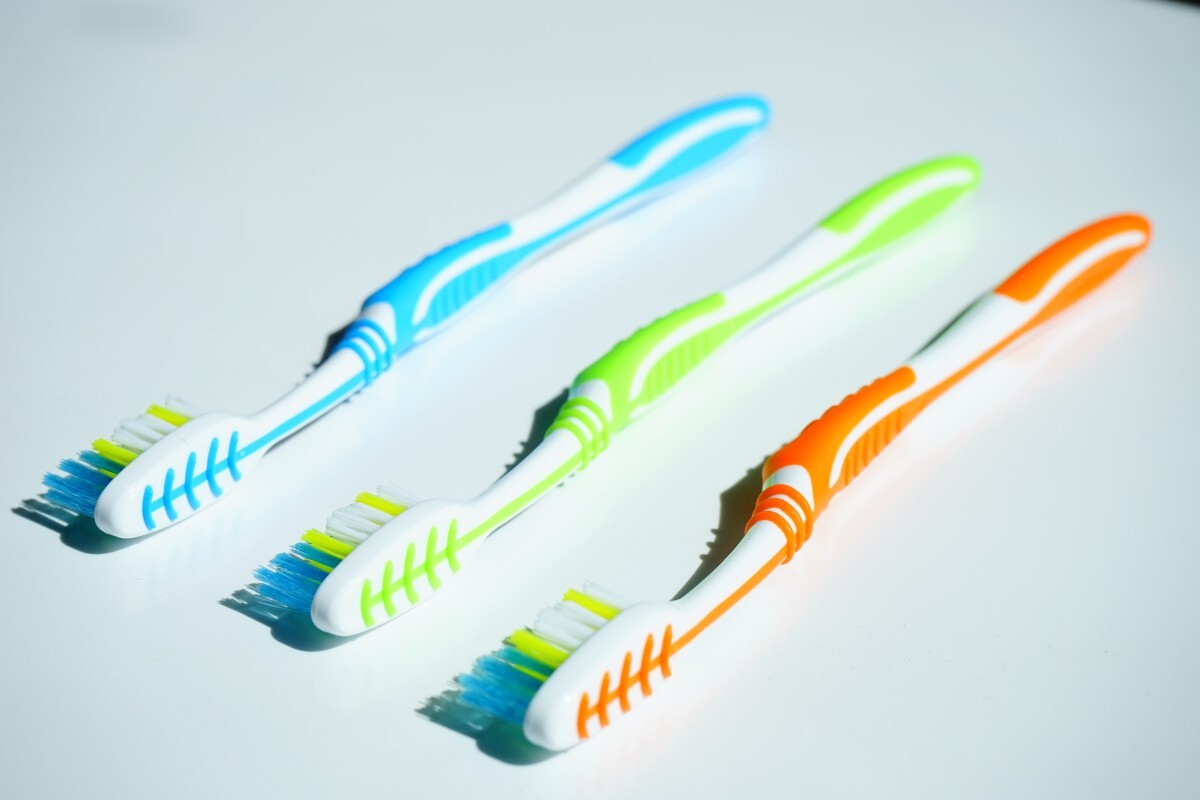
| Toothbrush/Small Brush | Excellent for cleaning decorations and tight corners. | Not suitable for large glass surfaces; can be time-consuming. | Decorations, filter components, crevices. |
Routine for Regular Manual Glass Cleaning
Establishing a consistent cleaning routine is the most effective way to manage algae and maintain a healthy, attractive aquarium. The frequency will depend on your aquarium’s specific conditions, such as lighting, nutrient levels, and stocking density.A good starting point for a routine might look like this:
- Daily (or Every Other Day): Quick check of the glass. If light algae are visible, use a magnetic cleaner for a few minutes or a soft algae pad. This prevents minor buildup from becoming a problem.
- Weekly: Perform a more thorough cleaning using an algae scraper or magnetic cleaner, focusing on any areas with noticeable growth. This is also a good time to clean the outside of the glass.
- Bi-Weekly/Monthly (as needed): For heavier algae, use a scraper with a blade. If algae is particularly stubborn or covers a large area, consider combining scraping with a partial water change to remove dislodged algae.
Consistency is key in algae management. A few minutes of daily or every-other-day maintenance can save hours of intensive cleaning later.
Cleaning Algae from Aquarium Decorations
Decorations in an aquarium, whether artificial or natural, can quickly become unsightly with algae growth. Addressing this is crucial not only for aesthetics but also for the health of your aquatic environment. This section will guide you through effective methods for cleaning various types of aquarium decorations.Maintaining clean decorations contributes to a healthier and more visually appealing aquarium. Algae can smother beneficial bacteria on natural decorations and detract from the overall beauty of artificial ones.
Proper cleaning ensures that these elements enhance, rather than detract from, your underwater landscape.
Removing Algae from Artificial Plants and Ornaments
Artificial decorations are generally robust and can withstand a variety of cleaning methods. The key is to remove the algae without damaging the material or leaving behind any harmful residues.Here are several effective methods for cleaning artificial aquarium decorations:
- Soaking in a Dilute Bleach Solution: For stubborn algae, a soak in a solution of 1 part household bleach to 19 parts water (9:1 ratio for heavily soiled items) can be very effective. Ensure the decorations are completely submerged and soak for no more than 15-20 minutes.
- Scrubbing with a Soft Brush: After soaking, use a soft-bristled toothbrush or a dedicated aquarium cleaning brush to gently scrub away any remaining algae.
- Vinegar Soak: A more natural alternative to bleach is a soak in a white vinegar solution. Mix equal parts white vinegar and aquarium water. This method is effective for loosening algae and mineral deposits.
- Boiling (for heat-resistant items): Some plastic ornaments can be safely boiled in water for a few minutes to kill algae and sanitize them. Ensure the item can withstand high temperatures before attempting this.
Cleaning Natural Decorations like Driftwood and Rocks
Natural decorations require a gentler approach to preserve their integrity and beneficial bacterial colonies. Aggressive cleaning can damage porous surfaces or remove essential elements.The following procedures are recommended for cleaning natural aquarium decorations:
- Manual Removal: For light algae growth, simply use a clean aquarium brush or a soft cloth to gently scrub the algae off. Avoid using any soaps or detergents.
- Scraping (for rocks): For hard rocks, a plastic scraper or an old credit card can be used to carefully scrape away thicker algae patches.
- Boiling (for driftwood): For driftwood, boiling can help to release tannins and kill any surface algae. Submerge the driftwood in a large pot of water and boil for at least 30 minutes. This can also help to waterlog the wood, making it sink more readily.
- Vinegar Rinse: After manual cleaning or soaking, a rinse with a dilute white vinegar solution can help to neutralize any remaining algae and mineral deposits.
Cleaning Live Aquarium Plants Affected by Algae
Live aquarium plants can also be susceptible to algae growth, which can hinder their ability to photosynthesize and thrive. The approach to cleaning these is delicate, aiming to remove algae without harming the plant itself.Here are steps for cleaning live aquarium plants:
- Manual Removal: Gently remove affected leaves or trim back heavily encrusted areas. Use aquarium-safe scissors for precise trimming.
- Dipping: For some plant types, a brief dip in a dilute potassium permanganate solution (follow specific aquarium plant guides for ratios and duration) or a very dilute bleach solution can be effective. This should be done with extreme caution and only for hardy plant species.
- Water Changes and Nutrient Control: The most sustainable way to manage algae on plants is to address the underlying causes, such as excess nutrients or lighting imbalances, through regular water changes and proper fertilization.
Thorough Rinsing of Decorations
After any cleaning process, regardless of the method used, thorough rinsing is paramount. Any residual cleaning agents left on decorations can be toxic to fish and other aquarium inhabitants.The importance of rinsing decorations thoroughly after cleaning cannot be overstated:
Thorough rinsing ensures that no chemical residues remain, protecting your aquarium’s inhabitants from harmful toxins.
This process should involve multiple rinses with clean, dechlorinated water. For decorations that were soaked in bleach or vinegar solutions, rinsing until there is no detectable odor of the cleaning agent is essential.
Process for Removing and Cleaning Decorations Without Stressing Fish
The process of removing and cleaning decorations should be planned to minimize stress on your fish. Sudden removal of large structures can disrupt their environment and territorial boundaries.Here is a structured approach for cleaning decorations while ensuring fish well-being:
- Partial Cleaning: Whenever possible, perform partial cleaning of decorations within the aquarium. This can involve spot-cleaning algae with a brush or scraper without removing the entire item.
- Staggered Removal: If full removal is necessary, do not remove all decorations at once. Remove and clean one or two items at a time, allowing the fish to adjust to the changes.
- Temporary Housing: For more extensive cleaning, consider temporarily housing your fish in a separate, properly conditioned tank or a large container with aquarium water. This allows for thorough cleaning of the main aquarium without the fish present.
- Acclimation Upon Return: When returning cleaned decorations to the aquarium, ensure they are at a similar temperature to the tank water. If fish were temporarily housed, reintroduce them gradually to minimize shock.
- Observe Fish Behavior: After cleaning and reintroducing decorations, closely observe your fish for any signs of stress, such as rapid breathing, hiding, or erratic swimming.
Biological and Chemical Algae Control
While manual cleaning is effective, maintaining a healthy aquarium often involves harnessing nature’s own solutions or employing targeted treatments to keep algae in check. Biological and chemical control methods offer alternative and supplementary approaches to managing algae growth, each with its own set of advantages and considerations. Understanding these methods can help aquarists achieve a balanced and aesthetically pleasing aquatic environment.Biological algae control leverages the natural behaviors of certain aquatic organisms that consume algae.
These “algae eaters” can significantly reduce the amount of algae present, contributing to a cleaner tank and a healthier ecosystem. Chemical control, on the other hand, involves the use of specific compounds designed to inhibit or eliminate algae growth. Both approaches require careful consideration to ensure the well-being of all aquarium inhabitants.
Algae-Eating Fish and Invertebrates
Introducing certain species into your aquarium can provide a natural and ongoing method for algae management. These creatures actively graze on algae, helping to keep glass surfaces, decorations, and plant leaves free from unsightly growth. Their presence can also contribute to the overall health and biodiversity of the aquarium ecosystem.A variety of fish and invertebrates are well-suited for algae control, with their effectiveness often depending on the aquarium type and the specific algae species present.
It is important to research the compatibility and specific dietary needs of any potential additions to ensure they thrive in your setup and do not negatively impact other inhabitants.Here is a list of popular and effective algae-eating species for different aquarium types:
- Freshwater Aquariums:
- Otocinclus Catfish (Oto): Small, peaceful bottom dwellers that are excellent at cleaning glass, leaves, and driftwood. They prefer planted tanks with stable water parameters.
- Siamese Algae Eater (SAE): A more active and robust fish known for its voracious appetite for black beard algae and other stubborn types. They can become territorial as they mature.
- Bristlenose Plecostomus (Bristlenose Pleco): A popular choice for their effectiveness on glass and decorations. They come in various color morphs and are generally peaceful, though larger individuals may require larger tanks.
- Amano Shrimp: Highly efficient algae eaters, particularly adept at consuming hair algae and diatoms. They are peaceful and can coexist with most small to medium-sized fish.
- Ramshorn Snails: While they also consume decaying organic matter, Ramshorn snails will graze on algae. However, their populations can grow rapidly if overfed.
- Saltwater Reef Aquariums:
- Trochus Snails: Excellent grazers that are very effective at cleaning algae from live rock and glass in reef tanks.
- Astrea Snails: Another popular snail for reef tanks, they help keep surfaces clean by consuming various types of algae.
- Emerald Crabs: These small crabs are known for their ability to consume bubble algae, a common nuisance in reef aquariums.
- Tang Species (e.g., Yellow Tang, Blue Tang): Many tangs are primarily herbivorous and will graze on nuisance algae. They require large tanks and a diet supplemented with marine algae.
- Pistol Shrimp: While not primarily algae eaters, some pistol shrimp species will consume algae as part of their diet.
Introducing New Livestock for Algae Control
The decision to introduce new fish or invertebrates for algae control can offer significant benefits, but it also comes with potential drawbacks that must be carefully managed. A well-chosen algae-eating crew can become an integral part of your aquarium’s ecosystem, providing a sustainable solution to algae problems.The primary benefit of introducing algae-eating species is the natural reduction of algae growth.
This can lead to a more visually appealing aquarium and reduce the need for frequent manual cleaning. These organisms can also contribute to nutrient cycling and help maintain water quality. However, it is crucial to consider the potential downsides. Overstocking with algae eaters can lead to competition for food, stress for other inhabitants, and the introduction of diseases. Some species may also have specific dietary needs that must be met, and their waste production needs to be accounted for in the aquarium’s filtration capacity.
It is also important to quarantine new arrivals to prevent the introduction of parasites or diseases.
Aquarium-Safe Algaecides
For situations where biological control is insufficient or a rapid reduction in algae is needed, aquarium-safe algaecides can be a viable option. These products are formulated to target and eliminate algae without harming fish, invertebrates, or beneficial bacteria when used as directed.The effectiveness of algaecides lies in their active ingredients, which disrupt the algae’s cellular processes, leading to its death.
However, it is imperative to use these products with caution and strictly adhere to the manufacturer’s instructions regarding dosage and application. Overdosing can lead to oxygen depletion as the dead algae decomposes, which can be fatal to fish. It is also important to ensure that the algaecide is specifically labeled as safe for use in aquariums with the types of livestock you maintain.
Proper dosage is paramount when using algaecides. Always follow the manufacturer’s instructions precisely, as exceeding the recommended amount can lead to severe consequences for your aquarium inhabitants.
The application process typically involves adding a measured amount of the algaecide to the aquarium water. Some products may require removal of activated carbon from the filter, as it can neutralize the algaecide. Post-treatment, it is often recommended to perform a partial water change to remove dead algae and prevent oxygen depletion.
Biological Versus Chemical Algae Control Effectiveness and Risks
Both biological and chemical algae control methods offer distinct approaches to managing algae in aquariums, each with its own set of benefits and potential risks. Understanding these differences is key to selecting the most appropriate strategy for your specific aquarium situation.Biological control, through the introduction of algae-eating species, offers a sustainable and natural solution. The primary benefit is the ongoing management of algae without the need for constant intervention.
These organisms contribute to the ecosystem’s balance and can help process waste. However, the risks include the potential for overstocking, competition for resources among inhabitants, and the possibility of introducing diseases or parasites with new additions. It also takes time for biological control to become fully effective, and it may not be sufficient for severe algae outbreaks.Chemical control, using algaecides, provides a more immediate solution to algae problems.
The main advantage is its rapid effectiveness in reducing algae growth. However, the risks are significant. Improper dosage can lead to oxygen depletion, stress, or death of fish and invertebrates. Some algaecides can also harm beneficial bacteria essential for the aquarium’s nitrogen cycle, leading to water quality issues. Furthermore, the long-term use of algaecides can be costly and may not address the underlying causes of algae blooms.
It is generally recommended to use algaecides as a last resort or for short-term intervention, while prioritizing biological and environmental solutions for long-term control.
Preventing Algae Recurrence
Maintaining a pristine aquarium free from unsightly algae requires a proactive approach that goes beyond simple cleaning. By understanding the underlying causes of algae blooms and implementing consistent, preventative measures, you can foster a balanced and healthy aquatic environment for your fish and plants. This section Artikels key strategies to keep algae at bay long-term.Algae thrives on an imbalance of light, nutrients, and beneficial biological processes.
Addressing these factors holistically is crucial for preventing its return.
Balancing Aquarium Lighting
Proper lighting is essential for plant growth but can also fuel algae if not managed correctly. The intensity, duration, and spectrum of light all play a significant role.
To effectively balance aquarium lighting for algae prevention, consider the following:
- Duration: Limit the daily photoperiod to 6-8 hours. Algae utilizes light for photosynthesis just like plants, so excessive light exposure directly encourages its growth. Using an automatic timer is highly recommended to ensure consistency and prevent accidental over-illumination.
- Intensity: Ensure the light intensity is appropriate for the plants in your aquarium. Overly powerful lights for low-light plants can lead to nutrient depletion in the water column, which algae can readily exploit. Conversely, insufficient light can stress plants, making them susceptible to algae. Research the specific light requirements of your plant species.
- Spectrum: While less critical for basic algae control than duration and intensity, a light spectrum that favors plant growth can indirectly help by promoting robust plant development, which outcompetes algae for resources. Avoid lights with excessively high red or blue wavelengths if algae is a persistent issue, as these can sometimes stimulate algal blooms.
- Placement: Position lights so they are not directly illuminating the tank from the sides, which can encourage algae growth on the glass where it is most visible. Ensure the light covers the entire tank area to promote even plant growth.
Managing Nutrient Levels
Nutrients, particularly nitrates and phosphates, are the primary food source for algae. Controlling their levels in the aquarium water is paramount.
Effective nutrient management involves several key practices:
- Controlled Feeding: Overfeeding is a common cause of excess nutrients. Feed your fish only what they can consume within 2-3 minutes, once or twice a day. Uneaten food decomposes, releasing ammonia, which is then converted to nitrates.
- Plant Fertilization: If you have live plants, ensure you are fertilizing them appropriately. Under-fertilized plants may not be able to utilize all available nutrients, leaving them for algae. However, over-fertilizing can also lead to nutrient spikes. Dose fertilizers according to plant needs and aquarium size.
- Phosphate Control: Phosphates can enter the aquarium from various sources, including tap water, certain fish foods, and decaying organic matter. Regular water changes help dilute phosphates. For stubborn cases, phosphate-removing media can be used in filters.
- Nitrate Reduction: While nitrates are less toxic than ammonia or nitrites, high levels fuel algae. Live plants are excellent nitrate consumers. A robust plant population can significantly help in keeping nitrate levels in check.
Regular Water Changes
Performing regular water changes is a cornerstone of aquarium maintenance and a highly effective method for algae prevention.
The impact of regular water changes on algae prevention is multifaceted:
- Nutrient Dilution: Water changes directly remove accumulated nitrates and phosphates from the aquarium water, thereby starving algae. A typical recommendation is to change 20-30% of the aquarium water weekly.
- Replenishment of Trace Elements: While removing excess nutrients, water changes also replenish essential trace elements that plants need for healthy growth. This supports plant health, allowing them to compete more effectively with algae.
- Improved Water Quality: Regular changes help maintain overall water quality, reducing stress on fish and creating a more stable environment where algae is less likely to proliferate unchecked.
Maintaining Aquarium Filters
The aquarium filter is a critical component of the ecosystem, responsible for removing waste and maintaining water clarity. Proper filter maintenance prevents nutrient buildup that can fuel algae.
To ensure your filter effectively contributes to algae prevention, follow these maintenance guidelines:
- Regular Cleaning: Clean filter media (sponges, cartridges, ceramic rings) regularly, but never all at once. Rinse media in used aquarium water (removed during a water change) to preserve beneficial bacteria colonies. Cleaning in tap water can kill these bacteria, leading to a cycle of ammonia spikes and subsequent nutrient issues.
- Media Replacement: Replace disposable filter cartridges only when they are falling apart or severely clogged, and even then, try to introduce new media gradually to allow bacteria to colonize it. Avoid replacing all filter media simultaneously.
- Filter Flow Rate: Ensure the filter maintains adequate water flow. A clogged filter will have reduced flow, meaning less waste is being processed and potentially leading to nutrient accumulation. Check and clean the filter intake and impeller regularly.
- Mechanical, Biological, and Chemical Filtration: Understand the role of each type of media. Biological media (like ceramic rings or bio-balls) should ideally never be replaced, only rinsed. Mechanical media (sponges) trap debris and should be rinsed. Chemical media (like activated carbon) can be replaced periodically as they become exhausted.
Comprehensive Plan for Long-Term Algae Prevention
A successful long-term algae prevention strategy involves integrating all the previously discussed elements into a consistent routine. It’s about creating a balanced ecosystem where algae has fewer opportunities to establish itself.
A comprehensive plan should include:
- Establish a Consistent Lighting Schedule: Utilize an automatic timer to maintain a strict 6-8 hour photoperiod daily. Adjust intensity based on plant needs and monitor for any signs of algae.
- Implement a Regular Feeding Routine: Feed fish sparingly, ensuring all food is consumed within a few minutes. Avoid overfeeding at all costs.
- Conduct Weekly Water Changes: Perform 20-30% water changes every week to dilute nutrients and maintain water quality. Use dechlorinated water.
- Maintain Live Plant Health: Ensure your plants are healthy and growing vigorously. Research their specific lighting and fertilization needs and adjust accordingly. Consider adding fast-growing plants that are efficient nutrient consumers.
- Filter Maintenance Protocol: Clean filter media in used tank water on a staggered schedule, ensuring no more than a third of the biological media is disturbed at any one time. Monitor filter flow rate.
- Regular Observation: Dedicate time each day to observe your aquarium. Early detection of algae is key to preventing a major bloom. Address any small outbreaks immediately using manual cleaning methods.
- Consider Algae-Eating Inhabitants: Introduce appropriate algae-eating fish, snails, or shrimp that are compatible with your tank inhabitants and conditions. These can be a valuable part of your algae control strategy.
- Monitor Water Parameters: Periodically test your water for nitrates, phosphates, and pH to identify potential imbalances before they become problematic.
By diligently following these steps, you can create a stable and beautiful aquarium environment that minimizes the chances of recurring algae problems, ensuring a healthier and more enjoyable experience for both you and your aquatic life.
Visualizing Algae Cleaning Processes
Understanding how algae removal looks and what it signifies is crucial for maintaining a thriving aquarium. Visualizing these processes helps in identifying problems early and executing solutions effectively. This section will guide you through the visual aspects of cleaning algae from your aquarium’s glass and decorations, as well as recognizing the visual cues that indicate underlying issues.
Algae Scraper Technique for Aquarium Glass
The effective use of an algae scraper on aquarium glass involves a systematic approach to ensure thorough cleaning without damaging the glass or disturbing the substrate. The visual result is a crystal-clear view into your aquatic world.
Imagine holding an algae scraper, its blade gliding smoothly across the inner surface of your aquarium glass. The key is to employ deliberate, overlapping strokes. Start at one corner and move the scraper horizontally or vertically across the glass. Each pass should slightly overlap the previous one, ensuring no streaks or missed spots are left behind. The algae, whether a thin film or thicker patches, will be lifted and suspended in the water column, ready to be filtered out or siphoned during a water change.
For stubborn algae, a gentle back-and-forth motion can be employed, but always maintain even pressure to avoid scratching the glass.
Appearance of Various Algae Types Before and After Cleaning
Different types of algae present distinct visual challenges and require varied approaches for removal. Observing their appearance before and after cleaning provides a clear indicator of success and the nature of the infestation.
- Green Algae (Planktonic and Filamentous): Before cleaning, planktonic green algae can make the water appear murky or greenish. Filamentous green algae appear as fuzzy or hair-like strands attached to surfaces. After effective cleaning with an algae scraper or brush, the water becomes clear, and surfaces are free from the fuzzy growth.
- Diatom Algae (Brown Algae): This type often appears as a thin, brown, slimy coating on glass, rocks, and plant leaves, particularly in newer tanks. It’s easily wiped away with a cloth or scraper, leaving a clean, clear surface.
- Blue-Green Algae (Cyanobacteria): This presents as a dark green, blue-green, or sometimes blackish slimy mat that can cover surfaces and even suffocate plants. It often has a distinct, unpleasant odor. Removal involves siphoning, scraping, and often treatment with specific remedies, resulting in a clean, odor-free environment.
- Red Slime Algae (Another form of Cyanobacteria): Similar to blue-green algae but reddish-brown, it forms a slimy film. Manual removal and addressing nutrient imbalances are key, leading to a clear and healthy appearance.
- Black Beard Algae (BBA): This tough algae appears as short, bristly black or dark red tufts, typically on plant leaves, driftwood, or equipment. It’s challenging to remove manually and often requires targeted treatments and improved water flow, eventually resulting in its absence from the tank.
Gentle Scrubbing of Artificial Plants
Artificial plants can accumulate a green film, similar to algae, which detracts from their aesthetic appeal and can harbor undesirable organisms. A gentle cleaning process restores their vibrant appearance.
To clean artificial plants, gently remove them from the aquarium. Prepare a bucket with lukewarm water and a small amount of aquarium-safe cleaner or a mild bleach solution (ensure thorough rinsing if using bleach). Submerge the artificial plants and use a soft brush or a clean cloth to gently scrub away the green film. Focus on the leaves and stems, working your way around each part.
The goal is to dislodge the film without tearing or damaging the plastic or silk material. After scrubbing, rinse the plants thoroughly under clean running water to remove all traces of the cleaning agent. The visual transformation is striking, with the artificial plants regaining their original color and texture, appearing as good as new.
Visual Cues of Over-fed or Over-lit Aquariums
The aquarium environment itself provides visual clues that can indicate underlying issues contributing to algae growth. Recognizing these signs is the first step in addressing the root cause.
An over-fed aquarium often exhibits an oily sheen on the water’s surface, a sign of excess organic waste. Uneaten food particles may also be visible settling on the substrate or decorations. In terms of lighting, an over-lit aquarium might show algae growth that is particularly rapid and widespread, often appearing on all surfaces exposed to the light. You might also notice plants that appear stressed or have algae growing on them, which can be an indicator that the light intensity or duration is too high for the nutrient levels in the tank.
Conversely, a tank with insufficient flow might show algae accumulating in stagnant areas.
The Look of a Healthy, Algae-Free Aquarium Environment
A truly healthy aquarium is a visual delight, characterized by clarity, vibrancy, and balance. The absence of excessive algae is a hallmark of a well-maintained ecosystem.
A healthy, algae-free aquarium environment is one where the water is crystal clear, allowing for an unobstructed view of the inhabitants and aquascaping. The glass surfaces are pristine, free from any slimy coatings or visible growth. Decorations, whether natural or artificial, are clean and vibrant, showcasing their intended colors and textures. Live plants, if present, are lush and healthy, with new growth appearing regularly.
The substrate is clean, and there are no visible signs of uneaten food or excessive detritus. The overall impression is one of a balanced, thriving aquatic ecosystem where the focus is on the beauty and activity of the fish and invertebrates, rather than on managing an algae problem.
Last Word
Successfully navigating the challenges of aquarium algae is an ongoing journey, and by applying the techniques discussed, you can confidently tackle How to Clean Algae Off Aquarium Glass and Decorations. Embracing a holistic approach that combines regular maintenance, informed biological balance, and careful environmental control will lead to a consistently clear and thriving aquatic ecosystem, allowing you to fully appreciate the beauty of your underwater world.