Embarking on the journey of setting up a new aquarium is an exciting endeavor, and understanding how to deal with cloudy water in a new aquarium is a crucial part of ensuring a thriving aquatic environment. This guide delves into the common causes of initial cloudiness, helping you distinguish between harmless bacterial blooms and problematic debris, and Artikels effective strategies for achieving crystal-clear water.
We will explore the science behind the hazy appearance, the visual cues to identify different types of cloudiness, and the immediate, practical steps you can take to improve water quality. From mastering mechanical and biological filtration to understanding when and how to use helpful additives, this comprehensive overview is designed to equip you with the knowledge to navigate this common challenge with confidence.
Understanding the Causes of Cloudy Water in a New Aquarium
/GettyImages-1149086859-0d1c54f411664610a9a01f6b12923baa.jpg "Cloudy Aquarium Water Causes and Cures")
It is a common and often concerning experience for new aquarium hobbyists to observe cloudy water shortly after setting up their tank. This initial haze is typically a sign that the aquarium’s ecosystem is still establishing itself and has not yet reached a stable state. While it can be visually unappealing, understanding the underlying causes can alleviate anxiety and guide effective management.The cloudiness in a new aquarium is primarily a result of two main factors: bacterial blooms and suspended particulate matter.
Both are natural components of the cycling process and, in most cases, resolve on their own as the aquarium matures. Recognizing the difference between these causes is key to determining the appropriate course of action.
Bacterial Blooms
Bacterial blooms are a frequent culprit behind cloudy water in new aquariums. These blooms occur when there is a sudden and significant increase in the population of heterotrophic bacteria, which feed on organic waste. In a new tank, this waste can originate from uneaten food, decaying plant matter, or even the initial breakdown of substrate materials.The bacteria responsible for these blooms are often free-floating in the water column, giving it a milky or cloudy appearance.
These are distinct from the beneficial nitrifying bacteria that will eventually colonize the filter media and substrate to process ammonia and nitrite.
Suspended Particulate Matter
Another common cause of cloudy water is the presence of fine particles suspended in the water. This debris can come from various sources, including:
- Disturbed substrate during setup.
- Fine dust from new decorations or substrate materials.
- Undissolved food particles.
- Tiny fragments from decaying organic matter.
These particles, though often harmless, scatter light and contribute to the overall haziness of the water.
Typical Timeline for Resolution
The cloudiness associated with bacterial blooms and suspended debris in a new aquarium is usually a temporary phase. Most aquariums will see the water clear up naturally within a period of one to four weeks. This timeline is dependent on the aquarium’s size, stocking levels, filtration capacity, and the rate at which the nitrogen cycle establishes.
“The initial phase of aquarium cycling is characterized by biological instability, where rapid population fluctuations of microorganisms lead to transient water clarity issues. Patience is a virtue during this critical period.”
Stages of the Nitrogen Cycle and Water Clarity
The nitrogen cycle is a fundamental biological process in aquariums that directly impacts water quality and, consequently, clarity. Certain stages of this cycle can contribute to a hazy appearance.The nitrogen cycle progresses through several key stages:
- Ammonia Spike: In a new aquarium, ammonia levels rise as organic waste breaks down. This is the initial food source for heterotrophic bacteria, potentially leading to blooms.
- Nitrite Spike: As beneficial nitrifying bacteria (Nitrosomonas) colonize and begin to convert ammonia to nitrite, nitrite levels will rise. While not directly causing cloudiness, the associated bacterial activity can contribute.
- Nitrate Accumulation: As a second group of nitrifying bacteria (Nitrobacter) converts nitrite to nitrate, nitrite levels will fall, and nitrate levels will begin to climb. This is generally when the water starts to clear as the primary bacterial blooms subside.
The initial cloudiness is most pronounced during the ammonia and early nitrite stages, as the heterotrophic bacteria populations boom before the nitrifying bacteria populations become established enough to manage the waste effectively. Once the nitrifying bacteria are well-established, they outcompete the heterotrophic bacteria for resources, leading to the decline of the bloom and clearer water.
Differentiating Between Types of Aquarium Cloudiness
Understanding the different types of cloudiness is crucial for effective troubleshooting. Not all cloudy water is the same, and identifying the specific cause will guide you toward the most appropriate solution for your new aquarium. This section will help you visually distinguish between common forms of aquarium cloudiness.
Bacterial Bloom Cloudiness
Bacterial bloom cloudiness typically manifests as a milky white or hazy appearance in the water. This is often one of the first signs of a new aquarium establishing its nitrogen cycle. The water might feel slightly “slimy” if you were to dip your hand in it, though this is not a recommended diagnostic method. The texture is uniformly dispersed, meaning the cloudiness is spread evenly throughout the water column and doesn’t settle quickly.
The appearance of bacterial bloom can be described as:
- Color: Milky white to slightly opaque.
- Texture: Fine, powdery, and evenly distributed.
- Settling: Does not settle quickly; remains suspended.
- Duration: Often temporary, resolving on its own as the aquarium matures.
Sediment-Based Cloudiness
Sediment-based cloudiness is characterized by suspended particles that are larger and more distinct than those in a bacterial bloom. This type of cloudiness often appears grayish or brownish and may be caused by disturbances in the substrate, uneaten food, or decaying organic matter. Unlike bacterial blooms, sediment particles tend to settle to the bottom of the aquarium over time.
The appearance of sediment-based cloudiness can be described as:
- Color: Grayish, brownish, or a mix of colors depending on the source material.
- Texture: Visible particles, sometimes appearing as small flakes or grit.
- Settling: Tends to settle to the substrate over hours or days.
- Cause: Physical disturbance, overfeeding, or insufficient filtration.
Comparing Cloudiness Types and Their Impact
The impact of different types of cloudiness on fish health and water quality varies significantly. Bacterial blooms, while visually unappealing, are often a sign of a healthy process and usually do not harm fish directly, provided the ammonia and nitrite levels are managed. In contrast, sediment-based cloudiness can be detrimental. Suspended particles can irritate fish gills, clog filter intakes, and indicate poor water conditions that could lead to ammonia spikes.
Here is a comparison of the impacts:
| Cloudiness Type | Visual Characteristics | Impact on Fish Health | Impact on Water Quality |
|---|---|---|---|
| Bacterial Bloom | Milky white, uniform, fine particles | Generally low risk; can be a sign of a healthy cycle | Temporary; indicates an active biological process |
| Sediment-Based | Grayish/brownish, larger particles, settles | Potential gill irritation, stress, indicates poor conditions | Can clog filters, indicates poor waste management, potential for ammonia spikes |
Recognizing Milky White Versus Grayish or Brownish Cloudy Water
Distinguishing between milky white and grayish or brownish cloudy water is a key diagnostic step.
A descriptive guide for recognition:
- Milky White Cloudiness: Imagine looking through a glass of milk. This is the typical appearance of a bacterial bloom. The entire water column is uniformly opaque, and you cannot see individual particles clearly. It often appears very suddenly and can make the aquarium look like it’s filled with fog. This type of cloudiness is commonly observed in new aquariums as the beneficial bacteria colonize.
- Grayish or Brownish Cloudiness: This appearance is more akin to looking through murky water that has dirt or sand stirred up. You might be able to discern individual particles or flakes suspended in the water, especially when light shines on them. Grayish cloudiness can sometimes be linked to uneaten food or detritus. Brownish cloudiness might suggest tannins from driftwood or decaying plant matter, or it could be stirred-up substrate.
This type of cloudiness often indicates a physical disturbance or a problem with waste breakdown.
Immediate Steps to Address Cloudy Water
While understanding the causes of cloudy water is crucial, taking prompt action can help stabilize your new aquarium environment. These immediate steps are designed to gently guide your tank towards clarity without disrupting the beneficial bacteria that are just beginning to establish themselves. It’s important to remember that patience is a key virtue when setting up a new aquarium, and a little cloudiness is often a normal part of the cycling process.The following procedures focus on making small, impactful changes to improve water quality without overwhelming your nascent ecosystem.
These are not meant to be a cure-all but rather supportive actions to help your aquarium clear up naturally.
Performing a Partial Water Change
A partial water change is one of the most effective immediate actions you can take to reduce cloudiness. It helps to dilute the suspended particles causing the turbidity and removes excess organic matter that might be contributing to the problem.Follow these steps for a successful partial water change:
- Prepare the New Water: Before you begin, condition your new tap water using a high-quality dechlorinator. This is essential to neutralize chlorine and chloramines, which are harmful to fish and beneficial bacteria. Ensure the temperature of the new water closely matches the existing aquarium water to avoid shocking your inhabitants.
- Siphon Water Out: Using an aquarium gravel vacuum or siphon, carefully remove approximately 10-20% of the aquarium’s water. As you siphon, gently agitate the substrate to remove any trapped debris, but avoid disturbing it excessively.
- Add New Water: Slowly and gently add the prepared, dechlorinated water back into the aquarium. Pouring the water onto a decoration or a flat surface can help prevent excessive disturbance of the substrate and any newly settled beneficial bacteria.
- Observe: After the water change, monitor the water for clarity. You may notice an immediate improvement, or it might take a few hours for the effects to become apparent.
Avoiding Over-Cleaning During New Aquarium Cloudiness
It is critical to resist the urge to over-clean or perform a full water change when dealing with cloudiness in a new aquarium. The cloudiness is often a sign of the nitrogen cycle establishing, which involves a bloom of heterotrophic bacteria that feed on organic waste. Aggressive cleaning can remove these beneficial bacteria, setting back the cycling process and potentially leading to ammonia or nitrite spikes.A full water change, especially in a new tank, can drastically alter water parameters and stress the aquarium’s inhabitants.
It also removes a significant portion of the developing bacterial colonies.
The goal with a new aquarium is to support, not eradicate, the biological processes that lead to clear water.
Aquarium Filter Operation During Cloudiness
Continue running your aquarium filter at all times during this phase. The filter is essential for housing beneficial bacteria, which are crucial for breaking down waste and establishing a healthy aquarium ecosystem. The filter’s mechanical media also helps to trap some of the suspended particles that cause cloudiness.However, if you notice that the filter intake is becoming clogged with debris and reducing flow, you can perform a gentle rinse of the mechanical filter media in used aquarium water (water removed during a partial water change).
Never rinse filter media under tap water, as the chlorine will kill the beneficial bacteria.
The Role of Dechlorinator
Dechlorinator is an indispensable component when performing water changes, particularly in a new aquarium. Tap water contains chlorine and chloramines, which are highly toxic to fish and the beneficial bacteria essential for the nitrogen cycle.
Always add a dechlorinator to new tap water before it enters your aquarium.
Follow the dosage instructions on the product’s packaging. Most dechlorinators work quickly to neutralize these harmful chemicals, making the water safe for your aquarium inhabitants and the developing bacterial colonies. Applying it to the new water before it is added to the tank is the most effective method.
Utilizing Mechanical Filtration to Clear Water
Mechanical filtration is your first line of defense against the particulate matter that causes cloudy water in a new aquarium. This type of filtration physically traps debris, preventing it from circulating and contributing to murkiness. Effectively managing your mechanical filter is crucial for achieving clear water quickly.Mechanical filtration works by passing aquarium water through a porous material that captures suspended particles.
As these particles accumulate, the filter media becomes clogged, reducing water flow and its effectiveness. Regular cleaning or replacement of this media is therefore paramount to maintaining optimal filtration performance and restoring water clarity.
Cleaning or Replacing Mechanical Filter Media
The process of cleaning or replacing mechanical filter media depends on the type of material used in your filter. The goal is always to remove trapped debris without sterilizing the media, as beneficial bacteria colonize these surfaces.For filter sponges or foam, a gentle rinse in removed aquarium water is recommended.
- Perform this cleaning during a partial water change to utilize the removed tank water.
- Gently squeeze the sponge multiple times in the bucket of old tank water to dislodge trapped debris.
- Avoid rinsing under tap water, as chlorine can kill beneficial bacteria.
- If a sponge is significantly degraded or falling apart, it may be time for replacement.
Filter floss or batting is typically a disposable media.
- When it becomes visibly clogged and reduces water flow, it should be replaced entirely.
- Do not attempt to wash filter floss, as it will lose its effectiveness and can disintegrate.
- Replace it with fresh floss of the appropriate grade for your filter.
Sequence of Actions for Improving Mechanical Filtration Effectiveness
To maximize the impact of mechanical filtration on a cloudy aquarium, a structured approach is beneficial. This ensures that the filter is operating at its peak efficiency to remove suspended particles.Begin by assessing the current state of your mechanical filter media.
- Turn off the aquarium filter.
- Carefully remove the mechanical filter media (sponges, floss).
- If using sponges, rinse them thoroughly in a bucket of old aquarium water removed during a water change. Squeeze out as much debris as possible.
- If using filter floss, discard the old floss and replace it with new floss.
- Reassemble the filter and restart it.
- Monitor water clarity over the next 24-48 hours.
- If cloudiness persists and the mechanical media clogs quickly again, consider increasing the amount or surface area of mechanical filtration.
Demonstrating the Use of Filter Floss or Sponges for Enhanced Particle Capture
Filter floss, also known as filter batting or poly-fill, is an excellent material for capturing fine particulate matter. It is often used as a final polishing stage in a filter. Sponges, on the other hand, provide both mechanical and biological filtration.Filter floss is designed to trap very small particles that might pass through coarser media.
- It is typically placed in the last stage of mechanical filtration within a filter system.
- When using filter floss, ensure it is packed snugly but not so tightly that it restricts water flow excessively.
- Regular replacement of filter floss is crucial as it clogs relatively quickly.
Sponges offer a dual benefit.
- Their porous structure physically traps debris.
- They also provide a large surface area for beneficial bacteria to colonize, contributing to the nitrogen cycle.
- Using sponges of varying pore sizes can improve particle capture from larger to smaller.
- For particularly stubborn cloudiness, consider adding an extra sponge or a larger sponge to your filter if space allows.
The Concept of “Over-filtration” and Its Benefits During the Initial Cloudiness Period
“Over-filtration” in an aquarium context refers to using a filter that is rated for a larger tank volume than you currently have. While not always necessary for established tanks, it can be highly beneficial during the initial cycling and cloudiness phase of a new aquarium.Over-filtration provides a significant advantage by increasing the rate at which water is processed and filtered.
- A more powerful or larger filter means more water is being circulated through the mechanical media per hour.
- This leads to a faster removal of suspended particles, thus clearing cloudy water more rapidly.
- It also provides a larger capacity for beneficial bacteria to establish, which can help process waste more efficiently as the aquarium matures.
- For instance, if you have a 20-gallon tank, using a filter rated for a 30 or 40-gallon tank can significantly improve water clarity during the initial setup period.
- This increased filtration capacity acts as a buffer against the inevitable fluctuations in water quality common in new aquariums.
The Role of Biological Filtration and Maturation
While mechanical filtration works diligently to remove visible particles, the unseen heroes in achieving clear aquarium water are the beneficial bacteria responsible for biological filtration. In a new aquarium, these essential microorganisms are still establishing their colonies, a process known as cycling. This biological maturation is crucial for breaking down harmful waste products and is a key factor in the long-term clarity and health of your aquatic environment.The establishment of a robust biological filter is a cornerstone of a stable aquarium ecosystem.
Beneficial bacteria, primarily Nitrosomonas and Nitrobacter, colonize porous surfaces within your filter media. Nitrosomonas bacteria convert toxic ammonia, produced by fish waste and uneaten food, into nitrite, which is also highly toxic. Subsequently, Nitrobacter bacteria convert nitrite into nitrate, a much less harmful substance that can be managed through regular water changes or by aquatic plants. This entire process is known as the nitrogen cycle, and its successful establishment is fundamental to water clarity and fish well-being.
Establishing Beneficial Bacteria Colonies
The process of establishing beneficial bacteria colonies in a new aquarium is a gradual but vital one. It begins with the introduction of an ammonia source, either through fish food or a pure ammonia solution, which feeds the initial colonization of Nitrosomonas bacteria. As ammonia levels rise and then fall, Nitrobacter bacteria begin to flourish, consuming the nitrite produced. This cycle continues until both ammonia and nitrite consistently read zero, indicating a mature biological filter capable of processing waste efficiently.
Contribution of a Healthy Biological Filter to Water Clarity
A healthy and mature biological filter directly contributes to water clarity by effectively processing dissolved organic waste. As the beneficial bacteria break down ammonia and nitrite, they prevent these toxins from accumulating and causing stress to aquatic life. Furthermore, a balanced ecosystem, supported by a strong biological filter, is less prone to outbreaks of algae or other microorganisms that can cause cloudiness.
Over time, as the bacterial colonies mature, they create a stable environment where waste is efficiently converted, leading to consistently clear water.
Actions Supporting Rapid Nitrogen Cycle Development
Supporting the rapid development of the nitrogen cycle is paramount for a healthy aquarium. This involves providing the necessary conditions for beneficial bacteria to thrive and multiply efficiently.Here are key actions to support the rapid development of the nitrogen cycle:
- Introduce an Ammonia Source: This is the primary food for the first stage of bacteria. You can use a small amount of fish food daily, a piece of raw shrimp, or a liquid ammonia solution specifically designed for aquarium cycling.
- Maintain Stable Water Parameters: Avoid drastic changes in temperature, pH, or water hardness, as these can stress developing bacteria. Consistent conditions promote growth.
- Ensure Adequate Oxygenation: Beneficial bacteria require oxygen to survive and reproduce. Ensure good surface agitation from your filter output or an air stone.
- Avoid Over-Cleaning the Filter: While mechanical media needs occasional rinsing, avoid cleaning it with tap water, which can kill bacteria. Rinse it in used aquarium water during a water change.
- Utilize a Bacterial Supplement: Commercially available live nitrifying bacteria products can significantly speed up the cycling process by introducing a starter culture of beneficial bacteria.
- Monitor Ammonia and Nitrite Levels: Regularly test your water for ammonia and nitrite. The cycle is complete when both consistently read 0 ppm.
Introducing Fish After Water Clarity Improves
The visual improvement of water clarity is a positive sign, but it should not be the sole indicator for introducing fish. While a clearer tank suggests mechanical filtration is working and initial waste is being processed, the biological filter must be fully established to handle the waste load from fish.The safest approach is to wait until your water tests consistently show zero ammonia and zero nitrite.
This indicates that your biological filter is mature enough to process fish waste safely. Introducing fish too early, even in a clear tank, can lead to ammonia or nitrite spikes, which are detrimental to their health. A good rule of thumb is to wait at least 4-6 weeks for natural cycling, or significantly less if using bacterial supplements and closely monitoring test results.
When introducing fish, do so gradually, adding only a few at a time, to allow the biological filter to adjust to the increasing bioload.
Advanced Techniques and Additives for Water Clarity
While mechanical and biological filtration are the cornerstones of maintaining clear aquarium water, certain advanced techniques and additives can provide an extra boost, especially during the initial setup phase or when dealing with stubborn cloudiness. These methods should be used judiciously and with an understanding of their mechanisms to ensure they benefit your aquarium’s ecosystem rather than harm it.
Aquarium Water Clarifiers: Function and Application
Aquarium water clarifiers are substances designed to aggregate microscopic particles suspended in the water column, making them larger and easier for filtration systems to capture. These particles, often too small to be effectively trapped by filter media, contribute to the hazy appearance of the water. Clarifiers work by altering the electrical charge of these suspended particles, causing them to clump together through a process called flocculation.
Once aggregated, these larger clumps are then readily removed by mechanical filtration, leading to significantly clearer water.The application of aquarium water clarifiers typically involves adding a specific dosage, usually measured in milliliters per gallon or liter, directly into the aquarium water. It is crucial to follow the manufacturer’s instructions precisely, as overdosing can lead to adverse effects. After adding the clarifier, it is recommended to ensure that the mechanical filtration is running optimally to effectively remove the newly formed clumps.
Some clarifiers may require the filter intake to be temporarily covered to prevent larger clumps from being immediately sucked into the filter, allowing them more time to settle or aggregate.
Effectiveness of Different Aquarium Clarifier Types
Aquarium water clarifiers can be broadly categorized by their primary mechanism of action, with some relying on chemical reactions and others on natural processes.
- Chemical Flocculants: These are the most common type of clarifier. They typically contain positively charged ions that neutralize the negative charges on suspended particles. This neutralization reduces the repulsion between particles, allowing them to attract and bind to each other, forming larger flocs. Examples include products based on aluminum or iron salts, though aquarium-specific formulations are generally safer and designed for aquatic environments.
Their effectiveness is rapid, often showing results within hours.
- Enzyme-Based Clarifiers: These clarifiers utilize enzymes to break down organic waste and uneaten food, which are common culprits for cloudy water. By decomposing these materials into smaller, more manageable components, they reduce the overall load of suspended solids. While they contribute to clarity, their primary benefit is in waste management, and their effect on existing cloudiness might be slower compared to chemical flocculants.
- Natural/Mineral-Based Clarifiers: Some products use naturally occurring minerals or zeolites to bind with impurities. These can absorb certain dissolved organic compounds and also help to aggregate fine particles. Their action is often gentler and may contribute to improved water quality over a longer period.
The choice of clarifier depends on the specific cause of the cloudiness. For immediate results with particulate matter, chemical flocculants are often the most effective. For ongoing issues related to organic waste, enzyme-based clarifiers can be beneficial.
Potential Risks and Benefits of Chemical Additives for Water Clarity
The use of chemical additives for water clarity presents a balance of advantages and potential drawbacks that aquarists must carefully consider.
Benefits:
- Rapid Improvement: Chemical clarifiers can quickly address unsightly cloudiness, making the aquarium visually appealing in a relatively short timeframe. This is particularly useful for new tanks experiencing bacterial blooms or when hosting guests.
- Ease of Use: Most chemical additives are simple to dose and require minimal effort from the aquarist.
- Targeted Action: Some additives are specifically formulated to target certain types of cloudiness, such as white haze from bacterial blooms or green water from algae.
Risks:
- Over-Reliance: Relying solely on chemical additives can mask underlying issues, such as overfeeding, inadequate filtration, or poor water quality management. This can lead to a false sense of security and neglect of essential maintenance practices.
- Impact on Beneficial Bacteria: While most aquarium-specific clarifiers are designed to be safe for the nitrogen cycle, some aggressive chemical treatments could potentially disrupt the delicate balance of beneficial bacteria, especially in a newly established tank.
- Accumulation of Byproducts: Some chemical reactions can produce byproducts that, if not efficiently removed by filtration, could accumulate in the water and potentially affect sensitive inhabitants.
- Temporary Solution: Chemical clarifiers often address the symptom (cloudiness) rather than the root cause. Without addressing the source of the particles, the cloudiness may return once the clarifier’s effect wears off.
It is paramount to use these additives as a temporary aid and not as a substitute for proper aquarium husbandry.
Appropriate Use of Beneficial Bacteria Starter Cultures
Beneficial bacteria starter cultures are invaluable tools for establishing a healthy nitrogen cycle in a new aquarium, but their effectiveness and safe application require careful attention. These products introduce live nitrifying bacteria that colonize the filter media and aquarium surfaces, converting toxic ammonia and nitrite into less harmful nitrate.When using beneficial bacteria starter cultures, it is essential to understand their role and how to optimize their performance:
- Timing is Key: Introduce starter cultures as early as possible in the aquarium’s lifecycle, ideally when first setting up the tank and adding water and substrate. This provides the bacteria with a suitable environment to establish themselves before significant waste is produced.
- Follow Manufacturer Instructions: Each brand of starter culture may have specific dosing recommendations and storage instructions. Adhering to these guidelines is crucial for ensuring the viability and efficacy of the bacteria.
- Maintain Consistent Conditions: For optimal bacterial growth, maintain stable water parameters, including temperature and pH. Fluctuations can stress or kill the introduced bacteria.
- Avoid Over-Filtration: While strong filtration is necessary, avoid excessively high flow rates that could dislodge newly colonized bacteria from their surfaces.
- Do Not Overdose: While generally safe, excessive doses of some bacterial supplements can sometimes lead to temporary cloudiness as the bacteria multiply rapidly. Stick to the recommended dosage.
- Patience is Required: Even with starter cultures, the nitrogen cycle takes time to mature. Do not expect crystal-clear water immediately. Monitor ammonia and nitrite levels regularly to track the progress of the cycle.
- Combine with Ammonia Source: To feed the bacteria and encourage their growth, it is beneficial to add a small source of ammonia, such as a tiny piece of fish food or pure liquid ammonia (carefully dosed), after adding the starter culture. This provides the bacteria with the necessary sustenance to multiply.
“Beneficial bacteria starter cultures accelerate the establishment of a robust nitrogen cycle, transforming a new aquarium into a safe habitat for aquatic life.”
By following these guidelines, aquarists can effectively leverage beneficial bacteria starter cultures to promote rapid and stable biological filtration, thereby contributing to clear and healthy aquarium water.
Preventing Future Cloudiness
/SPR_1378803-cloudy-aquarium-water-5acf760a3037130037ca426a.png "This Is What Cloudy Aquarium Water Means and How To Fix It | PawTracks")
Maintaining a crystal-clear aquarium is an ongoing process that requires consistent attention to detail and a proactive approach. By implementing a few key practices, you can significantly reduce the likelihood of experiencing cloudy water issues in your established aquarium. This section Artikels essential strategies for long-term water clarity.
Checklist for Maintaining Clear Aquarium Water
Establishing a routine of preventative measures is the most effective way to ensure your aquarium water remains pristine. This checklist covers the fundamental aspects of aquarium care that directly contribute to water clarity.
- Regular water changes: Perform partial water changes (10-25%) weekly or bi-weekly, depending on your aquarium’s bioload. This removes dissolved organic compounds before they can break down and cause cloudiness.
- Consistent filter maintenance: Clean or replace filter media according to the manufacturer’s recommendations, but avoid cleaning all media at once to preserve beneficial bacteria.
- Appropriate stocking levels: Ensure your aquarium is not overstocked, as excess fish produce more waste, straining the filtration system.
- Controlled feeding: Feed fish sparingly and remove any uneaten food promptly.
- Substrate vacuuming: During water changes, gently vacuum the substrate to remove accumulated debris and uneaten food.
- Plant care: Healthy aquatic plants help consume nutrients that could otherwise fuel algae blooms, which can contribute to cloudiness.
- Avoid unnecessary disturbances: Limit activities that can stir up detritus from the substrate or decorations.
Proper Feeding Techniques
The way you feed your aquarium inhabitants has a direct impact on the amount of waste produced, which is a primary contributor to cloudy water. Overfeeding is a common mistake that can quickly lead to imbalances in the aquarium ecosystem.Feeding should be a controlled and mindful activity. Fish typically only need to be fed what they can consume within 2-3 minutes.
It is far better to underfeed slightly than to overfeed. Uneaten food decomposes, releasing ammonia and other organic compounds into the water, which can fuel bacterial blooms and lead to cloudiness. Regularly observing your fish’s eating habits will help you determine the appropriate amount of food. Removing any uneaten food immediately after feeding is also a crucial step in preventing excess waste.
Avoiding Overstocking a New Aquarium
A common pitfall for new aquarists is the temptation to add too many fish too quickly. Overstocking places an immense strain on the nascent biological filtration system, making it difficult to process waste effectively and leading to cloudy water and potential fish stress.
The nitrogen cycle is the cornerstone of a healthy aquarium. In a new aquarium, the beneficial bacteria that break down ammonia and nitrite are still establishing themselves. Overstocking overwhelms these bacteria, leading to a buildup of waste products and subsequent cloudiness.
It is vital to stock a new aquarium gradually. Start with a small number of hardy fish and allow the biological filter to mature over several weeks. Monitor water parameters closely during this period. As the beneficial bacteria colonies grow, you can slowly introduce more fish, always observing for any signs of stress or cloudiness. A general guideline for stocking is to research the adult size and waste production of each species and to consult reputable aquarium stocking calculators.
Regular Aquarium Maintenance Schedules
A consistent maintenance routine is the backbone of a clear and healthy aquarium. Adhering to a schedule prevents the gradual accumulation of waste and detritus, which are the primary culprits behind cloudy water.A well-structured maintenance schedule should include:
- Weekly Tasks:
- Partial water changes (10-25% of the tank volume).
- Water parameter testing (ammonia, nitrite, nitrate, pH).
- Gently vacuuming the substrate.
- Wiping down the inside glass to remove algae.
- Checking and rinsing mechanical filter media if it appears clogged (but not a full clean).
- Bi-Weekly/Monthly Tasks:
- Cleaning or replacing chemical filter media (e.g., activated carbon) as needed.
- Pruning and tending to live plants.
- Cleaning external decorations.
- Performing a more thorough filter media cleaning if necessary, ensuring to preserve beneficial bacteria.
This regular attention ensures that waste products are managed efficiently, preventing them from breaking down and causing the unsightly cloudiness that can plague new aquariums.
Illustrative Scenarios of Cloudy Water Resolution
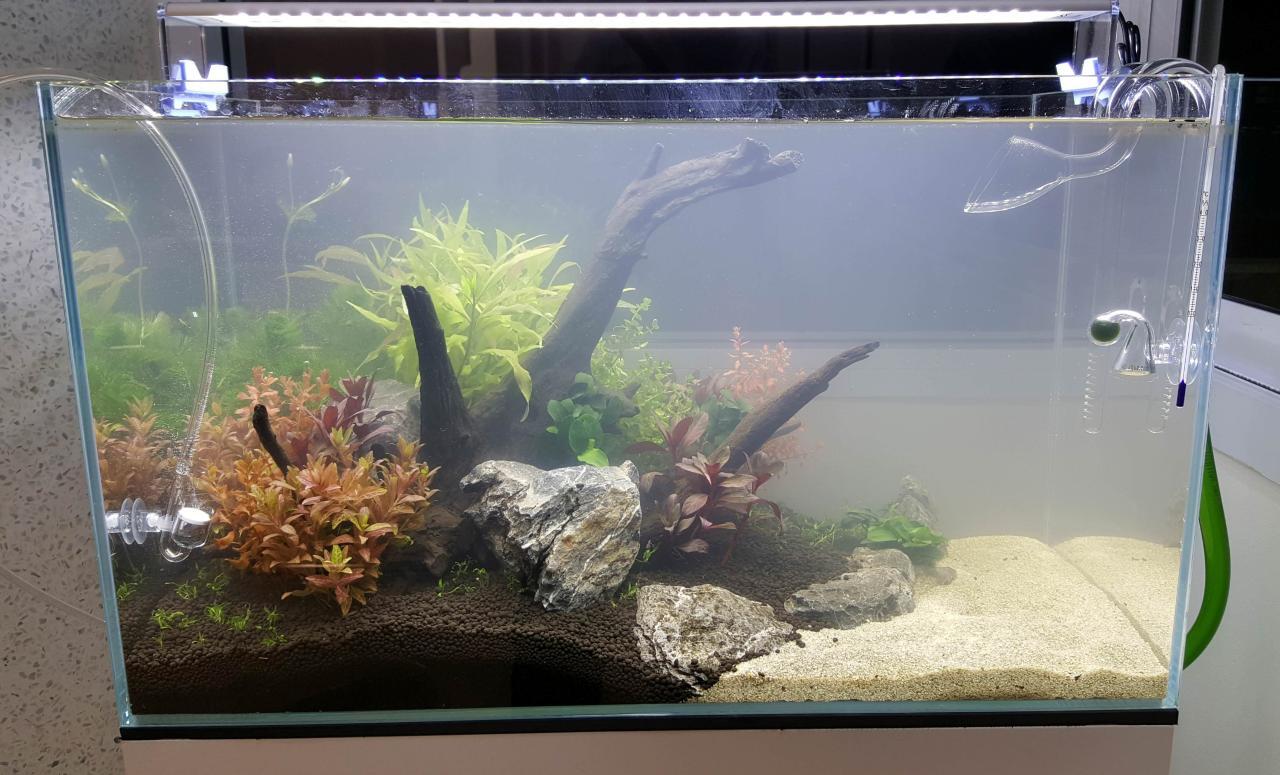
Understanding how cloudy water progresses and resolves in a new aquarium can be a reassuring process for aquarists. By observing typical patterns and knowing what to expect, you can better manage your aquarium’s environment and ensure the health of your aquatic inhabitants. This section will walk you through common scenarios, from the initial onset of cloudiness to the eventual crystal-clear waters of a mature aquarium.The resolution of cloudy water is often a testament to the establishment of your aquarium’s biological filter.
This natural process, driven by beneficial bacteria, transforms harmful ammonia and nitrite into less toxic nitrate. Observing these stages can provide valuable insights into the health and stability of your new aquatic ecosystem.
New Aquarium Cloudiness Progression Over One Week
A new aquarium typically experiences a period of cloudiness as the nitrogen cycle begins to establish. This phase is characterized by visible changes in water clarity over several days.
Day 1: Immediately after setup and filling with water, the aquarium may appear clear. However, once decorations are added and equipment is running, fine particulate matter can become suspended, leading to a slight haziness.
Day 2-3: A significant increase in cloudiness is often observed. This is commonly a bacterial bloom, where heterotrophic bacteria multiply rapidly to consume organic waste introduced during setup. The water takes on a milky or opaque appearance.
Day 4-5: The bacterial bloom may begin to subside. The cloudiness might start to reduce, although the water may still not be perfectly clear. This indicates that the nitrifying bacteria are starting to colonize and establish themselves on surfaces.
Day 6-7: Water clarity should show noticeable improvement. The milky appearance will diminish, and the water will become progressively clearer as the biological filtration matures and effectively processes waste. Some minor haziness might persist, especially after feeding.
Bacterial Bloom Appearance and Dissipation
A bacterial bloom is a common phenomenon in new aquariums and is a sign of the ecosystem’s development. It’s a natural part of the cycling process and typically resolves on its own.A bacterial bloom is characterized by a sudden onset of milky, opaque, or hazy water. It appears as if someone has poured milk into the aquarium. This cloudiness is caused by a rapid proliferation of heterotrophic bacteria.
These bacteria feed on organic compounds that are present in new setups, such as fish food, decaying plant matter, or even residues from the substrate and decorations. The sheer number of these microscopic organisms suspended in the water column creates the visible cloudiness.The dissipation of a bacterial bloom occurs as the aquarium’s biological filtration system matures. Nitrifying bacteria, which are slower to establish but are crucial for processing ammonia and nitrite, begin to outcompete the heterotrophic bacteria for resources.
As the nitrifying bacteria colonize surfaces like filter media and substrate, they consume the nutrients that fueled the bloom. Consequently, the population of heterotrophic bacteria declines, and the water gradually becomes clear. This process can take anywhere from a few days to a couple of weeks, depending on the aquarium’s conditions and stocking levels.
Suspended Particle Removal by Filtration
Mechanical filtration plays a crucial role in removing particulate matter that contributes to cloudy water, especially in the initial stages of an aquarium’s life.The process of suspended particle removal by filtration over a few days can be visualized as follows:
- Initial Stage (Day 1-2): After setup, fine particles from substrate, uneaten food, or disturbed detritus become suspended in the water. The mechanical filter, equipped with sponges or filter floss, begins to draw water through these media. Smaller particles pass through initially, but larger debris is trapped.
- Mid-Stage (Day 3-4): As the filter media becomes more saturated with trapped particles, its efficiency in capturing smaller suspended solids increases. The water flowing through the filter is progressively cleaner. The bulk of the larger and medium-sized particles are now held within the mechanical filter media.
- Late Stage (Day 5-7): With continuous filtration, even the smallest suspended particles are gradually captured. The water passing through the filter becomes significantly clearer. The mechanical filter media may appear visibly dirty, indicating its effectiveness. Regular rinsing or replacement of the mechanical media (as per manufacturer instructions) is essential to maintain optimal filtration and prevent the release of trapped debris back into the tank.
Clear Aquarium After Initial Cloudiness Resolution
A clear aquarium is the desired end state, indicating a healthy and stable environment for your aquatic life.The visual appearance of a clear aquarium after the initial cloudiness has been resolved is striking. The water is transparent, allowing for unobstructed views of the entire aquarium, including the substrate, decorations, and inhabitants. The light within the aquarium penetrates the water column with ease, illuminating the tank and its contents without diffusion or scattering.
You can clearly see the fine details of fish scales, the textures of plants, and the contours of rocks and driftwood. The background of the aquarium is sharply defined, and there is no milky or hazy appearance whatsoever. This clarity signifies that the water parameters are stable, the biological filtration is functioning optimally, and any excess organic matter or suspended particles have been effectively removed.
It provides a pristine and aesthetically pleasing environment for both the aquarist and the fish.
Final Wrap-Up
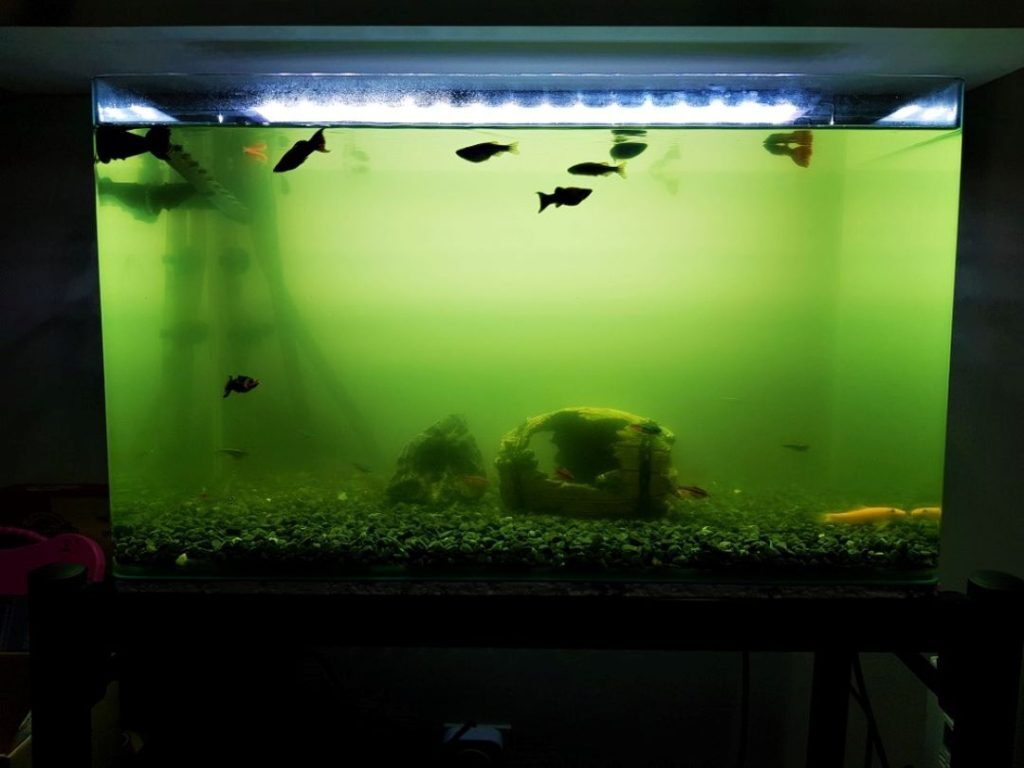
Successfully managing cloudy water in a new aquarium is a rewarding process that culminates in a pristine and healthy environment for your aquatic inhabitants. By understanding the underlying causes, differentiating between various types of cloudiness, and implementing appropriate filtration and maintenance strategies, you can effectively restore clarity and prevent future issues. This journey, from initial haze to sparkling water, is a testament to the rewarding nature of aquarium keeping and the satisfaction of creating a balanced ecosystem.