Embark on a journey into the essential practice of preparing tap water for your aquatic companions. This guide, titled ‘How to Dechlorinate Tap Water for Your Aquarium,’ will unveil the critical steps and scientific principles behind ensuring a safe and thriving environment for your fish and beneficial bacteria.
Understanding the composition of municipal water is the first step in safeguarding your aquarium’s ecosystem. We will delve into the nature of chlorine and chloramine, their detrimental effects on aquatic life, and the nuances of their persistence and toxicity. Furthermore, we will explore other common tap water contaminants that are not addressed by simple dechlorination methods, providing a comprehensive view of water quality.
Understanding Chlorine and Chloramine in Tap Water
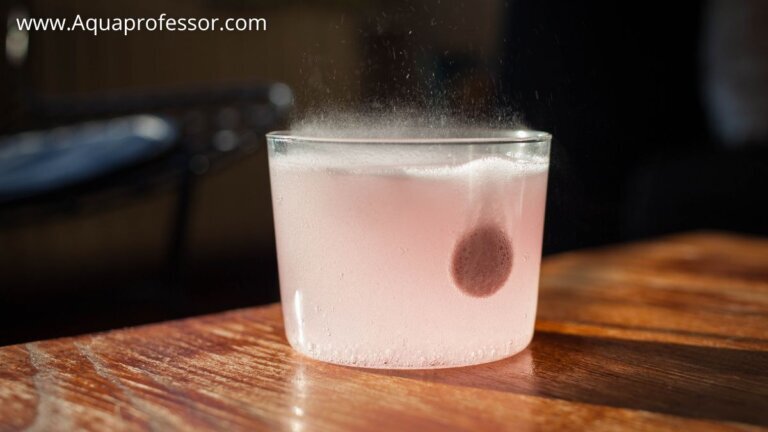
Municipal water treatment facilities commonly use chlorine and chloramine to disinfect tap water, ensuring it is safe for human consumption by eliminating harmful bacteria and viruses. However, these disinfectants, while beneficial for us, pose a significant threat to the delicate ecosystem of an aquarium. Understanding their chemical nature and effects is the first crucial step in protecting your aquatic inhabitants.Chlorine and chloramine are oxidizing agents designed to kill microorganisms.
When introduced into an aquarium, they disrupt the biological filtration system, which relies on beneficial bacteria to break down toxic waste products like ammonia and nitrite. These essential bacteria are highly sensitive to oxidizers and can be severely damaged or killed by even low concentrations of chlorine or chloramine.
Chemical Nature of Chlorine and Chloramine
Chlorine, in its elemental form, is a highly reactive gas (Cl₂). In water treatment, it is typically added as hypochlorous acid (HOCl) or hypochlorite ions (OCl⁻), depending on the pH. Chloramine, on the other hand, is a compound formed by combining chlorine with ammonia. The most common form used in water treatment is monochloramine (NH₂Cl).
Chlorine (Cl₂) is a diatomic molecule, while chloramine (NH₂Cl) is a compound of chlorine and ammonia.
The chemical reaction for chloramine formation is:NH₃ + HOCl → NH₂Cl + H₂O(Ammonia + Hypochlorous Acid → Monochloramine + Water)
Harmful Effects on Aquarium Fish and Beneficial Bacteria
The primary danger of chlorine and chloramine in aquariums stems from their oxidizing properties. They aggressively attack the delicate gill tissues of fish, impairing their ability to breathe and absorb oxygen. This can lead to respiratory distress, suffocation, and ultimately, death.For the beneficial bacteria that form the backbone of your aquarium’s nitrogen cycle, exposure to these disinfectants is equally devastating.
These bacteria, residing in filter media and substrate, are responsible for converting toxic ammonia (produced by fish waste and uneaten food) into less harmful nitrite, and then into even less harmful nitrate. When chlorine or chloramine are present, these bacteria are killed, leading to a rapid buildup of ammonia and nitrite, which are highly toxic to fish. This disruption is often referred to as “crashing” the nitrogen cycle.
Differences in Toxicity and Persistence
While both chlorine and chloramine are toxic to aquatic life, chloramine is generally considered more persistent and potentially more harmful in the long run. Chlorine dissipates from water relatively quickly, especially with aeration. However, chloramine is a more stable compound and does not break down as readily. This means it can remain in the water for extended periods, continuing to pose a threat to fish and bacteria.Furthermore, chloramine is a stronger oxidizer than free chlorine, meaning it has a greater capacity to damage biological tissues and kill beneficial bacteria.
When chloramine breaks down in water, it releases both chlorine and ammonia, both of which are toxic to aquarium inhabitants. The ammonia component can further contribute to water quality issues.
Common Tap Water Contaminants Not Removed by Dechlorination
It is important to understand that dechlorination processes, whether chemical or physical, specifically target chlorine and chloramine. They do not remove other common tap water contaminants that can be detrimental to an aquarium environment. These include:
- Heavy Metals: Trace amounts of metals like copper, lead, zinc, and cadmium can be present in tap water due to pipe corrosion or industrial runoff. These metals are highly toxic to fish and invertebrates, even at very low concentrations. Copper, in particular, is often used in algaecides and can be lethal to fish and invertebrates.
- Chlorine Byproducts: While the chlorine itself is removed, some disinfection byproducts formed during the chlorination process may remain. These can include trihalomethanes (THMs) and haloacetic acids (HAAs), which can have long-term health effects on aquatic life.
- Phosphates and Nitrates: These nutrients, often present from agricultural runoff or wastewater treatment, can contribute to nuisance algae blooms in an aquarium, disrupting the balance and potentially depleting oxygen levels.
- Pesticides and Herbicides: Trace amounts of agricultural chemicals can sometimes find their way into municipal water supplies. These can be highly toxic to fish and invertebrates.
- Pharmaceuticals and Personal Care Products (PPCPs): Increasingly, trace amounts of medications and other chemicals are being detected in tap water. The long-term effects of these on aquatic life are not fully understood but are a growing concern.
- Sediment and Particulates: While not directly toxic, suspended solids can clog filter media, reduce light penetration, and make the water aesthetically unappealing.
Therefore, while removing chlorine and chloramine is a critical first step, a comprehensive approach to tap water preparation for aquariums may involve addressing these other potential contaminants depending on the source water quality.
Methods for Dechlorinating Tap Water
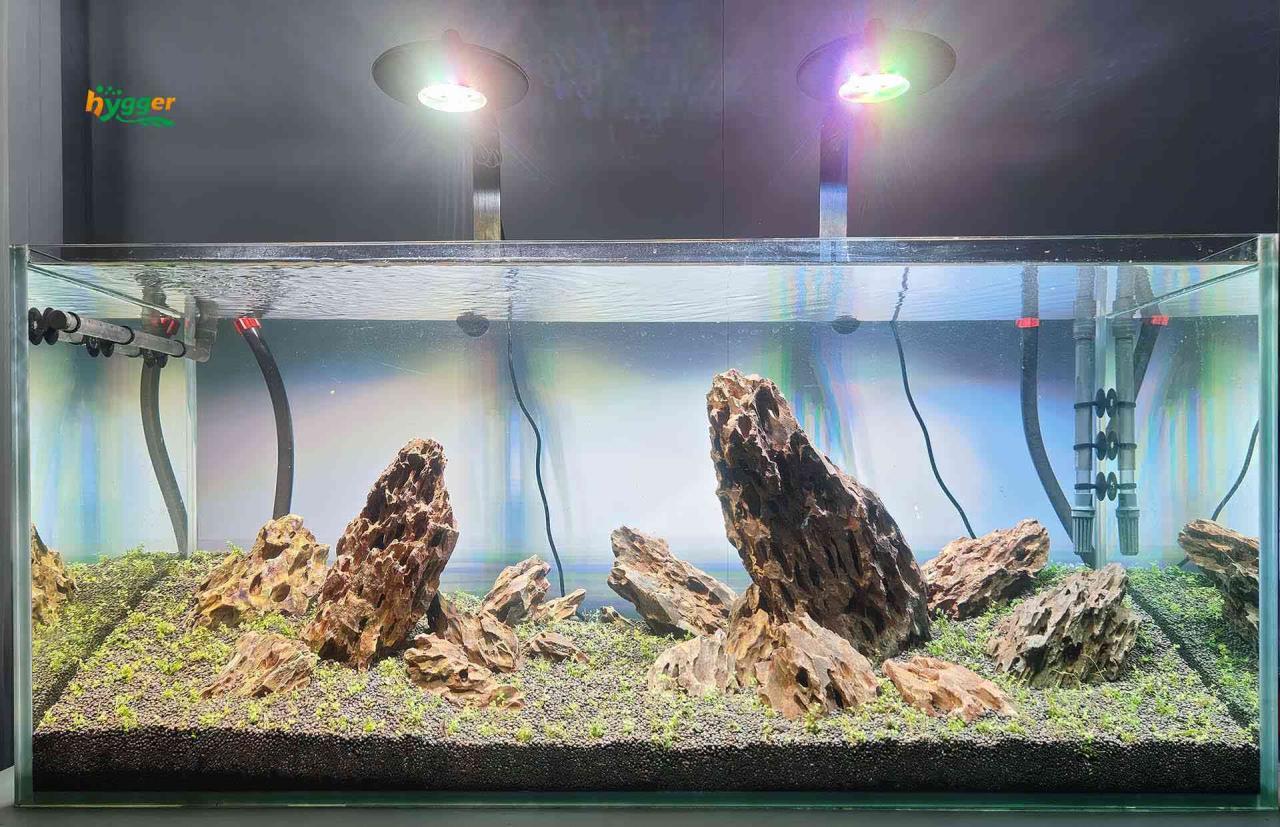
Understanding how to effectively remove chlorine and chloramine from your tap water is crucial for the health and well-being of your aquarium inhabitants. Fortunately, several reliable methods are available to aquarium hobbyists, each with its own principles and applications. This section will delve into the most common and effective techniques for preparing safe aquarium water.
Chemical Dechlorination Agents
Chemical dechlorination agents work by altering the chemical structure of chlorine and chloramine, rendering them harmless to aquatic life. The principle behind these agents is to introduce a substance that reacts with the oxidizers in tap water, neutralizing their toxicity. These reactions typically convert chlorine and chloramine into less harmful chloride ions.
Sodium Thiosulfate-Based Dechlorinators
Sodium thiosulfate is the most widely used chemical compound for dechlorinating tap water. It directly neutralizes chlorine by reacting with it to form sodium chloride and sodium bisulfate. For chloramine, sodium thiosulfate breaks the bond between chlorine and ammonia, releasing the ammonia. While the ammonia is released, it is no longer bound to chlorine and is therefore not as immediately toxic.
However, it is important to note that the ammonia released will still need to be managed by your aquarium’s biological filter.The usage of sodium thiosulfate-based dechlorinators is straightforward. Typically, a specific dosage is recommended per gallon or liter of water, which is clearly indicated on the product packaging. It is essential to follow these instructions precisely to ensure complete dechlorination without overdosing.
These products are highly effective for immediate use and are considered a staple in aquarium keeping.
Liquid versus Granular Chemical Dechlorinators
Chemical dechlorinators are available in both liquid and granular forms, each offering distinct advantages.
- Liquid Dechlorinators: These are generally easier to measure and dose, making them convenient for small to medium-sized aquariums. They are typically pre-dissolved and ready for immediate use.
- Granular Dechlorinators: While requiring dissolution in water before adding to the aquarium, granular forms can be more cost-effective for larger volumes of water. They offer a longer shelf life and are often preferred by hobbyists with large tanks or those who perform frequent large water changes.
The effectiveness of both forms is comparable when used according to the manufacturer’s instructions. The primary difference lies in convenience of application and cost-effectiveness for different aquarium sizes.
Vitamin C (Ascorbic Acid) for Dechlorination
Vitamin C, or ascorbic acid, can also be used as a dechlorinating agent. It acts as a reducing agent, neutralizing chlorine. For chloramine, vitamin C breaks the chloramine bond, releasing ammonia and using the ascorbic acid to neutralize the released chlorine. This method is particularly useful in emergency situations or when commercial dechlorinators are unavailable.The recommended dosage for vitamin C can vary, but a general guideline is approximately 1 gram of pure ascorbic acid powder for every 50 gallons (190 liters) of tap water.
It is crucial to use pure ascorbic acid without any additives. Dissolve the powder in a small amount of dechlorinated water before adding it to the main volume of tap water. Overdosing can lead to a temporary drop in pH.
Activated Carbon Filters for Chlorine Removal
Activated carbon is a highly porous material that excels at adsorbing organic compounds and certain chemicals from water. Its extensive surface area allows it to trap chlorine molecules through a process called adsorption. Chlorine, being a reactive gas, readily binds to the carbon surface.However, it is important to understand that activated carbon is generally ineffective at removing chloramine. While it can break down the chlorine component of chloramine, the ammonia remains in the water.
Therefore, activated carbon alone is not a sufficient method for treating tap water containing chloramine.
“Aging” Water and its Limitations
“Aging” water, also known as letting tap water sit in an open container for an extended period (typically 24-48 hours), is a method sometimes suggested for dechlorination. The principle behind this method is that chlorine, being a volatile gas, will naturally dissipate into the atmosphere over time.However, this method has significant limitations, especially when dealing with chloramine. While aging can effectively remove chlorine, it does not remove chloramine.
Chloramine is a much more stable compound than chlorine and does not readily dissipate into the air. Therefore, relying on aging water to remove chloramine is ineffective and can be detrimental to aquarium inhabitants. This method is only suitable for tap water that is known to contain only chlorine, which is becoming increasingly rare.
Practical Steps for Dechlorination
Successfully preparing tap water for your aquarium involves a straightforward, yet crucial, process of removing harmful chlorine and chloramine. This section will guide you through the practical application of dechlorination, ensuring a safe and healthy environment for your aquatic inhabitants. We will cover everything from basic water changes to specialized needs for sensitive tank setups.
Step-by-Step Dechlorination for Routine Water Changes
Dechlorinating tap water for regular aquarium maintenance is a simple procedure that can be integrated seamlessly into your routine. Following these steps will ensure that the water you add to your aquarium is safe and beneficial for your fish and plants.
- Gather Your Supplies: You will need a clean container (bucket or jug), a reliable water conditioner that neutralizes chlorine and chloramine, and your tap water.
- Determine Water Volume: Decide how much water you need to change in your aquarium. For a standard water change, this is typically 10-25% of the total tank volume.
- Fill the Container: Fill your clean container with the amount of tap water you have calculated for the water change.
- Add Water Conditioner: Carefully read the instructions on your chosen water conditioner’s packaging. The dosage is usually based on the volume of water being treated. For example, if you are treating 5 gallons of water, and the conditioner states 1 ml treats 1 gallon, you would add 5 ml of conditioner.
- Mix Thoroughly: Gently stir the water in the container to ensure the conditioner is evenly distributed.
- Allow to Sit (Optional but Recommended): While most modern conditioners work instantly, allowing the water to sit for a few minutes can provide an extra layer of security, ensuring all chlorine has dissipated.
- Temperature Match: Before adding the water to your aquarium, ensure its temperature is as close as possible to the existing aquarium water. This prevents thermal shock to your fish. You can achieve this by letting the tap water sit for a while or by adding a small amount of heated or chilled water to the container if necessary.
- Add to Aquarium: Slowly pour the dechlorinated water into your aquarium, ideally over a decoration or plant to minimize disturbance to the substrate and inhabitants.
It is always better to slightly overdose than underdose when it comes to water conditioners, especially if you are unsure of the exact tap water parameters. However, always adhere to the manufacturer’s recommended maximum dosage.
Dechlorinating Water for Large Water Changes
When performing larger water changes, such as those required for tank maintenance, cycling a new tank, or after an incident, accurate volume calculations and efficient dechlorination are paramount.To calculate the total volume of your aquarium, you can use the following formula for rectangular tanks:
Volume (gallons) = Length (inches) x Width (inches) x Height (inches) / 231
For cylindrical tanks:
Volume (gallons) = π x Radius (inches)² x Height (inches) / 231
where π (pi) is approximately 3.14.When dealing with large volumes, consider using a large brute trash can or a dedicated water change system. For instance, if you are performing a 50% water change on a 100-gallon aquarium, you will need to dechlorinate 50 gallons of water. The dosage of your water conditioner will need to be scaled accordingly. Many conditioners are available in larger sizes, making them cost-effective for extensive water changes.
If you are using a hose to fill a large container, ensure the hose itself is clean and has not been exposed to any household chemicals.
Dechlorinating Water for Specific Aquarium Setups
Different aquarium setups have unique requirements that can influence the dechlorination process.
Planted Tanks:
For planted tanks, it’s essential to use a water conditioner that does not contain copper, as copper can be toxic to many aquatic plants. Most standard dechlorinators are safe, but it’s always wise to check the ingredient list. Some planted tank enthusiasts prefer to let tap water sit for 24-48 hours in a separate container exposed to air. This allows chlorine to dissipate naturally.
However, this method is ineffective against chloramine, which requires a chemical neutralizer. Therefore, using a quality water conditioner remains the most reliable method.
Shrimp Tanks:
Shrimp are particularly sensitive to water parameters, including chlorine and chloramine. It is crucial to use a high-quality water conditioner specifically designed for sensitive invertebrates or one that is known to be safe for shrimp. Always follow the dosage instructions precisely. For very sensitive species, some aquarists recommend double-dosing the conditioner for added safety, especially if dealing with higher levels of chloramine.
Safely Adding Dechlorinated Water to an Established Aquarium
Introducing new water into an established aquarium without causing stress to its inhabitants requires careful attention to temperature and flow.
- Temperature Stabilization: As mentioned, matching the temperature of the new water to the aquarium water is critical. Fluctuations of more than 2-3°F (1-2°C) can shock fish and invertebrates.
- Gentle Introduction: Avoid dumping large volumes of water directly into the tank. Instead, pour the water slowly, allowing it to mix gradually with the existing water. Pouring it over a hand, a decoration, or a plant can help diffuse the flow and prevent clouding the substrate.
- Siphon or Pump: For larger water changes, using a siphon or a submersible pump can provide a controlled and gentle way to add the new water.
- Avoid Disturbing Substrate: Be mindful not to stir up the substrate excessively, as this can release trapped detritus and affect water quality.
Best Practices for Storing Pre-Dechlorinated Water
Storing pre-dechlorinated water can be convenient, especially if you perform frequent small water changes or want to have treated water ready at all times.
- Clean Containers: Always use thoroughly cleaned containers that have never held soaps, detergents, or other household chemicals. Dedicated aquarium buckets are ideal.
- Airtight Lids: Store treated water in containers with airtight lids. This prevents evaporation and the absorption of airborne contaminants.
- Avoid Direct Sunlight: Keep stored water away from direct sunlight, which can promote algae growth and potentially degrade the effectiveness of some water conditioners over time.
- Regular Replacement: While treated water can be stored for a reasonable period (typically a few days to a week), it’s best practice to use it within a few days. If stored for longer, re-testing the water for chlorine and chloramine is advisable, although the risk of re-contamination is low if stored properly.
- Labeling: Label your storage containers clearly with the date they were filled and treated.
Measuring and Testing Dechlorination Effectiveness
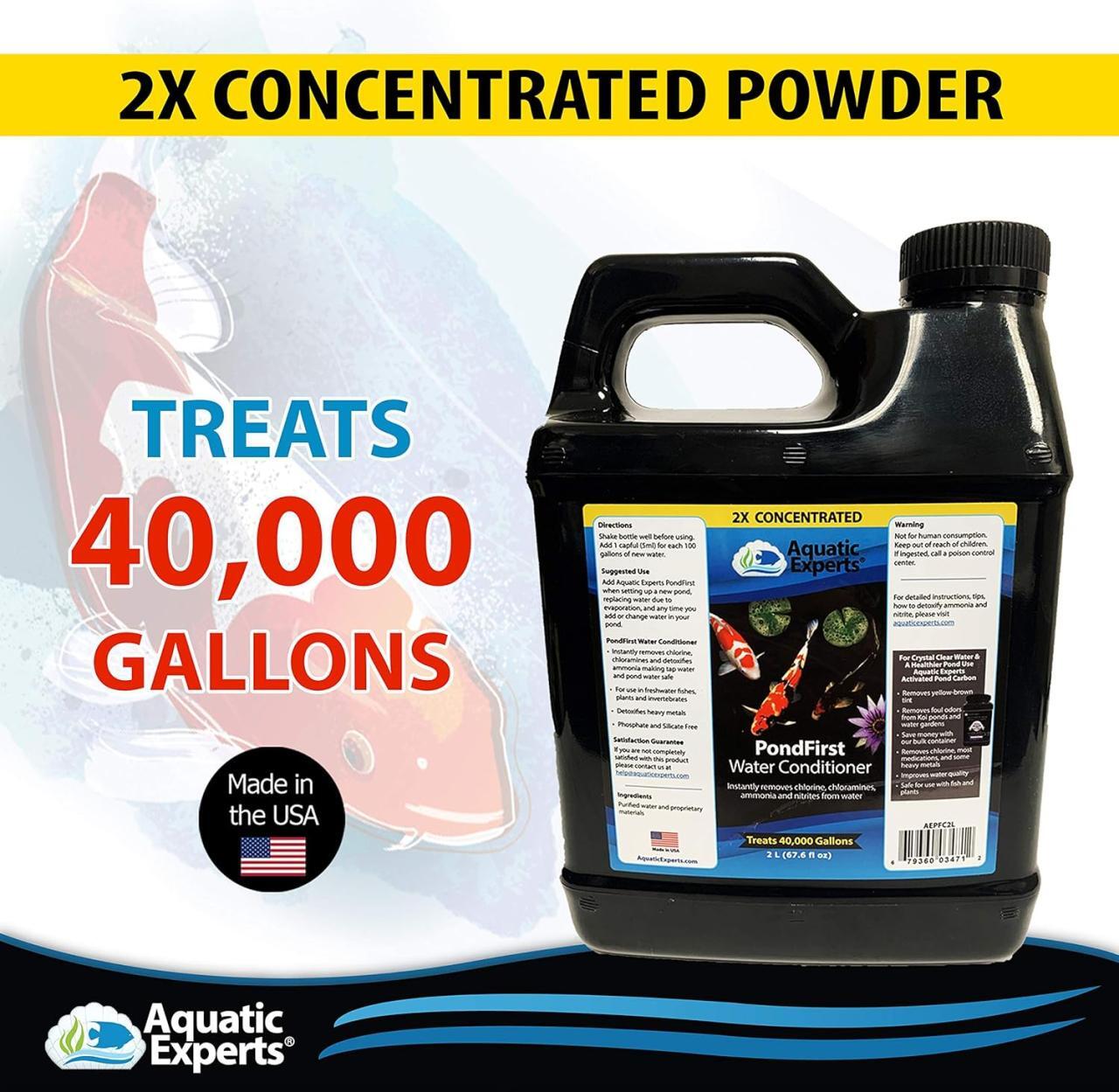
Ensuring your aquarium water is safe for its inhabitants is paramount, and this extends to verifying that chlorine and chloramine have been effectively removed. While the methods described previously are designed to neutralize these chemicals, confirming their absence through testing provides peace of mind and protects your aquatic life from potential harm. This section will guide you through the process of testing your water to confirm successful dechlorination.
Detecting Residual Chlorine
Several water testing kits are readily available for aquarium enthusiasts and can reliably detect the presence of free chlorine. These kits typically employ a colorimetric method, where a small water sample is mixed with a reagent, and the resulting color is compared to a chart to determine the concentration.Common types of chlorine test kits include:
- Liquid Test Kits: These are widely used and generally provide accurate results. They involve adding a specific number of drops of reagent to a water sample and observing the color change.
- Test Strips: While convenient and quick, test strips can sometimes be less precise than liquid kits for very low concentrations. They involve dipping a strip into the water and comparing the color pads to a reference chart.
Interpreting Chlorine Test Results
Interpreting the results of a chlorine test is straightforward. The goal is to achieve a reading of zero or a concentration below the detectable limit of your test kit.The interpretation process involves:
- Comparing the color of your water sample (after adding reagent for liquid kits, or the color pads on test strips) to the provided color chart.
- Matching the observed color to the corresponding concentration of chlorine indicated on the chart.
- A reading of 0 ppm (parts per million) or the lowest detectable level signifies that the chlorine has been effectively removed. If any color other than the “zero” or “safe” indicator appears, further treatment may be necessary.
For example, if your liquid test kit’s chart shows a pale yellow for 0 ppm chlorine, and your sample turns a distinct green, it indicates the presence of chlorine.
Challenges in Testing for Residual Chloramine
Testing for chloramine presents a greater challenge than testing for free chlorine. Chloramine is a more stable compound, and many standard chlorine test kits only measure the free chlorine component, not the bound ammonia. This means a test might show zero chlorine even if chloramine is still present, as the chlorine is bonded to ammonia.Alternative confirmation methods for chloramine include:
- Combined Chlorine Test Kits: Some specialized aquarium test kits are designed to measure both free chlorine and combined chlorine (which indicates the presence of chloramines). These kits often involve multiple steps or reagents.
- Ammonia Testing: Since chloramine releases ammonia over time, monitoring ammonia levels in your newly treated water can indirectly indicate the presence of residual chloramine. A sudden spike in ammonia after water changes, especially if you know your source water is chlorinated or chloraminated, could suggest incomplete breakdown of chloramine.
- Manufacturer Guidelines: Relying on the product instructions for your chosen dechlorinator is crucial. Reputable dechlorinator products are formulated to break down chloramines effectively. Following their recommended dosage and contact time is a primary confirmation method.
Frequency of Water Testing
The frequency with which you should test your water for chlorine and chloramine depends on several factors, including your water source and the sensitivity of your aquarium inhabitants.It is recommended to test:
- After initial setup or significant changes to your water source: This helps establish a baseline and confirm the effectiveness of your chosen dechlorination method.
- During routine water changes: While not always necessary with a trusted dechlorinator, testing periodically during regular water changes can help ensure consistency. This is especially important if you notice any unusual behavior in your fish or suspect an issue with your tap water quality.
- If you suspect a problem: If you observe fish exhibiting signs of stress, such as gasping at the surface, clamped fins, or lethargy, testing your water for chlorine and chloramine is a critical first step in diagnosing the issue.
For established aquariums using a reliable dechlorinator consistently, daily or weekly testing might be overkill. However, being prepared to test if any issues arise is always a good practice.
Advanced Considerations and Alternatives
While basic dechlorination methods are effective for most aquarium setups, advanced hobbyists and those with specific needs may explore more sophisticated water treatment options. These methods offer greater control, higher purity, and can address unique challenges encountered in advanced aquascaping and specialized aquatic environments.
Reverse Osmosis (RO) and Deionized (DI) Water Systems
Reverse osmosis (RO) and deionized (DI) water systems are highly effective methods for producing extremely pure water, which can then be remineralized to meet aquarium specific needs. These systems work by forcing tap water through semi-permeable membranes and/or ion-exchange resins, removing a vast majority of dissolved solids, including chlorine, chloramine, heavy metals, and other impurities. While tap water dechlorination focuses on removing specific harmful chemicals, RO/DI systems offer a comprehensive purification solution.
Pros of RO/DI Water
- High Purity: Removes virtually all dissolved solids, including harmful contaminants.
- Control over Water Parameters: Allows complete control over the mineral content of the aquarium water, essential for sensitive species or planted tanks.
- Reduced Algae Potential: By removing nutrients that feed algae, RO/DI water can help control nuisance algae growth.
- Consistent Water Source: Provides a reliable source of pure water, independent of municipal water quality fluctuations.
Cons of RO/DI Water
- Initial Cost: RO/DI units can be a significant upfront investment.
- Maintenance: Filters and membranes require periodic replacement.
- Water Waste: RO systems typically produce wastewater (brine) in addition to purified water.
- Remineralization Required: Pure RO/DI water lacks essential minerals and must be remineralized before being added to an aquarium to support fish health and beneficial bacteria.
RO/DI water is often used in conjunction with tap water dechlorination for marine aquariums or for freshwater tanks where precise water parameters are critical. It can also be used to dilute hard tap water to achieve desired softness.
Specialized Filtration Media for Chlorine and Chloramine Removal
Beyond liquid or granular dechlorinators, specialized filtration media can be integrated into aquarium filters to continuously remove chlorine and chloramine. These media often utilize chemical reactions or adsorption to neutralize these harmful substances.
Types of Specialized Media
- Activated Carbon: While primarily known for removing organic compounds and improving water clarity, high-quality activated carbon can also adsorb some chlorine. However, its capacity for chlorine removal is limited, and it is not as effective for chloramine.
- KDF (Kinetic Degradation Fluxion) Media: KDF is a high-purity copper-zinc alloy that uses redox (reduction-oxidation) reactions to remove chlorine and chloramine. It can also reduce heavy metals and inhibit algae growth. KDF is often used in conjunction with other filter media.
- Specialized Resin Media: Some manufacturers offer specific ion-exchange resins designed to bind with and remove chlorine and chloramine from the water.
These media can be a good option for those seeking a passive, long-term solution, especially in larger systems or sumps where there is ample space for filtration. It’s important to follow the manufacturer’s recommendations for media replacement, as their effectiveness diminishes over time.
Interaction of Water Treatment Chemicals with Aquarium Medications
The chemicals used to dechlorinate tap water, as well as other water treatment additives, can potentially interact with medications used to treat sick fish. Understanding these interactions is crucial for effective fish health management and to avoid compromising treatment efficacy or causing harm to the aquarium inhabitants.
Potential Interactions
- Dechlorinators and Medications: Most standard dechlorinators, like sodium thiosulfate and sodium bisulfite, are designed to neutralize chlorine and chloramine quickly. If medication is added to the water at the same time as a large dose of dechlorinator, the dechlorinator might reduce the concentration or effectiveness of the medication before it can act on the fish or pathogens. It is generally advisable to add medications to the aquarium water after dechlorination has occurred and sufficient time has passed for the dechlorinator to dissipate.
- Activated Carbon and Medications: Activated carbon is a powerful adsorbent and can remove a wide range of substances from the water, including medications. If activated carbon is present in the filter during medication treatment, it will actively remove the medication, rendering the treatment ineffective. Therefore, activated carbon should be removed from the filter during medication courses and only reintroduced after the treatment is complete and the water has been appropriately managed.
- Other Additives: Water conditioners, trace element supplements, and pH adjusters can also potentially interact with medications. Always read the labels of all aquarium products and medications, and consult with the product manufacturers or a knowledgeable aquarist if unsure about compatibility.
The general recommendation is to avoid adding multiple chemical treatments or medications simultaneously. It is often best to perform water changes with properly dechlorinated water, then add medication if needed, allowing time for each step to be effective.
Preparing Water for Marine Aquariums
Marine aquariums present unique challenges for water preparation, primarily due to the need for precise salinity levels and the presence of chloramine in many municipal water sources, which is particularly detrimental to sensitive marine life. The process involves both dechlorination and the addition of essential salts.
Key Considerations for Marine Water Preparation
- Source Water Quality: Tap water quality can vary significantly. If tap water contains chloramine, it must be neutralized. Even if it only contains chlorine, its removal is essential for marine invertebrates and fish.
- Salt Mixing: Marine salt mixes are formulated to replicate the chemical composition of natural seawater. These salts contain essential macro- and micro-elements. The salt mix must be dissolved thoroughly in purified water (often RO/DI water) to the correct specific gravity or salinity.
- Dechlorination for Marine Systems: Because marine organisms are often more sensitive to water quality issues than freshwater species, robust dechlorination is paramount. For tap water, this means using a high-quality dechlorinator that effectively neutralizes both chlorine and chloramine. For systems that are sensitive or where absolute purity is desired, using RO/DI water as the base for mixing marine salt is highly recommended.
- Temperature Matching: When performing water changes, it is critical to match the temperature of the new saltwater to the aquarium water to avoid shocking the inhabitants.
- Aeration and Mixing: After adding the salt mix to the purified water and ensuring it is fully dissolved, the new saltwater should be aerated and mixed for at least 24 hours. This process allows for the proper dissolution of all components of the salt mix and ensures a stable and homogenous solution before it is added to the aquarium.
“The foundation of a healthy marine aquarium is pristine water. Effective dechlorination and precise salt mixing are non-negotiable steps.”
The use of RO/DI water for marine aquariums is widely considered best practice, as it eliminates the variability and potential contaminants found in tap water, allowing for complete control over the water chemistry. This approach ensures that only the desired elements are added to the system via the marine salt mix.
Ending Remarks
Mastering the art of dechlorinating tap water is a fundamental skill for any aquarium enthusiast. By understanding the science, employing the right methods, and diligently testing your water, you ensure a pristine and healthy habitat for your aquatic charges. This comprehensive approach empowers you to provide the best possible environment, fostering the well-being and longevity of your aquarium inhabitants.