How to Properly Install an Air Stone for Aeration guides you through the essential steps to ensure optimal oxygen levels in your aquatic or hydroponic systems. This process is fundamental for the health and vitality of your aquatic life and plant roots, transforming your setup into a thriving environment.
Understanding the purpose of air stones, the necessary components, and strategic placement are key to achieving effective aeration. We will explore how these simple devices contribute significantly to the well-being of your system, from increasing dissolved oxygen to promoting beneficial water movement.
Understanding the Purpose of Air Stones
Air stones are simple yet vital components in both aquarium and hydroponic systems, playing a crucial role in maintaining a healthy environment for aquatic life and plant growth. Their primary function is to introduce dissolved oxygen into the water, which is essential for the survival and well-being of fish, invertebrates, and beneficial bacteria. In hydroponic systems, aeration ensures that plant roots receive adequate oxygen, promoting robust growth and preventing root rot.The fundamental role of an air stone is to break down a continuous stream of air from an air pump into a multitude of tiny bubbles.
This process significantly increases the surface area of the air in contact with the water, facilitating a more efficient transfer of oxygen from the atmosphere into the aquatic medium. This enhanced oxygenation is critical for respiration in aquatic organisms and for the metabolic processes of plant roots in hydroponics.
Contribution to Dissolved Oxygen Levels
Air stones directly contribute to dissolved oxygen (DO) levels by increasing the surface area for gas exchange. As air is pumped through the porous material of the air stone, it creates a fine mist of bubbles. These bubbles rise through the water column, and as they do, oxygen from the air diffuses into the water, while carbon dioxide from the water diffuses into the bubbles to be released into the atmosphere.
This constant influx of oxygen is crucial for sustaining aerobic life.The rate at which oxygen is transferred depends on several factors, including the size of the bubbles, the depth of the water, and the water temperature. Smaller bubbles, produced by finer-pored air stones, offer a larger collective surface area for diffusion, leading to more efficient oxygenation.
Benefits of Proper Aeration
Proper aeration, facilitated by air stones, yields numerous benefits for aquatic and hydroponic systems. For aquariums, it supports the respiration of fish and other aquatic inhabitants, preventing suffocation and stress. It also aids in the breakdown of organic waste by aerobic bacteria, which are essential for maintaining water quality and preventing the buildup of harmful toxins like ammonia.In hydroponic systems, well-aerated water is paramount for plant health.
Plant roots require oxygen for cellular respiration, a process that allows them to absorb nutrients and water effectively. Without sufficient oxygen, roots can become stressed, leading to stunted growth, susceptibility to diseases, and reduced nutrient uptake.
- Aquatic Life: Supports fish respiration, prevents stress, and promotes overall health.
- Beneficial Bacteria: Encourages the proliferation of aerobic bacteria vital for nutrient cycling and waste decomposition.
- Water Clarity: Aids in the circulation of water, helping to prevent stagnant zones where debris can accumulate.
- Hydroponic Plants: Provides essential oxygen to plant roots, enhancing nutrient absorption and preventing root rot.
- Nutrient Uptake: Improved oxygen levels in hydroponic systems lead to more efficient nutrient uptake by plants.
Types of Air Stones
A variety of air stones are available, each with distinct characteristics that influence their performance and suitability for different applications. The material and pore size are the primary differentiating factors.
- Ceramic Air Stones: These are the most common type, typically made from clay or sintered alumina. They are durable and produce fine bubbles, making them effective for general aeration.
- Rubber/Plastic Air Stones: Often more flexible and less prone to breakage than ceramic stones, these can be shaped into various forms. They may produce slightly larger bubbles depending on their construction.
- Sintered Glass Air Stones: These offer very fine porosity and are known for producing extremely small, consistent bubbles, leading to highly efficient oxygen diffusion. They are generally more expensive.
- Natural Stone Air Stones: Made from porous natural rocks, these offer a more rustic aesthetic and can produce a unique bubble pattern. Their pore size can vary.
The choice of air stone often depends on the size of the aquarium or hydroponic system, the desired bubble size, and the aesthetic preferences of the user. For instance, a larger aquarium might benefit from a larger or multiple air stones, while a system requiring extremely fine aeration for sensitive aquatic life or optimal plant root health might opt for a sintered glass air stone.
Essential Components for Air Stone Installation
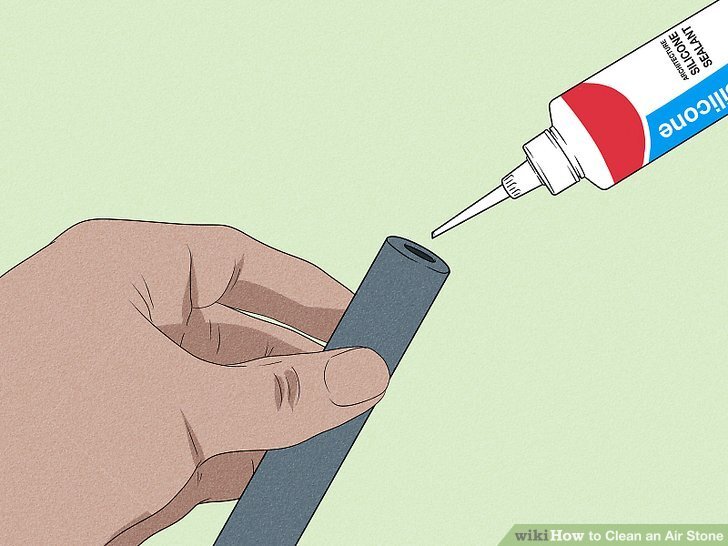
To successfully install an air stone and ensure effective aeration in your aquarium or hydroponic system, having the right equipment is paramount. These components work in synergy to deliver the vital oxygen your aquatic life or plant roots need. Understanding the function and proper selection of each piece will contribute to a healthy and thriving environment.The aeration system relies on a few key pieces of equipment, each playing a critical role in the process.
From the power source to the distribution of bubbles, every component is designed for efficiency and reliability. Selecting the correct components, particularly the air pump, is crucial for matching the system’s demands and preventing potential issues.
Necessary Equipment for an Air Stone Aeration System
A functional air stone aeration system requires a specific set of components to operate effectively. These items are readily available at aquarium supply stores or online retailers.
- Air Pump: The heart of the system, responsible for generating airflow.
- Airline Tubing: Flexible plastic tubing that connects the air pump to the air stone.
- Check Valve: A safety device that prevents water from flowing back into the air pump.
Function of Each Component
Each component within the aeration setup has a distinct and vital function. Understanding these roles helps in troubleshooting and ensuring the system operates as intended.The air pump is the driving force behind the entire aeration process. It draws air from the atmosphere and pushes it through the airline tubing. The airline tubing acts as the conduit, transporting this air from the pump to the point of delivery, the air stone.
The check valve is a crucial safety feature. In the event of a power outage or if the air pump is placed below the water level, the check valve automatically closes, preventing water from siphoning back and damaging the pump. This is essential for the longevity and safe operation of the equipment.
Air Pump Sizing and Selection Guidance
Choosing the correct air pump is a critical step that directly impacts the effectiveness of your aeration system. The pump’s power and output capacity should be matched to the volume of your aquarium or reservoir. Overpowering a small system can lead to excessive turbulence and stress for inhabitants, while an undersized pump will not provide adequate oxygenation.To determine the appropriate air pump size, consider the volume of water you need to aerate.
A common guideline is to select a pump that can deliver a sufficient number of air stones or a higher air output (liters per minute or gallons per hour) for larger volumes. For instance, a small 10-gallon aquarium might only require a low-output pump capable of running one or two air stones, whereas a 50-gallon tank or a large hydroponic reservoir would necessitate a more powerful pump with a higher flow rate.
“The correct air pump capacity ensures consistent oxygen levels and supports a healthy aquatic or plant environment.”
Many air pumps are rated by the number of outlets they have and their general power output. For example, a pump might be listed as suitable for up to 20 gallons, or it might specify an output of X liters per minute. Always consult the manufacturer’s recommendations and consider the number of air stones you plan to use. If you intend to run multiple air stones, ensure the pump has enough outlets and the capacity to push air through all of them effectively.
Common Pitfalls in Equipment Selection
When selecting the accompanying equipment for your air stone installation, several common mistakes can be easily avoided with careful consideration. These pitfalls can lead to system failures, reduced efficiency, or even damage to your equipment.One frequent oversight is neglecting to purchase a check valve. While seemingly a minor component, its absence can be catastrophic. If the air pump is positioned below the water level, a power outage can cause the tank water to be siphoned back into the pump, potentially ruining it.
Another common error is using airline tubing that is too thin or too long. Excessively long tubing can create back pressure, reducing the airflow to the air stone. Similarly, using tubing that is too thin can restrict flow. Always opt for standard aquarium airline tubing and keep the runs as short and direct as possible.Furthermore, selecting an air pump solely based on its price can lead to disappointment.
Cheaper pumps may be less durable, noisier, and offer less consistent airflow. Investing in a reputable brand known for reliability will ensure a more stable and long-lasting aeration system. It’s also important to ensure the air stone itself is appropriate for the intended use. Using a stone designed for a small desktop aquarium in a large reservoir will likely result in insufficient bubble dispersion.
Always consider the size of the water body and the desired bubble size when choosing an air stone.
Step-by-Step Installation Procedure
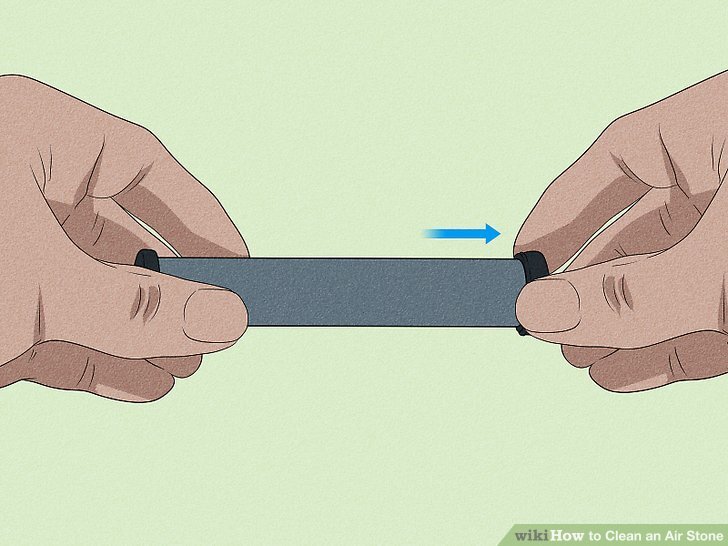
Installing an air stone for aquarium aeration is a straightforward process that, when followed correctly, ensures optimal oxygen levels for your aquatic inhabitants. This section will guide you through each step, from connecting the components to testing the system.Proper installation is crucial for the longevity of your equipment and the health of your aquarium. A well-installed system prevents backflow into the air pump and ensures consistent bubble production.
Connecting Airline Tubing to the Air Pump
The air pump is the heart of your aeration system, providing the necessary airflow. The airline tubing acts as the conduit for this air.
- Locate the air outlet port on your air pump. This is typically a small nozzle or fitting.
- Take one end of your flexible airline tubing.
- Firmly push the tubing onto the air outlet port of the pump. Ensure a snug fit to prevent air leaks. If the tubing feels loose, you may need to warm the end slightly in warm water to make it more pliable before attaching it.
Attaching the Air Stone to the Airline Tubing
The air stone is responsible for breaking the airflow into fine bubbles, maximizing surface area for oxygen diffusion.
- Take the other end of the airline tubing that is not connected to the air pump.
- Locate the inlet hole on your chosen air stone.
- Push the airline tubing firmly into the air stone’s inlet hole. Ensure it is securely attached, as a loose connection can lead to air escaping without forming bubbles.
Importance and Correct Placement of a Check Valve
A check valve is a vital safety component that prevents water from siphoning back into the air pump. This can happen if the air pump is placed below the water level or if there is a power outage. Water entering the pump can cause significant damage.
The check valve should be installed in the airline tubing between the air pump and the air stone. It is designed to allow air to flow in one direction only.
- Identify the airline tubing that runs from the air pump towards the aquarium.
- Cut the airline tubing at a convenient point, typically about halfway between the pump and the aquarium, or closer to the pump for added safety.
- Observe the check valve for an arrow indicating the direction of airflow. The arrow should point away from the air pump and towards the air stone.
- Attach one end of the cut tubing to the inlet side of the check valve (opposite the arrow).
- Attach the other end of the cut tubing to the outlet side of the check valve (following the arrow).
- Ensure both connections are secure to prevent any leaks.
Submerging the Air Stone at the Desired Depth
The placement of the air stone within the water body influences the circulation and oxygenation pattern.
For optimal aeration, the air stone should be placed at a depth that allows for good water circulation throughout the aquarium. Placing it too close to the surface may not provide adequate circulation to the bottom, while placing it too deep might require a more powerful air pump.
- If your air stone has a suction cup, attach it to the underside of the air stone.
- Carefully lower the air stone into the aquarium.
- Use the suction cup to adhere the air stone to the desired location on the glass or substrate. Common placements include the bottom of the tank, near the center, or along the back to promote a gentle current.
- Ensure the airline tubing is routed neatly and does not obstruct the view or interfere with aquarium equipment.
Testing the Aeration System
Once everything is connected and positioned, it’s essential to test the system to ensure it’s functioning correctly.
A successful test will demonstrate a steady stream of fine bubbles and no signs of water leakage or backflow.
- Ensure the air pump is plugged into a power source.
- Turn on the air pump.
- Observe the air stone in the aquarium. You should see a consistent flow of small, fine bubbles rising from it.
- Listen for any unusual noises from the air pump, which might indicate a blockage or strain.
- Check all connection points along the airline tubing, including where it connects to the pump, the check valve, and the air stone, for any signs of air leaks.
- Inspect the check valve to confirm that no water is being pushed back towards the air pump.
- If you notice any issues, such as weak bubbling, leaks, or no airflow, turn off the pump and re-check all connections and the placement of the check valve.
Placement Strategies for Optimal Aeration
Achieving effective aeration in any aquatic environment, whether it’s a freshwater aquarium or a hydroponic system, hinges significantly on the strategic placement of your air stone. The goal is to create a dynamic flow that ensures consistent oxygen distribution to all inhabitants and beneficial bacteria. Careful consideration of the system’s dimensions and the specific needs of its occupants will lead to the most beneficial outcomes.The effectiveness of an air stone is directly proportional to its ability to create turbulence and circulate water.
An improperly placed air stone might lead to stagnant zones with low oxygen levels, or conversely, create excessive currents that stress aquatic life. Understanding how water moves in response to the rising bubbles is key to maximizing the benefits of your aeration system.
Aquarium Placement Considerations
The ideal location for an air stone in an aquarium depends on its size, shape, and the specific inhabitants. For most standard rectangular aquariums, placing the air stone near the substrate in a corner or along the back wall is highly effective. This positioning encourages a gentle, upward current that circulates water throughout the entire tank, preventing dead spots. In larger or irregularly shaped tanks, multiple air stones might be necessary to ensure comprehensive coverage.
For tanks with live plants, positioning the air stone to create a gentle flow around the root zone can also benefit plant growth by supplying oxygen to the substrate.
Hydroponic System Placement for Root Oxygenation
In hydroponic setups, the primary objective of an air stone is to deliver dissolved oxygen directly to the plant roots, which is crucial for nutrient uptake and preventing root rot. For deep water culture (DWC) systems, the air stone should be placed at the bottom of the reservoir, directly beneath the net pots. This ensures that the roots are constantly bathed in oxygen-rich water.
In ebb and flow or drip systems, while direct air stone placement might be less common, ensuring good water circulation during the flood cycle can indirectly aid oxygenation. For raft systems, placing air stones strategically within the water column below the raft promotes optimal oxygen levels for the suspended roots.
Air Stone Arrangement and Aeration Needs
The number and arrangement of air stones should be tailored to the specific aeration requirements of your system.
- Single Air Stone: Suitable for smaller aquariums (up to 20 gallons) or smaller hydroponic reservoirs where a single point of aeration can effectively circulate the water.
- Multiple Air Stones: Recommended for larger aquariums (over 20 gallons) or more complex hydroponic systems. Arranging multiple stones in different locations, such as opposite corners or along the length of a larger tank, ensures more uniform oxygen distribution and water movement. For hydroponics, multiple stones can be used to create overlapping zones of oxygenation, guaranteeing that all roots receive adequate oxygen.
- Linear Arrangements: In long, narrow tanks or reservoirs, a line of air stones can create a consistent curtain of bubbles, promoting even aeration along the entire length.
- Central Placement: In some cases, a single, larger air stone placed centrally in a round tank or reservoir can create a powerful vortex, effectively circulating water from the bottom upwards.
Ensuring Unobstructed Air Stone Functionality
It is vital to ensure that your air stone is not impeded by substrate, decorations, or plant roots, as this can significantly reduce its effectiveness and even damage the air pump.
- Substrate Clearance: When placing air stones on the substrate, ensure there is a small gap between the stone and the aquarium floor or hydroponic reservoir bottom. This allows bubbles to rise freely and initiate water circulation. Avoid burying the air stone directly in gravel or sand.
- Decoration Placement: Position decorations such as rocks, driftwood, or artificial plants in a way that does not block the path of rising bubbles. If an air stone is placed behind a large piece of decor, the bubbles may be trapped or redirected, hindering proper aeration.
- Plant Management: In planted aquariums or hydroponic systems, be mindful of plant root growth. While some flow around roots is beneficial, dense root mats can clog air stones. Regular pruning and maintenance can prevent this.
- Air Stone Type: Consider using weighted air stones or air stones with suction cups to keep them in their desired positions and prevent them from being dislodged or covered by shifting substrate or plant growth.
Maintenance and Troubleshooting Common Issues
Properly maintaining your air stone and its associated aeration system is crucial for ensuring consistent oxygen levels in your aquarium or hydroponic setup. Regular upkeep prevents minor issues from escalating into significant problems, safeguarding the health of your aquatic life or the efficiency of your grow system. This section will guide you through routine maintenance, cleaning procedures, common troubleshooting steps, and replacement guidelines.
Routine Maintenance Schedule
Establishing a consistent maintenance schedule will help you proactively address potential issues and prolong the lifespan of your aeration equipment. This proactive approach minimizes disruptions and ensures optimal performance.A recommended maintenance schedule for your air stone and associated components is as follows:
- Weekly: Visually inspect the airline tubing for kinks, bends, or signs of wear. Check the air pump for unusual noises or vibrations.
- Bi-weekly: Gently rinse the air stone under running water to remove any superficial debris. If you notice a slight decrease in bubble production, this might be sufficient.
- Monthly: For a more thorough cleaning, soak the air stone in a diluted bleach solution (1 part bleach to 9 parts water) for about 30 minutes. After soaking, rinse it thoroughly under running water and let it air dry completely before reattaching. This process helps to disinfect and unclog the pores. Clean or replace any pre-filters on the air pump.
- Quarterly: Inspect the air pump’s diaphragm and check valve (if applicable) for signs of wear or blockage. Consider replacing the check valve if you’ve experienced water siphoning issues in the past.
- Annually: It is generally recommended to replace the air stone and airline tubing annually, or sooner if signs of wear or reduced performance are evident. Air pumps may also require servicing or replacement depending on their quality and usage.
Cleaning a Clogged Air Stone
Over time, air stones can become clogged with mineral deposits, algae, or debris, leading to reduced airflow and inconsistent bubbling. Fortunately, cleaning a clogged air stone is a straightforward process that can restore its functionality.The most effective method for cleaning a clogged air stone involves a mild acidic solution to dissolve mineral buildup and a disinfectant to eliminate organic matter.
- Preparation: Disconnect the air stone from the airline tubing.
- Soaking: Prepare a solution of 1 part white vinegar to 3 parts water in a small container. Submerge the air stone in this solution for at least 2-4 hours, or overnight for heavily clogged stones. The vinegar helps to break down calcium and other mineral deposits.
- Brushing (Optional): After soaking, you can use a soft brush (like a toothbrush) to gently scrub away any remaining debris from the surface of the air stone.
- Disinfection: For a more thorough clean and to eliminate any potential pathogens, you can then soak the air stone in a diluted bleach solution (1 part household bleach to 9 parts water) for approximately 30 minutes.
- Rinsing and Drying: After either soaking method, rinse the air stone thoroughly under running tap water to remove any residual cleaning solution. Allow the air stone to air dry completely before reconnecting it to the airline tubing and air pump. This prevents introducing moisture into the pump.
Common Problems and Solutions
Several common issues can arise with an aeration system. Understanding these problems and their solutions will help you maintain an effective system.Here are some frequent issues encountered with air stones and aeration systems, along with their corresponding solutions:
- Weak or No Bubbling: This is often due to a clogged air stone, a kinked or blocked airline tubing, or an underpowered air pump.
- Solution: Clean or replace the air stone. Check the airline tubing for obstructions or kinks and straighten or replace if necessary. Ensure the air pump is functioning correctly and is rated for the size of your tank or system.
- Air Pump Making Loud Noises: Unusual noises from the air pump can indicate internal wear, vibrations, or a blockage.
- Solution: Ensure the pump is placed on a stable, vibration-dampening surface (e.g., a foam pad). Check if the pump’s housing is loose or if internal components are worn. If the noise persists and is significant, the pump may need servicing or replacement.
- Water Siphoning Back into the Air Pump: This occurs when the water level in the aquarium rises above the air pump, or if the pump is turned off. A check valve is designed to prevent this.
- Solution: Ensure a check valve is installed in the airline tubing, placed between the air pump and the water. The check valve should be positioned correctly to allow airflow in one direction only.
If the check valve is faulty, it should be replaced. Always position the air pump higher than the water level if possible.
- Solution: Ensure a check valve is installed in the airline tubing, placed between the air pump and the water. The check valve should be positioned correctly to allow airflow in one direction only.
- Uneven Bubble Distribution: If an air stone has multiple outlets or a large surface area, some parts might produce more bubbles than others.
- Solution: Ensure the air stone is clean and free from debris. If the stone is old or damaged, it may need replacement. For larger setups, consider using multiple air stones or a different type of diffuser designed for more uniform distribution.
Replacement Procedures
Even with diligent maintenance, air stones and airline tubing have a finite lifespan and will eventually need to be replaced to ensure optimal aeration.Replacing worn-out components is a critical part of maintaining your aeration system’s effectiveness.
- Air Stone Replacement: Air stones are typically made of porous ceramic or sintered glass. Over time, these pores can become permanently blocked or the material can degrade. Signs that an air stone needs replacement include persistently weak bubbling even after thorough cleaning, or visible damage to the stone. To replace, simply disconnect the old air stone from the airline tubing, and attach a new one, ensuring a snug fit.
- Airline Tubing Replacement: Airline tubing can become brittle, develop cracks, or get permanently kinked, impeding airflow. If you notice any of these issues, or if the tubing feels stiff or discolored, it’s time for a replacement. Cut a new piece of tubing to the required length, ensuring it’s compatible with your air pump and air stone fittings. Disconnect the old tubing from both ends and connect the new tubing securely.
- Check Valve Replacement: If your system uses a check valve and you suspect it’s malfunctioning (e.g., water is still siphoning back), it should be replaced. Ensure the new check valve is oriented correctly to allow airflow in the intended direction.
Troubleshooting Guide for Non-Functioning Aeration
When your aeration system isn’t working as expected, a systematic approach to troubleshooting can help you quickly identify and resolve the problem.This guide Artikels common scenarios where aeration might fail and provides step-by-step solutions:
| Symptom | Possible Cause | Solution |
|---|---|---|
| No bubbles at all. | 1. Air pump is not plugged in or turned on. 2. Air pump has failed. 3. Airline tubing is completely blocked or disconnected. 4. Air stone is completely clogged. |
1. Check power connection and switch. 2. Test pump by connecting to a known working outlet or try a different pump. 3. Inspect tubing for severe kinks, disconnections, or internal blockages. Replace tubing if necessary. 4. Thoroughly clean or replace the air stone. |
| Weak or intermittent bubbling. | 1. Air stone is partially clogged. 2. Kink or partial blockage in airline tubing. 3. Air pump is underpowered for the depth or setup. 4. Airline tubing is too long, causing pressure loss. |
1. Clean the air stone. If persistent, replace it. 2. Straighten any kinks and check for partial blockages. Replace tubing if it’s degraded. 3. Ensure the air pump’s output rating is sufficient for your tank’s volume and depth. Consider a more powerful pump. 4. For very long runs, consider a stronger pump or reducing tubing length if possible. |
| Air pump is noisy, but no bubbles. | 1. Internal pump issue (e.g., diaphragm failure). 2. Significant blockage downstream of the pump. |
1. Listen for the pump motor running. If it sounds strained or unusual, the pump may need repair or replacement. 2. Disconnect the airline tubing from the pump and check for airflow directly from the pump. If there’s airflow, the blockage is further down the line (tubing or air stone). |
| Water in the air pump. | 1. Check valve is missing, faulty, or installed incorrectly. 2. Air pump is positioned below the water level. |
1. Install a functioning check valve in the airline tubing, ensuring it’s oriented correctly. Replace if faulty. 2. Always position the air pump above the water level in the aquarium. |
Enhancing Aeration with Different Air Stone Designs
The effectiveness of your aquarium’s aeration system can be significantly influenced by the type of air stone you choose. Different designs are engineered to produce varying bubble sizes and diffusion patterns, each offering distinct advantages for different aquatic environments and needs. Understanding these variations will help you optimize oxygen levels and create a healthier habitat for your fish and beneficial bacteria.The fundamental principle behind an air stone’s function is its porous material, which breaks down the stream of air from your pump into numerous small bubbles.
The size and density of these bubbles are directly related to the porosity of the stone and its overall design. Smaller, more numerous bubbles generally offer a larger surface area for gas exchange, leading to more efficient oxygen diffusion into the water.
Bubble Size and Diffusion Dynamics
The size of the bubbles released by an air stone is a critical factor in its aeration performance. Smaller bubbles have a higher surface-area-to-volume ratio compared to larger bubbles. This increased surface area allows for more direct contact between the air and the water, facilitating a more efficient transfer of oxygen from the air into the water column. Furthermore, smaller bubbles tend to rise more slowly, giving them more time to interact with the water and dissolve oxygen.
The diffusion rate is also influenced by the pressure and flow rate from the air pump; however, the air stone’s design plays a primary role in the initial bubble formation.
Performance Comparison of Common Air Stone Shapes
Different shapes of air stones are designed to suit various tank configurations and aesthetic preferences, while also impacting bubble distribution.
- Disc-shaped air stones: These are perhaps the most common type and are excellent for creating a broad curtain of bubbles across a section of the tank. Their flat surface allows for uniform bubble release over a wide area, making them ideal for general aeration and creating visual appeal. They are often used in the center or along the back of larger aquariums.
- Cylinder-shaped air stones: Cylinders are versatile and can be placed in various orientations. When placed vertically, they can create a concentrated stream of bubbles, while horizontally, they can provide a more dispersed effect. They are a good choice for smaller tanks or for targeted aeration in specific areas.
- Ball-shaped air stones: These are designed to provide a more uniform, spherical distribution of bubbles. They are particularly useful for creating a gentle, all-around aeration effect and are often favored for their aesthetic appeal in planted tanks or smaller nano aquariums where a less aggressive bubble pattern is desired.
Fine-Pore vs. Coarse-Pore Air Stones
The porosity of an air stone dictates the size of the bubbles it produces, and this distinction is crucial for tailoring aeration to specific needs.
- Fine-pore air stones: These are characterized by a much larger number of very small pores. They produce extremely fine bubbles, often referred to as micro-bubbles. This results in a significantly higher surface area for gas exchange, leading to superior oxygen diffusion. Fine-pore stones are highly recommended for tanks with high stocking densities, sensitive fish species, or when maximum oxygenation is a priority.
They are also excellent for creating a calming, misty effect.
- Coarse-pore air stones: These have fewer, larger pores, resulting in larger, more visible bubbles. While they produce less efficient oxygen diffusion compared to fine-pore stones, they can be beneficial in certain applications. For instance, larger bubbles can help to agitate the water surface more vigorously, aiding in gas exchange at the surface. They are also less prone to clogging from debris and algae, making them easier to maintain in environments where water quality might be a concern.
Selecting Air Stones for Micro-Bubble Production
Micro-bubbles are highly sought after for both aesthetic and functional reasons in aquascaping and specialized aquatic setups. Achieving a dense, fine mist of bubbles requires a specific type of air stone.Considerations for selecting air stones that produce micro-bubbles include:
- Material Composition: Air stones made from ceramic, sintered glass, or specialized porous plastics are generally best for generating micro-bubbles. The finer the grain of the material, the smaller the pores and thus the smaller the bubbles produced.
- Porosity Rating: Some manufacturers will specify the pore size or porosity rating of their air stones. A higher rating (indicating smaller pores) is desirable for micro-bubble production.
- Air Pump Compatibility: To effectively drive the fine pores and create micro-bubbles, a sufficiently powerful air pump is necessary. A weak pump will struggle to push air through the tiny pores, resulting in larger, less consistent bubbles or no bubbles at all. Ensure your pump has adequate PSI (pounds per square inch) output for the chosen air stone.
- Application Specifics: For planted tanks or aquascapes, a gentle, aesthetically pleasing micro-bubble curtain can enhance the visual appeal. In specialized setups like shrimp breeding tanks or high-tech planted tanks, micro-bubbles can improve water circulation and deliver CO2 more effectively to plant leaves.
For example, a fine-pore ceramic disc air stone connected to a dual-outlet air pump with adjustable flow can create a stunning visual effect of a fine mist rising from the substrate, simultaneously providing excellent aeration and circulation without being overly disruptive to delicate inhabitants.
Integrating Air Stones into Specialized Systems
Air stones are remarkably versatile tools that extend their benefits beyond basic aquarium aeration. Their ability to introduce fine bubbles into water makes them invaluable in various specialized aquatic environments, each with unique requirements for water quality and life support. Understanding how to integrate air stones effectively in these systems can significantly enhance the health and success of your aquatic inhabitants and plants.This section explores the specific applications of air stones in several specialized aquarium setups, highlighting their critical roles in supporting plant growth, maintaining marine ecosystems, fostering fry development, and optimizing filtration.
Air Stones in Planted Aquariums
In planted aquariums, the primary goal is to create an environment that promotes robust plant growth. While plants utilize carbon dioxide for photosynthesis, adequate oxygenation is crucial for their root respiration and overall health. Air stones, when strategically placed, contribute to this by increasing dissolved oxygen levels and promoting water circulation, which helps distribute nutrients to plant roots.The integration of air stones in planted tanks often focuses on preventing stagnant zones around plant roots and ensuring that the entire substrate receives sufficient oxygen.
This can lead to healthier root systems, reduced risk of anaerobic pockets that can harm plants, and improved nutrient uptake.
Air Stones in Saltwater Aquariums
Saltwater aquariums, particularly those housing delicate marine life like corals and invertebrates, demand exceptionally stable and high-quality water conditions. Air stones play a vital role in maintaining these conditions by increasing dissolved oxygen levels, which is critical for the respiration of all marine organisms. Furthermore, the fine bubbles produced by air stones contribute to the efficient operation of protein skimmers, a cornerstone of filtration in many reef tanks.Protein skimmers work by creating a foam that collects organic waste before it decomposes.
Air stones are essential for generating the fine bubbles within the skimmer body that allow this process to occur effectively. The consistent introduction of oxygen also helps prevent the buildup of harmful gases like hydrogen sulfide in the substrate.
Air Stones in Breeding Tanks
Breeding tanks require precise control over water parameters to ensure the survival and healthy development of fragile fry. Air stones are indispensable in these environments for several key reasons. They provide essential oxygenation for the eggs and newly hatched fry, which have very high metabolic rates and are susceptible to low oxygen conditions.The gentle water movement created by air stones also helps to keep the water clean by preventing waste from accumulating around the fry.
In some cases, air stones are used to create a gentle current that helps orient the fry and encourages their feeding behavior. The fine bubbles can also help prevent surface film from forming, which can impede gas exchange.
Air Stones in Specialized Filtration Setups
Air stones are frequently incorporated into specialized filtration systems to enhance their efficiency and effectiveness. One common application is in sponge filters, where an air pump drives water through a porous sponge. The air stone at the base of the sponge creates bubbles that draw water up through the sponge, effectively filtering out particulate matter and providing biological filtration as beneficial bacteria colonize the sponge’s surface.Another application is in undergravel filters.
In these systems, an air pump connected to uplift tubes, each with an air stone at its base, creates a strong upward current. This current draws water down through the gravel bed, where mechanical and biological filtration occur. The constant circulation also helps to oxygenate the substrate, preventing anaerobic conditions.
Visualizing Air Stone Functionality
Observing the performance of an air stone is key to understanding its effectiveness. The visual cues it provides offer immediate feedback on the aeration process, allowing for adjustments and confirmation of proper installation. By paying attention to the way bubbles are produced and how they interact with the water, you can gain a clear picture of your aquarium’s health and the efficiency of your aeration system.An air stone’s primary role is to break down the air from your pump into fine bubbles, increasing the surface area for gas exchange.
This process is not only crucial for providing dissolved oxygen to aquatic life but also for creating gentle water circulation within the tank. The visual manifestation of this activity is a dynamic and essential aspect of a thriving aquatic environment.
Characteristics of Effective Bubble Dispersion
The hallmark of a well-functioning air stone is a consistent and even release of small, fine bubbles. These bubbles should rise steadily from the entire surface of the air stone, creating a lively yet controlled effervescence. Large, sporadic bubbles or an uneven pattern can indicate a blockage, a weak air pump, or improper placement.Effective bubble dispersion contributes significantly to the overall health of an aquarium by maximizing the rate at which oxygen enters the water and carbon dioxide is released.
This continuous exchange supports beneficial bacteria and ensures that all inhabitants receive adequate oxygen.
Air Stone Contribution to Water Movement and Surface Agitation
As the air bubbles ascend through the water column, they displace water, creating a gentle but persistent current. This upward movement of water, coupled with the bursting of bubbles at the surface, leads to surface agitation. This agitation is vital as it further facilitates the exchange of gases between the water and the atmosphere.The visual effect is a subtle yet constant churning of the water’s surface, preventing stagnation and ensuring that oxygen-rich water is distributed throughout the tank.
This circulation also helps to prevent the formation of a surface film, which can impede gas exchange.
Visual Cues Indicating Correct Air Stone Function
Several visual indicators confirm that your air stone is operating as intended. A steady stream of fine bubbles rising uniformly from the air stone is the most obvious sign. The water should appear clear, with no unusual cloudiness directly attributable to the air stone’s operation.You should also observe a gentle ripple or disturbance on the water’s surface, consistent with the rate of bubble production.
If the air stone is submerged, a column of bubbles rising towards the surface is a clear indication of its functionality.
Visual Impact of a Well-Aerated Water Column
A properly aerated water column is characterized by its clarity and the presence of fine, rising bubbles throughout its depth. While the bubbles themselves are transient, their collective movement creates a dynamic visual that signifies a healthy and oxygenated environment.This visual representation of aeration is more than just aesthetically pleasing; it is a direct indicator of a robust ecosystem. The absence of dead spots or stagnant areas, coupled with the visible movement of water, suggests that the dissolved oxygen levels are optimal for the aquatic life within the aquarium.
Last Word
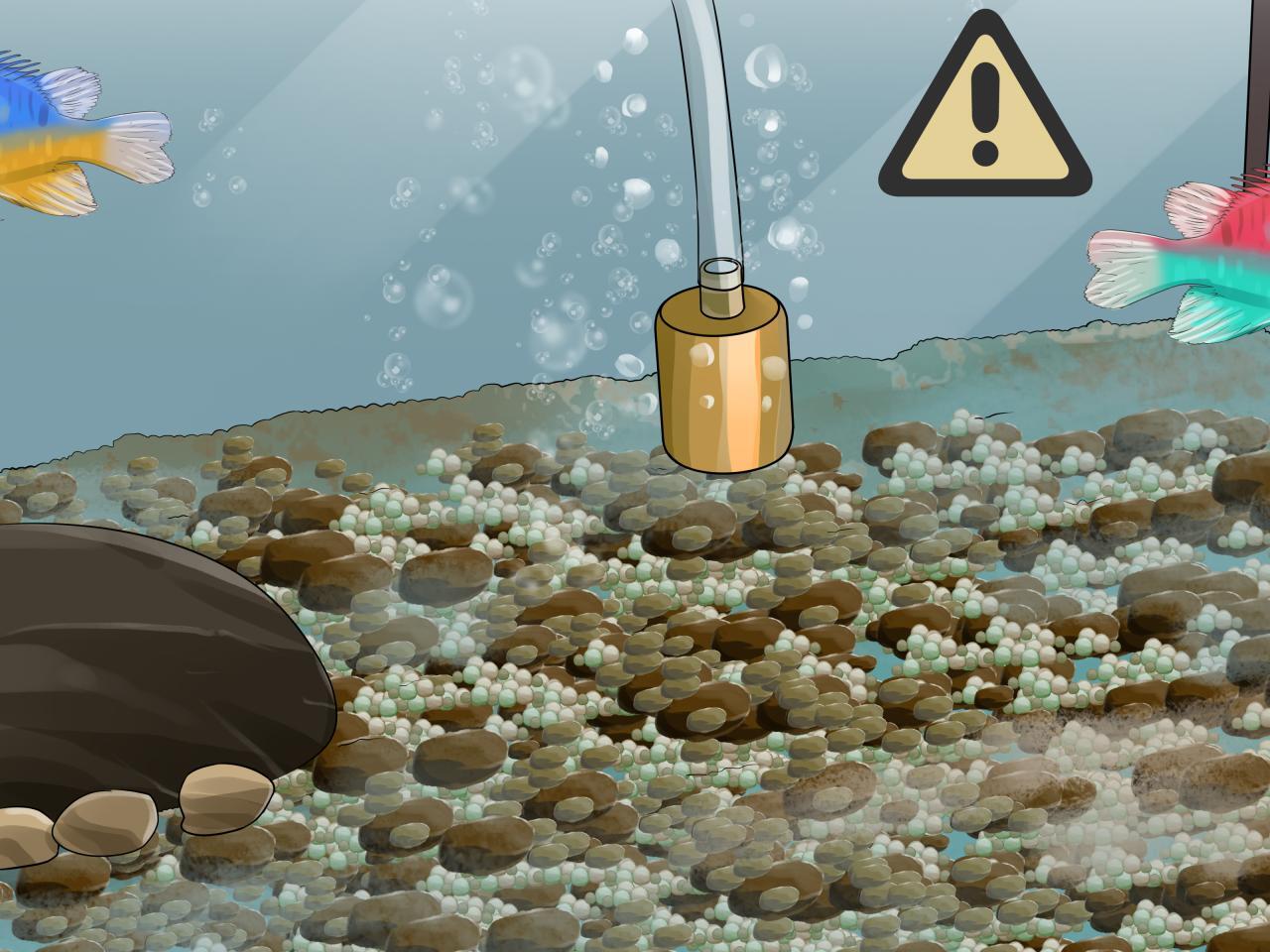
Mastering the installation and maintenance of an air stone is a crucial step towards cultivating a healthy and vibrant aquatic or hydroponic ecosystem. By following these guidelines, you can ensure your system receives the consistent aeration it needs, leading to improved water quality, robust plant growth, and thriving aquatic inhabitants. Enjoy the visible benefits of a well-oxygenated environment!